Call Routing Overview: How to Optimize Your Contact Center for Faster Resolutions
Every second counts in a contact center. When customers call, they expect fast, efficient, and hassle-free service. But what happens if they’re stuck in long queues or transferred multiple times? Frustration builds, satisfaction drops, and businesses risk losing customers.
That’s where call routing comes in.
With the right call routing strategies, you can connect customers to the right agents quickly, reduce wait times, and improve first-call resolution rates. In this guide, we’ll break down what call routing is, how it works, and how to optimize it for your business.
What Is Call Routing?
Call routing is an automated system that directs incoming calls to the right department, agent, or service based on predefined rules. Instead of random transfers or long holds, calls are efficiently handled using factors like:
- Caller’s input (e.g., Press 1 for Sales, Press 2 for Support)
- Agent skills and availability
- Customer data and past interactions
- Time of day or location
Call routing ensures that every call reaches the best possible agent, reducing frustration and boosting customer satisfaction by up to 35 percent.
Why Call Routing Matters
A poorly managed contact center can lead to:
- High call abandonment rates (frustrated customers hanging up)
- Longer wait times (customers getting stuck in queues)
- Inefficient agent utilization (agents handling calls they aren’t qualified for)
- Low first-call resolution rates (issues requiring multiple calls to resolve)
Studies show that 80 percent of customers prefer talking to a knowledgeable agent on the first attempt. That’s why effective call routing can increase first-call resolution by 25 percent and improve overall customer satisfaction.
Types of Call Routing Strategies
1. Fixed (Static) Call Routing
This is the simplest form of routing, where calls follow a predefined path. For example, all support calls go to the same team. While easy to set up, it lacks flexibility and can lead to overloaded agents.
- Best for: Small businesses with low call volumes
- Downside: Doesn’t consider agent availability or skill levels
2. Skills-Based Routing (SBR)
Not all agents have the same expertise. Skills-based routing matches customers with agents best equipped to handle their inquiry.
- A tech support call goes directly to trained IT agents
- A high-value client gets connected to a VIP support team
Contact centers using skills-based routing see a 30 percent improvement in resolution time and a 20 percent reduction in escalations.
- Best for: Businesses with specialized teams (e.g., banking, healthcare, telecom)
- Downside: Requires accurate agent skill tagging
3. Time-Based Call Routing
Time-based routing directs calls based on business hours or agent shifts.
- Calls after business hours can go to a 24/7 offshore team
- VIP customers can be routed to priority agents during peak hours
Companies using time-based routing reduce after-hours missed calls by 40 percent.
- Best for: Businesses with global customers or 24/7 support needs
- Downside: May require multiple contact centers or outsourced support
4. Round-Robin Call Routing
In this method, calls are distributed evenly among agents in a circular fashion. Each agent gets a fair share of incoming calls, ensuring no one is overloaded while others remain idle.
Companies using round-robin routing see a 25 percent increase in agent productivity.
- Best for: Sales teams or outbound call centers
- Downside: Doesn’t consider agent skill level or specialization
5. Intelligent (AI-Powered) Call Routing
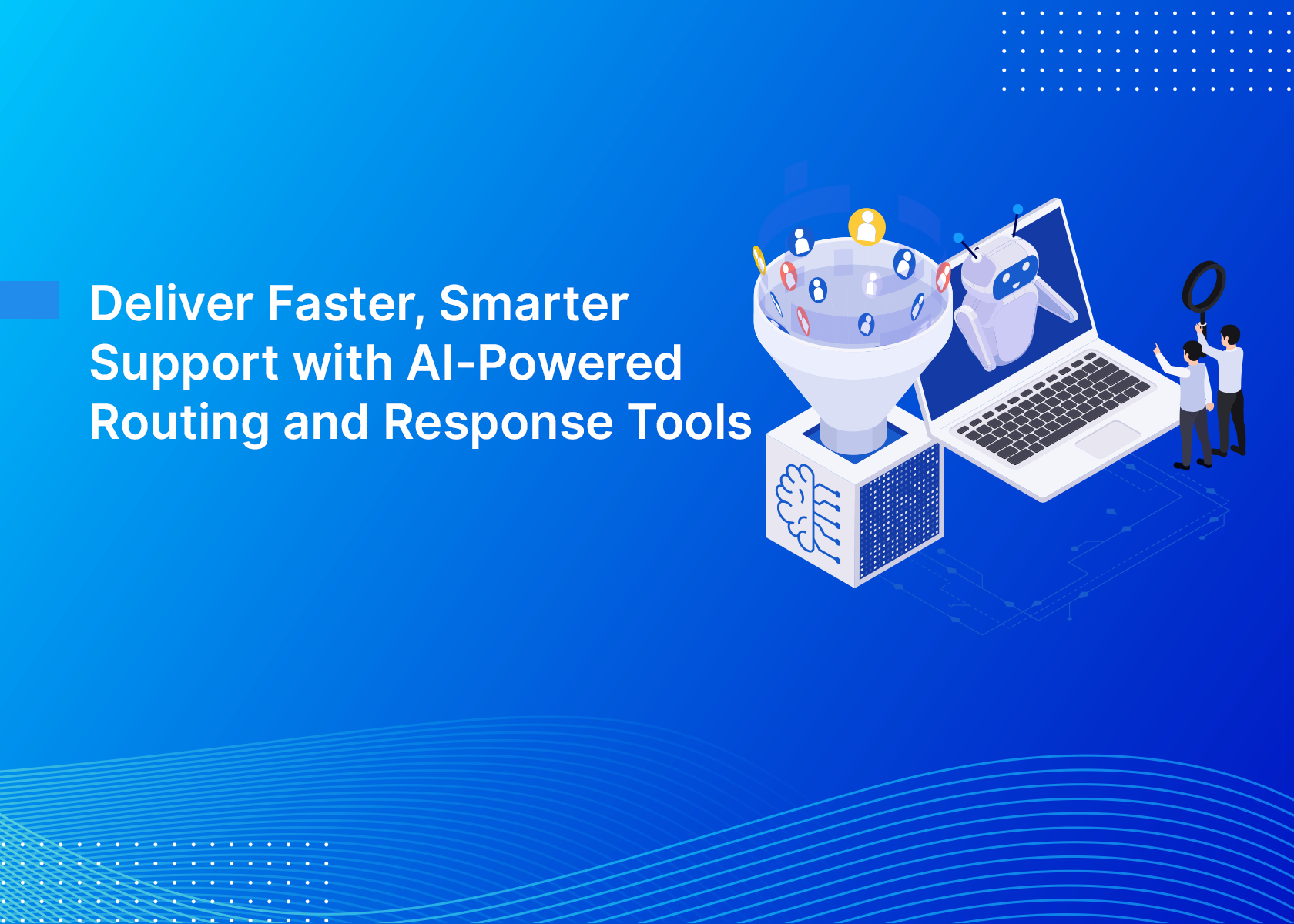
The most advanced method, intelligent call routing uses AI and real-time data to make smart decisions about where to send each call.
- AI can analyze caller history, tone, and urgency to match them with the right agent
- Calls from frustrated customers can be prioritized and routed to senior agents
AI-driven call routing can reduce call handling time by up to 40 percent and improve first-call resolution by 30 percent.
- Best for: High-volume contact centers that want real-time optimization
- Downside: Requires AI integration and high-quality customer data
How to Optimize Call Routing for Your Business
1. Integrate With Your CRM
By linking your call routing system with your CRM, you can provide agents with instant access to customer history, preferences, and past interactions.
Studies show that CRM-integrated routing increases first-call resolution rates by 35 percent.
- Best for: Personalized customer support
2. Prioritize High-Value Customers
Not all calls are equal. Businesses can prioritize VIP customers or urgent cases by using:
- Account-based routing (e.g., premium customers get priority)
- Sentiment analysis (e.g., frustrated callers get fast-tracked)
Banks that prioritize high-net-worth clients have reduced their average wait time by 50 percent.
- Best for: Banks, insurance, and premium service industries
3. Use Self-Service & IVR Smartly
An Interactive Voice Response (IVR) system can handle simple queries like checking account balances or order status before routing complex issues to live agents.
IVR systems can resolve 60 percent of calls without agent involvement, reducing costs by 30 percent.
- Best for: Reducing agent workload and speeding up service
4. Monitor & Optimize With Analytics
Tracking call routing performance helps identify bottlenecks and optimize your system. Key metrics to watch:
- Call Abandonment Rate – Are customers dropping before reaching an agent?
- Average Hold Time – Are callers waiting too long?
- First-Call Resolution Rate – Are calls getting resolved the first time?
Companies that continuously optimize routing reduce average call handling times by 25 percent.
Final Thoughts: Smarter Call Routing Leads to Better Customer Experiences
Call routing isn’t just about directing calls—it’s about delivering better experiences. A well-optimized routing strategy can:
- Reduce wait times
- Boost agent productivity
- Improve customer satisfaction
- Lower operational costs
By leveraging AI-powered intelligent routing, CRM integrations, and skill-based assignments, businesses can create a seamless customer experience.
Now is the time to upgrade your call routing strategy for a more efficient contact center.
For businesses looking for an advanced call routing solution, explore klink.cloud to enhance your contact center operations.