
Personalized Customer Experience: The Key to Winning Customer Loyalty
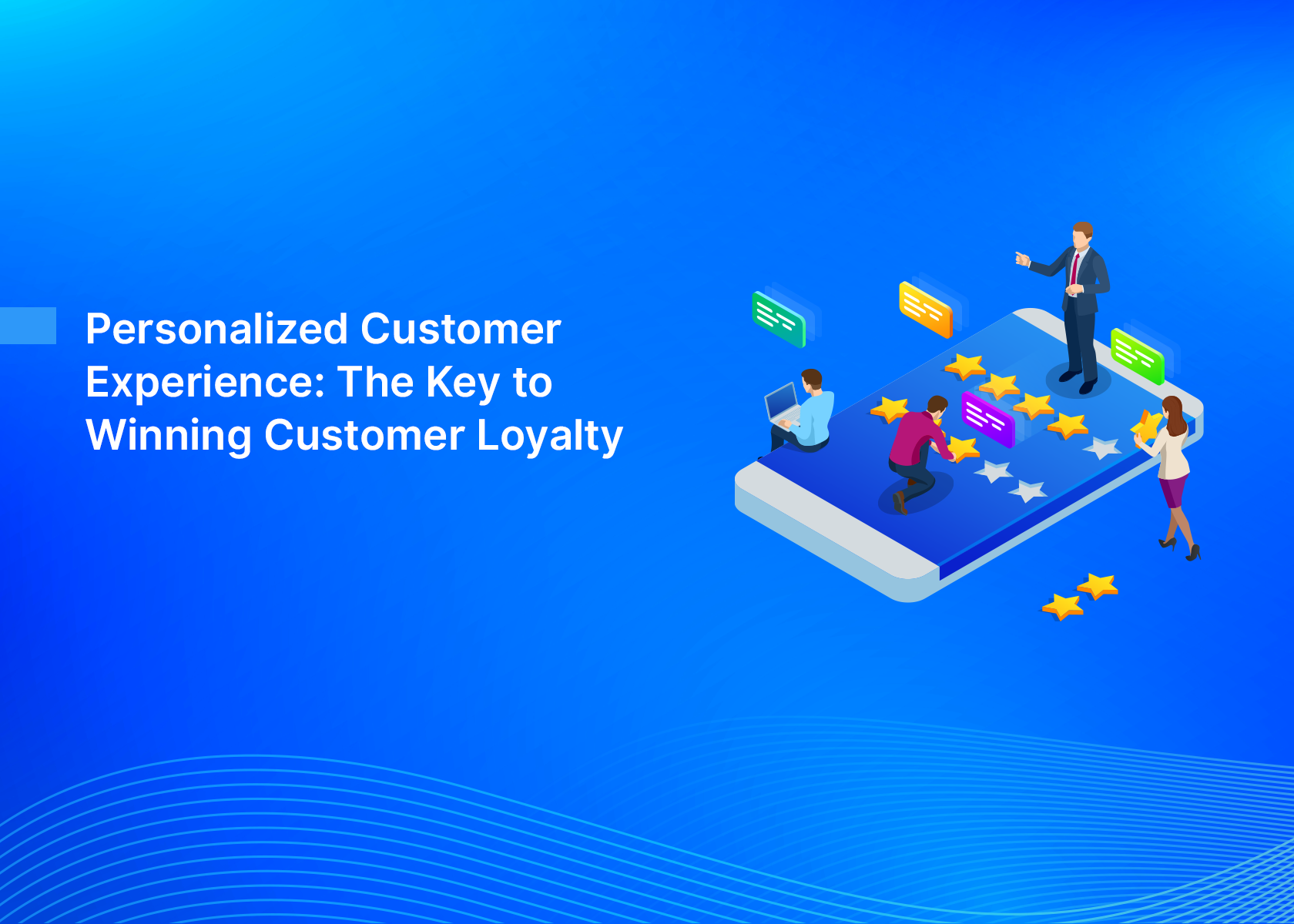
Imagine walking into your favorite café, and the barista greets you by name, already preparing your usual order. It feels good, right? That’s the power of personalization—making customers feel valued and understood. But what if businesses could bring that same level of care to every digital interaction? That’s exactly what a personalized customer experience (CX) does, and in today’s competitive market, it’s not just a nice-to-have—it’s a must.
Let’s explore why personalization matters, how businesses can implement it effectively, and what the future holds for customized customer experiences.
Why Personalization is Non-Negotiable
Customers today expect more than just good service—they want experiences tailored to their needs. Studies show that 71% of consumers expect personalized interactions, and 76% get frustrated when companies fail to deliver them【McKinsey】. This means businesses that ignore personalization risk losing customers to competitors who do it better.
It’s not just about expectations—personalization drives real business results. Research shows that 80% of consumers are more likely to buy from brands that offer tailored experiences【Ecommerce Bonsai】. That’s a huge number, proving that personalization isn’t just about making people feel good; it directly impacts sales.
The Business Benefits of Personalization
Beyond customer satisfaction, businesses that invest in personalized experiences see substantial financial returns. Companies that excel at personalization can:
- Reduce customer acquisition costs by up to 50%
- Increase revenue by up to 15%
- Improve marketing efficiency by up to 30%【McKinsey】
These numbers highlight why personalization isn’t just a trend—it’s a game-changer. But there’s more: it builds loyalty. A staggering 77% of consumers have chosen, recommended, or paid more for brands that provide personalized services【VWO】.
Loyal customers don’t just make repeat purchases; they become brand advocates. When a company makes customers feel special, they tell their friends, share positive experiences on social media, and stick around longer.
How to Implement Personalization in Your Business
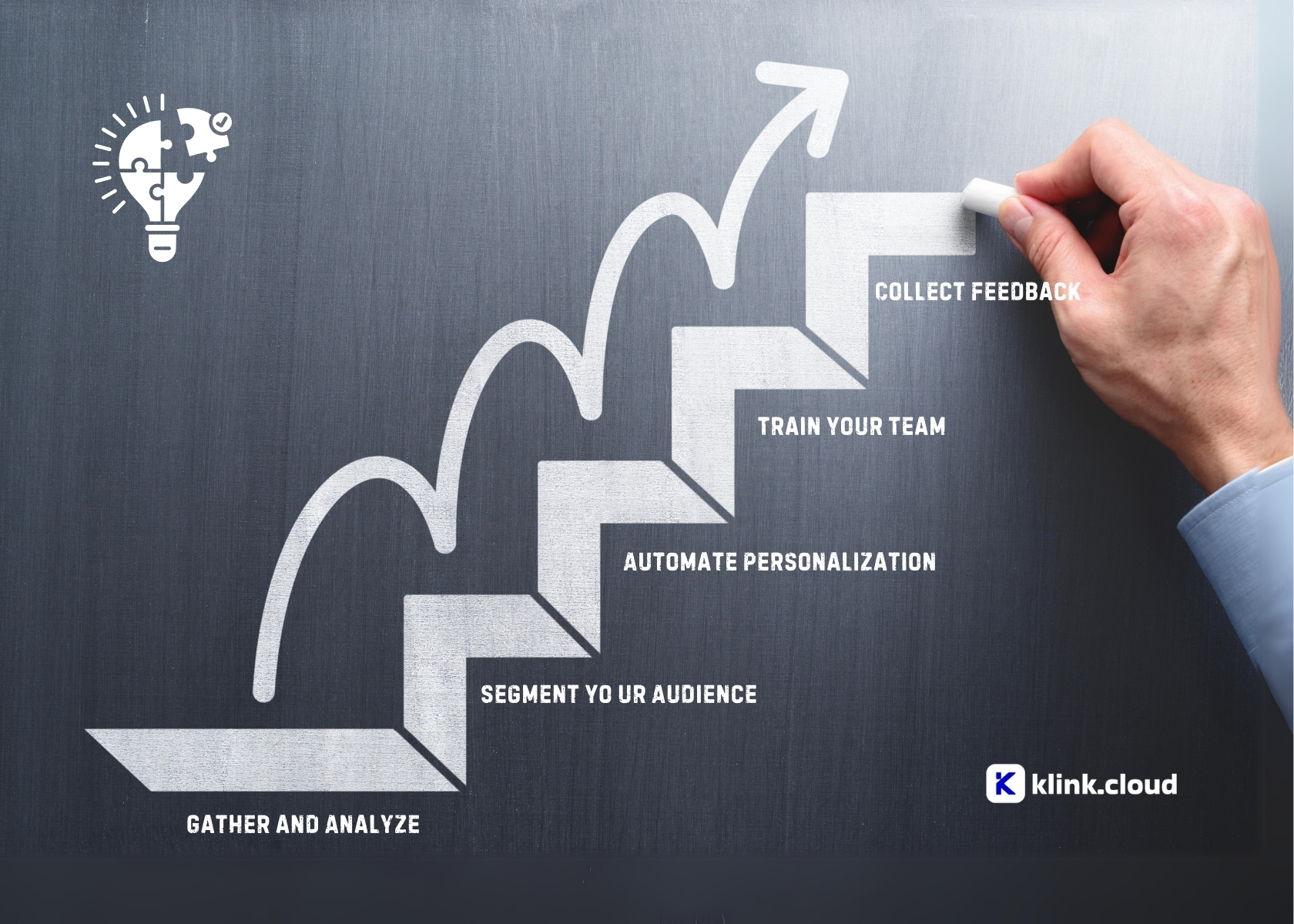
So, how can businesses create a highly personalized experience without overcomplicating things? Here are five key steps:
1. Know Your Customers
Personalization starts with understanding who your customers are and what they want. Businesses can collect and analyze data on:
- Purchase history
- Browsing behavior
- Interaction history
- Preferences and interests
This data helps businesses anticipate customer needs and offer relevant recommendations before they even ask.
2. Segment Your Audience
Not all customers are the same. By grouping them into segments based on behavior, demographics, or preferences, businesses can tailor their marketing and communication strategies effectively.
For example, an e-commerce store can send different promotions to first-time buyers, repeat customers, and high-spenders, ensuring that each group receives offers that genuinely interest them.
3. Personalize Communication
Generic emails and mass marketing campaigns are outdated. Businesses that personalize their messaging see much better results. Personalized emails, for example, generate 6 times higher transaction rates than generic ones【Campaign Monitor】.
Personalization goes beyond addressing a customer by name. It means sending:
- Product recommendations based on past purchases
- Custom discounts on items they’ve viewed before
- Birthday or anniversary messages with special offers
4. Use AI and Automation
Technology makes personalization scalable. AI-powered chatbots, predictive analytics, and CRM (Customer Relationship Management) systems help businesses deliver customized experiences efficiently.
For instance, Netflix uses AI-driven recommendations to keep viewers engaged, while Amazon’s product suggestions account for 35% of its revenue【Forbes】. Businesses can adopt similar AI-driven strategies to enhance their personalization efforts.
5. Ask for Customer Feedback
The best way to improve personalization is to ask customers directly. Gathering feedback through surveys, reviews, and customer support interactions provides valuable insights into what’s working and what’s not.
Personalization Challenges and How to Overcome Them
While personalization has clear benefits, it also comes with challenges. Here’s how businesses can tackle them:
1. Data Privacy Concerns
With growing awareness of data privacy, businesses must ensure they handle customer information responsibly. Following regulations like GDPR (General Data Protection Regulation) and CCPA (California Consumer Privacy Act) is essential to maintaining trust.
Solution: Be transparent about data usage and offer customers control over their information.
2. Resource-Intensive Process
Implementing personalization strategies can be time-consuming and costly. Businesses may struggle with integrating multiple data sources and systems.
Solution: Start small by personalizing key touchpoints like emails and product recommendations before expanding to more complex areas.
3. Avoiding Over-Personalization
While customers appreciate personalization, they don’t want to feel like they’re being watched too closely. If recommendations become too precise, it can come across as invasive rather than helpful.
Solution: Strike a balance by using personalization to enhance the experience without making customers uncomfortable.
The Future of Personalized Customer Experiences
Personalization isn’t going anywhere—it’s only getting smarter. Here’s what to expect in the coming years:
Hyper-Personalization with AI
AI is making personalization even more advanced. Instead of segmenting customers into broad categories, businesses will be able to tailor experiences at an individual level. AI-powered chatbots, predictive analytics, and real-time customization will create even more relevant interactions.
Voice and Visual Personalization
With the rise of voice assistants like Alexa and Siri, brands are starting to personalize experiences beyond text and emails. Visual AI, such as facial recognition in retail, is also making shopping more customized.
Personalization in the Metaverse
As the metaverse evolves, businesses will explore new ways to create immersive and highly customized experiences in virtual spaces. Brands that embrace this early will have a competitive edge.
Final Thoughts: Make Personalization a Priority
In today’s digital world, a personalized customer experience is no longer optional—it’s expected. Businesses that invest in personalization see higher engagement, increased revenue, and stronger customer loyalty.
To stay ahead, companies should:
✔️ Leverage customer data smartly
✔️ Use AI to scale personalized experiences
✔️ Continuously refine strategies based on customer feedback
Customers don’t just want great products—they want great experiences. And personalization is the key to making them feel truly valued.
Now is the time to embrace personalization and transform the way you connect with your customers.