







Omnichannel Strategy: The Complete Guide 2025
Customers today expect a seamless, personalized experience across all platforms—whether shopping online, visiting a store, or engaging through social media. An omnichannel strategy helps businesses connect these experiences into a smooth, unified journey. In this guide, we’ll break down what it means, why it’s important, and how to build an effective omnichannel strategy in 2025.
What is an Omnichannel Strategy?
An omnichannel strategy connects all customer touchpoints—websites, apps, stores, social media, and customer support—into a single, cohesive experience. Unlike a multichannel approach, where each channel operates separately, omnichannel ensures that all interactions are connected and consistent.
For example, a customer might:
- Browse a product on your website.
- Add it to their cart on their mobile app.
- Receive a personalized discount via email.
- Complete the purchase in-store.
With an omnichannel approach, all these interactions are linked, creating a smooth, hassle-free experience.
Why Omnichannel Matters in 2025
Businesses that use omnichannel strategies see higher customer satisfaction and increased sales. Here’s why it’s crucial:
- Stronger Customer Loyalty – Companies with strong omnichannel strategies retain 89% of their customers.
- More Sales Conversions – Omnichannel shoppers spend 287% more than single-channel shoppers.
- Mobile Growth – By 2027, 62% of all e-commerce sales will come from mobile shopping.
Customers want convenience, personalization, and flexibility—and omnichannel strategies help businesses deliver exactly that.
Key Elements of a Successful Omnichannel Strategy
To build an effective omnichannel experience, businesses must focus on these core elements:
1. Unified Customer Data
All customer interactions should be tracked in one centralized system. This allows businesses to understand preferences, personalize offers, and improve service.
2. Consistent Brand Experience
Your website, app, social media, emails, and physical stores should have a unified brand message, design, and tone. Customers should feel like they’re interacting with the same brand—no matter where they engage.
3. Technology & AI Integration
Emerging technologies like AI chatbots, voice assistants, and predictive analytics help personalize customer interactions and automate services.
4. Mobile-First Approach
With more consumers relying on mobile shopping, businesses must ensure fast, responsive, and mobile-friendly experiences.
Simple Steps to Build an Omnichannel Strategy
Want to implement an omnichannel approach? Follow these steps:
1. Map Out Customer Touchpoints
Identify where customers interact with your business—social media, website, in-store, email, live chat, etc. Ensure all these touchpoints are connected.
2. Unify Customer Data
Use a Customer Relationship Management (CRM) system to collect and organize customer data in one place. This helps you track customer preferences and tailor interactions accordingly.
3. Make Every Channel Work Together
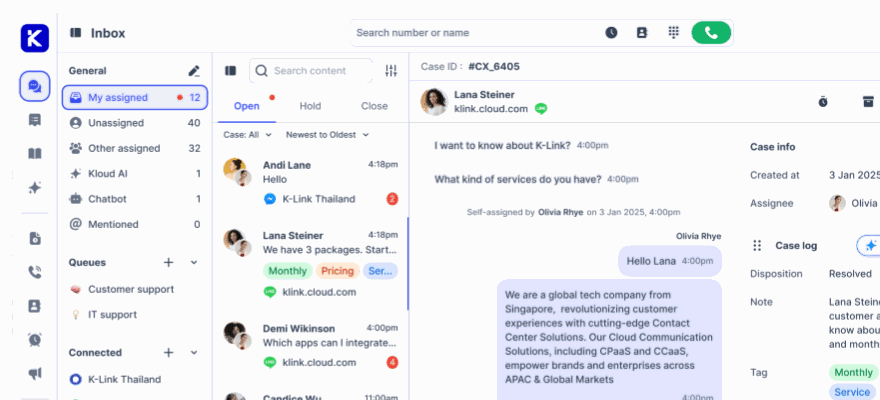
Ensure customers can switch between channels easily. Example: A customer starts chatting with a bot but needs human help—the system should transfer them to a live agent without losing context.
4. Invest in the Right Technology
Adopt tools like:
✅ AI chatbots for instant responses
✅ Personalized email automation
✅ Unified commerce platforms that link online and offline sales
5. Train Your Team
Ensure employees understand how different channels work together so they can provide seamless support across all platforms.
Omnichannel Trends to Watch in 2025
Here are some emerging trends that will shape omnichannel strategies in the coming year:
1. AI-Driven Personalization
AI is helping brands offer real-time, hyper-personalized recommendations, improving engagement and conversions.
2. Ethical Data Collection
With privacy concerns growing, brands must prioritize transparency in how they collect and use customer data.
3. Online & Offline Integration
Retailers are blending digital and in-store experiences with click-and-collect, in-store mobile payments, and virtual try-ons.
4. Contactless & Flexible Payments
New payment methods like buy-now-pay-later (BNPL), digital wallets, and cryptocurrency are making transactions more convenient.
Real-World Success Stories
Adore Beauty
This Australian retailer started as an online store but expanded to physical locations while integrating digital tools to enhance in-store shopping.
Walmart
Walmart invested $1.2 billion in technology to create a frictionless shopping experience, linking its website, app, and physical stores.
Final Thoughts
A strong omnichannel strategy is essential for business success in 2025. It helps brands:
✔ Improve customer experience
✔ Increase retention & loyalty
✔ Boost sales & engagement
By integrating all channels, using AI-driven personalization, and optimizing for mobile, businesses can stay ahead in a competitive market.
🚀 Ready to upgrade your customer experience? Start building your omnichannel strategy today!