Predictive Routing & Smart Queueing: Matching Customers to the Right Agent — Every Time
Imagine a world where every customer instantly gets connected to the best possible agent — the one who understands their issue, speaks their language, has the right skills, and can solve the problem on the first contact. No more long queues. No more “Let me transfer you.” No more frustrated sighs on both ends.
But in reality, most contact centers still rely on outdated routing rules like first available, round-robin, or department-based queues, which fail to consider customer history, sentiment, complexity, or urgency. A global study shows that 74% of customers expect agents to know who they are and why they’re calling, yet most agents start conversations blind.
That’s where predictive routing and smart queueing change everything — replacing guesswork with real-time intelligence, boosting efficiency, and delivering consistently better experiences at scale.
Why Contact Centers Struggle With “Right Agent, Every Time”
Most routing issues happen because:
- Customer data is fragmented, outdated, or out of context
- Skills-based routing can’t adapt to real-time workloads, agent performance, or customer sentiment
- Static queues don’t understand complexity or urgency
- Manual triage slows everything down
- Agents get overwhelmed with mismatched cases
This leads to costly consequences:
- Longer handling times
- Higher transfer rates
- Dropped calls and abandoned chats
- Lower customer satisfaction
- Higher operational cost and burnout
In an era where speed and accuracy matter, the old ways simply can’t keep up.
How Predictive Routing Actually Works
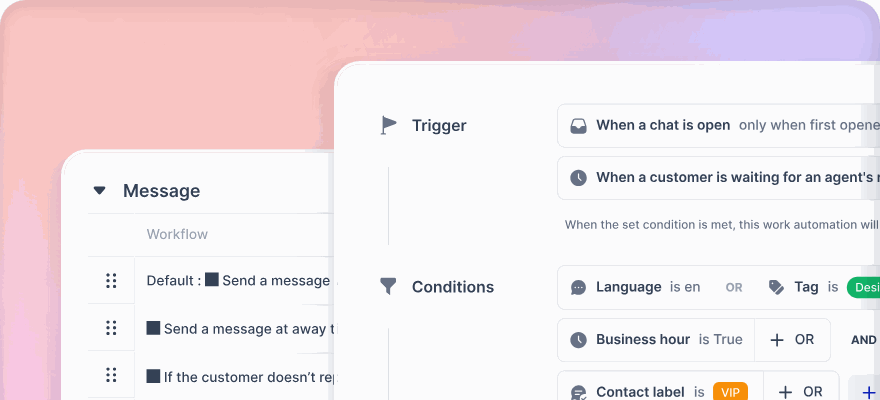
Predictive routing uses AI, customer data, and real-time analytics to determine the best possible agent match for every customer — before the conversation even starts.
Here’s what it evaluates:
- Customer profile (history, behavior, past issues, segment)
- Sentiment & intent (angry, confused, urgent, pre-purchase…)
- Issue complexity
- Agent skills (technical, product, language, empathy)
- Agent success rate with similar customers
- Real-time availability
- Workload balancing
The system processes all of this within milliseconds, then routes the customer to the most qualified agent with the highest predicted success outcome.
If that agent is busy, smart queueing steps in — reorganizing queues dynamically based on priority, predicted handling time, and customer value.
The result? No more random routing. Every match feels intentional, fast, and satisfying.
The Benefits Are Hard to Ignore
Contact centers using predictive routing report:
- 25–40% improvement in First-Contact Resolution (FCR)
- 15–30% reduction in Average Handling Time (AHT)
- Up to 50% fewer transfers
- Higher CSAT and NPS across all channels
- More productive, less-stressed agents
- Better workload distribution and scheduling accuracy
But the biggest win? Consistency.
Customers stop feeling like they’re gambling every time they contact support.
What Predictive Routing & Smart Queueing Look Like in Action
Let’s break down a simple real scenario:
A customer types into live chat:
“I was double-charged yesterday and my internet is down again.”
A predictive-routing engine instantly:
- Detects negative sentiment
- Classifies the issue (billing + technical)
- Checks the customer’s history
- Evaluates their lifetime value
- Identifies the best available agent trained in billing and connectivity issues
- Prioritizes the queue based on urgency and customer tier
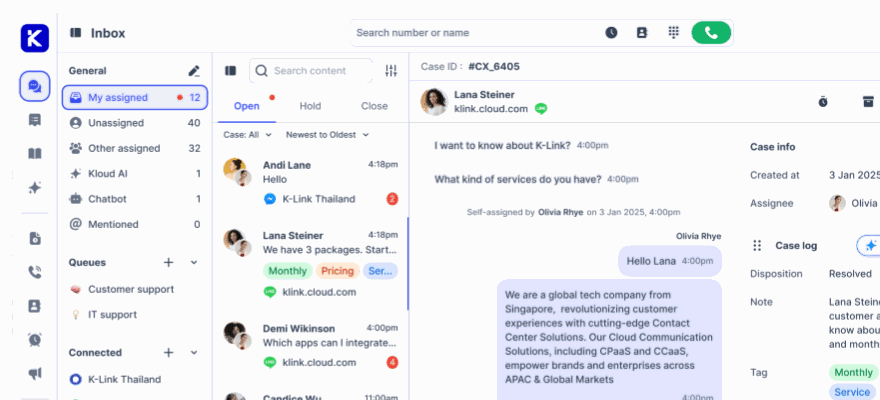
- Routes the case with full context so the agent starts the call prepared
Instead of explaining everything from scratch, the agent already knows:
- The double charge
- The outage pattern
- The customer’s past frustrations
- The exact steps needed to resolve it
One agent → one conversation → resolved.
Implementing Predictive Routing in Your CX Operation
Here’s a practical roadmap:
1. Map your customer journeys
Identify where mismatches happen — billing calls going to sales, or technical issues going to general support.
2. Clean and unify your data
AI routing is only as good as your data foundation.
3. Define agent skill sets properly
Beyond “billing” or “tech” — include soft skills, languages, speed, empathy, special cases.
4. Use an AI-first platform with real-time routing
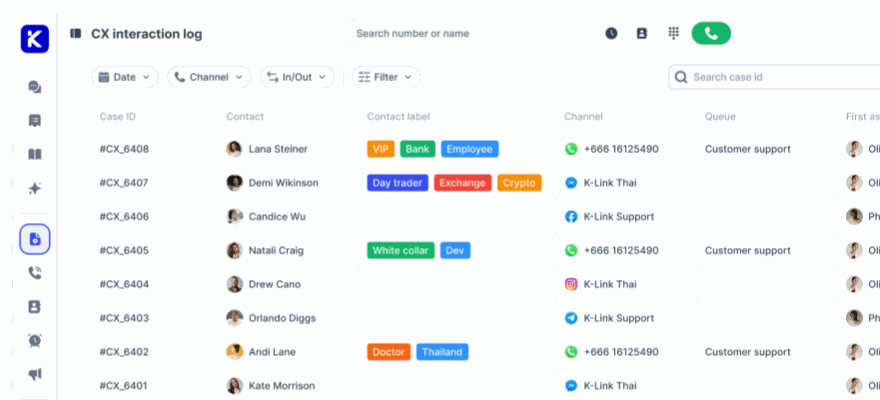
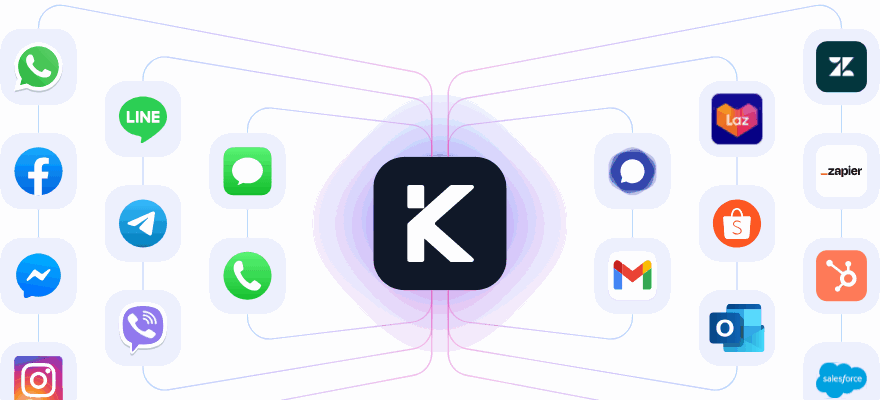
Solutions like klink.cloud help unify data and automate routing across voice, chat, email, and social.
5. Test and measure
Run predictive routing on a subset of queries. Track improvements and refine.
6. Roll out to all channels
Voice → chat → email → social → self-service → proactive outreach.
7. Pair routing with AI agents
AI can pre-qualify, triage, and handle repetitive tasks before reaching human agents.
Want to see real AI-agent workflows in action?
Explore:
- How Shopify stores automate 80% of inquiries
https://www.klink.cloud/post/how-shopify-stores-use-kai-ai-agent-to-automate-80-of-customer-inquiries - How AI agents turn conversations into revenue
https://www.klink.cloud/post/from-chatbot-to-revenue-engine-kai-ai-agent-for-shopify-explained - Book a demo to see intelligent routing in your own use case
https://www.klink.cloud/book-demo
How to Measure Success
Keep an eye on:
- First-Contact Resolution
- Average Handling Time
- Transfer & escalation rates
- Agent workload balance
- Queue abandonment
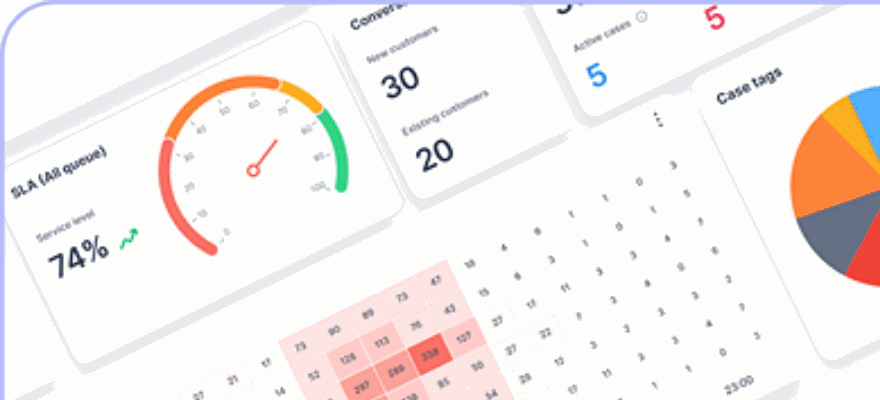
- Customer satisfaction (CSAT/NPS)
- SLA adherence
- Agent performance trends
Use these insights to adjust predictions, improve skill tags, and redesign queue logic.
Predictive-routing systems get smarter every week — but only if you continuously feed them data and refine priorities.
Ready to Route Smarter, Not Harder?
Modern customer expectations leave no room for slow queues or mismatched agents. Predictive routing and smart queueing help you deliver service that feels effortless, fast, and personal — every time.
The best part? You don’t need massive infrastructure or complex migration. With AI-powered CX platforms, you can implement intelligence on top of your existing workflows.
If you're ready to see how predictive routing and AI agents can transform your contact center, explore these resources:
- Automate up to 80% of inquiries →
https://www.klink.cloud/post/how-shopify-stores-use-kai-ai-agent-to-automate-80-of-customer-inquiries - Turn CX into a revenue engine →
https://www.klink.cloud/post/from-chatbot-to-revenue-engine-kai-ai-agent-for-shopify-explained - Book your personalised demo →
https://www.klink.cloud/book-demo
FAQ
What’s predictive routing?
It’s AI-driven routing that matches customers to the best agent using data, sentiment, skills, and real-time performance predictions.
Does this replace agents?
No — it empowers them. AI handles matching, triage, and prep work so agents can do meaningful, high-value tasks.
What size contact centers benefit the most?
Any size — from small support teams to enterprise BPOs. Higher volume typically means higher ROI.
Can predictive routing work on voice?
Yes. It can analyze sentiment from speech, detect urgency, and route accordingly.
How fast can we deploy it?
With the right platform (like klink.cloud), many teams launch in weeks.