
How AI Boosts Customer Engagement in 2025
Let’s be honest — no one enjoys waiting on hold, navigating confusing menus, or repeating the same issue to multiple agents. In 2025, customer expectations are higher than ever. People want instant, helpful, and personalized service — and they want it across all channels, whether that’s chat, voice, email, or social media. That’s where AI in customer service comes in.
AI-powered support tools are revolutionizing the way businesses interact with customers. From chatbots that never sleep to predictive analytics that help agents solve problems faster, artificial intelligence is changing the game. And not just in theory — the numbers are impressive. According to Plivo, businesses using AI for customer service have seen a 45% reduction in call time, 44% faster resolution, and a 35% increase in support quality and consistency.
Let’s take a deeper look into how AI is transforming customer support — and why it’s a must-have for higher customer engagement in 2025.
Why AI Customer Service Isn’t Just a Trend — It’s a Necessity
AI in customer service isn’t a futuristic idea anymore — it’s happening right now. As digital adoption accelerates, more customers prefer self-service tools and instant answers. According to Salesforce, 88% of customers say the experience a company provides is as important as its product or service, and 74% expect immediate responses when contacting a company.
That’s a tall order for traditional support teams to handle alone. AI bridges the gap, providing fast, always-on service that keeps your customers happy — without overwhelming your agents.
24/7 Support: Because Customers Don’t Work 9 to 5
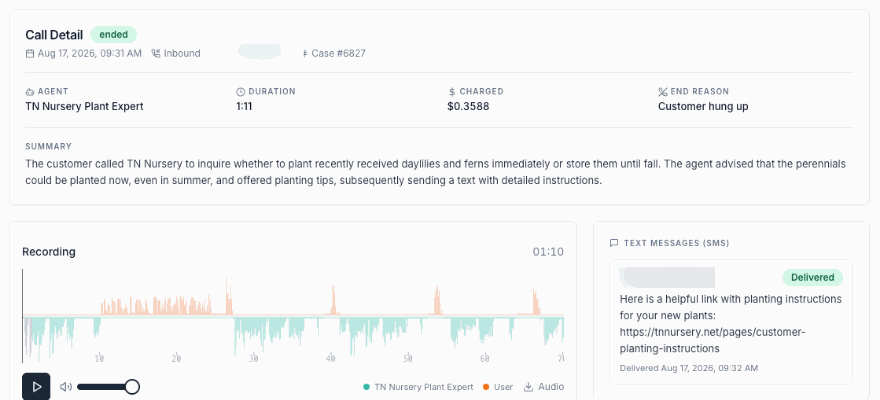
One of the biggest advantages of AI? It never sleeps. AI-powered chatbots, virtual assistants, and voice bots can manage inquiries around the clock — even when your human agents are offline. Whether it’s midnight or a holiday weekend, AI can:
- Answer frequently asked questions
- Route customers to the right department
- Collect and verify user information
- Escalate complex issues to live agents
- Provide step-by-step support for common problems
This kind of instant service improves customer satisfaction and prevents long wait times, which are one of the top reasons customers abandon support channels.
And customers are responding positively. According to Gartner, by 2027, 25% of all customer service operations will use virtual customer assistants (VCAs) across digital channels — and that number is growing quickly.
Real-World Success Stories: AI in Action
AI in customer service isn’t just for tech giants. Companies across industries are seeing major gains in customer engagement, efficiency, and savings. Let’s look at a few examples:
🔹 NatWest Bank
UK-based NatWest Bank partnered with OpenAI to enhance its customer service chatbot. The result? A 150% boost in customer satisfaction and significantly reduced dependency on human advisors. With AI managing routine queries, agents could focus on more complex customer needs.
🔹 NIB Health Insurance
Australia’s NIB Health rolled out an AI-driven assistant that now handles a massive share of inquiries. It helped the company reduce phone calls by 15%, cut human agent interactions by 60%, and save over $22 million annually.
🔹 Teleperformance
This global outsourcing giant deployed AI software to neutralize agents’ accents in real time, improving call clarity and comprehension. This not only enhanced customer satisfaction but also expanded global accessibility.
These aren’t isolated wins — they’re part of a growing movement where AI is not just supporting customer service, but transforming it.
AI = Personalized Support at Scale
One of the most powerful features of AI is its ability to analyze data and provide personalized support. Instead of treating every inquiry the same, AI systems can pull from customer history, preferences, and behavior to tailor responses in real time.
Imagine a returning customer reaching out via live chat. Before they even explain the issue, AI has already identified them, noted their last few purchases, pulled up their previous support history, and recommended next steps. All of this happens before a human agent even joins the conversation.
According to McKinsey, businesses that personalize using AI can see a 5–10% increase in revenue and 20%+ improvement in customer satisfaction. That’s the kind of impact personalized service can have.
AI Empowers, Not Replaces, Human Agents
Contrary to popular belief, AI isn’t here to steal jobs — it’s here to make jobs better. AI helps agents by:
- Suggesting replies in real time
- Summarizing past conversations
- Auto-tagging tickets based on keywords
- Prioritizing high-value or urgent issues
- Handling repetitive queries (like order status)
When agents are freed from routine work, they can focus on what really matters — delivering empathetic, human support when it counts most.
In a Zendesk study, 69% of agents said AI makes their jobs easier, and 59% said it helped them feel more fulfilled at work.
Common Use Cases for AI in Customer Support
Here are some of the most common and effective ways businesses are using AI today:
- Chatbots: Instant, automated responses for common questions
- Voice Bots: Phone-based AI for IVR systems and self-service flows
- AI Routing: Directing queries to the most qualified agent
- Sentiment Analysis: Detecting customer emotions to guide interactions
- Knowledge Base Assistants: Helping customers find articles and solutions faster
- AI Email Triage: Automatically sorting and tagging incoming messages
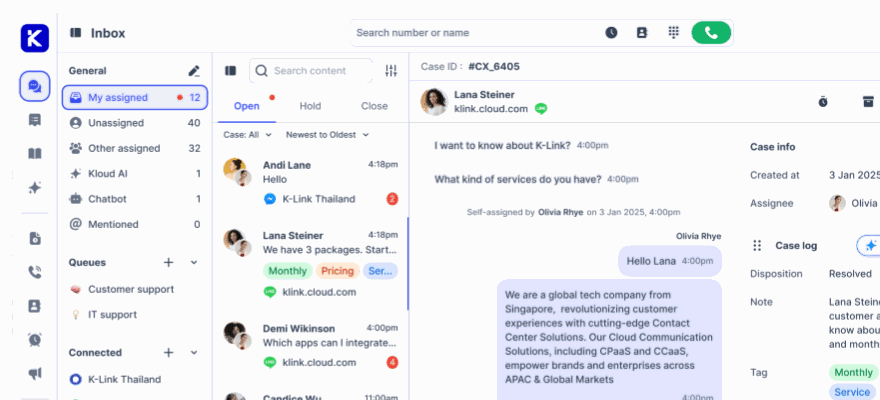
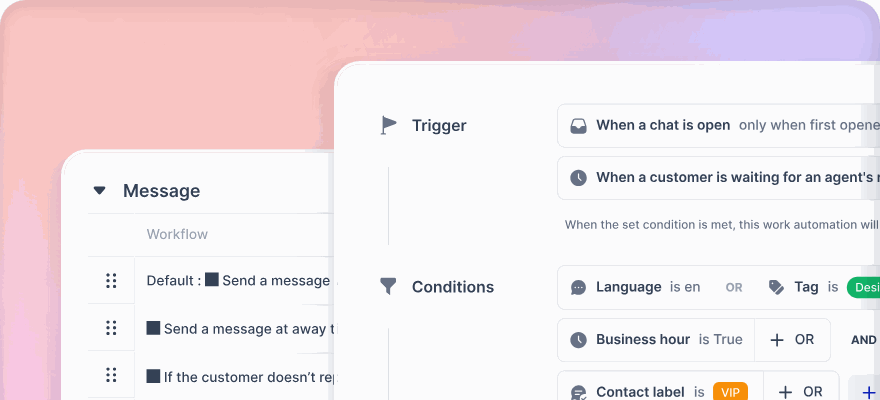
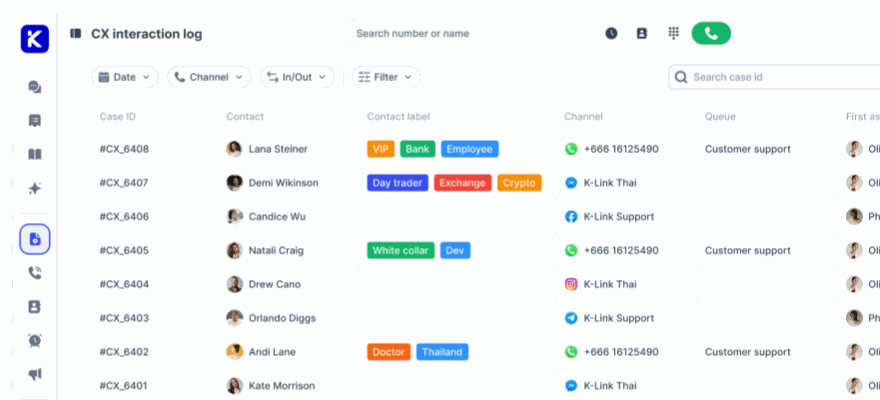
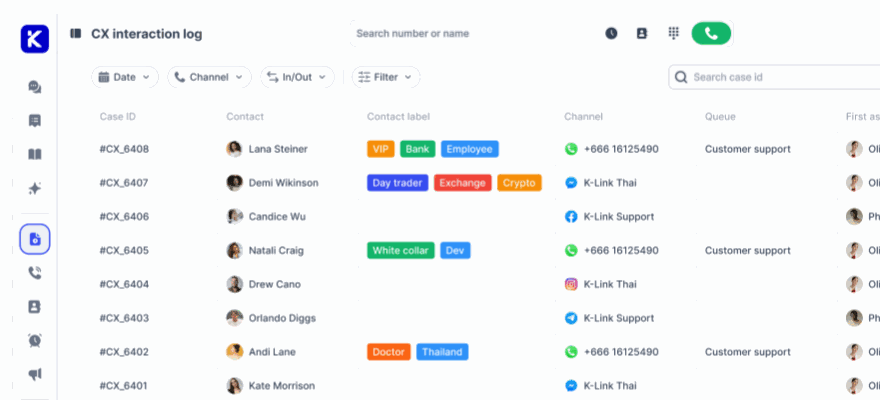
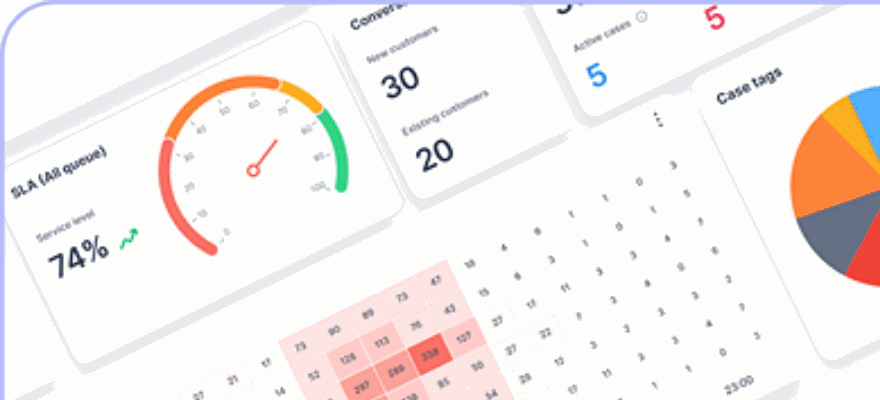
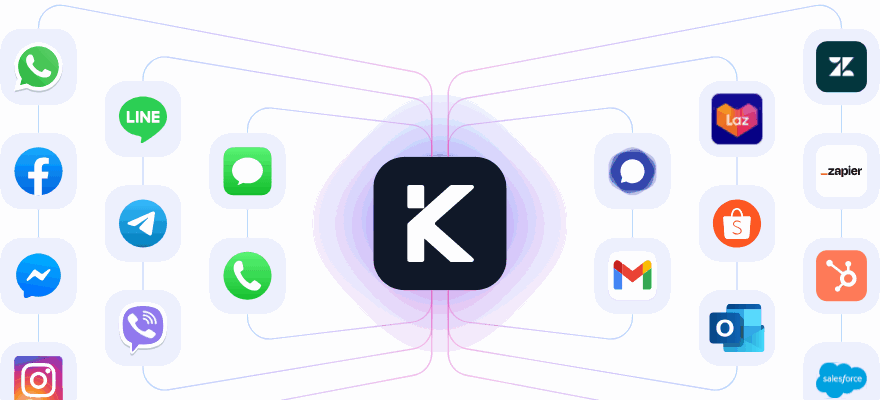
Platforms like klink.cloud combine these features with real-time omnichannel routing, CRM integration, and performance tracking — making it easy for businesses to manage all customer touchpoints in one place.
What to Consider Before You Implement AI
AI is powerful, but it’s not plug-and-play. Before jumping in, make sure to:
- Define your goals: Are you trying to reduce ticket volume? Improve CSAT? Increase response speed?
- Protect your data: Choose AI tools that are compliant with GDPR and other data privacy standards.
- Train your AI: Feed it real data, update it regularly, and test it often.
- Plan for escalation: Always give customers a clear path to speak with a human when needed.
The best AI systems are the ones that know when to step in — and when to step aside.
Final Thoughts: AI Is Here to Stay — and It’s Changing the Game
In 2025, great customer service means more than just answering the phone. It means being available, proactive, fast, and personal — every time. AI makes that possible. From reducing wait times to empowering your agents, artificial intelligence is driving better engagement, better experiences, and stronger brand loyalty.
As the numbers show, companies that embrace AI are not only keeping up — they’re pulling ahead. Whether you're a startup looking to scale or an enterprise aiming to optimize operations, AI in customer service is no longer optional. It's essential.