
Conversational AI for Customer Service: Everything You Need to Know
Conversational AI for Customer Service: Everything You Need to Know
In the era of digital transformation, conversational AI has emerged as a game-changer for businesses looking to enhance their customer service capabilities. This innovative technology allows brands to deliver seamless, human-like interactions at scale, providing faster responses, higher satisfaction, and improved efficiency. If you're exploring the potential of conversational AI for customer service, this guide will break down everything you need to know.
What Is Conversational AI?
At its core, conversational AI refers to technology that uses natural language processing (NLP) and machine learning to engage with users through voice or text. Unlike traditional scripted chatbots, conversational AI enables dynamic, context-aware interactions that feel more natural and personalized.
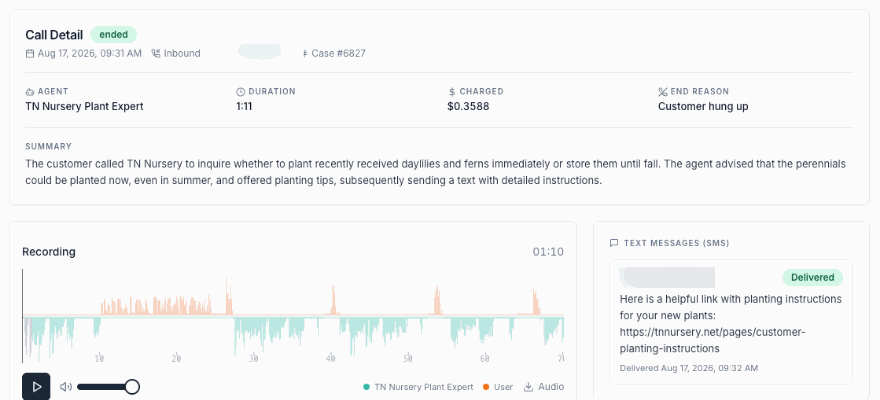
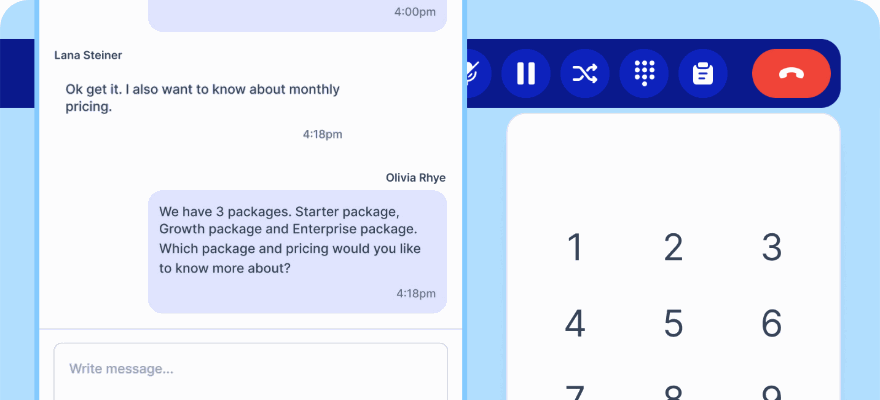
For example, when a customer asks, "Can I get an update on my order?" conversational AI can retrieve relevant information from a database and respond with something like, "Sure, your order is set to arrive on January 18." This eliminates the need for human intervention in routine inquiries while maintaining a positive customer experience.
Conversational AI Tools for Customer Service: Solutions like Klink.cloud’s Conversational AI, Google Dialogflow, and IBM Watson Assistant are designed to support businesses in scaling their operations efficiently while improving customer satisfaction.
Why Is Conversational AI Important for Customer Service?
The adoption of conversational AI in customer service is rapidly growing due to its unmatched benefits:
1. 24/7 Support for Enhanced Customer Experiences
Conversational AI operates round-the-clock, allowing customers to get help anytime, anywhere. Unlike human agents, AI-powered assistants can handle queries during off-hours, improving availability and satisfaction rates.
2. Improved Efficiency and Reduced Costs
By automating routine interactions, conversational AI reduces the workload on human agents. Businesses save on operational costs while allowing their team to focus on more complex and meaningful customer interactions.
3. Scalable Customer Interactions
As your business grows, so do the demands on your customer service. Conversational AI solutions easily scale to meet rising customer expectations without the need to hire and train additional staff.
4. Accurate and Personalized Responses
With integrated CRM tools and robust data analytics, conversational AI can access customer profiles in real time to deliver tailored responses, increasing loyalty and engagement.
Key Features of Conversational AI for Customer Service
If you're considering implementing conversational AI for your business, look for these essential features to maximize its potential:
- Natural Language Understanding (NLU): AI systems should understand not just the words but the intent behind customer queries.
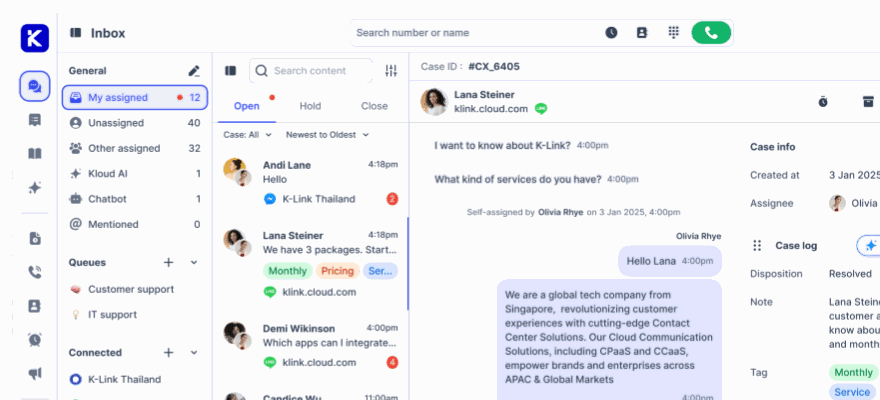
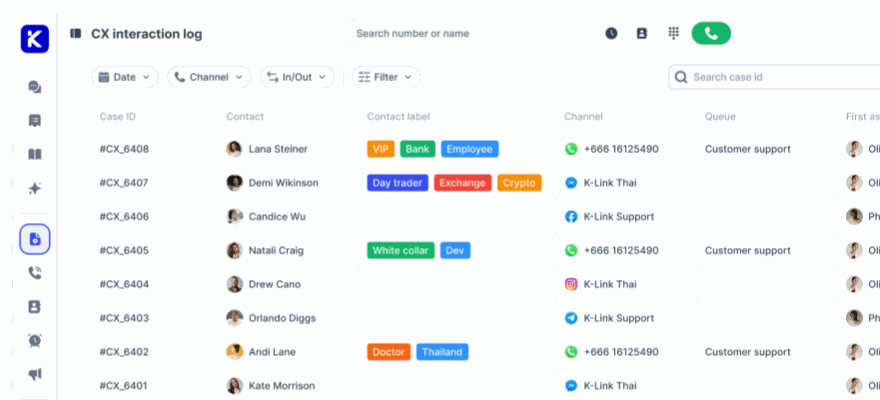
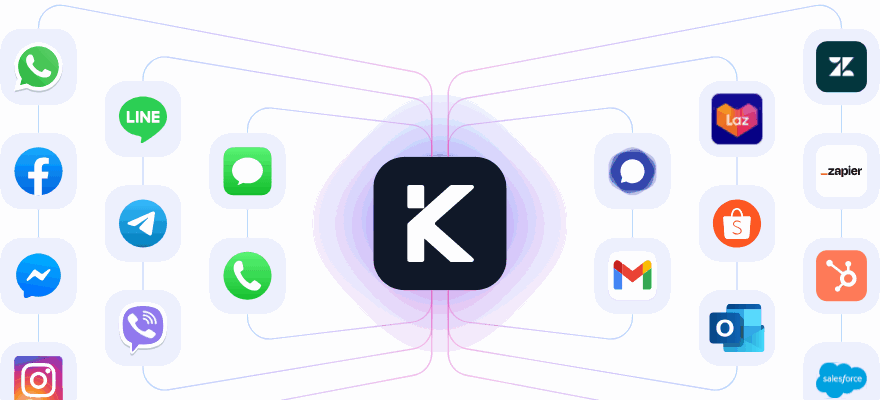
- Multi-channel Support: Engage with customers on platforms they use the most, including websites, apps, social media, and messaging services like WhatsApp.
- Seamless Integration with CRM: Sync customer data for informed and personalized responses.
- Self-Learning Capabilities: Modern conversational AI systems improve over time by learning from interactions.
- Analytics and Reporting: Gain insights into customer behavior, frequently asked questions, and system performance to optimize processes.
Real-World Applications of Conversational AI in Customer Service
Conversational AI is being utilized across industries to redefine customer service:
- E-commerce: AI-powered chatbots assist with product recommendations, order tracking, and returns.
- Healthcare: Virtual assistants help patients schedule appointments, answer FAQs, and send reminders.
- Banking and Finance: AI handles queries about account balances, transaction histories, and loan applications.
- Travel and Hospitality: Virtual agents manage bookings, cancellations, and travel itinerary updates.
Take Klink.cloud, for example. Its conversational AI platform integrates with existing communication channels to provide an omnichannel experience, from answering social media inquiries to handling in-app messages. Businesses like retail chains and financial services use Klink.cloud to deliver personalized, efficient support across touchpoints.
Best Practices for Implementing Conversational AI
For successful integration of conversational AI into your customer service operations, follow these best practices:
1. Define Your Objectives
Before diving into implementation, outline the specific goals you aim to achieve with conversational AI. Are you looking to reduce response times, increase customer satisfaction, or scale support operations? Defining clear objectives ensures that the technology aligns with your business priorities.
2. Choose the Right Platform
Select a conversational AI platform that suits your needs and budget. Tools like Klink.cloud, Google Dialogflow, and Salesforce Einstein offer diverse features, including natural language understanding, integration capabilities, and analytics tools.
3. Train the AI for Accuracy
To ensure effective interactions, train the AI with relevant data. Provide access to frequently asked questions, product details, and customer preferences to improve accuracy and context-awareness.
4. Monitor and Refine
Even the most advanced conversational AI systems require regular evaluation. Use analytics to track response quality, customer satisfaction, and issue resolution rates. Optimize the AI continuously to align with customer needs.
5. Offer Human Escalation Options
While conversational AI is powerful, certain situations require human empathy. Ensure customers can escalate their queries to live agents seamlessly when needed.
Top Conversational AI Tools for Customer Service
To help you get started, here are some of the top conversational AI tools tailored for customer service:
- Klink.cloud Conversational AIsome text
- Provides omnichannel support.
- Features self-learning AI for personalized interactions.
- Integrates seamlessly with CRM systems.
- Google Dialogflowsome text
- Robust NLP capabilities for precise communication.
- Scalable for businesses of all sizes.
- IBM Watson Assistantsome text
- Offers advanced customization and flexibility.
- Ideal for enterprises with complex customer service needs.
- Zendesk Answer Botsome text
- Easy to integrate with the Zendesk support suite.
- Great for resolving common queries quickly.
The Future of Conversational AI in Customer Service
As AI technology continues to evolve, its applications in customer service are expanding. Emerging trends include:
- Voice AI: Voice assistants are becoming increasingly popular, offering conversational capabilities over phone calls and smart devices.
- Emotion AI: AI tools are being developed to detect and respond to customers' emotions, adding a layer of empathy to automated interactions.
- Proactive Assistance: AI will soon proactively reach out to customers based on predictive analytics, addressing potential issues before they arise.
Businesses that embrace these advancements will be better positioned to meet the growing expectations of their customers.
Why Choose Klink.cloud for Conversational AI?
At Klink.cloud, we specialize in delivering state-of-the-art conversational AI solutions designed for modern businesses. From integrating with multiple channels to providing real-time analytics, our platform empowers your team to offer exceptional customer experiences.
Explore how conversational AI can transform your customer service operations with Klink.cloud. Schedule a demo today and take the first step toward smarter, more efficient support.
Conversational AI is more than a trend—it's a necessity for businesses that prioritize excellent customer service. By implementing the right tools and strategies, you can elevate your support operations, reduce costs, and build stronger customer relationships.