AI-Powered Self-Service Portals: Letting Customers Help Themselves — Without Sacrificing Quality
Customers today move fast — and they expect your support to move even faster. More than 67% of users prefer self-service first before contacting an agent, yet most businesses still rely on outdated help centers, rigid FAQ pages, and clunky ticket portals that only create frustration. When customers can’t find answers, abandonment increases, support costs rise, and agents drown in repetitive questions.
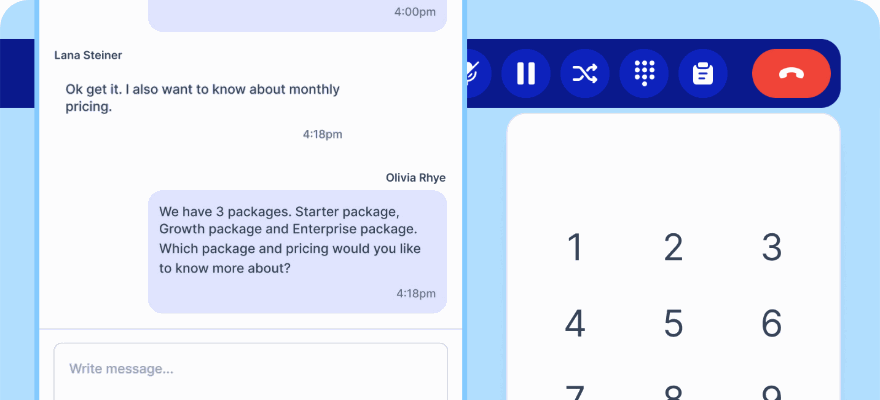
AI-powered self-service portals are changing that reality. These systems allow customers to solve issues instantly, 24/7, without losing the accuracy, personalization, or human-level quality they expect. Instead of digging through articles, customers can chat, ask questions naturally, get guided steps, retrieve account information, and resolve issues at lightning speed — all driven by intelligent automation.
The core reason traditional portals fail is simple: they aren’t designed around the customer. They lack context, personalization, and modern search functions — so customers bounce. And each bounce becomes a ticket, costing your business time, money, and resources. AI eliminates that burden by turning self-service into a seamless, smart, human-like experience.
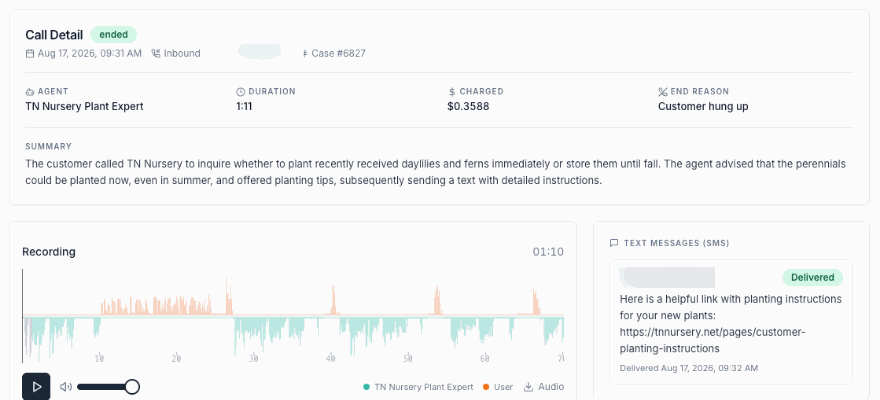
AI-powered portals work by absorbing your knowledge base, product documentation, policies, and real customer conversations. They learn patterns, predict what users need, and present solutions that are actually relevant. When a customer asks, “Why was my invoice higher this month?” the AI doesn’t show generic billing articles. Instead, it checks the account, analyzes usage patterns, identifies billing changes, and replies with a personalized explanation — instantly.
This level of intelligence transforms both sides of customer service:
For customers:
- Faster, frictionless resolutions
- 24/7 access across channels
- Personalized answers tailored to their account
- Step-by-step interactive guidance
- Zero need to repeat information
For businesses:
- Significant reduction in ticket volume
- Lower operational costs
- More consistent responses
- Higher CSAT
- Human agents freed for complex cases
- Scalable support without growing headcount
Companies adopting AI self-service report dramatic results — some achieving up to 80% automation coverage and response times under two seconds. You can see real examples of this transformation in action here:
👉 https://www.klink.cloud/post/how-shopify-stores-use-kai-ai-agent-to-automate-80-of-customer-inquiries
👉 https://www.klink.cloud/post/from-chatbot-to-revenue-engine-kai-ai-agent-for-shopify-explained
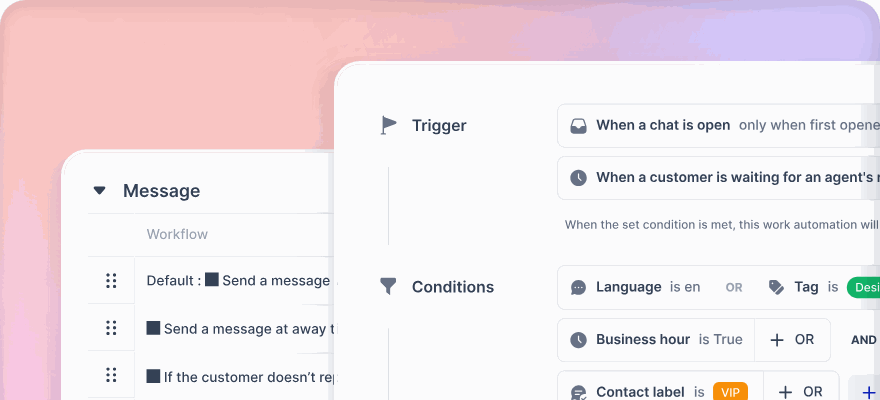
A modern AI-driven portal includes intelligent search, conversational interfaces, workflow automation, real-time data retrieval, proactive suggestions, multilingual support, and seamless fallback to human agents when needed. Instead of pushing articles, it solves problems. Instead of forcing navigation, it guides users. Instead of guessing, it understands.
Putting this into action doesn’t have to be complicated. Start by identifying your top repetitive questions — order status, billing, account changes, onboarding, troubleshooting. Train the AI using clean documentation, review gaps, connect it to live systems like CRM or billing tools, and deploy it across your web portal, mobile app, and chat channels. Pair that with continuous monitoring, A/B testing different flows, and refining answers based on real user interactions.
Measuring success is straightforward:
- Reduced ticket volume
- Increased self-service resolution rate
- Lower cost per contact
- Faster time-to-resolution
- Higher customer satisfaction
- Improved agent efficiency
Over time, the portal gets smarter. It learns from interactions, identifies common patterns, and even suggests improvements to your articles or workflows. Eventually, customers rely on it as the fastest and easiest path to help — and your business benefits from smoother operations and leaner support teams.
If you’re moving toward a more efficient customer experience, AI-powered self-service isn’t just a nice-to-have — it’s the new standard. Customers want autonomy. Businesses want scalability. AI bridges both.
To explore how AI agents and automation can elevate your self-service strategy, you can book a demo here:
👉 https://www.klink.cloud/book-demo
AI doesn’t replace your support team — it empowers your customers and your agents simultaneously. It gives customers the autonomy they love, without any drop in service quality. The sooner your business adopts intelligent self-service, the faster you’ll see improvements in satisfaction, retention, and efficiency.
FAQ
Does AI self-service replace human support?
No. It handles predictable, repetitive issues so humans can focus on complex or emotionally sensitive cases.
How accurate are AI-powered answers?
They rely on your verified documentation, past conversations, and real-time data — ensuring consistent, up-to-date responses.
Will customers actually use it?
Yes. Studies show customers prefer self-service when it’s fast and accurate. Adoption increases when AI responses feel human and helpful.
Can AI self-service work for small teams?
Absolutely. Smaller teams benefit even more because automation dramatically reduces workload and cost.
How long to see results?
Most organizations see significant drops in ticket volume within weeks of deployment.