
Beyond Chatbots: How Generative AI Is Powering Real Conversational Agents in 2025
Many companies think having a chatbot on the website checks the “digital customer service” box — but in 2025, that’s barely scratching the surface. Traditional chatbots are limited: they follow rigid scripts, they don’t remember context, and they struggle with nuance. As a result, customers often hit dead-ends and human agents get bogged down in repetitive follow-ups.
Now imagine a customer reaching out at midnight for a billing question, and instead of a mechanical reply — they get a helpful, conversational assistant that understands their history, picks the right tone, and even resolves the issue or escalates it smartly. That’s what modern conversational agents powered by generative AI deliver. According to recent industry research, 54% of organizations have deployed generative-AI tools in customer service use cases already. IBM+1
Generative AI is not just the next step — it’s a leap forward. Tools using it can reduce average handling times, improve resolution rates, and dramatically raise customer satisfaction. BCG Global+2Smallest.ai+2
If your brand still relies on basic chatbots, this is the moment to upgrade. Here’s how generative-AI conversational agents are redefining customer service — and how to get started.
What Generative AI Conversational Agents Actually Are
Generative AI conversational agents are not “chatbots on steroids.” They combine natural-language understanding (NLU), context awareness, machine learning, and data integration to carry out human-like conversations — across chat, voice, email — and deliver meaningful outcomes.
Unlike scripted bots, they:
- Understand intent and nuance, not just keywords
- Remember context between turns — or even across multiple interactions
- Pull real data: customer history, account info, purchase history — to personalize responses
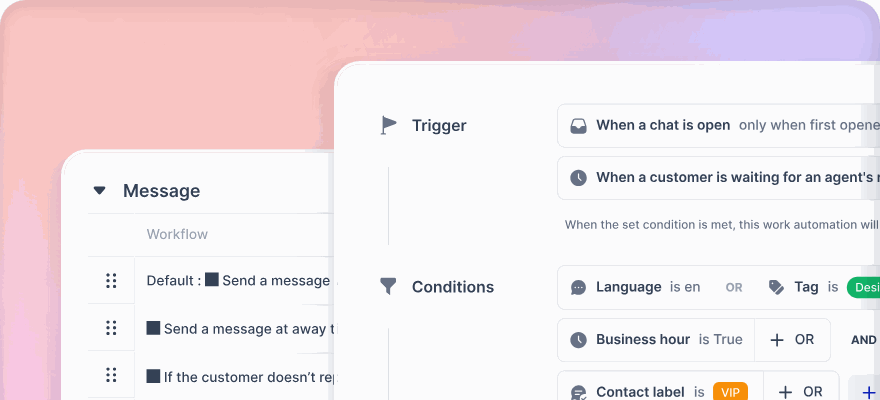
- Make real-time decisions: whether to answer directly, trigger a workflow (ticket creation, scheduling), or escalate to a human agent
- Adapt and improve over time via learning from past interactions and feedback IBM+2PwC+2
In practical terms: they are virtual empathetic assistants that feel human, act contextually, and link to real backend systems.
Why They’re a Game-Changer (Not Just a “Nice to Have”)
1. Faster, Smarter Customer Interactions
Generative-AI agents shrink average handling time (AHT) significantly. In one case study, contact centers saw ~280 seconds saved per chat, translating to tens of thousands of hours of agent time saved quarterly. BCG Global
They also handle a growing portion of routine and mid-level tasks autonomously — from FAQs to billing queries, refund status checks, order tracking — so human agents can focus on complex or sensitive issues. Smallest.ai+1
2. Higher Automation + More Personalization
Traditional automation trades personalization for scale — generative AI does both. Because these agents reference actual customer data, they can:
- Greet returning customers by name, recall past orders or issues
- Promote relevant products or solutions based on history
- Offer faster, more accurate help across channels
This results in smoother, more coherent CX that feels human — not mechanical. Ema+1
3. Reduced Costs & Scalability
By automating common interactions, companies can drastically reduce workload on human agents, reduce staffing pressure, and scale support without proportional human-headcount increases. Smallest.ai+1
Some adopters report up to 35% increase in agent productivity and notable reductions in support cost. Sobot+1
4. Consistency, Reliability and 24/7 Availability
AI-powered agents don’t get tired or vary in mood. They provide consistent quality, correct answers — even outside office hours. This ensures global customers get smooth support anytime. Ema+1
5. Better Agent Experience & Lower Turnover
Rather than being stuck with repetitive, low-value tasks, human agents get to focus on complex issues needing empathy or judgment. This elevates their role, reduces burnout, and improves job satisfaction. LinkedIn+1
Common Use Cases in 2025
- Tier-1 self-service: Password resets, billing inquiries, order status, return requests — handled automatically. Smallest.ai+1
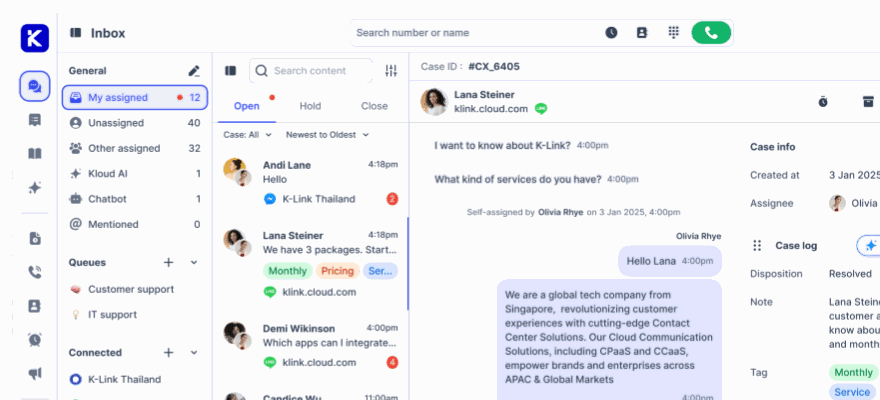
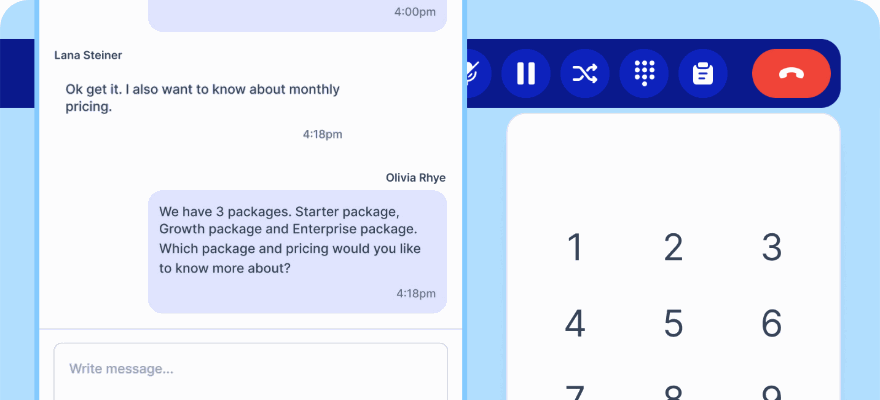
- Live-agent assist: While an agent chats or talks with a customer, the AI surfaces relevant knowledge-base articles and suggests responses in real time. This reduces response latency and improves quality. IBM+1
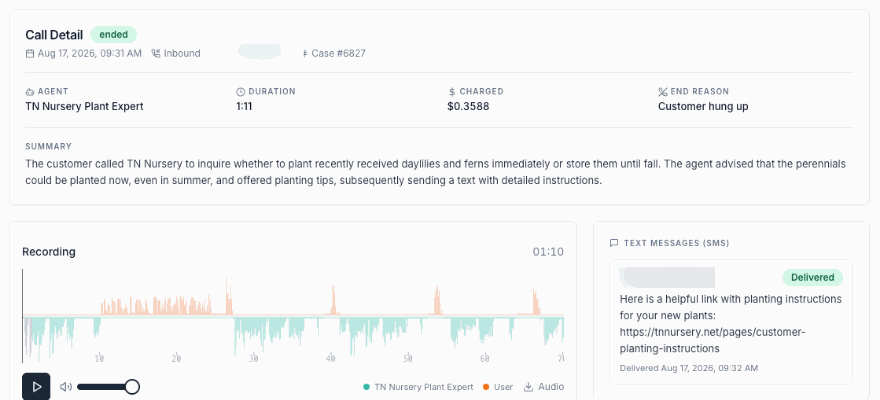
- Post-interaction work automation: After a call or chat, AI auto-generates summaries, tags intents, updates backend systems, or creates follow-up tasks — saving human agents time. Smallest.ai+1
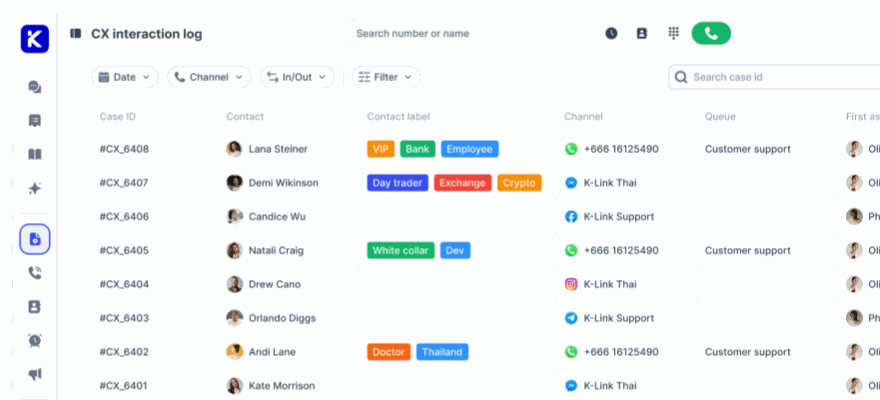
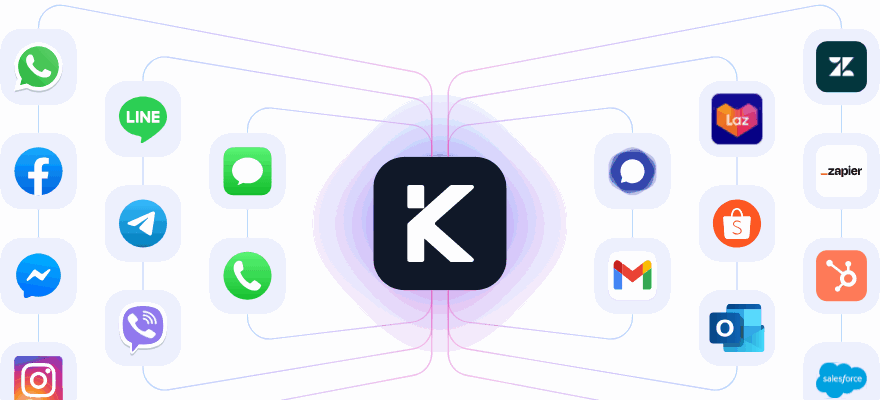
- Omnichannel continuity: A customer could begin on chat, shift to voice, then email — yet AI ensures context and history stay consistent. cmofirst+1
- Proactive outreach & predictive support: By analyzing behavior and sentiment data, AI agents flag churn risks or repetitive issues — then trigger proactive outreach or interventions. Brookings+1
How to Get Generative AI Agents Working for You — The Practical Steps
- Map your workflows — list common customer journeys (ordering, support, returns, FAQs) and identify high-volume or repetitive tasks.
- Audit your data & systems — ensure your CRM, order systems, ticketing, knowledge base are integrated or easily connectable. Quality data is key.
- Choose a generative-AI platform — one that supports natural language, integrates with your backend systems, and offers customizable workflows and escalation logic.
- Pilot intelligently — start with one channel or use-case (e.g. chat support for billing enquiries) to test performance, gather customer feedback, iterate.
- Define success metrics — e.g. average handling time (AHT), first-contact resolution (FCR), customer satisfaction (CSAT), agent load, self-service adoption rate.
- Train staff and set expectations — explain that AI agents are there to assist, not replace. Train human agents to handle escalations, empathy-heavy requests, or edge cases.
- Scale & optimize — expand to other channels (voice, email), add more complex tasks, continuously monitor performance, refine prompts, data integration, and governance.
What to Expect — Real Results & Metrics from Early Adopters
- Organizations using generative-AI agents report up to 35% better agent productivity, especially among newer or less experienced staff. Sobot+1
- AHT reductions of 20–35% are common once AI handles standard queries, summarization, and routing. Smallest.ai+1
- Customer satisfaction, as measured by faster response times and consistent quality, improves significantly. Sobot+1
- Scalability becomes achievable — support capacity can surge for product launches or peak seasons without matching headcount growth. cmofirst+1
In short: smoother customer journeys, lower cost per contact, and happier agents — a win for everyone.
Bonus: Resources & Further Reading
- How Shopify Stores Use KAI AI Agent to Automate 80% of Customer Inquiries
- From Chatbot to Revenue Engine: KAI AI Agent for Shopify Explained
- Book a Demo with Klink.Cloud
These links illustrate how real companies are already leveraging generative-AI agents to drive efficiency, scale and customer satisfaction — and how you can too.
Generative-AI powered conversational agents are no longer futuristic experiments — they’re practical, high-impact technologies reshaping how businesses engage with customers. If your support still relies on outdated chatbots or reactive ticketing systems — now is the time to evolve.
Start small. Pick one common support use-case. Run a pilot. Measure the impact. Then scale. Because in 2025, real conversational agents aren’t just a competitive advantage — they’re table stakes.