



Revolutionizing Call Centers: The Role of Artificial Intelligence in 2024
Revolutionizing Call Centers: The Role of Artificial Intelligence in 2024
Call centers are the heart of customer service, handling inquiries, resolving issues, and ensuring customer satisfaction. In 2024, Artificial Intelligence (AI) is revolutionizing call center operations by enhancing efficiency, reducing costs, and improving the overall customer experience. Let’s dive into how AI is transforming the industry.
What is AI in Call Centers?
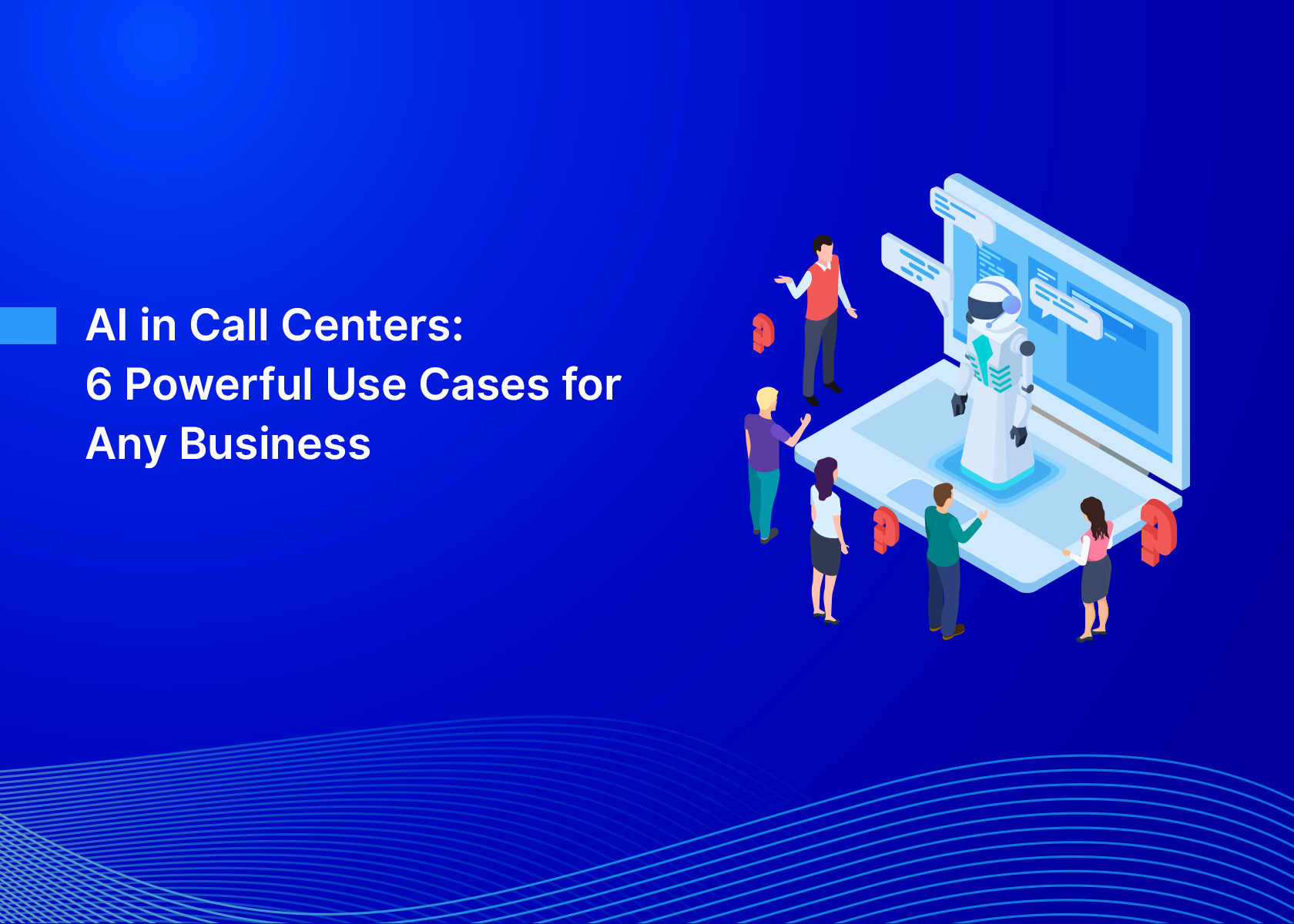
AI in call centers refers to the integration of intelligent algorithms and technologies that automate processes, provide actionable insights, and empower agents to deliver superior service. From chatbots to predictive analytics, AI is reshaping traditional operations.
Key Applications of AI in Call Centers
1. AI-Powered Chatbots for Instant Responses
AI chatbots handle routine inquiries 24/7, reducing wait times and freeing agents to focus on complex issues. Platforms like Zendesk and Ada use AI chatbots for seamless omnichannel support.
👉 Explore Zendesk at Zendesk.com.
2. Predictive Call Routing
AI uses customer data to route calls to the most suitable agent, ensuring faster resolutions. Predictive routing minimizes transfers and enhances customer satisfaction.
3. Sentiment Analysis for Real-Time Insights
AI analyzes the tone and sentiment of customer conversations, enabling agents to adjust their responses. This feature ensures a more empathetic and personalized interaction.
4. Virtual Assistants for Agent Support
Virtual assistants equipped with AI provide real-time suggestions and access to knowledge bases, helping agents resolve queries efficiently.
5. Voice Recognition and Natural Language Processing (NLP)
Voice recognition and NLP technologies enable AI to understand and process customer queries in real time, offering accurate responses without human intervention.
The Benefits of AI in Call Centers
1. Enhanced Customer Experience
AI reduces response times, personalizes interactions, and ensures consistent support across all channels.
2. Increased Efficiency and Cost Savings
Automating repetitive tasks and optimizing workflows reduce operational costs while boosting productivity.
3. Improved Employee Satisfaction
With AI handling mundane tasks, agents can focus on meaningful interactions, leading to higher job satisfaction.
4. Data-Driven Decision Making
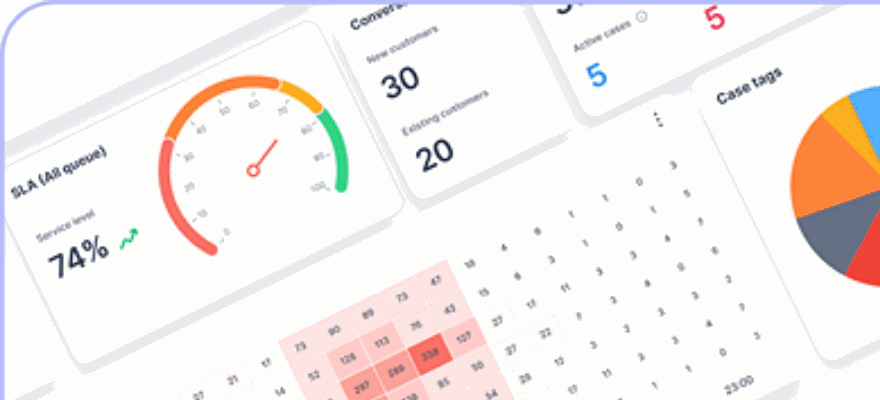
AI provides detailed analytics on customer behavior and agent performance, helping managers make informed decisions.
Challenges of Implementing AI in Call Centers
1. High Initial Investment
Implementing AI solutions requires a significant upfront cost for technology and training. However, the long-term benefits often outweigh these expenses.
2. Data Privacy Concerns
Handling customer data responsibly is crucial. Companies must ensure compliance with data protection regulations.
3. Integration with Existing Systems
Seamless integration with legacy systems can be complex but is essential for maximizing AI's potential.
Real-World Examples of AI in Call Centers
- Amazon Connect: Offers AI-driven insights, automated workflows, and sentiment analysis for enhanced customer interactions.
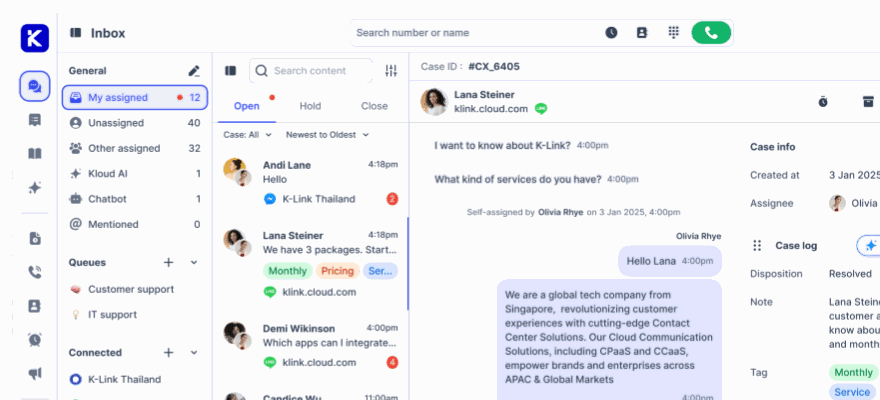
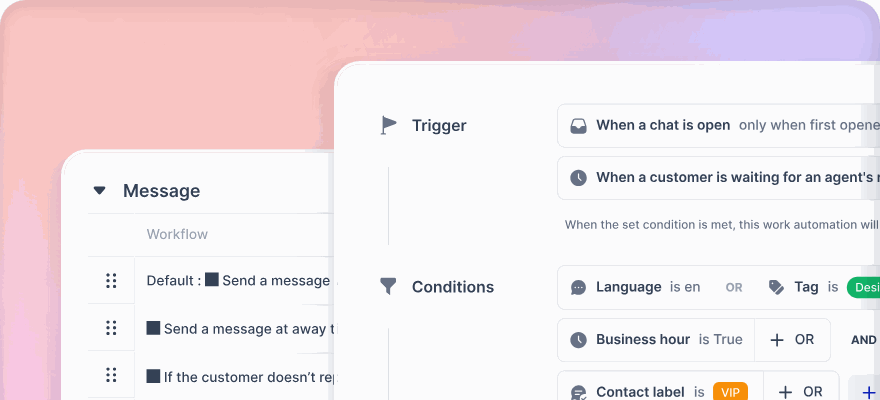
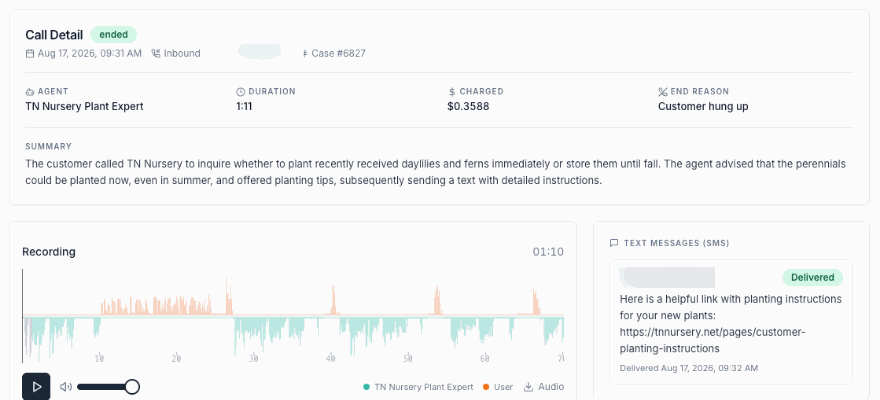
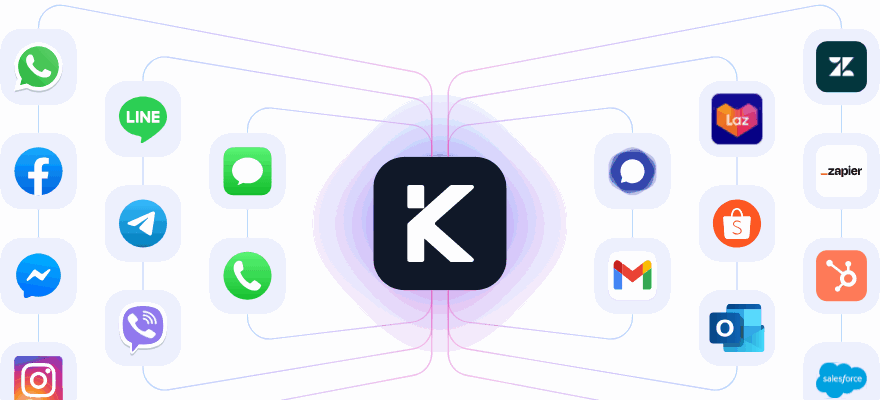
- Klink.cloud: An omnichannel platform that integrates AI for automated ticketing, chatbot support, and data analysis. Learn more at Klink.cloud.
Future Trends in AI for Call Centers
- Hyper-Personalization: Using AI to create ultra-specific customer journeys based on real-time data.
- AI-Driven Coaching: Automated feedback and training tools to enhance agent performance.
- Multilingual Support: Advanced NLP to handle conversations in various languages seamlessly.
Artificial Intelligence is not just an add-on but a cornerstone of modern call centers. Businesses adopting AI stand to gain a competitive edge, delivering faster, more personalized, and efficient customer service. With its transformative potential, AI is poised to redefine the call center landscape in 2024 and beyond.