Shift Management and Staff Scheduling: A Complete Guide for Business Efficiency
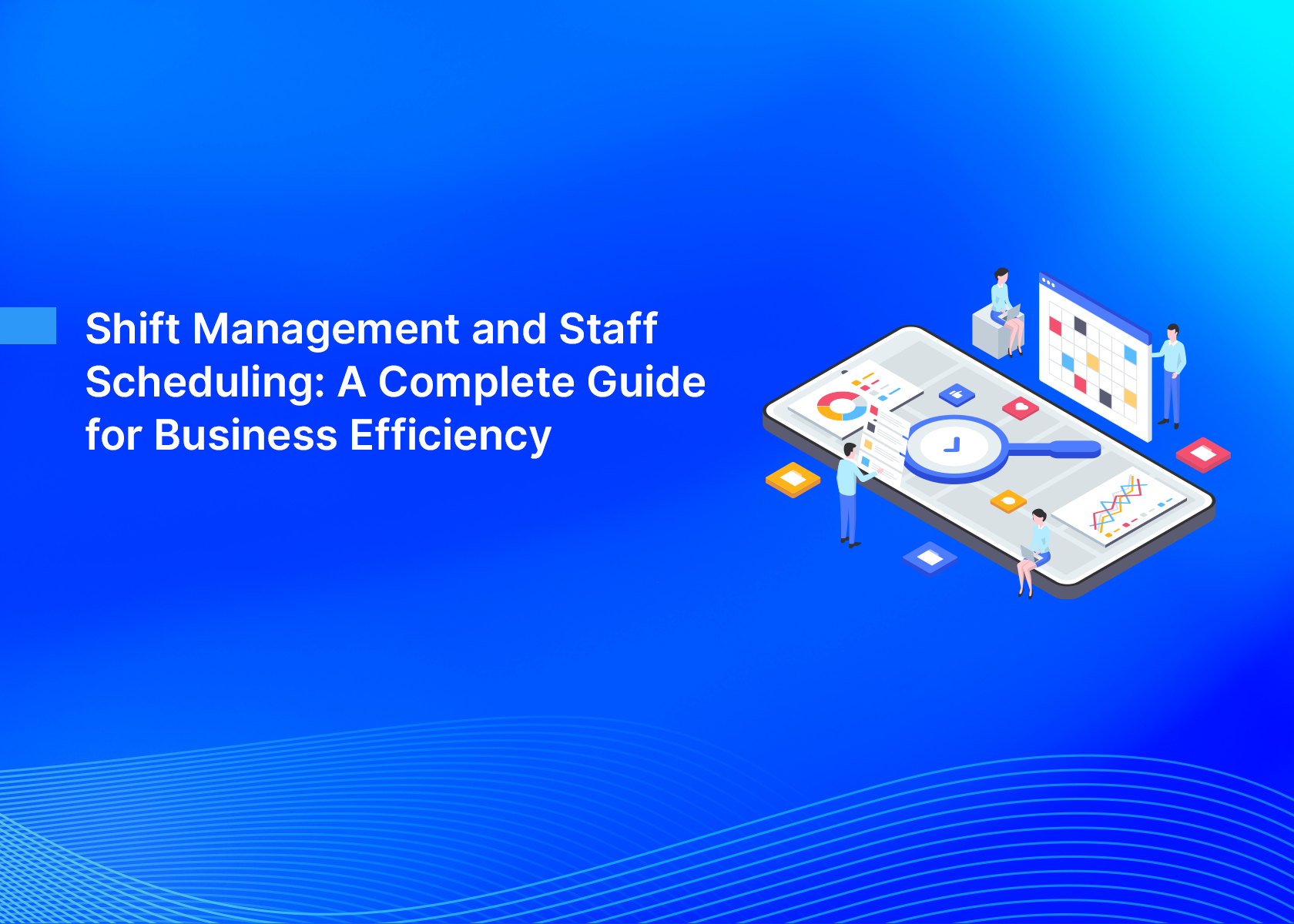
Effective shift management and staff scheduling are crucial for businesses across industries, from retail and healthcare to hospitality and contact centers. Poor scheduling can lead to understaffing, burnout, and lost productivity, while a well-planned schedule improves efficiency, reduces labor costs, and enhances employee satisfaction.
In this guide, we'll explore the importance of shift scheduling, best practices, modern solutions, and how to overcome common challenges.
Why Shift Management and Staff Scheduling Matter
In today’s fast-paced business world, efficient workforce management is no longer an option—it’s a necessity. Poor shift scheduling can cause:
- Overstaffing, leading to increased labor costs
- Understaffing, resulting in poor customer service and overworked employees
- High turnover rates due to unpredictable or unfair schedules
- Compliance risks, especially with labor laws and overtime regulations
A well-optimized shift schedule ensures the right employees are working at the right time, balancing business demands with employee satisfaction.
Key Statistics on Staff Scheduling
- 52% of hourly workers have experienced last-minute shift changes, affecting their work-life balance【Workforce Institute】.
- Businesses that use automated scheduling software reduce time spent on shift planning by up to 80%【Aberdeen Group】.
- Retailers and restaurants can cut labor costs by up to 20% with optimized scheduling【McKinsey】.
- Companies with flexible scheduling policies see a 25% boost in employee retention【Forbes】.
Best Practices for Efficient Shift Management
1. Understand Workforce Needs
Before creating a schedule, analyze:
- Peak business hours
- Employee availability
- Seasonal demand fluctuations
- Overtime limits
For example, a call center might see higher call volumes during evenings and weekends, requiring more staff at those times.
2. Use Employee Scheduling Software
Traditional scheduling via spreadsheets is outdated and prone to errors. Workforce management software automates shift assignments, tracks employee availability, and ensures labor law compliance.
🔹 Top Scheduling Software:
- When I Work – Ideal for small businesses
- Deputy – Great for shift swapping and automation
- Kronos (UKG) – Best for large enterprises
These tools reduce human error, improve efficiency, and allow real-time schedule updates.
3. Involve Employees in Scheduling
Employee engagement improves when they have input into their work schedules. Consider:
✔️ Allowing employees to set availability preferences
✔️ Offering self-service shift swaps
✔️ Using AI-driven forecasting to predict staffing needs
According to a Harvard Business Review study, businesses that provide predictable schedules see a 7% increase in productivity.
4. Implement Fair Shift Distribution
To maintain morale and prevent burnout:
- Rotate weekend and holiday shifts fairly
- Prevent excessive back-to-back shifts
- Offer consistent schedules for work-life balance
Unfair scheduling is a major reason 30% of hourly workers leave their jobs within six months【CNBC】.
5. Monitor Overtime and Compliance
Labor laws vary by country and state. Automated scheduling software can help businesses stay compliant with:
- Maximum weekly work hours
- Overtime pay requirements
- Break and rest period regulations
For example, in the U.S., employees must receive overtime pay (1.5x normal rate) if they work over 40 hours per week under the Fair Labor Standards Act (FLSA).
6. Use AI and Data Analytics
AI-driven scheduling tools use historical data to predict staffing needs. This reduces last-minute scheduling changes and improves operational efficiency.
🔹 Example: AI-based demand forecasting at Starbucks reduced labor costs by 10% while improving customer service【Forbes】.
7. Plan for Absences and Emergencies
Unplanned absences can disrupt business operations. To mitigate this:
✔️ Maintain a list of on-call employees
✔️ Allow employees to swap shifts
✔️ Use automated alerts to notify managers of staffing gaps
A robust contingency plan ensures smooth operations even when unexpected absences occur.
Challenges in Staff Scheduling (and How to Solve Them)
1. Last-Minute Schedule Changes
❌ Problem: Sudden shift cancellations create operational gaps.
✅ Solution: Implement real-time scheduling software and enable shift swapping among employees.
2. Managing Part-Time and Full-Time Employees
❌ Problem: Balancing workloads between full-time and part-time employees can be tricky.
✅ Solution: Use flexible scheduling tools that allow different shift lengths while maintaining fairness.
3. High Employee Turnover
❌ Problem: Unstable work schedules increase dissatisfaction, leading to high turnover.
✅ Solution: Provide consistent and transparent schedules and allow employees to set shift preferences.
4. Compliance Risks
❌ Problem: Non-compliance with labor laws leads to penalties and lawsuits.
✅ Solution: Use scheduling software that tracks overtime, rest breaks, and labor laws automatically.
Benefits of a Strong Shift Management System
A well-optimized shift management system leads to:
✔️ Higher Productivity: Employees work at peak efficiency with properly balanced schedules.
✔️ Reduced Labor Costs: Smart scheduling prevents overstaffing and unnecessary overtime.
✔️ Better Employee Satisfaction: Workers with predictable schedules experience less stress and higher morale.
✔️ Stronger Customer Service: Well-staffed teams lead to faster response times and improved service quality.
✔️ Improved Retention Rates: Flexible and fair scheduling reduces employee turnover.
How Shift Scheduling Software Can Help
🔹 Top Features to Look For:
1️⃣ Automated Scheduling: AI-driven shift allocation
2️⃣ Real-Time Notifications: Instant updates on shift changes
3️⃣ Shift Swapping: Employee-driven shift exchanges
4️⃣ Overtime Management: Alerts for excessive work hours
5️⃣ Payroll Integration: Seamless tracking of worked hours
Popular Scheduling Tools for Businesses:
- Humanity: AI-driven scheduling with forecasting
- 7shifts: Great for restaurants and hospitality
- Homebase: Best for small businesses
The Future of Staff Scheduling
As AI and automation evolve, shift scheduling will become more precise and data-driven. Trends to watch:
🔹 Predictive Workforce Analytics: AI models forecasting staffing needs in real-time
🔹 Mobile-First Scheduling: Employees managing shifts via smartphone apps
🔹 Biometric Clock-In Systems: Prevents time theft and ensures compliance
A McKinsey report predicts AI-powered scheduling could increase workforce efficiency by 20% by 2030.
Final Thoughts
Effective shift management and staff scheduling are key to running a smooth operation. Businesses that leverage data-driven scheduling tools, fair policies, and AI-driven automation gain a competitive edge.
✅ Invest in automated workforce scheduling software
✅ Prioritize fair and transparent shift distribution
✅ Embrace AI-driven forecasting to optimize workforce efficiency
By implementing these best practices, businesses can reduce labor costs, boost employee satisfaction, and improve overall efficiency.
Now is the time to upgrade your shift management strategy and create a workforce scheduling system that works for everyone!