
Complete Guide to AI Customer Experience Tools

AI customer experience tools are transforming the way businesses interact with customers by automating tasks, analyzing sentiment, and predicting behavior. These tools improve response times, personalize interactions, and reduce operational costs. Key categories include:
- Chatbots and Virtual Agents: Handle routine tasks like FAQs and scheduling, offering 24/7 support and faster resolutions.
- Sentiment and Speech Analytics: Detect emotions and tone in real-time, helping prioritize urgent issues and improve service quality.
- Predictive Analytics: Anticipate customer needs, prevent churn, and optimize resource allocation.
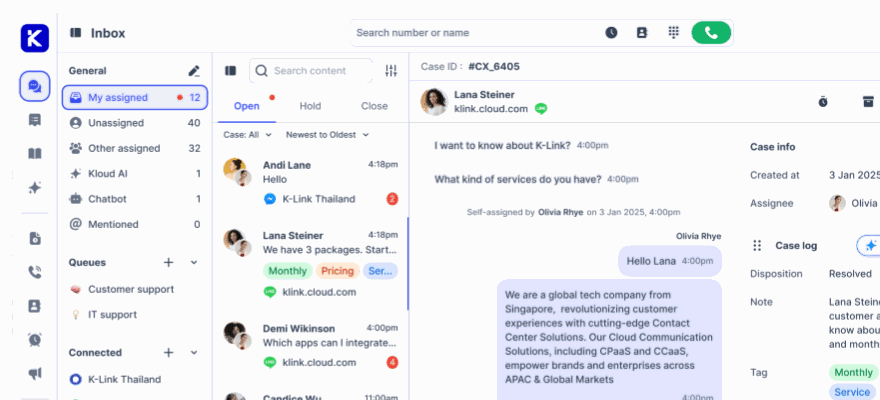
Platforms like klink.cloud integrate these tools into a unified system, enabling seamless management of customer interactions across channels like email, voice, and social media. By combining automation with human expertise, businesses can enhance efficiency, reduce costs, and boost customer satisfaction.
Quick Takeaway: To get started, identify your key challenges (e.g., reducing response times or improving retention), choose tools that align with your needs, and integrate them with your existing systems for the best results.
Top AI Tools Transforming Customer Experience (CX) in 2025 | Chatbots, Predictive Analytics, CRM AI
Main Types of AI Customer Experience Tools
Three Main Types of AI Customer Experience Tools and Their Key Benefits
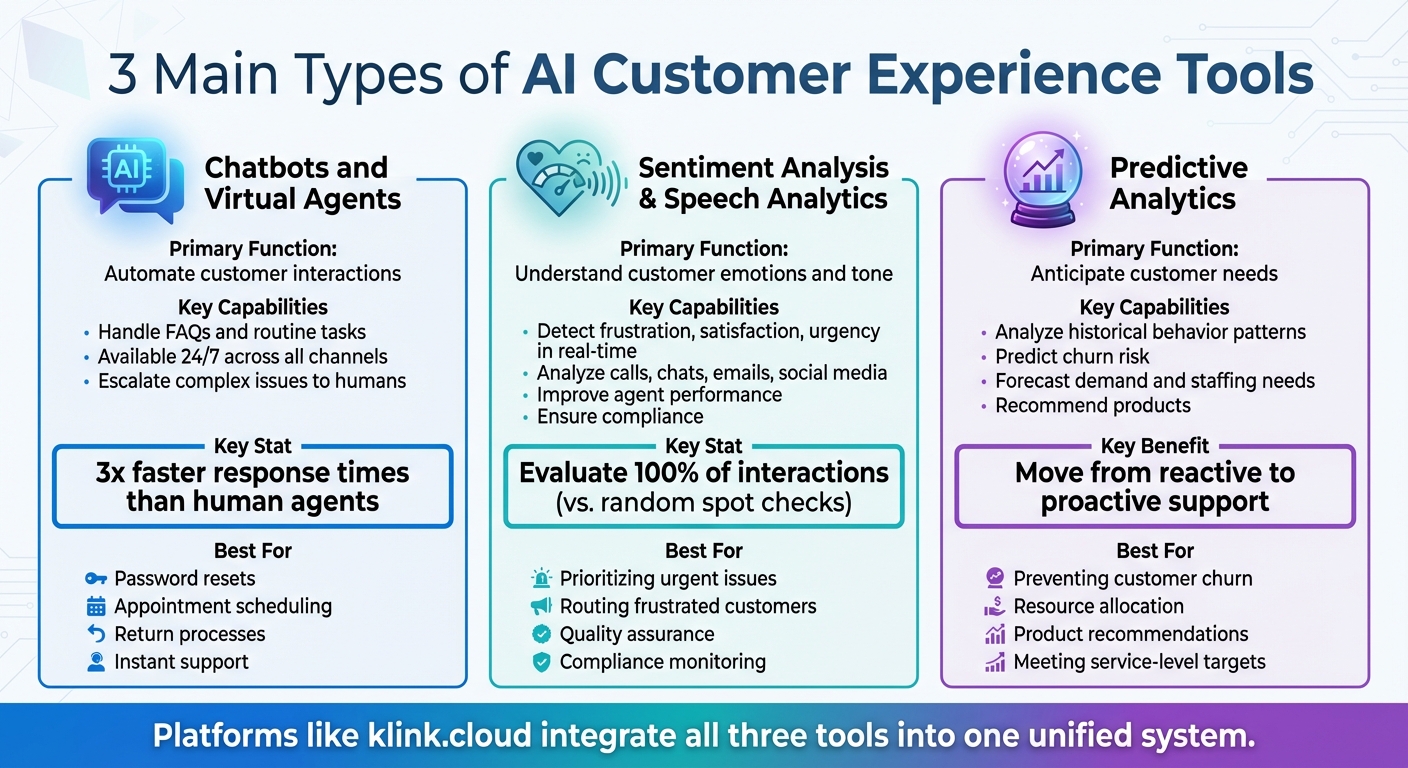
AI tools designed for customer experience generally fall into three main categories. Each one focuses on a specific aspect of managing customer interactions: chatbots and virtual agents handle direct communication, sentiment analysis and speech analytics assess emotional tone during interactions, and predictive analytics forecasts customer behavior to enable proactive support. Let’s break down how these tools work and the value they bring.
Chatbots and Virtual Agents
Chatbots and virtual agents automate customer interactions across various channels, including web chat, SMS, voice, email, social media, and messaging apps. They’re excellent at managing routine tasks like answering FAQs, prioritizing requests, and providing instant support - all without needing human involvement. Tasks like password resets, return processes, or appointment scheduling can often be handled entirely by these tools. For more complex or personalized needs, they can escalate the issue to a human agent.
Here’s a key advantage: AI chatbots respond three times faster than human agents. That means shorter wait times and happier customers. Plus, they’re available 24/7, ensuring customers get help no matter the time or their location. This also frees up human agents to focus on more nuanced issues that require emotional intelligence or specialized expertise.
Virtual agents take it a step further by using conversational AI to mimic natural, human-like interactions. They keep track of context and adapt their responses to provide a more personalized experience. Platforms like klink.cloud make it easy to integrate these tools into your existing omnichannel setup, ensuring conversation history and customer data are consistent across all touchpoints.
Sentiment Analysis and Speech Analytics
Sentiment analysis and speech analytics tools are all about understanding customer emotions and tone during interactions. These tools analyze calls, chat messages, emails, and even social media posts to detect feelings like frustration, satisfaction, or urgency in real time. They’re smart enough to account for regional phrases and nuances in expression, which helps them interpret sentiment more accurately.
But it’s not just about tracking emotions. Speech analytics can also improve agent performance by identifying communication techniques that work and flagging areas where training might be needed. Additionally, these tools help ensure compliance by automatically checking conversations against regulatory and company standards. Instead of relying on random spot checks, AI can evaluate 100% of interactions, providing insights into compliance, sentiment trends, and service quality.
The sentiment data these tools provide is incredibly useful. For instance, businesses can prioritize urgent issues, route frustrated customers to more experienced agents, and uncover systemic problems that might be driving dissatisfaction. Managers can even step in during critical moments to prevent minor issues from escalating, ensuring smoother customer experiences.
Predictive Analytics for Customer Behavior
Predictive analytics takes customer support to the next level by using historical data and machine learning to anticipate customer needs. These tools analyze patterns in behavior - like purchase history, support tickets, or engagement levels - to predict what a customer might need before they even ask. This allows businesses to move from reacting to problems to proactively addressing them.
For example, predictive insights can help teams engage customers who are at risk of leaving, recommend products they’re likely to want, or plan staffing based on expected demand. In contact centers, these tools ensure service-level targets are met by forecasting call volumes and allocating resources more effectively. This helps avoid overstaffing during slow periods while still being prepared for busier times.
The benefits go beyond individual interactions. Predictive tools can identify which customers are most likely to upgrade, which groups need more support or education, and which service-related issues might lead to cancellations. By turning customer data into actionable insights, businesses can handle larger volumes of support requests while maintaining satisfaction and loyalty. When paired with platforms like klink.cloud, these tools streamline communication and resource management even further, making operations more efficient and effective.
How to Integrate AI Tools with Your Omnichannel Platform
Building Connected Customer Journeys Across Channels
To create a seamless customer experience, start by mapping interactions across channels like voice, SMS, email, and social media. Identify recurring inquiries - things like order status, billing questions, or technical issues. Assign these routine tasks to AI tools, leaving more complex or sensitive matters for your human agents.
Real-time sentiment detection plays a crucial role here. If a chatbot senses frustration, negative sentiment, or repeated requests for human help, the conversation should automatically escalate to a live agent. To make this transition smooth, ensure the customer’s interaction history, profile, and any AI-collected data transfer along with the conversation. This way, customers won’t need to repeat themselves, and agents can pick up right where the AI left off. This structured setup is key to successfully connecting your AI tools with platforms like klink.cloud.
Connecting AI Tools to klink.cloud
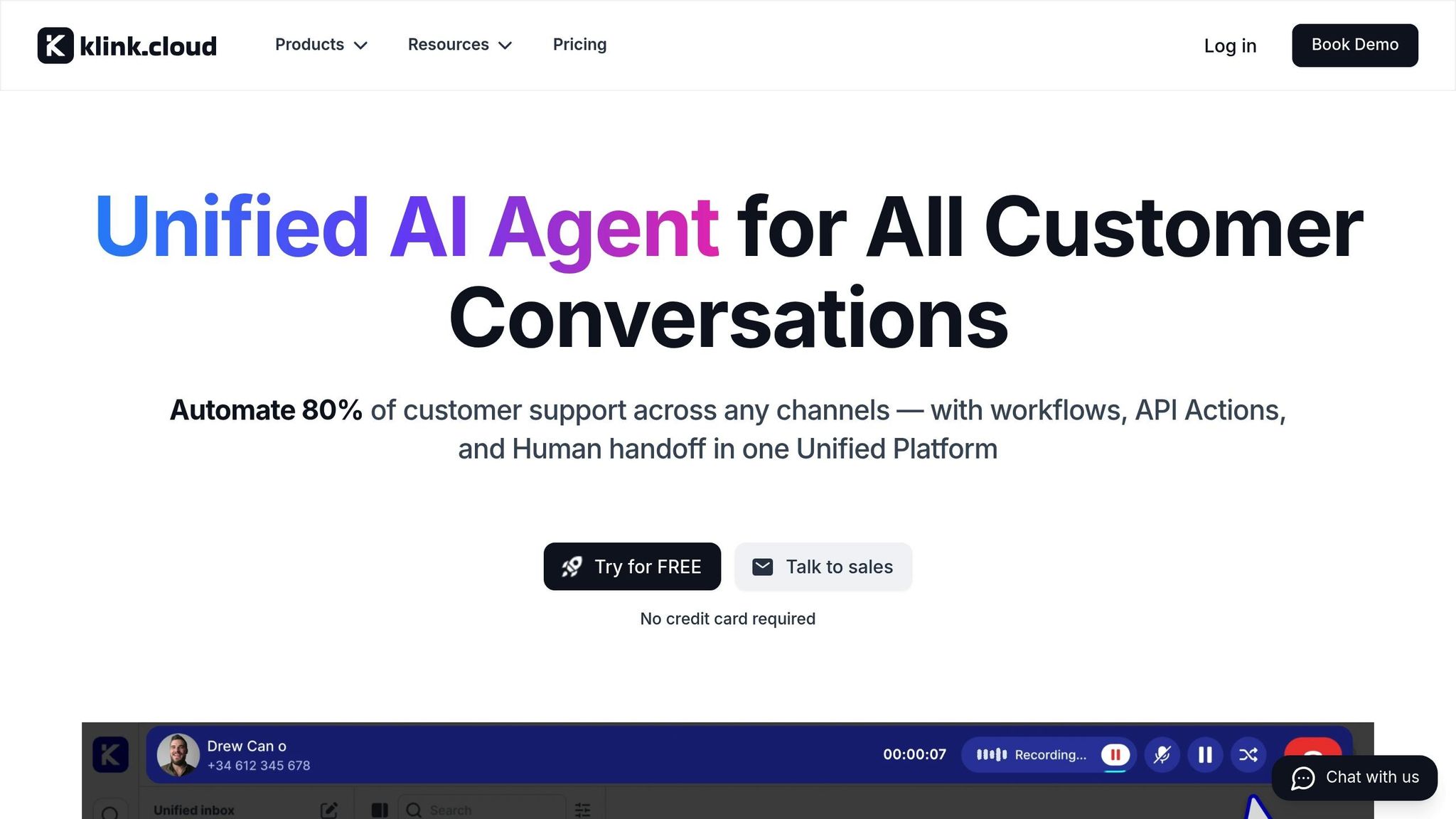
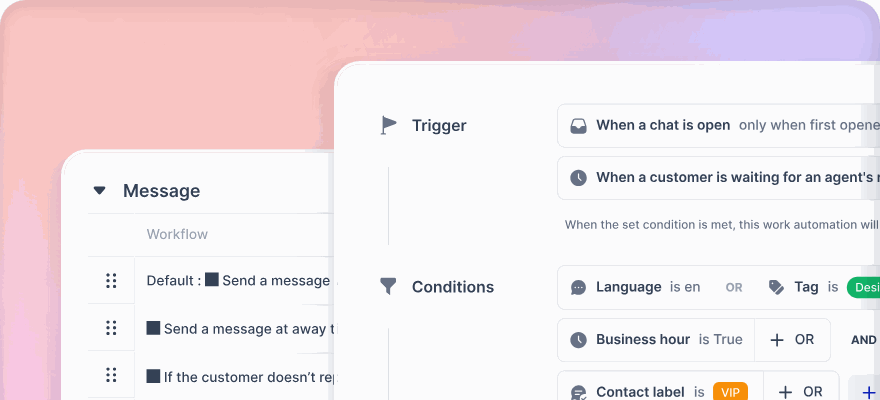
To integrate your AI tools with klink.cloud, start by activating the necessary channels in the Unified Inbox. Next, register your chatbot API or webhook and configure the required API keys or OAuth tokens. Set up routing rules so that new conversations on specific channels are automatically directed to your AI chatbot. Make exceptions for VIP customers or specific languages, ensuring personalized handling where needed.
It’s essential to map customer identifiers and conversation IDs correctly. This ensures klink.cloud can pass the right context to your AI tools and receive structured responses in return. Additionally, configure escalation triggers - like when a customer types "speak to agent" or when negative sentiment is detected - to seamlessly transfer the conversation, along with its history, to a live agent.
In 2023, a large U.S. retailer successfully integrated an AI-powered chatbot with its omnichannel platform and CRM. The bot handled tasks like order status and return requests across web, mobile, and social channels. When issues became complex or sentiment turned negative, conversations were transferred to live agents with full context. This integration boosted first-contact resolution by 35% and cut average handling time by 22%.
Once your integration is live, the next step is to monitor performance and fine-tune your AI interactions.
Tracking Performance and Improving Results
To evaluate how well your AI tools are performing, keep an eye on metrics like containment rate, first-contact resolution, average handle time, cost per contact, and customer satisfaction scores (CSAT/NPS). In U.S. contact centers, where labor costs are high, even a modest 5–10% improvement in containment can translate into significant monthly savings.
Use real-time analytics to break down these metrics by channel, intent, and interaction type - whether handled solely by AI, a mix of AI and human agents, or humans alone. This level of detail helps pinpoint where AI is excelling and where it might need adjustments. Sentiment trends can also highlight pain points in the customer journey, flag interactions for quality reviews, and signal when bot scripts need updates to improve satisfaction.
sbb-itb-204ca50
How to Choose the Right AI Customer Experience Tools
When it comes to selecting AI tools for customer experience, it’s essential to align your choices with your business needs, technical requirements, and budget. Let’s break it down step by step.
Identifying Your Goals and Use Cases
Start by clarifying the specific challenges you want to tackle. Are you aiming to reduce average handle times, improve first-contact resolution rates, or ensure consistent service quality across multiple channels? Research shows that organizations with clearly defined AI use cases experience 30-40% higher success rates in deployment, while 70% of those skipping this step fall short.
Take the time to document your most frequent customer pain points and inquiries. For instance, if your contact center is inundated with order status requests, a chatbot designed for transactional queries would be a practical solution. On the other hand, if customers often vent frustrations on social media, sentiment analysis tools should top your list.
Sony Electronics, for example, worked with NiCE to analyze 60,000 customer interactions. They found that 40% of these could be automated, leading to a minimum 15.9% containment of contacts within self-service options, which significantly improved efficiency and routing.
Focus on use cases that can deliver quick wins, such as automating appointment scheduling. Early successes not only generate ROI but also build momentum for broader AI adoption. Once you’ve outlined your goals, evaluate whether the tools under consideration have the technical capabilities to meet those needs.
Required Features and Technical Capabilities
For seamless integration, AI tools should work well with your existing systems. Look for native integrations or robust APIs that can connect to platforms like Salesforce, HubSpot, and your data warehouses with minimal customization. Smooth integration can cut deployment time by up to 50%.
Additionally, ensure the tools can handle U.S. English, regional dialects, slang, and industry-specific terms. Multi-channel support is critical - your AI solution should manage voice, SMS, email, social media, and messaging apps while maintaining context when customers switch between channels. If you’re connecting the tools to platforms like klink.cloud, confirm that the vendor provides detailed API documentation, webhook support, and options to pass customer identifiers and conversation history between systems.
Security and compliance are equally crucial. 82% of organizations prioritize data security when selecting AI tools, yet 35% encounter compliance challenges due to poor vendor vetting. Ask for certifications like SOC 2 Type 2 or ISO 27001, and verify compliance with regulations such as CCPA. Features like role-based access controls, encryption for data at rest and in transit, and detailed audit logs are must-haves.
Once you’ve ensured the tool is technically sound, the next step is evaluating its cost-effectiveness.
Calculating Costs and Return on Investment
AI tools often come with more costs than just the subscription fee. Be sure to account for setup, API access, integration, and training fees. Also, watch out for hidden expenses, such as custom development or data migration.
To calculate ROI, use concrete metrics. For example, if your contact center handles 100,000 calls per month at $5.00 per call, deflecting 20% of those calls with AI could save $100,000 monthly while improving agent productivity. Add customer retention benefits - like higher satisfaction from faster resolutions - and the value becomes even clearer.
In U.S. contact centers, where hourly labor costs range from $15 to $35, even small efficiency improvements can result in substantial savings. Pilot projects are a smart way to test the waters - 88% of organizations report higher satisfaction and 25% fewer deployment issues when running trials. Request a 30 to 90-day trial period to evaluate the tool’s performance, usability, and integration in your real-world environment before committing to a long-term contract.
Conclusion
AI-powered tools like chatbots, sentiment analysis, and predictive platforms have become essential for shaping modern customer experiences. When combined with an omnichannel strategy, these tools ensure seamless, personalized interactions across every channel - whether it’s web chat, voice calls, or social media. The results speak for themselves: organizations report productivity boosts of 20–45% for their agents, along with improvements in customer satisfaction scores (CSAT), Net Promoter Scores (NPS), and significant cost reductions.
Take Cisco Systems, for instance. After implementing AI solutions, they saw a 25% increase in customer satisfaction and a 30% drop in complaints.
The key to success lies in a well-defined strategy. Start by setting clear objectives, like reducing average handle time by 20%, deflecting 30% of Tier-1 inquiries, or improving customer retention rates. Select AI tools that fit your technical ecosystem, integrate easily with your CRM and contact center platforms, and support the channels your customers prefer. Begin with high-impact pilot projects, measure their effectiveness using targeted KPIs - such as first-contact resolution, churn rate, or revenue per customer - and refine your approach based on the data you gather. Platforms like klink.cloud can help transform these strategic plans into operational success.
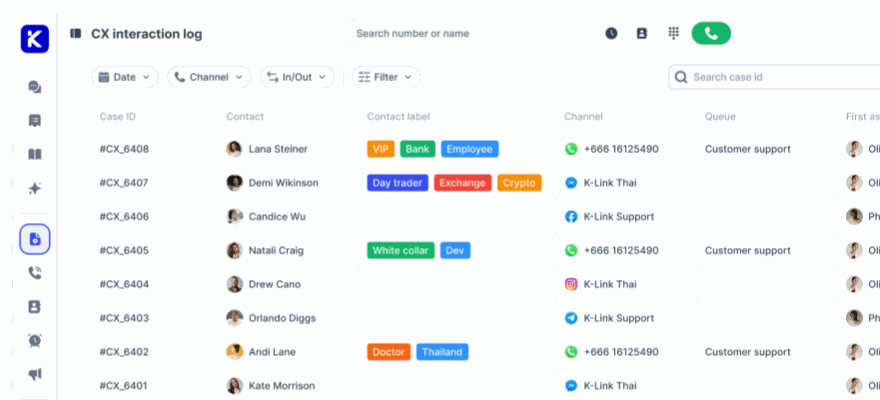
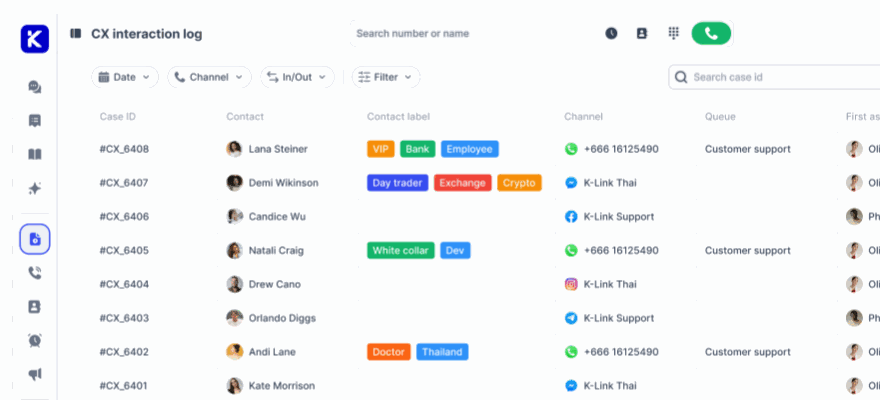
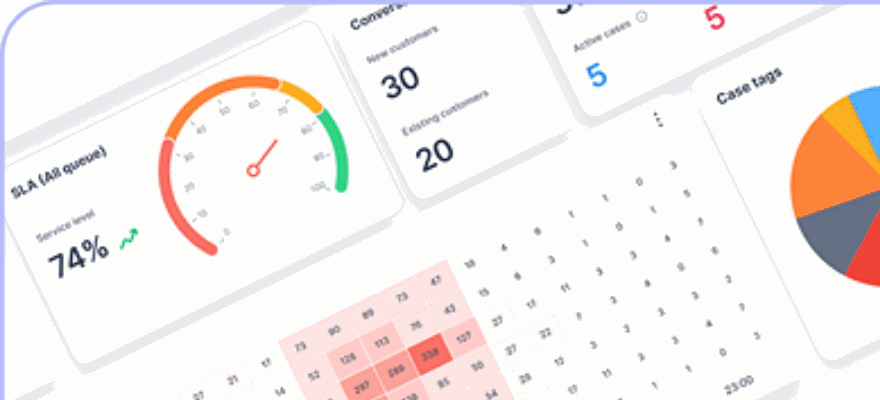
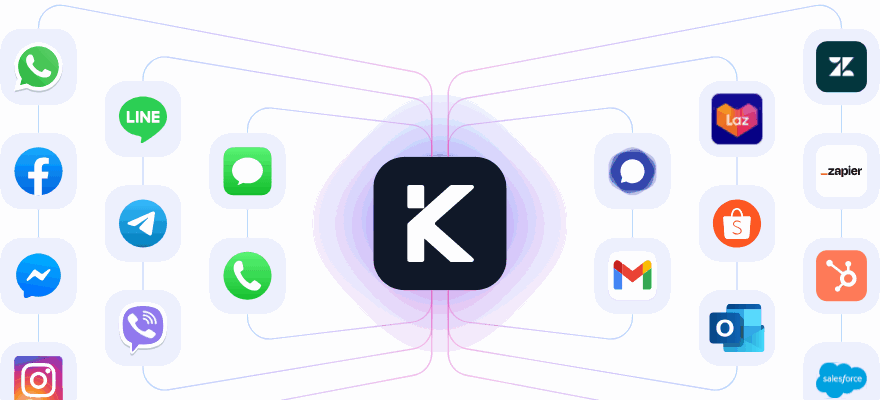
klink.cloud serves as a central hub, consolidating customer interactions across channels like phone, WhatsApp, Facebook, Telegram, email, and live chat into a Unified Inbox. This integration provides AI tools with the full context needed to deliver tailored responses. Features like automated routing - based on keywords, language, or VIP status - speed up resolutions, while real-time analytics offer a comprehensive view of every customer interaction. Companies using klink.cloud report a fivefold increase in productivity and a twofold improvement in customer satisfaction.
"Since adopting klink.cloud, we've seen a significant improvement in our response times. Our customers are happier, and our agents are more efficient than ever." – Sarah Lee, Head of Contact Center, Horizon Solutions
Looking forward, the future of customer experience will belong to those who strike the right balance between automation and human expertise. AI can handle repetitive tasks, freeing up agents to focus on more complex, high-value interactions. By aligning your AI strategy with klink.cloud’s omnichannel capabilities, you can turn small-scale pilot wins into scalable improvements that enhance both customer satisfaction and your bottom line.
FAQs
How do AI tools like chatbots help businesses respond to customers faster?
AI tools, such as chatbots, enable businesses to respond to customer inquiries instantly and at any time of day. They’re capable of managing routine questions, offering swift resolutions, and directing more complex issues to the appropriate team members - all in real-time.
By taking over repetitive tasks and cutting down on wait times, chatbots boost efficiency and ensure customers receive timely assistance. This doesn’t just keep customers happy; it also helps businesses handle a larger number of inquiries with ease.
How does sentiment analysis improve customer service?
Sentiment analysis gives businesses a way to understand how customers feel about their products, services, or interactions. By diving into customer feedback, reviews, and conversations, companies can uncover emotions such as satisfaction, frustration, or even disappointment.
This insight lets businesses act quickly to address customer needs, resolve problems efficiently, and tailor experiences to individual preferences. Over time, this can strengthen customer relationships and boost overall satisfaction levels.
How does predictive analytics help reduce customer churn?
Predictive analytics plays a key role in helping businesses cut down on customer churn by examining patterns in behavior, preferences, and sentiment. It allows companies to spot early warning signs - like reduced engagement or signs of dissatisfaction - giving them the chance to act before a customer decides to leave.
With this insight, businesses can roll out custom retention strategies. Think along the lines of personalized offers, improved communication, or stepping up their support efforts to rebuild trust and satisfaction. In short, predictive analytics gives companies the tools to address potential churn proactively, keeping customers loyal and engaged.