
AI Agent for Technical Support
AI agents are transforming technical support by automating up to 80% of customer interactions and reducing resolution times by 90%, while improving customer satisfaction by 33%. These systems provide 24/7 multilingual support, handle technical queries with precision, and integrate seamlessly with business tools. Here's what you need to know:
- Faster Response Times: AI reduces average response times from hours to just 33 seconds.
- Cost Savings: Companies like Unity saved $1.3 million by deflecting support tickets, while others cut service costs by up to 30%.
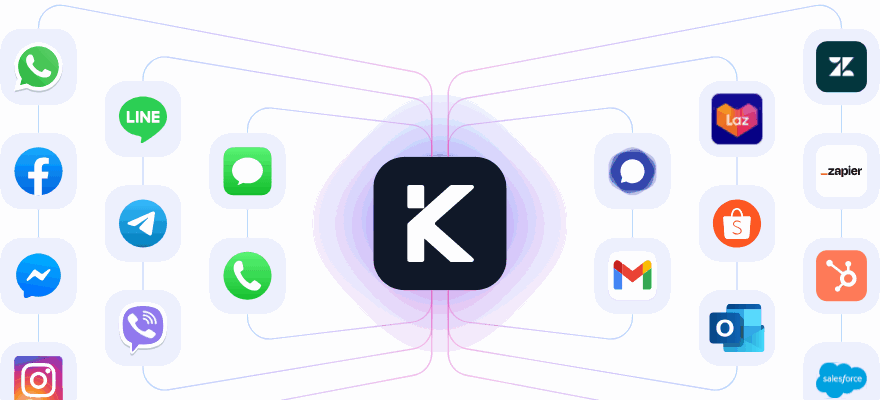
- Multi-Channel Support: AI manages email, chat, social media, and phone interactions simultaneously.
- Improved Efficiency: AI resolves up to 70% of issues and reduces agent effort by 87%.
Quick Comparison
| Metric | Traditional Methods | With AI Agents |
|---|---|---|
| Response Time | Hours | 33 seconds |
| Availability | Business hours | 24/7 |
| Languages Supported | Limited | 50+ |
| Resolution Rate | Variable | Up to 70% |
AI-powered support is not just faster; it’s smarter, offering tailored solutions and freeing human agents for complex tasks. Ready to learn how to integrate AI into your support team? Let’s dive in.
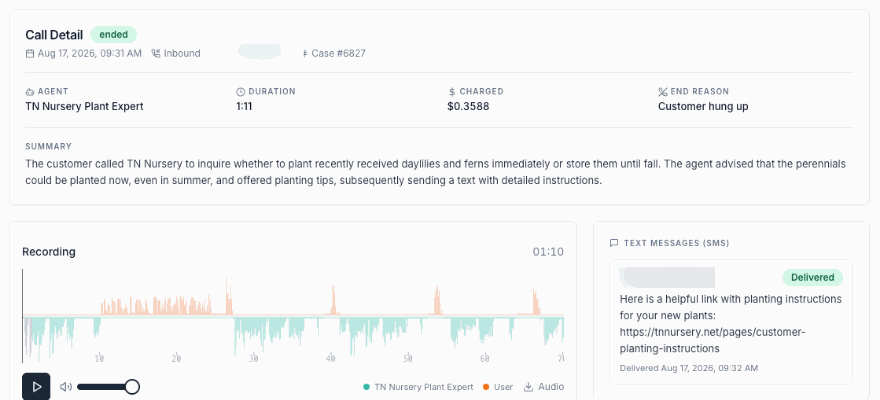
How I created AI Customer Service Agents Working 24/7 (PraisonAI Call)
Key Functions of AI Support Agents
AI support agents are transforming technical assistance, making it faster and more efficient.
Understanding Technical Questions with NLP
Natural Language Processing (NLP) has advanced significantly, with the market expected to reach $43.3 billion by 2025. For instance, American Airlines upgraded its IVR system with NLP, leading to a 5% improvement in call containment and saving millions annually. AI agents shine in areas like:
- Detecting and analyzing customer sentiment
- Interpreting technical queries across different languages
- Spotting emerging issues early
- Processing and analyzing voice calls in real time
These capabilities allow AI agents to address customer needs with precision and speed. But their effectiveness grows exponentially when they integrate with a company’s core systems.
Connecting with Business Systems
Integration with existing business systems amplifies the impact of AI agents. Many companies have already seen impressive results:
| Company | Outcome |
|---|---|
| SumUp | 23% cost savings and scalable multilingual support |
| Avid Solutions | Reduced customer onboarding time by 25% |
Through such integrations, AI agents can:
- Reset passwords and generate support tickets
- Assign issues to the appropriate departments
- Access and utilize customer history
- Connect seamlessly with CRM platforms and diagnostic tools
These connections ensure a smooth and efficient support experience for both customers and businesses.
Multi-Channel Support Delivery
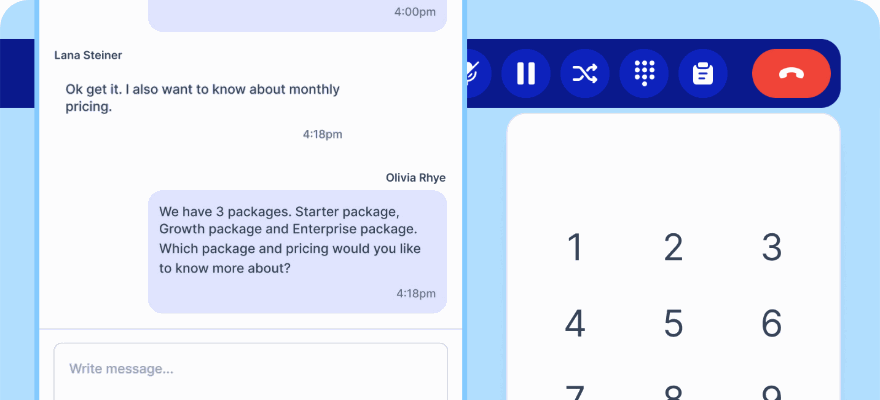
Today’s customers expect consistent support across multiple channels. AI agents meet this demand by managing interactions via email, chat, social media, and phone simultaneously. For example, The Ivy Collection implemented a multi-channel AI solution, boosting conversion rates by 20% and cutting employee attrition by 50%.
Janna Pugh, SEO Specialist at Five9, explains the process:
"AI agents analyze customer data and contextual data, applying predefined rules constrained by user-defined guardrails to deliver accurate responses––so customers always receive reliable information."
This multi-channel approach has led to a 27% increase in customer satisfaction scores and a 60% reduction in operational costs.
These key functions highlight how AI agents are becoming indispensable to modern support teams, offering smarter and more streamlined solutions.
Adding AI Agents to Support Teams
Integrating AI into support teams takes careful planning, but the benefits can be substantial. Recent studies show that companies using AI-powered virtual agents could cut customer service costs by as much as 30% by 2025.
Building AI-Ready Knowledge Bases
For AI to perform effectively, a well-structured knowledge base is essential. Ivana Suljetovic, senior frontline manager at Virgin Pulse, highlights the importance of this:
"We are investing quite a lot in our self-service options and mainly focusing on writing articles appropriately for the Zendesk AI agent to machine learn and recognize the context and content to better serve our members. Now that we have been using the AI agent for a while, it has gotten smarter at delivering just the right content for a specific query."
Here’s how to prepare your knowledge base for AI:
-
Conduct Content Audits
Regularly review your knowledge base to keep information up-to-date and relevant. Look for outdated materials and identify gaps by analyzing common support ticket themes. -
Optimize Content Structure
Write in clear, straightforward language, targeting a 7th-grade reading level. Each article should focus on a single topic and use concise, self-contained paragraphs for easy comprehension. -
Implement Performance Tracking
Use analytics to measure how well your content performs. For instance, Degreed connected their AI agent to an optimized knowledge base, resolving 400 tickets monthly and saving $1 million in the process.
Once your knowledge base is ready, the next step is selecting the right AI tools to support your team.
Choosing AI Support Tools
As many as 73% of businesses believe scaling AI adoption is critical to staying competitive over the next five years. When selecting AI tools, keep these criteria in mind:
| Selection Criteria | Key Considerations |
|---|---|
| Integration Capability | Works seamlessly with current systems via APIs |
| Security Features | Ensures data protection and privacy compliance |
| Support Quality | Offers accessible technical assistance |
| Scalability | Adapts to growing business needs |
| Cost-effectiveness | Balances ROI with ownership costs |
Here are specific features to look for:
-
Comprehensive Integration
Choose platforms that integrate smoothly into your existing systems. Jessica Hannes, director of support at Esusu, shares how Zendesk AI made a difference for her team:"Zendesk AI simplifies and eases the workflow on our agent side. The summarization feature has been a huge help, especially for onboarding new reps. It saves us the time and energy of looking through an entire thread so we can work more efficiently."
-
Performance Monitoring
Look for tools with robust analytics and tracking capabilities. For example, Rentman uses AI-powered QA analysis to maintain high CSAT scores (around 93%) while keeping response times between 60 and 70 minutes. -
Training Support
Platforms with strong training resources can make a big difference. AI-enabled customer service teams have been shown to resolve issues 44% faster and reduce time spent on calls by 45%.
Multi-Channel Support Platform Benefits
Integrating multiple communication channels can significantly impact customer retention, with businesses retaining 89% of customers when using seamless channel integration compared to those relying on limited options. This kind of integration not only enhances customer experience but also lays the groundwork for advanced automation in support workflows. Let’s explore how combining channels and automating workflows can transform support operations.
Combined Communication Channels
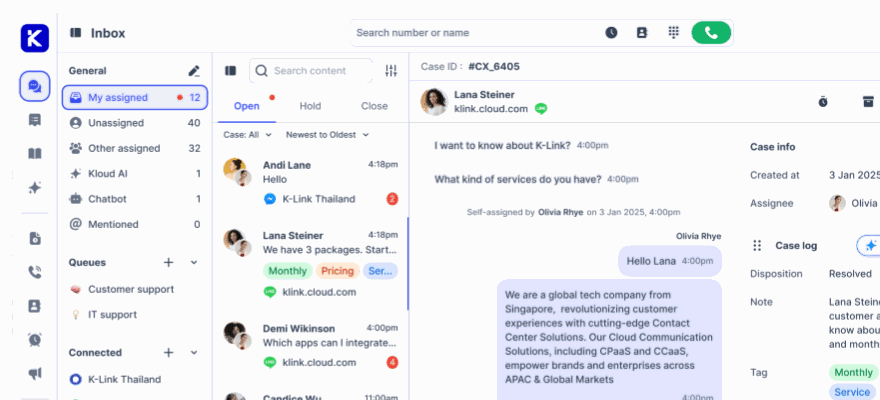
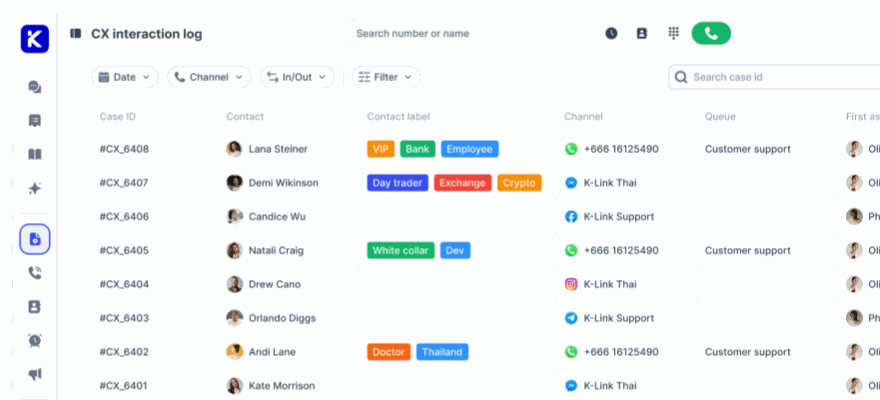
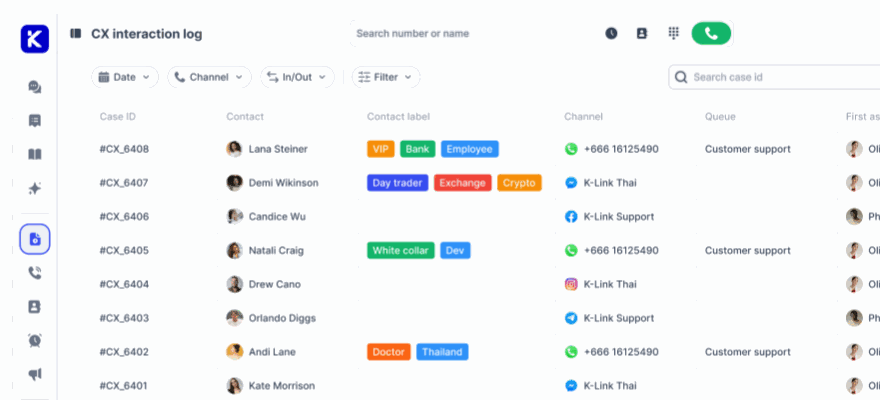
The klink.cloud platform brings together social media, email, chat, and phone into a single dashboard, ensuring conversation context and history are preserved. This allows support teams to deliver more tailored and effective service across every interaction point.
For instance, Gecko Hospitality achieved impressive results by adopting this approach:
- 90% of customer service tasks automated
- 257 new leads generated within six months
- 24/7 customer support availability
- Faster response times
By unifying communication channels, businesses can create a solid foundation for automation, enabling quicker and more consistent responses to customer needs.
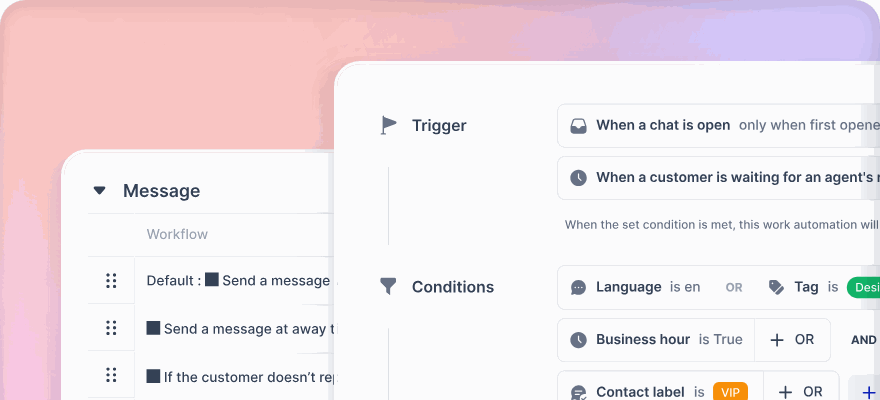
Automated Support Workflows
AI-driven automation is revolutionizing how support teams handle technical issues and customer inquiries. Here’s a look at how modern platforms streamline support processes:
| Workflow Component | Automation Benefits | Impact |
|---|---|---|
| Ticket Routing | Matches tickets to the right expertise | 37% decrease in first response times |
| Issue Resolution | Automates common issue handling | 80% of routine tasks managed automatically |
| Resource Allocation | Scales resources during peak demand | 52% faster ticket resolution |
| Cross-channel Consistency | Manages unified responses across channels | 79% customer satisfaction with consistent service |
To maximize the benefits of automation, companies need to focus on several key areas:
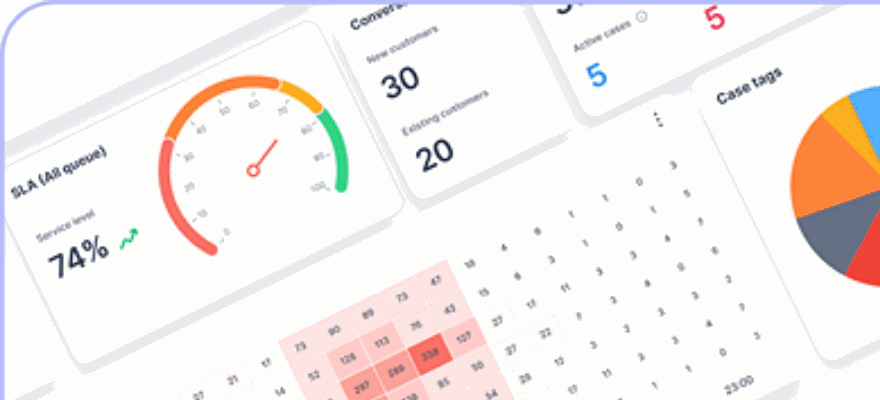
- Monitor Performance Metrics: Regularly track resolution times, customer satisfaction scores, and the effectiveness of automation.
- Improve AI Training: Continuously update AI models with new support scenarios and resolutions.
- Maintain Human Oversight: Ensure complex or sensitive issues are escalated to human agents for proper handling.
- Collect Customer Feedback: Use automated surveys to gather insights and refine the support experience.
sbb-itb-204ca50
Using Data to Improve AI Support
Data collected from various channels plays a vital role in keeping AI systems up-to-date and effective. By leveraging a data-driven approach, companies can enhance both customer satisfaction and operational efficiency.
Customer and Agent Feedback Systems
Automated tools like surveys, sentiment analysis, and quality assurance reviews help gather actionable insights to refine support processes.
| Feedback Component | Role | Impact |
|---|---|---|
| Post-interaction Surveys | Measure customer satisfaction instantly | Provides real-time insights for improvement |
| Sentiment Analysis | Identify customer emotions | 9.44% boost in CSAT scores |
| Quality Assurance Reviews | Assess support quality | Achieved an average 88% CSAT score |
The effectiveness of these feedback systems is evident in real-world examples:
"With 360-degree feedback, you can coach agents in specific areas, such as teaching them how to offer better support or educating them about the product. The feedback is peer-based and everyone is involved in the process, which helps agents become more engaged."
– Axel Keicher, customer integration lead at Rentman
Take Motel Rocks, for instance. In 2024, they implemented sentiment analysis, which not only improved customer satisfaction but also led to a 50% reduction in support tickets. While feedback is essential, keeping the AI knowledge base updated is equally critical for ensuring long-term success.
Updating AI Knowledge
Customer feedback serves as a foundation for regularly updating AI knowledge bases, enabling more accurate and efficient support. This practice has been linked to reduced ticket volumes and notable cost savings.
Some effective strategies include:
- Regular Content Audits: Ensure information is accurate and relevant.
- Performance Monitoring: Track metrics like First Response Time, CSAT, First Contact Resolution (FCR), and Average Resolution Time.
- Continuous Learning: Adapt AI systems based on evolving customer needs.
Esusu provides a compelling example of how AI-driven learning systems can streamline workflows:
"Zendesk AI simplifies and eases the workflow on our agent side. The summarization feature has been a huge help, especially for onboarding new reps. It saves us the time and energy of looking through an entire thread so we can work more efficiently."
– Jessica Hannes, director of support at Esusu
Next Steps in AI Support Technology
AI is reshaping the way technical support operates, with advancements poised to redefine industry standards. By 2025, more than half of large enterprises are expected to implement AI orchestration platforms to simplify and optimize support processes. This marks a major evolution in how organizations address technical challenges.
IoT and AI Support Integration
The integration of IoT devices with AI is enabling proactive problem-solving like never before. According to Statista, there were over 18 billion IoT devices connected in 2024, and this number is projected to skyrocket to 75 billion by 2025. This growth opens the door for automated systems to detect and address issues before they escalate.
"Organizations need to first sit down, establish realistic goals, and evaluate where AI can support their people and how it can be incorporated into their business objectives."
– Max Belov, CTO at Coherent Solutions
Tata Power provides a great example of this in action. Their IoT-AI system monitors grids and predicts energy distribution needs. By identifying potential problems early, they’ve significantly reduced downtime and the volume of support tickets.
In addition to IoT, advancements in voice technology and augmented reality (AR) are expanding the possibilities for technical support.
Voice and AR Support Tools
Voice-controlled systems and AR-based diagnostics are transforming how support teams operate. In fact, 90% of decision-makers are investing in specialized technologies, including AR tools, to boost the productivity of mobile workers.
Here’s what’s driving these changes:
-
Voice AI Enhancements
Voice interfaces now feature improved speech recognition, support for multiple languages, and even emotion detection, making interactions more seamless and effective. -
AR-Driven Support
Augmented reality overlays digital information onto real-world environments, helping technicians diagnose issues more efficiently. Already, 37% of mobile workers are using AR apps to enhance their workflows.
"We believe AI voice is not just about making interactions more natural but about fundamentally changing how we engage with technology across all aspects of life. The next generation of AI voice companies will be those that move beyond simple assistants to create deeply integrated, value-driven experiences."
– Sarah Wang, A16z Partner
Moreover, the integration of edge computing with 5G is making these tools even more effective. By processing IoT data directly on devices, systems can resolve complex technical issues with remarkable speed and accuracy. This combination of technologies is setting a new benchmark for responsiveness and efficiency in support services.
Conclusion: Modern Technical Support with AI
AI-powered technical support has become a game-changer, reshaping how businesses handle customer interactions. The numbers speak for themselves: AI agents now resolve up to 70% of user inquiries in over 50 languages. Let’s take a closer look at how AI is making waves across industries.
Take Best Buy, for example. By implementing generative AI across their website, mobile app, and phone support, they’ve transformed their customer service. Their AI-driven virtual assistant connects users to care agents who are armed with AI tools, drastically speeding up issue resolution.
The benefits aren't just operational - they’re customer-focused too. Companies using AI report that 88% of users feel more loyal when they receive quick, automated resolutions. At the same time, businesses are seeing major efficiency gains. This aligns perfectly with today’s customer expectations for fast, personalized, and always-available support.
The impact of AI is evident in the numbers:
- Generative AI responses boost customer happiness scores by 18%
- AI tools drive a 94% productivity increase among support specialists
- Conversational AI reduces agent effort by 87%
Looking ahead, the future of customer support is clear. Gartner predicts that by 2025, 80% of customer service organizations will use generative AI to enhance both agent productivity and customer experience. Air India’s success in automating 97% of customer sessions is a prime example of how AI is setting a new benchmark. With faster responses, tailored solutions, and proactive problem-solving, AI is not just improving support - it's redefining it.
FAQs
How do AI agents handle technical support issues that are too complex for automation?
AI agents are built to tackle a variety of customer inquiries, from addressing straightforward issues to automating repetitive tasks like processing refunds or updating account details. But when a situation becomes too intricate or requires a personal touch, these AI systems smoothly pass the case on to a human support representative.
This teamwork ensures customers get the right help promptly and without hassle. AI agents also make the handoff more effective by equipping human agents with valuable context, such as previous interactions or account history. This additional insight allows human representatives to resolve issues faster and with greater precision. By blending automation with human expertise, AI agents elevate service quality while freeing up human agents to handle more complex challenges.
How can a company successfully integrate AI-powered support agents into its existing systems?
To make AI-powered support agents work seamlessly with your existing systems, start by pinpointing your business goals. What specific problems do you want the AI to solve? Whether it’s handling repetitive tasks or speeding up customer response times, having a clear purpose ensures the AI aligns with your company’s priorities.
Next, select AI tools that fit well with your current setup. Work closely with your IT team to guarantee a smooth integration and tweak workflows where necessary. After rolling out the system, keep an eye on its performance. Collect feedback from users and make adjustments to fine-tune its effectiveness. Regular updates and testing are key to keeping the AI dependable and useful over time.
How can businesses protect customer data when using AI-powered support tools?
To keep customer data safe while using AI-powered support tools, businesses need to focus on data privacy and security with a few essential steps. First, establish clear data governance policies. These should outline how data is collected, stored, and used, while ensuring compliance with regulations like GDPR or CCPA.
Next, use encryption to protect sensitive data and enforce multi-factor authentication to control access to your systems. It's also crucial to conduct regular audits of AI tools to spot any vulnerabilities and confirm that security protocols are up to date. These measures not only safeguard customer information but also help build trust and uphold data integrity.