
Shopify Apps vs Shopify AI Agents: What Works Best?

Running a Shopify store in 2025 means juggling fast, personalized customer support across multiple platforms. Your options? Shopify Apps or Shopify AI Agents. Shopify Apps help organize and manage customer interactions, but they rely on humans for responses. Shopify AI Agents, on the other hand, automate conversations and handle tasks like order tracking or returns without human input.
Key Differences:
- Shopify Apps: Rule-based, centralize messages, require manual responses, cost $20–$100 per app monthly.
- Shopify AI Agents: AI-driven, automate interactions, cost scales with usage, better for high volumes and 24/7 support.
Quick Takeaway:
- Use Shopify Apps for small stores with manageable customer queries.
- Use Shopify AI Agents for larger stores with repetitive tasks and high inquiry volumes.
- Combine both for a balanced approach to efficiency and cost.
Quick Comparison:
| Criteria | Shopify Apps | Shopify AI Agents |
|---|---|---|
| Setup Time | Minutes to hours | Hours to weeks |
| Cost | $20–$100+/app monthly | Usage-based pricing |
| Automation | Rule-based tasks | Multi-step workflows |
| Personalization | Limited | Context-aware responses |
| Scalability | Requires more staff | Handles growth automatically |
| Best For | Small, simple operations | High-volume, multi-channel |
Deciding which to choose depends on your store’s size, complexity, and growth plans.
How to Automate Shopify Customer Service with AI (No Coding!)

What Are Shopify Apps and Shopify AI Agents?
Before diving into which solution might work best for your store, it’s important to understand how Shopify Apps and Shopify AI Agents operate. Both aim to improve customer service, but they approach this goal in fundamentally different ways. Shopify Apps enhance your store with specific tools and integrations, while Shopify AI Agents use artificial intelligence to manage customer interactions without human intervention.
What Are Shopify Apps?
Shopify Apps are software tools that integrate directly with your Shopify store to add features or improve existing ones. When it comes to customer service, these apps help streamline communication by organizing inquiries, managing tickets, and centralizing messages from multiple platforms.
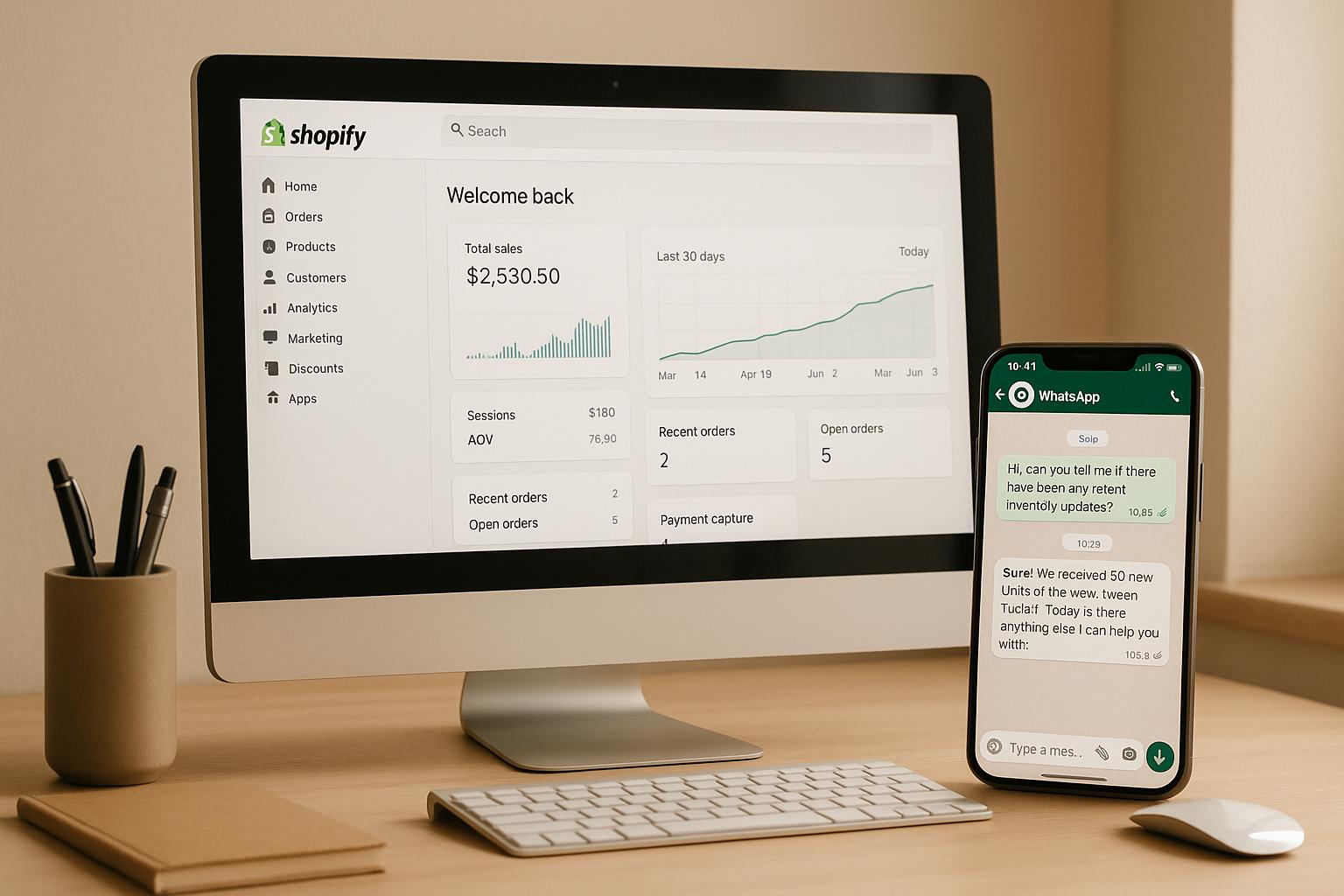
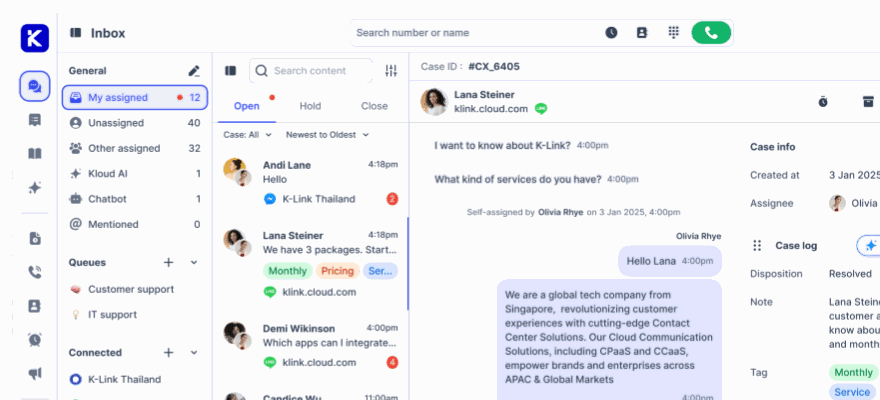
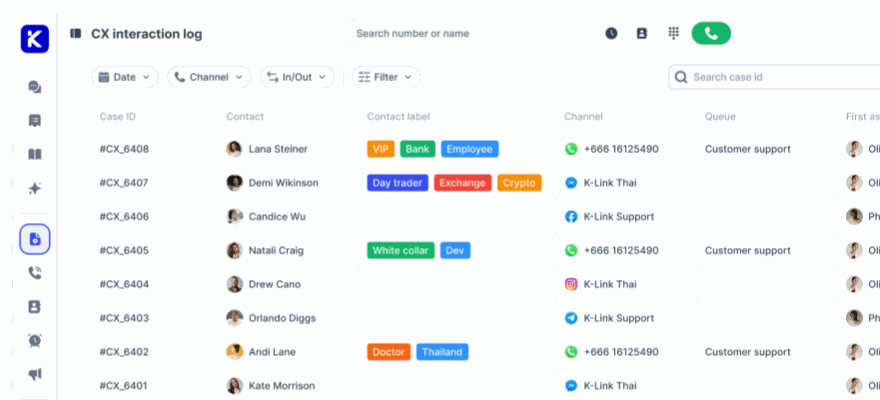
Here’s how they typically work: customer messages from sources like email, Facebook Messenger, Instagram DMs, WhatsApp Business, or live chat are routed into one central dashboard for your team to handle. These apps often include automation features, like canned responses, tagging messages based on keywords, or assigning tickets to specific team members depending on the communication channel.
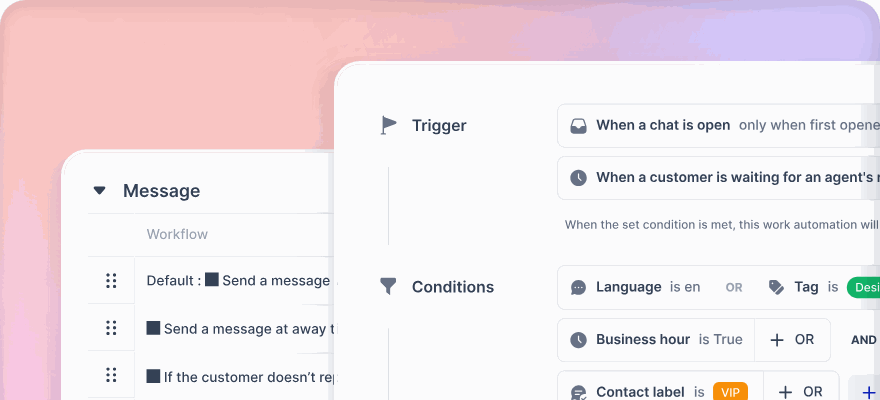
However, Shopify Apps are rule-based, meaning they don’t operate independently. You’ll need to set up workflows, define automation rules, and configure triggers manually. While the app helps keep everything organized and efficient, your team is still responsible for handling the actual conversations. Essentially, these apps act as a powerful inbox, helping your team stay on top of customer service tasks without replacing human judgment.
What Are Shopify AI Agents?
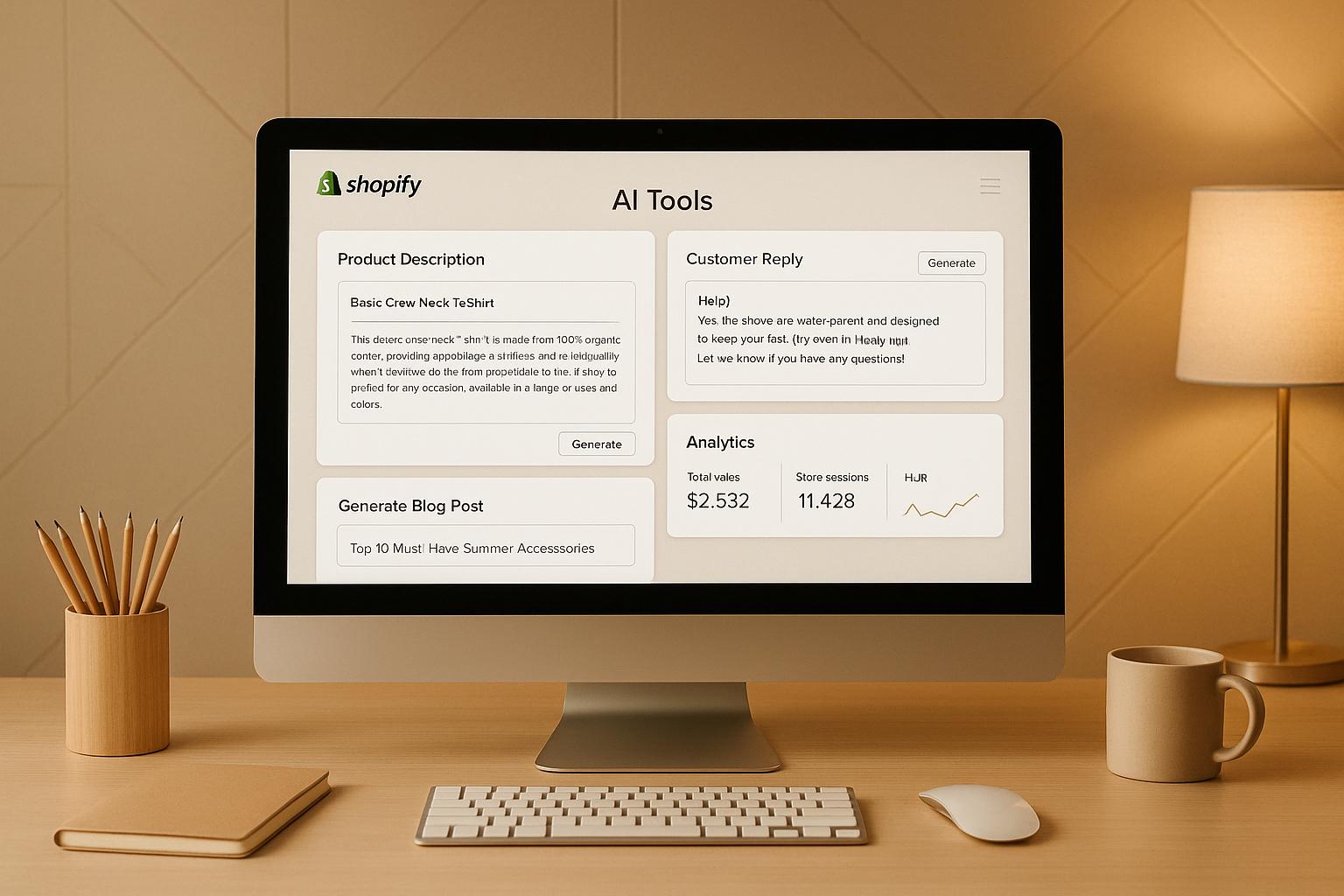
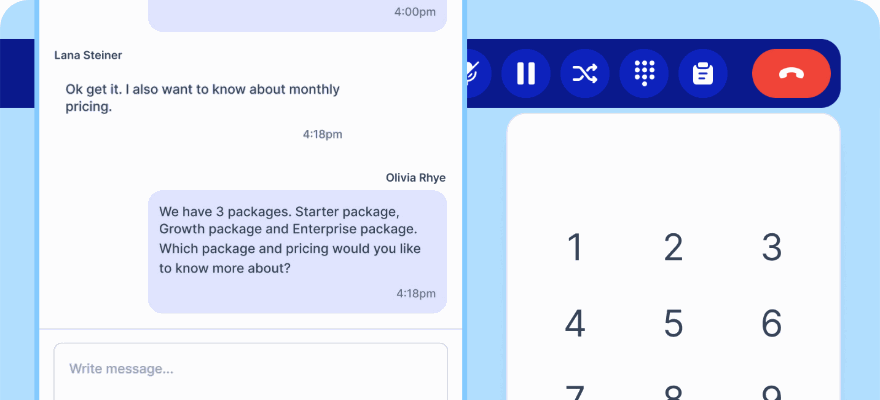
Shopify AI Agents take customer service to a whole new level. Instead of just organizing messages for your team, AI Agents are designed to understand customer intent and respond on their own. They don’t just sort tickets - they actively engage with your customers, answering questions and completing tasks without requiring human input.
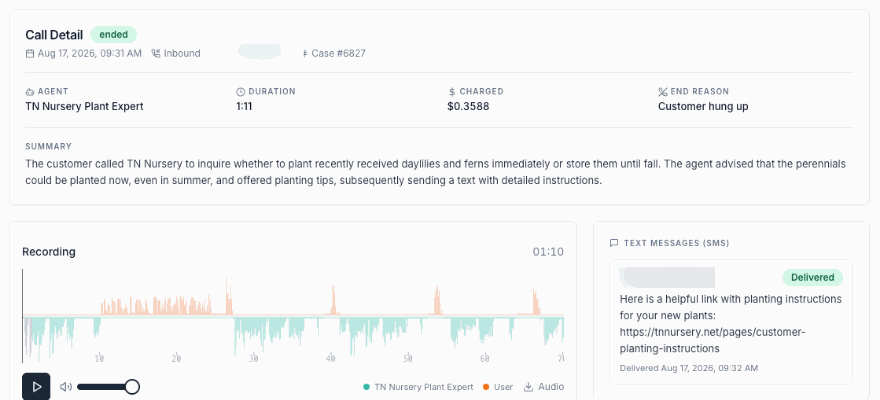
The key difference lies in how they process information. Traditional apps follow strict rules like “if X, then Y.” In contrast, AI Agents use natural language processing (NLP) to interpret what customers mean, even when questions are phrased in unexpected ways. For example, if a customer asks, “Where’s my stuff?” the AI recognizes this as a question about order status, no matter how it’s worded, and responds appropriately.
AI Agents can also perform tasks directly within your Shopify store. They can check order statuses, process returns, update shipping details, and even recommend products based on a customer’s preferences or purchase history. Over time, they learn from previous interactions, becoming more accurate and capable of handling complex scenarios.
What’s more, AI Agents work around the clock, handling multiple conversations simultaneously across all your communication channels. They don’t just react - they can proactively reach out to customers, follow up on abandoned carts, or check in after a purchase to ensure satisfaction.
AI Agents rely on data-driven insights to personalize interactions. For instance, they might prioritize a VIP customer’s inquiry differently than a first-time visitor’s general question, ensuring a tailored experience for every customer.
How Shopify Apps and AI Agents Differ
The main distinction between Shopify Apps and AI Agents comes down to their roles in customer service. Shopify Apps are tools that help your team work more efficiently, while AI Agents take over routine interactions entirely.
With Shopify Apps, you’re giving your team a better system to manage communication. These apps handle the backend tasks - sorting, tagging, and routing messages - so your team can focus on actual customer interactions. Human oversight is central to their operation.
On the other hand, Shopify AI Agents are about automating the interaction itself. They handle common questions and standard requests, escalating to a human only when necessary or when a customer specifically asks for it.
The setup and costs also differ. Shopify Apps are relatively simple to implement. You connect your communication channels, set up rules, and train your team on how to use the interface. They usually charge a flat monthly fee based on features or the number of users.
AI Agents, however, require more upfront effort. They need to be trained on your store’s specifics - your products, policies, brand voice, and common customer scenarios. But once trained, they adapt and improve independently, requiring less ongoing management. Their pricing is often usage-based, meaning you pay per conversation or interaction, which can scale more efficiently as your store grows.
Understanding these differences is crucial when deciding which solution aligns with your store’s needs. Both options can enhance customer satisfaction and improve team productivity, but the right choice depends on how you want to manage interactions and scale your business.
Shopify Apps: Features, Benefits, and Drawbacks
Shopify Apps offer a centralized platform for handling customer inquiries across multiple channels. Unlike AI-powered tools that fully automate interactions, these apps streamline manual processes, helping your support team manage communications more effectively.
Main Features of Shopify Apps
Shopify customer service apps come packed with features designed to make your team's workflow smoother. At their core is omnichannel integration, which merges email, live chat, Facebook Messenger, Instagram DMs, WhatsApp Business, and SMS into a single inbox.
They also include ticketing systems that track entire conversation histories. This means if one team member begins assisting a customer and another steps in later, they can easily pick up where the conversation left off without asking the customer to repeat themselves. Tickets can be tagged, categorized by issue type, and prioritized.
With automated routing, questions are assigned to the right team members. For instance, shipping inquiries can go to one person, product questions to another, and refund requests to a manager. Some apps even route messages based on the channel, ensuring, for example, that Instagram DMs land with your social media specialist.
Canned responses provide quick, standardized answers to common questions, while advanced apps allow for auto-responders that immediately acknowledge customer messages. These auto-responders reassure customers that their inquiry has been received and will be addressed soon.
Analytics and reporting tools give you valuable insights into metrics like response times, resolution rates, and ticket volumes by channel. This data can highlight bottlenecks, peak contact hours, and areas for improvement.
Lastly, customer data integration allows your team to access order history and past interactions directly from the inbox. This eliminates the need to switch platforms and enables more personalized responses.
Benefits of Using Shopify Apps
One of the standout advantages of Shopify Apps is how quickly they can be set up. Most apps are ready to use within a few hours and require minimal training, making them a great choice for businesses looking to boost customer service efficiency without delay.
Another plus is predictable costs. These apps typically charge a flat monthly fee, ranging from $15 to $150 depending on the features and team size. This straightforward pricing makes budgeting easier.
Shopify Apps also give you complete control over interactions. Your team reviews each message and decides how to respond, which is crucial for handling sensitive or complex situations. This hands-on approach is especially valuable in industries where personalized service is a key selling point.
They also offer flexibility in managing your team. You can add or remove team members, adjust permissions, and redistribute workloads as needed. This adaptability allows you to scale your support efforts in line with your business's changing demands.
However, as your business grows, these apps may present some challenges.
Drawbacks of Shopify Apps
The biggest hurdle with Shopify Apps is scaling. As your order volume grows, so does the number of customer inquiries. Since these apps rely on human input for every interaction, you'll need to hire more staff to maintain response times. This direct link between growth and costs can become a strain on resources.
Response time limitations are another concern. Even with a well-organized team, conversations can only be handled one at a time. During high-demand periods - like product launches or sales events - tickets can pile up, leading to longer wait times. For businesses operating across time zones, providing 24/7 support means hiring night-shift staff or accepting that some customers may have to wait.
The lack of full automation is another drawback. While canned responses help, your team still has to read each message, choose the right template, and customize it if needed. For stores receiving hundreds of repetitive inquiries daily - like "Where's my order?" - this process can become tedious and inefficient.
Inconsistent responses can also be an issue. Different team members may interpret policies differently, leading to variations in the level of detail or tone used. Maintaining a consistent brand voice requires ongoing training and monitoring.
Another challenge is disconnected workflows. While these apps centralize communication, they don’t always integrate deeply with Shopify’s backend. This can force your team to manually look up information and transfer it into responses, slowing down the process and increasing the risk of errors.
Limited personalization is another shortcoming. For example, the app won’t automatically recognize a repeat customer who has spent $5,000 versus a first-time visitor. Your team has to manually check customer histories and adjust their responses, which isn’t always feasible during busy times.
Finally, there’s the issue of human error and burnout. Handling repetitive inquiries can lead to fatigue, mistakes, and even employee turnover. Retaining skilled employees becomes a challenge, and constant retraining can disrupt workflows.
Understanding these limitations is key when comparing Shopify Apps to AI-driven alternatives. Knowing their strengths and weaknesses can help you decide if they’re a long-term solution for your business or if you’ll need to explore other options down the line.
Shopify AI Agents: Features, Benefits, and Drawbacks
Shopify AI Agents take automation to the next level by leveraging machine learning and natural language processing. These tools can interpret customer questions and deliver timely responses without requiring human intervention, making them a powerful addition to Shopify's ecosystem.
Main Features of Shopify AI Agents
One standout feature of Shopify AI Agents is their ability to understand natural language. This means they can interpret customer questions, even when phrased differently, and identify them as the same type of request. For instance, whether a customer asks, "Where's my order?" or "Can you track my package?" the system recognizes both as order tracking inquiries and responds accordingly.
These agents integrate seamlessly with your Shopify backend, enabling real-time task execution. They can retrieve order details, process support requests, and cut down on manual lookup times, streamlining operations significantly.
Some agents include contextual memory, which allows them to recall past conversations. This feature ensures customers don’t have to repeat themselves, creating a smoother and more personalized experience.
When a query exceeds the system's capabilities, intelligent escalation ensures the issue is handed off to a human agent. The AI provides the agent with the necessary context, making the transition seamless. Additionally, multi-language support allows businesses to assist customers in various languages, broadening their reach.
Over time, many AI platforms improve through learning. By analyzing ongoing interactions, these systems refine their responses and become more efficient, enhancing the overall customer experience.
These features combine to deliver faster, more scalable, and highly personalized customer support.
Benefits of Using Shopify AI Agents
One of the most immediate benefits is speed. AI Agents can provide quick responses to common questions, which reduces customer wait times, especially during peak periods.
Scalability is another major advantage. As customer inquiries grow, these systems can handle larger volumes without requiring additional support staff. This efficiency ensures businesses can maintain consistent service levels, even as demand fluctuates.
AI Agents also enable personalized interactions by using customer data, such as purchase history or past conversations, to tailor responses. This creates a consistent and unified brand voice across all customer touchpoints.
By automating routine tasks, these systems free up human agents to focus on more complex or high-priority issues. This shift can lead to an overall improvement in support quality, as human agents can dedicate their time to situations that require a personal touch.
Drawbacks of Shopify AI Agents
Despite their advantages, Shopify AI Agents come with challenges. Setting them up can be time-consuming and resource-intensive. These systems often need to be trained on your specific products, policies, and customer behaviors, which can feel daunting compared to the simpler setup of Shopify Apps.
Their effectiveness depends on accurate and up-to-date data. If the system relies on outdated or incomplete information, it risks providing incorrect responses, highlighting the need for ongoing data management.
AI systems can also struggle with nuanced or emotionally sensitive situations. While they excel at handling routine inquiries, customers facing complex or personal issues may still prefer speaking with a human agent.
Another concern is over-reliance on automation. If the system encounters problems beyond its programming or struggles with a store’s unique setup, customer satisfaction could take a hit.
Finally, maintaining these systems requires regular monitoring and optimization to ensure they continue performing well. Handling sensitive customer information also demands strict attention to privacy and security protocols.
Considering these trade-offs is essential when deciding if Shopify AI Agents align with your business’s customer support goals.
sbb-itb-204ca50
Shopify Apps vs Shopify AI Agents: Side-by-Side Comparison
Choosing the right tool can make a big difference in improving customer support and streamlining operations. When comparing Shopify Apps to Shopify AI Agents, there are six key areas to consider that directly affect your store's efficiency and profitability.
What to Compare
Automation Scope
Shopify Apps are designed for specific, rule-based tasks like sending order confirmations or showcasing customer reviews. On the other hand, Shopify AI Agents can handle more complex workflows by understanding customer intent and completing multiple steps independently. For instance, an AI agent can address a return inquiry, check eligibility, initiate the return process, and update the customer - all without human involvement.
Customer Experience Impact
Apps typically enhance response times with automated notifications and pre-set replies, but personalization is often limited to basic segmentation. AI agents take it a step further, offering tailored responses that adapt to each shopper's behavior and history. This personalized approach helps reduce cart abandonment and ensures consistent service, even across different time zones.
Agent Experience
Traditional apps often require support teams to juggle multiple tools, manually transferring data and handling exceptions. AI agents act as digital teammates, drafting responses, resolving repetitive tickets, and providing relevant customer and order details. This significantly reduces repetitive tasks and speeds up response times.
Omnichannel Execution
Shopify Apps generally work on a per-channel basis, with limited ability to share context across platforms. In contrast, AI agents maintain complete conversation histories across all channels, ensuring a seamless customer experience.
Total Monthly Cost
Apps typically charge per feature or channel, with prices ranging from $20 to $100 per app. Costs can quickly add up when using multiple tools. AI agents, however, often use tiered or usage-based pricing, which can consolidate several functions into one solution and reduce overall expenses.
Scalability
As your store grows, traditional apps may require additional tools, manual configurations, or increased oversight. AI agents, leveraging data-driven learning, can automatically handle a growing number of cases, making them better equipped for scaling operations.
The table below breaks down the differences between Shopify Apps and Shopify AI Agents for a clearer comparison.
Feature Comparison Table
| Criteria | Shopify Apps | Shopify AI Agents |
|---|---|---|
| Setup Time | Minutes to a few hours – install and adjust settings | Several hours to weeks – requires connecting data and training |
| Learning Curve | Low – basic settings and integrations | Moderate to high – upfront setup leads to advanced automation |
| Monthly Cost (USD) | $20–$100+ per app; multiple apps increase costs | Tiered/usage-based pricing; replaces multiple apps |
| Automation Depth | Handles predefined tasks | Manages multi-step workflows with decision-making |
| Personalization | Basic rules and segmentation | Context-aware interactions based on behavior and history |
| Channel Coverage | Limited to one or two channels per app | Unified support across web chat, email, SMS, and social media |
| Data Privacy & Storage | Varies by app | Centralized data management for secure access |
| Reliability & Fallback | Limited fallback; dependent on app uptime | Escalates to human agents for complex issues |
| Analytics & Measurement | Basic metrics; limited cross-tool insights | Integrated dashboards for tracking automation and performance |
| Best Use Cases | Small-scale operations with simple needs | High-volume stores with complex workflows |
For instance, a wellness brand reduced its app usage from nine to just two AI agents, saving $480 per month in fees and improving site load times by 18%.
This example illustrates how minimizing app clutter can lead to both cost savings and better performance.
Omnichannel Performance Comparison
For merchants aiming to deliver seamless experiences across multiple platforms, omnichannel functionality is a must. Below is a breakdown of how Shopify Apps and Shopify AI Agents handle cross-channel performance:
| Omnichannel Aspect | Shopify Apps | Shopify AI Agents |
|---|---|---|
| Channel Coverage | Limited to one or two channels per app | Unified support across web chat, email, SMS, WhatsApp, Facebook, and Instagram |
| Context Persistence | Limited – customers may need to repeat details across channels | Maintains full conversation history across all platforms |
| Integration with Shopify Data | Basic access through individual apps | Deep integration with Shopify for autonomous task execution |
| Integration with External Platforms | Predefined integrations; limited custom workflows | Flexible API connections with CRMs, helpdesks, and marketing tools |
| Multi-System Orchestration | Often requires manual setup or third-party tools | Native coordination across systems for unified workflows |
| Popular U.S. Platform Support | Varies by app; may need separate tools for platforms like HubSpot or Klaviyo | Seamlessly integrates with major U.S. platforms for coordinated campaigns |
| Session Continuity | Each app maintains its own session, breaking context | Continuous sessions across channels for a smooth experience |
| Real-Time Sync | Dependent on app refresh rates; prone to delays | Real-time sync ensures accurate responses based on current data |
AI agents simplify omnichannel management by consolidating platforms and maintaining conversation continuity. For example, if a customer starts a conversation on Instagram about an order and later follows up via email, an AI agent can seamlessly pick up where the discussion left off. This eliminates repetitive explanations, reduces frustration, and keeps customers engaged - especially during peak shopping times.
How to Choose the Right Solution for Your Store
Deciding between Shopify Apps, AI Agents, or a mix of both depends on factors like your store's size, the complexity of customer interactions, team capacity, and the channels you manage. Here’s a breakdown of when each option fits best and how they can complement each other.
When to Choose Shopify Apps
Shopify Apps are a great fit for stores with straightforward needs and manageable customer interaction volumes. If you’re handling anywhere from a few dozen to a couple of hundred customer queries each month, these apps can handle the workload without adding unnecessary complexity.
They’re ideal for stores with limited channels - like a website and email - and predictable support hours. If you’re not juggling multiple platforms like Instagram DMs, SMS, WhatsApp, or live chat, apps can keep things simple and efficient.
Budget is another key consideration. Shopify Apps often come with clear, predictable pricing, making them a good choice if you’re working with limited resources. Plus, setup is usually quick, taking just a few minutes to a few hours to integrate and configure.
These apps excel in handling repetitive, rule-based tasks such as automated order confirmations, FAQ responses, basic discount codes, or shipping updates. For example, a small direct-to-consumer brand selling handmade goods might use a support app to answer common questions about shipping and a reviews app to display customer feedback. With fewer than 500 orders per month and most queries coming through email, this setup keeps costs low and operations streamlined.
However, apps rely on your team to manage exceptions manually. If those exceptions become frequent or more complex, it might be time to explore advanced automation options.
When to Choose Shopify AI Agents
AI Agents are the better option when your store scales up and faces challenges that traditional apps can’t handle efficiently. If you’re dealing with hundreds or even thousands of customer interactions every month, the cracks in app-based systems become more apparent.
These agents shine when your support team struggles with repetitive tickets or spends too much time switching between tools to retrieve order details, check inventory, or process returns. AI Agents can streamline these processes, saving time and delivering consistent customer experiences.
They also offer 24/7 support across U.S. time zones, handling complex workflows autonomously. For example, an AI Agent can manage a return request - checking eligibility, initiating the process, and providing follow-up instructions - all without human input.
If cart abandonment is a concern, AI Agents can help recover lost sales by engaging customers in real time, offering personalized product recommendations, and addressing questions on the spot. Take the example of a wellness brand highlighted by Acorn Strategy in 2024: they reduced their app stack from nine to just two AI Agents, saving $480 monthly on subscriptions and improving site load time by 18%, which boosted conversion rates. The AI Agents unified tasks like customer support, cart recovery, and personalized recommendations, creating a seamless experience.
AI Agents are especially useful for businesses operating across multiple channels. If a customer starts a conversation on Instagram, follows up via email, and later contacts you through SMS, the AI Agent retains the full context, ensuring the customer doesn’t have to repeat themselves.
However, implementing AI Agents requires an upfront investment. Setup can take anywhere from several hours to weeks, involving data integration, system training, and setting up escalation rules. Early monitoring is essential to ensure the AI aligns with your brand voice and handles sensitive customer information correctly.
Using Both: The Combined Approach
For many businesses, a hybrid strategy that blends Shopify Apps and AI Agents offers the best of both worlds. This approach allows you to balance cost-efficiency with an elevated customer experience.
Instead of replacing all your existing apps, you can layer AI Agents on top to handle customer interactions while still leveraging specialized apps for specific functions. For instance, an AI Agent could pull data from your loyalty app to share a customer’s points balance, access your subscription app to adjust delivery dates, and use your reviews app to recommend products - all within a single conversation. The apps remain focused on their core tasks, while the AI Agent ties everything together.
This strategy reduces app fatigue by minimizing data silos and cutting down on overlapping features. It also helps lower monthly fees while maintaining functionality. For example, a mature omnichannel retailer might keep three essential apps - one for reviews, one for loyalty, and one for advanced shipping rules - while deploying AI Agents to manage all customer interactions across web chat, email, SMS, and social media. The AI Agents handle first-line support, escalate complex issues to human agents, and trigger actions within the specialized apps as needed.
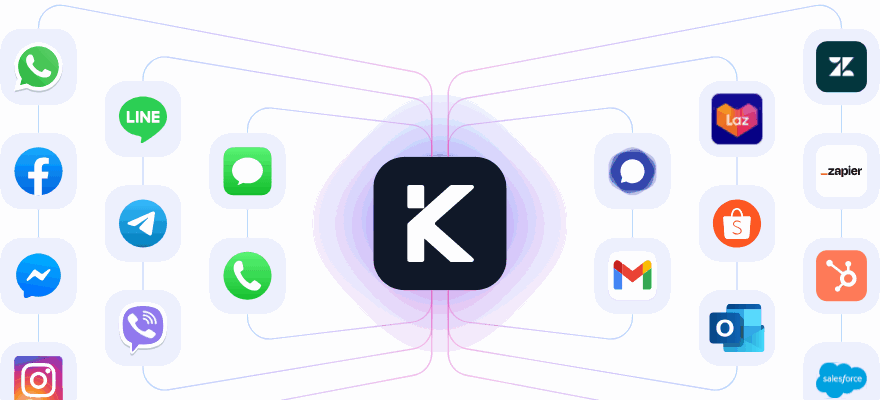
klink.cloud simplifies this combined approach by integrating Shopify, essential apps, and AI Agents into a single system. Conversations from all channels - web chat, SMS, WhatsApp, Facebook Messenger, Instagram, and email - are unified with shared context and customer history. AI Agents use data from your loyalty app, helpdesk, and order history to deliver consistent responses, while human agents can step in seamlessly when required.
In June 2024, Michael Tan, Operations Manager at AlphaConnect, shared: "klink.cloud has transformed how we manage customer interactions. Our productivity has doubled, and downtime is a thing of the past." The platform boasts 99% uptime, with reported productivity increasing fivefold and customer satisfaction doubling.
To make the most of a combined approach, regularly review your app stack - at least twice a year. Look for overlapping features, underused subscriptions, or apps that could be replaced by AI-driven workflows. Redirect those savings toward high-impact AI Agents that improve response times, boost customer satisfaction, and increase revenue per visitor.
Set clear goals before investing. Define measurable targets like reducing first-response times to under a minute, achieving a self-service rate above 40%, or boosting average order value. Then decide whether apps, AI Agents, or a combination will best help you meet those objectives based on your store’s volume, complexity, and team capacity.
Conclusion
Deciding between Shopify Apps and Shopify AI Agents comes down to what your store needs, where you are in your growth journey, and the goals you've set for customer support.
For smaller stores with fewer support requests and simpler channels, Shopify Apps are often the better fit. They work well for handling straightforward tasks like order confirmations or FAQ responses through email and your website. Plus, their flat-rate pricing makes them predictable and easy to manage.
On the other hand, Shopify AI Agents shine when your store starts scaling and customer interactions become more complex. If you're juggling high volumes of inquiries across platforms like Instagram, SMS, WhatsApp, email, and live chat, AI Agents can provide 24/7 support, keep track of conversations across channels, and handle advanced workflows like processing returns or recovering abandoned carts. They’re particularly effective at automating repetitive tasks and connecting different tools into a seamless workflow.
Sometimes, the smartest move is combining both solutions. By layering AI Agents on top of specialized apps, you can keep the specific functionality of individual tools while creating a unified customer experience. In this setup, the AI Agent acts as a central hub, pulling data from your loyalty program, subscription service, or reviews platform to deliver personalized, context-aware responses in a single conversation.
Platforms like klink.cloud make this hybrid approach easier by connecting Shopify with both apps and AI Agents, creating a streamlined system that works together seamlessly.
To choose the right path for your store, set clear metrics like first-response times, self-service rates, or average order value. Take a close look at your current app stack to identify overlaps and consider whether automating repetitive tasks justifies investing in AI. Whether you go with apps, AI Agents, or a mix of both, the key is to align your solution with your store’s size, team capacity, and growth plans. As your business grows, your customer support system should grow with it.
FAQs
What’s the best way to choose between Shopify Apps and Shopify AI Agents for your business?
Deciding between Shopify Apps and Shopify AI Agents comes down to what your business needs most - whether it's operational tools or customer service automation. Shopify Apps are ideal for tackling specific tasks like managing inventory or running marketing campaigns. Meanwhile, Shopify AI Agents shine when it comes to automating customer support and offering instant help across different platforms.
If your priority is boosting customer satisfaction and keeping communication smooth, AI Agents provide personalized, round-the-clock assistance. However, if you're looking to solve particular operational challenges, Shopify Apps might be the better choice. Think about your goals - whether it's increasing efficiency or speeding up response times - and choose the option that aligns with what you're aiming to achieve.
What do you need to set up and manage Shopify AI Agents effectively?
Setting up Shopify AI Agents is a simple process, but it does involve a few essential steps. To start, you’ll need to connect the AI agent to your Shopify store. This typically means granting it access to your store’s data and configuring it to reflect your brand’s tone and style. Once connected, you can personalize workflows - like automating replies to frequently asked questions or handling order updates seamlessly.
After the initial setup, ongoing management is key. This includes keeping an eye on the agent’s performance, tweaking its responses based on customer feedback, and refining workflows as your business grows or changes. By regularly reviewing analytics from the AI agent, you can pinpoint areas that need improvement and ensure it consistently aligns with your customer service goals.
Can Shopify AI Agents work with my existing Shopify Apps, and how can this improve my store's performance?
Shopify AI Agents can work hand-in-hand with your existing Shopify apps, making your store operations smoother and more efficient for both you and your customers. By blending the automation and intelligence of AI with the unique capabilities of your apps, you can simplify tasks like customer support, inventory management, and tailored marketing efforts.
With this integration, your store can respond to customer questions faster and more accurately, automate routine tasks, and boost overall efficiency. This means your customers enjoy a hassle-free shopping experience, while you gain more time to focus on scaling your business.
Related Blog Posts
- The Future of Shopify Support: How Kai AI Agent Handles Orders, Returns & FAQs
- How Shopify Stores Use Kai AI Agent to Automate 80% of Customer Inquiries
- Supercharge Your Shopify Store with Kai AI Agent: 24/7 Support Without Extra Staff
- Shopify AI Agent: The New Way to Automate Your Entire Store Support