Why klink.cloud is the Best AI Customer Support Platform for E-commerce
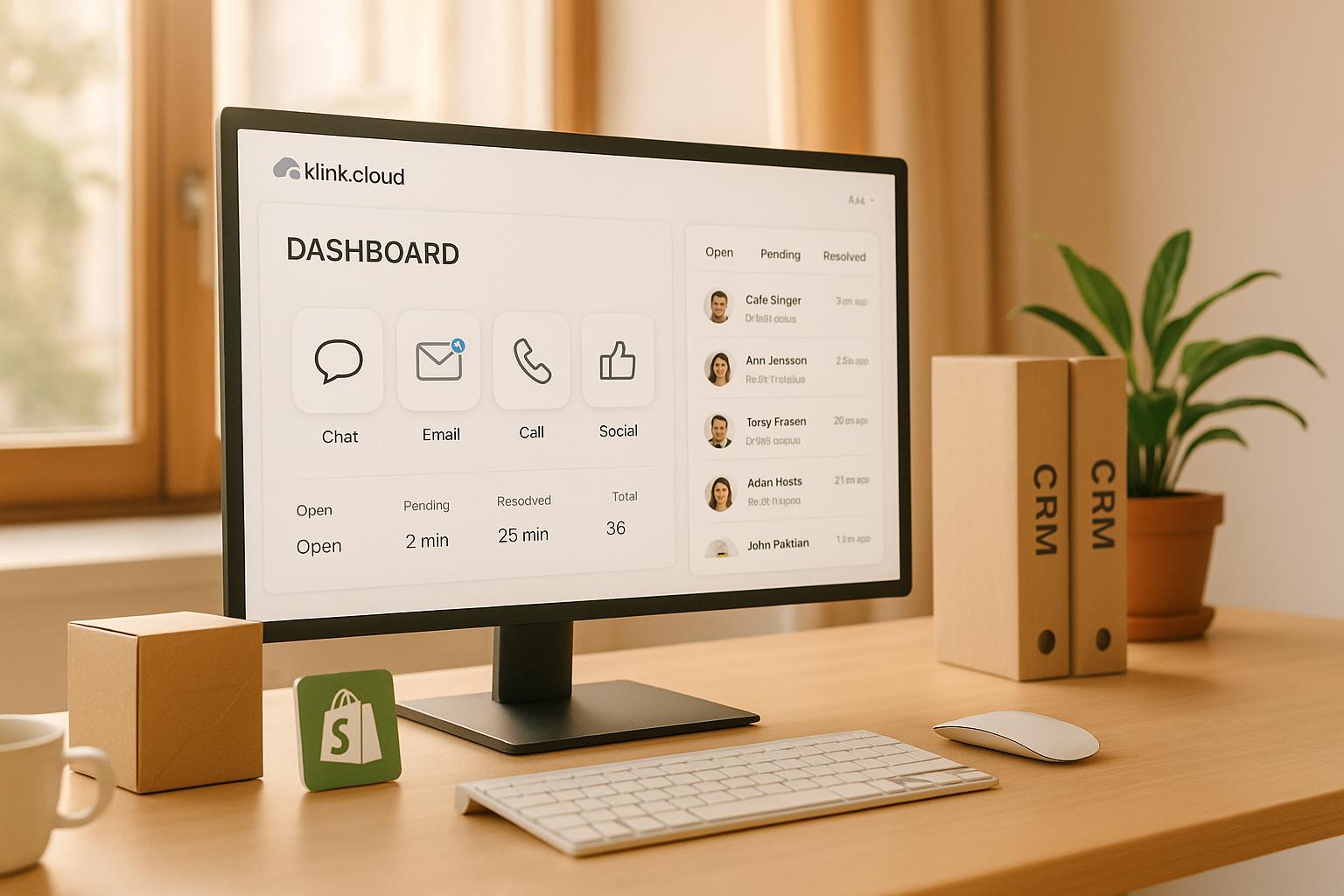
E-commerce businesses face mounting challenges in meeting customer expectations for fast, 24/7 support across multiple channels. Traditional tools often fall short, creating inefficiencies and higher costs. klink.cloud solves this problem by offering a unified, AI-powered platform tailored for e-commerce needs.
Here’s how klink.cloud stands out:
- Unified Inbox: Combines all customer interactions (phone, chat, email, WhatsApp, social media) into one dashboard, eliminating inefficiencies from switching between tools.
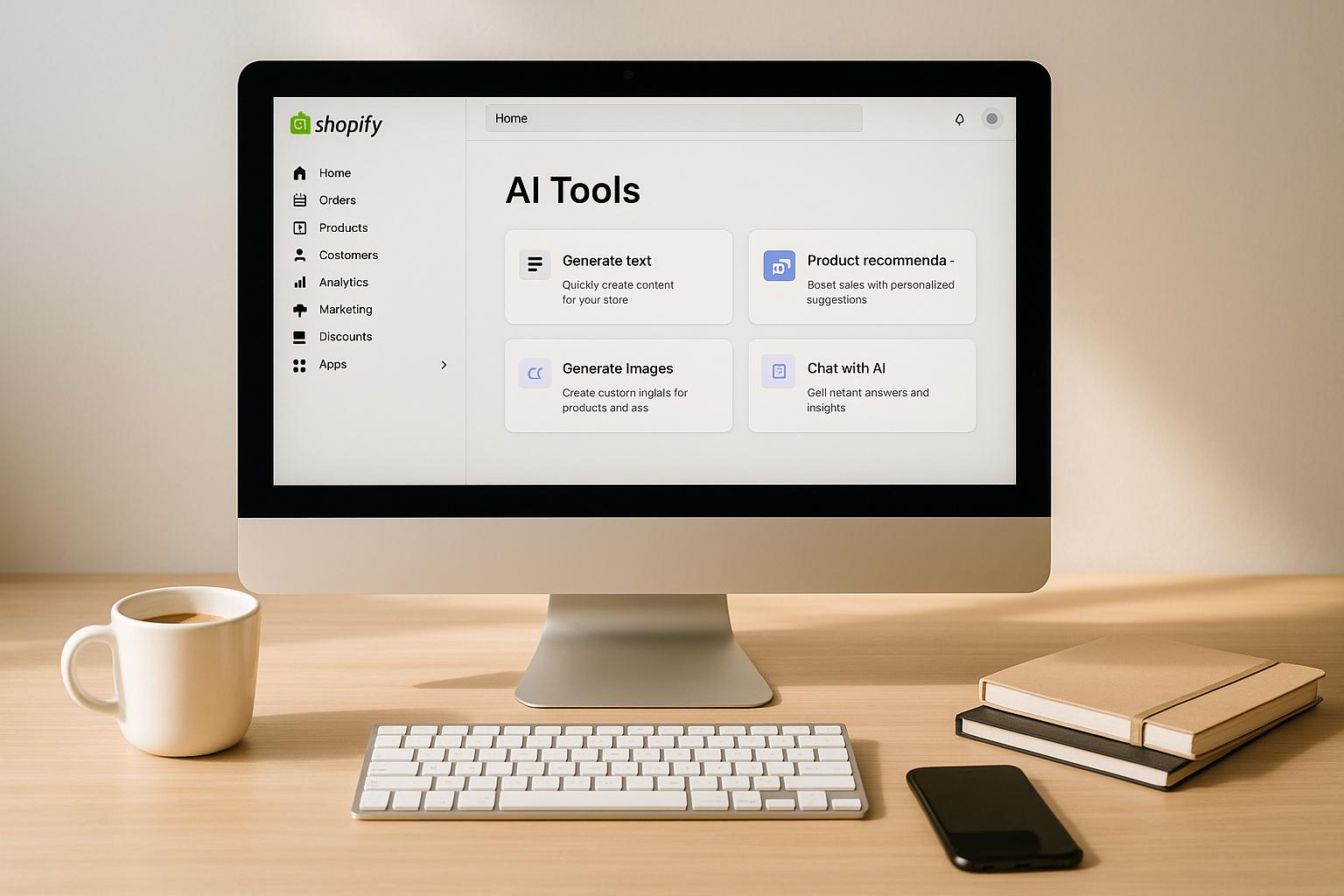
- Seamless Integrations: Connects directly with Shopify, Salesforce, HubSpot, and other CRMs, pulling in customer and order data for faster resolutions.
- AI Automation: Handles repetitive tasks like order tracking, FAQs, and returns, reducing agent workload and improving response times.
- Scalable for Peak Seasons: Reduces ticket volume during busy periods like Black Friday with intelligent workflows and automation.
- Improved Agent Efficiency: Provides full customer history and context in real-time, allowing agents to focus on complex issues.
Pricing starts at $49.99 per user/month, with options for advanced features and enterprise-level needs. By streamlining operations and reducing costs, klink.cloud helps e-commerce brands deliver faster, more personalized support while boosting customer satisfaction.
1. Traditional Customer Support Systems
E-commerce businesses have long relied on outdated customer support tools originally designed for call centers. These systems often fail to meet the unique needs of modern online stores, leaving agents to manually gather customer data and repeat information across multiple channels. This creates a frustrating experience for both agents and customers - especially during peak shopping seasons when the pressure is highest.
Omnichannel Support
Most traditional systems only offer multi-channel support, meaning tools for phone, email, and basic live chat operate independently. For example, if a customer sends an email, follows up on Facebook Messenger, and later tries live chat, these interactions remain isolated. Agents are forced to ask for the same details - like order numbers or issue descriptions - over and over.
While early systems claimed to offer omnichannel capabilities, they often stored interactions separately. This made it nearly impossible for agents to view a complete customer history when someone switched between channels like chat, email, or social media. Social messaging platforms such as WhatsApp, Facebook Messenger, and Telegram were often added as an afterthought, lacking proper integration. The result? Agents juggled multiple tools - checking emails in one tab, responding to Facebook messages in another, and managing live chat in yet another.
One support manager summed up the frustration perfectly:
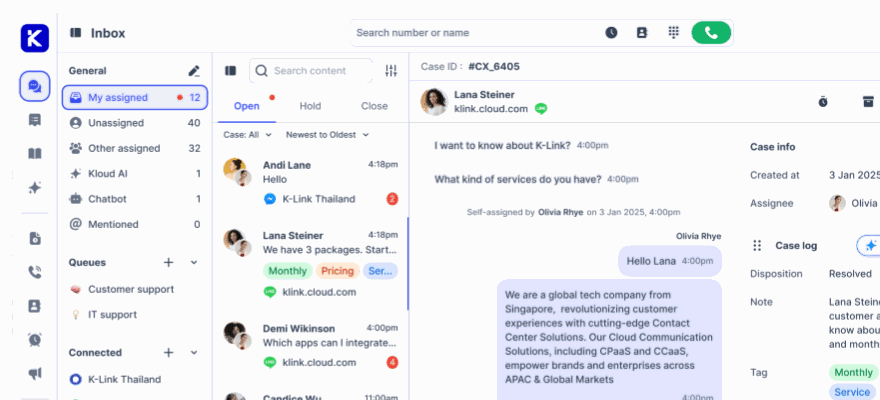
"Tired of jumping between apps to reply to customers? With klink.cloud's Unified Inbox, you can view and respond to every message - whether it's a phone call, WhatsApp, Facebook, Telegram, email, or live chat - all in one unified dashboard."
CRM and E-commerce Integration
Legacy help desk software typically treats CRM and e-commerce connections as optional add-ons instead of core features. This forces agents to constantly switch between dashboards to access order histories, tracking details, or return information, slowing down response times and reducing service quality.
These weak integrations also limit support teams’ ability to work proactively. For instance, agents can’t easily send timely updates, recommend products tailored to individual shoppers, or prioritize VIP customers. Without automation to handle these tasks, teams are stuck relying on slow, manual processes that are prone to errors and difficult to scale.
AI Automation and Workflows
Older support tools often rely on basic rule-based routing and pre-written responses. They lack advanced AI features like intent detection, conversational capabilities, or the ability to automatically classify customer requests. This means that repetitive tasks - such as answering questions about return policies, tracking orders, or handling shipping inquiries - are handled manually. As a result, agents spend most of their time on routine queries instead of focusing on more complex customer issues.
These outdated workflows are especially problematic during busy shopping periods like Black Friday or the holiday season. Manual processes lead to longer response times, missed service level agreements, and overwhelmed agents. The result? Frustrated customers and potential damage to a brand’s reputation during critical moments.
Operational Impact
Disconnected systems have a ripple effect on operations. They lead to slower response times, lower first-contact resolution rates, and higher costs due to repeated follow-ups. Additionally, these tools often come with steep learning curves, making onboarding new agents more difficult and contributing to burnout.
James Carter, Operations Manager at MPG B, highlights the benefits of modern tools:
"Our agents can easily manage conversations across different channels, helping us respond faster and keep our clients happy."
Today’s U.S. shoppers expect fast, personalized, 24/7 support across all channels. When they encounter long wait times or inconsistent answers, their satisfaction drops, and the likelihood of cart abandonment rises. To make matters worse, older platforms often provide only basic reporting metrics like ticket counts or average handle time. This makes it hard for support leaders to identify bottlenecks or justify investments in automation. Many legacy tools also lack reliable APIs or built-in connectors for popular e-commerce platforms, forcing businesses to rely on costly custom integrations that create ongoing maintenance headaches.
These challenges highlight the growing need for a unified, AI-driven solution designed specifically for e-commerce support.
2. klink.cloud
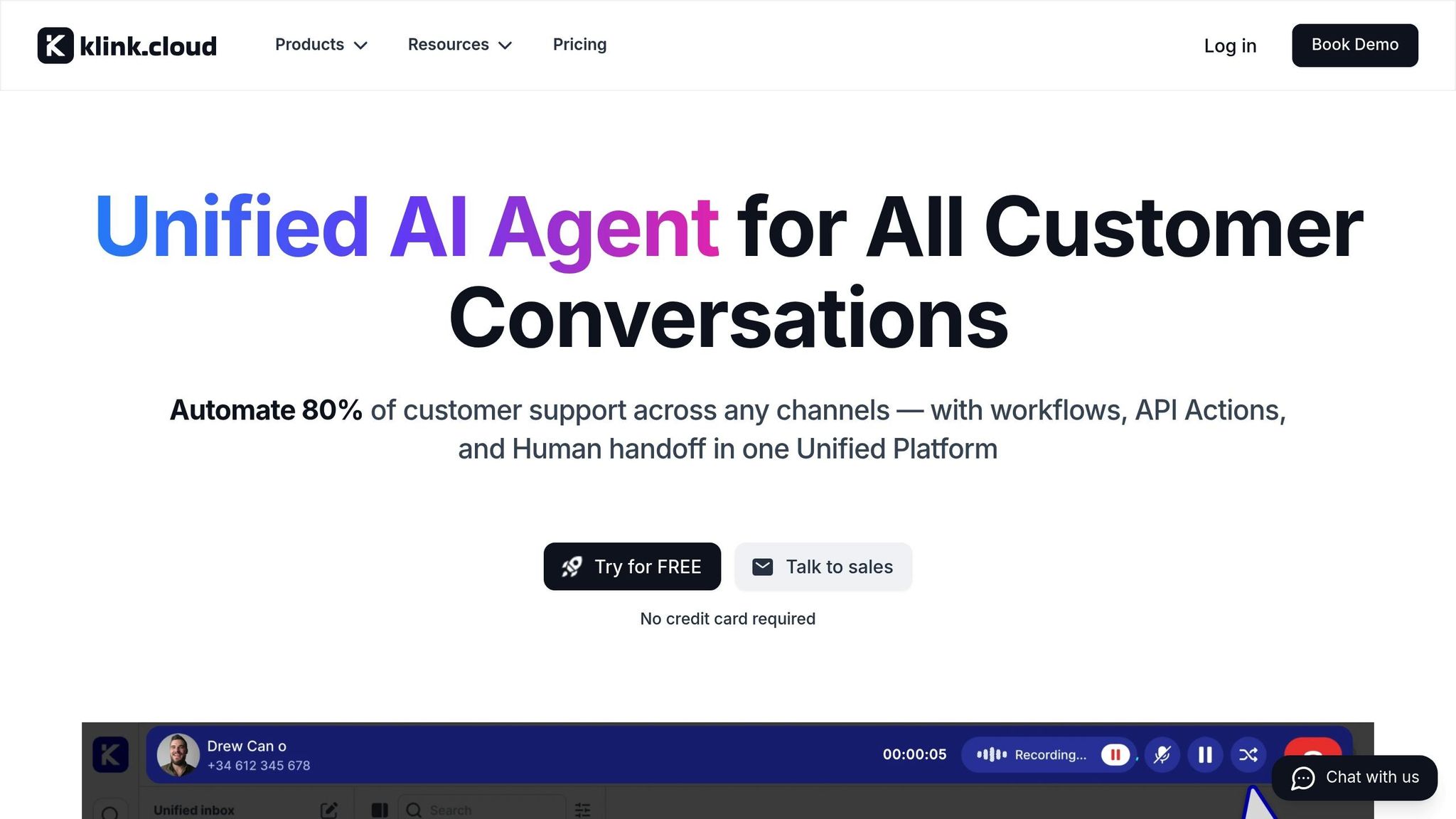
klink.cloud is built specifically for e-commerce, focusing on order data, purchase history, and seamless channel transitions. It tackles the delays and fragmentation common in traditional support systems, delivering real benefits for both customer service agents and shoppers.
Omnichannel Support
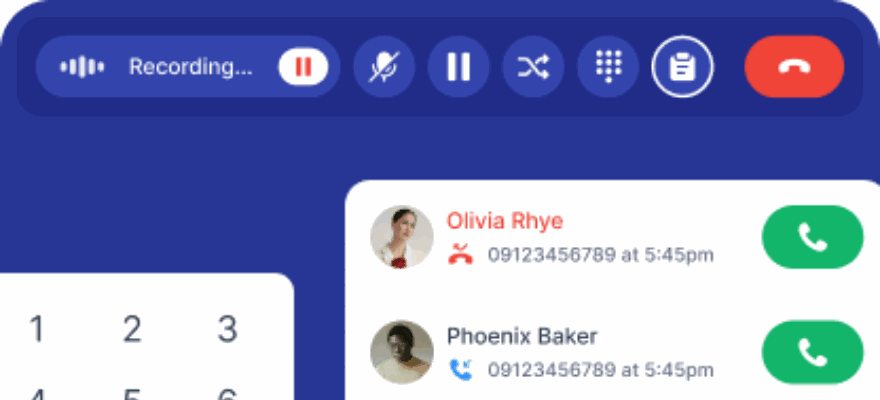
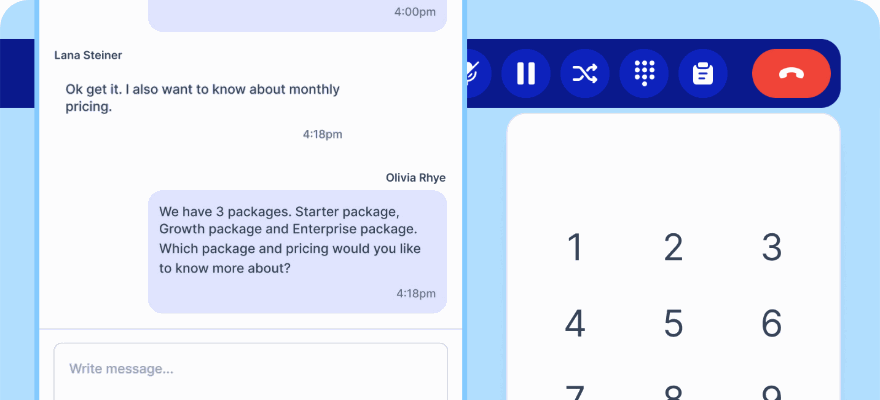
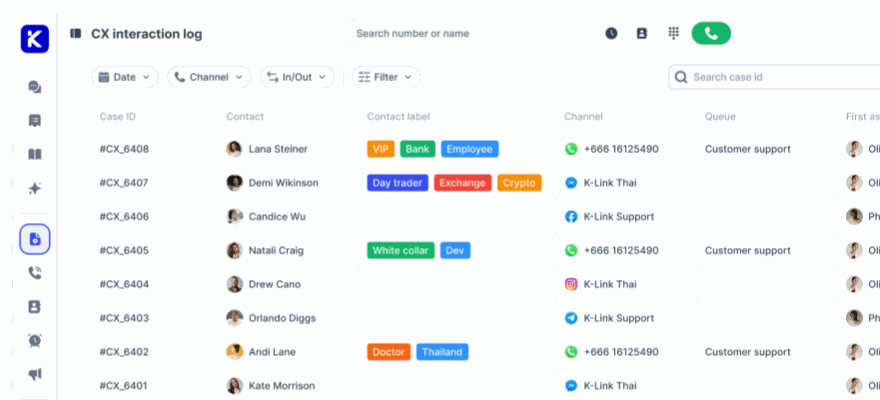
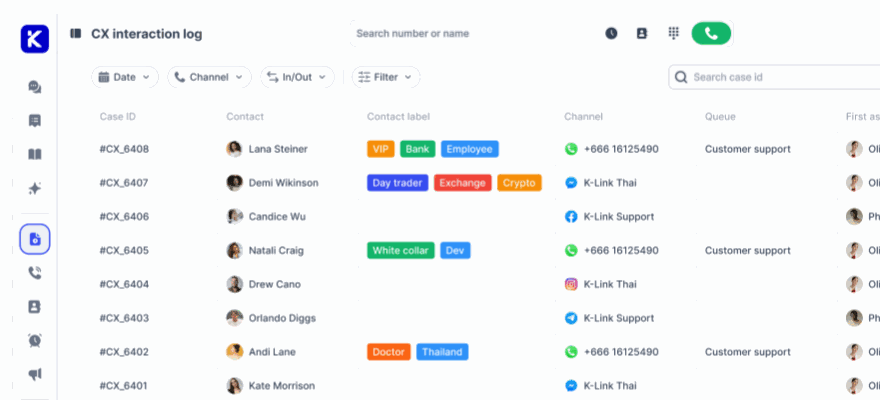
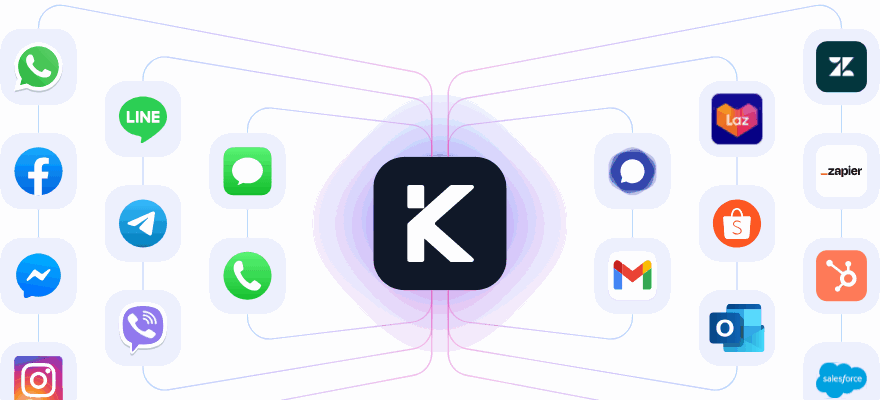
With klink.cloud’s Unified Inbox, all customer interactions - whether through phone calls, WhatsApp, Facebook Messenger, Viber, Line, email, SMS, or live chat - are consolidated into a single dashboard. This setup makes managing multiple communication channels far simpler.
The impact is clear. Sarah Lee, Head of Contact Center at Horizon Solutions, shared:
"Since adopting klink.cloud, we've seen a massive improvement in our response times. Our customers are happier, and our agents are more efficient than ever." – Sarah Lee, Head of Contact Center, Horizon Solutions
What sets klink.cloud apart is its single customer profile. Every interaction - whether via chat, email, or social media - is tracked, along with metrics like response time, resolution time, sentiment analysis, and customer satisfaction scores. This means an agent on a call can instantly access the customer’s full history, providing context without wasting time.
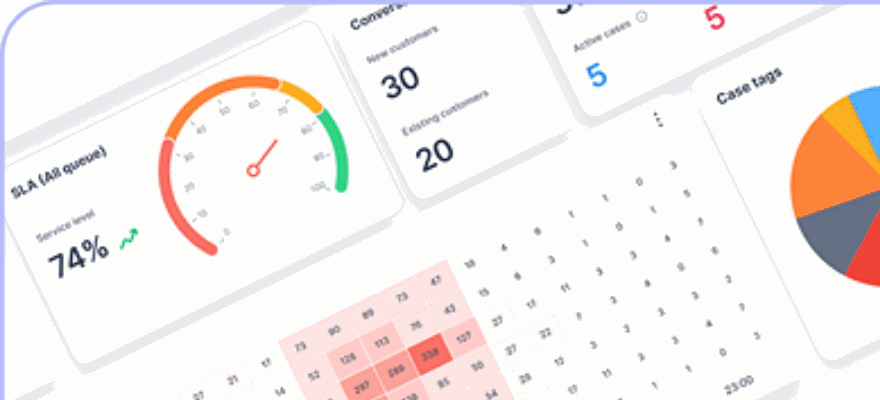
Real-time analytics further enhance performance by offering insights into queue lengths, agent productivity, and response trends. This allows managers to address bottlenecks on the fly, which is especially useful during peak shopping seasons like Black Friday or Cyber Monday.
This unified customer view also integrates deeply with CRM and e-commerce tools.
CRM and E-commerce Integration
Unlike older systems that treat integrations as an afterthought, klink.cloud seamlessly connects with major CRMs like Salesforce, HubSpot, Pipedrive, Zoho, and ActiveCampaign. When a customer reaches out, agents can see deal stages, lifetime value, subscription details, and interaction history - all without switching tabs.
Its e-commerce capabilities are equally impressive. Built-in connectors for platforms like Shopify and major marketplaces pull in order details, tracking updates, and purchase history directly into the conversation view. Agents can process refunds, update shipping statuses, or check return eligibility - all while actively chatting with the customer. No need to juggle multiple admin panels.
For example, you can connect your Shopify store and CRM to automatically prioritize high-value customers or subscribers. From there, you can create response templates tailored to common U.S. scenarios like shipping delays, tax-related questions, or return requests.
AI Automation and Workflows
Beyond unifying channels, klink.cloud uses automation to handle repetitive tasks, freeing up agents for more complex issues.
Its Kai AI Agent manages routine inquiries, such as customer authentication, order tracking, simple returns, and FAQs - all without human involvement. If a case requires human attention, the AI escalates it with full context, ensuring agents don’t have to start from scratch.
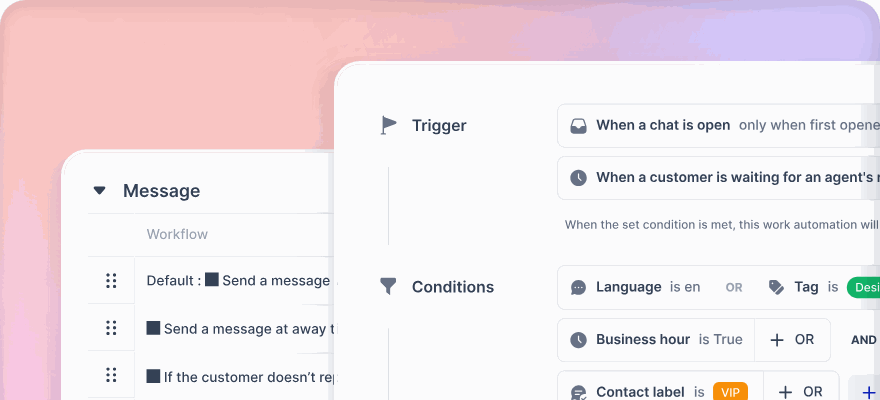
Automation doesn’t stop with the chatbot. Intelligent routing directs conversations based on factors like channel, topic, language, and customer priority. For instance, a high-value customer with a delayed order on WhatsApp can be routed to a senior agent, while basic tracking requests are resolved instantly by the AI.
Proactive workflows are another standout feature. If a shopper abandons their cart, the system can send a personalized follow-up message through their preferred channel - whether that’s SMS, email, or Facebook Messenger. All interactions are logged back into the CRM, supporting future marketing campaigns.
By automating high-volume, straightforward tasks, agents can focus on more nuanced or emotionally sensitive cases, especially during busy periods like the holiday season.
Operational Impact
With AI resolving over half of all inquiries, klink.cloud significantly reduces response times and lowers per-contact costs, all while ensuring U.S. shoppers receive near-instant support. This dual benefit of cost efficiency and improved customer experience is a game-changer.
James Carter, Operations Manager at MPG BPO, highlighted the difference it has made for his team:
"klink.cloud has made a huge difference for our contact center! Our agents can easily manage conversations across different channels, helping us respond faster and keep our clients happy. We've seen big improvements in both productivity and customer satisfaction since we started using it." – James Carter, Operations Manager, MPG BPO
The platform’s real-time dashboards give managers a clear view of performance metrics, making it easier to identify training needs, justify automation investments, and plan staffing for upcoming sales events.
As a cloud-based solution, klink.cloud makes scaling easy. Brands can add agent seats, open new channels, or increase message volume limits without overhauling their infrastructure. It’s designed to support both in-house teams and BPO setups, with multi-client features that let agencies manage multiple brands from one interface.
To ensure a smooth rollout, start by migrating high-volume channels like live chat and email, enabling basic workflows, and training a pilot group of agents. Gradually expand to voice and social messaging, involving agents in creating automation rules and templates to reflect real-world scenarios faced by U.S. customers.
Pricing options include the Growth plan at $49.99 per user/month (five seats, unlimited contacts, 50,000 messages, social media integration, ticket management), the Hyper Growth plan at $245/month (unlimited messages, workflow automation), and the Enterprise plan at $599/month (20+ seats, advanced telephony, CRM and e-commerce connectors, SSO, dedicated support).
sbb-itb-204ca50
Pros and Cons
U.S. e-commerce brands face a critical choice: stick with traditional customer support tools or transition to AI-powered solutions. This decision impacts everyday operations, from managing peak shopping seasons to resolving customer issues like delayed orders.
Traditional systems often rely on separate tools for phone, email, chat, and social media. While these setups may feel familiar, they introduce inefficiencies - slowing response times and increasing agent workload, particularly during high-demand periods.
On the other hand, klink.cloud offers a unified solution, consolidating voice, chat, email, and social messaging into a single inbox. Agents gain access to complete conversation histories, order details, and CRM data in one view. Routine tasks, such as order tracking or return inquiries, are automatically handled by AI, freeing up agents to focus on more complex customer needs. With built-in integrations for platforms like Shopify, Salesforce, and HubSpot, klink.cloud eliminates the need for custom middleware, reducing setup time and costs. Here's a side-by-side comparison of traditional systems versus klink.cloud:
| Aspect | Traditional Systems | klink.cloud |
|---|---|---|
| Omnichannel Coverage | Separate tools require agents to piece together customer histories, slowing responses. | A unified inbox consolidates all channels - voice, chat, email, WhatsApp, Facebook Messenger, SMS - into one view. |
| Integration Depth | Custom development or middleware is often required, leading to higher costs and longer implementation times. | Native integrations with Shopify, Salesforce, and HubSpot automatically sync order and customer data. |
| Automation Level | Relies on static rules and basic macros that often fail during high volumes, requiring manual adjustments. | Conversational AI and workflow automation handle over half of routine requests, such as tracking orders and processing returns. |
| Agent Experience | Fragmented tools create manual workflows, longer training times, and frequent tool-switching for agents. | A single interface with real-time context and AI assistance enables agents to focus on complex cases while automating routine tasks. |
| Customer Experience | Slower responses and inconsistent service across channels frustrate shoppers expecting seamless interactions. | Instant AI responses for common questions and smooth channel transitions improve satisfaction by reducing repeat inquiries. |
| Cost & Efficiency | Multiple licenses and integration projects lead to unpredictable costs and limited visibility into performance. | Predictable subscription pricing and AI-driven efficiencies lower per-contact costs, with real-time dashboards for tracking. |
This comparison reveals how klink.cloud's unified platform improves efficiency across operations. However, adopting such a solution comes with its own challenges.
For instance, teams must invest time in training agents and supervisors on the new AI-powered tools and workflows. Concerns around data governance, AI handling customer interactions, and adapting existing scripts to automated processes may also arise. To ease the transition, businesses can start small - focusing on high-volume channels like live chat and email, enabling basic workflows, and involving agents in building automation rules.
While traditional systems might work for small teams with simple workflows, larger e-commerce operations managing multiple channels and high contact volumes - especially during the busy U.S. shopping seasons - stand to gain significantly. By reducing context switching, minimizing agent burnout, and delivering fast, personalized support, platforms like klink.cloud align with the expectations of today’s shoppers.
Conclusion
klink.cloud transforms customer interactions by slashing response times from several minutes to under a minute across chat and messaging platforms. With instant access to order, shipping, and payment details, agents no longer need to juggle multiple systems, leading to higher first-contact resolution rates. Shoppers enjoy consistent, always-available support that remembers their preferences and history, driving up customer satisfaction. These streamlined operations also translate into noticeable cost savings.
By automating repetitive tasks, agents can dedicate their time to tackling more complex customer issues. For mid-sized U.S. retailers, this means lowering per-contact costs and cutting down on the need for multiple software licenses. During peak seasons, the platform’s AI significantly reduces ticket volume, minimizing overtime and outsourced support expenses.
With unified customer histories and AI-powered response suggestions, agents experience a 5x productivity boost and a 2x rise in customer satisfaction. Supervisors benefit from real-time dashboards to dynamically manage workloads, while analytics pinpoint bottlenecks that can be addressed by fine-tuning automation rules. This results in agents handling more conversations per hour without compromising on quality. Faster response times and greater efficiency equip teams to meet the ever-changing demands of today’s customers.
Getting started with klink.cloud is simple and low-risk. Begin with a pilot on high-impact channels like live chat or email. Integrate it with your existing e-commerce platform - whether Shopify, Salesforce, or HubSpot. Launch AI workflows for common tasks, then scale to additional channels and regions as you see results. Onboarding support, training materials, and ready-to-use templates make the transition smooth, even for teams new to AI tools.
klink.cloud is more than just a tool - it’s a smart investment in customer experience. By lowering support costs, boosting team efficiency, and delivering faster, more personalized service, it helps businesses strengthen brand loyalty, protect profit margins, and stay competitive in the U.S. e-commerce market. It’s the unified, AI-driven solution today’s shoppers expect and growing retailers need.
FAQs
How does klink.cloud's AI automation help customer support teams handle peak shopping seasons more efficiently?
klink.cloud's AI automation takes the hassle out of customer support by handling repetitive tasks and flagging urgent inquiries. This means quicker responses, especially during those hectic shopping seasons, freeing up your team to tackle more complex customer issues.
By simplifying workflows and cutting down on manual tasks, the platform boosts team efficiency, keeps customers happy, and ensures everything runs smoothly - even when demand is at its peak.
What e-commerce platform integrations does klink.cloud provide, and how do they improve customer support?
klink.cloud works effortlessly with well-known e-commerce platforms like Shopify, along with CRM tools and helpdesk systems. These integrations allow businesses to bring all customer interactions into one place, making it easier to respond quickly and offer tailored support.
Linking your e-commerce platform to klink.cloud lets you automate workflows, gain instant access to customer data, and simplify communication across various channels. This approach not only boosts customer satisfaction but also cuts down on operational costs and helps teams work more efficiently.
How does klink.cloud's Unified Inbox enhance the customer experience for e-commerce businesses?
klink.cloud's Unified Inbox simplifies customer communication by merging all interactions into one intuitive dashboard. Whether your customers contact you through phone, WhatsApp, Facebook, Telegram, email, or live chat, you can handle every conversation effortlessly in a single location.
This centralized system removes the hassle of jumping between platforms, allowing you to respond more quickly and stay on top of your workload. With no messages slipping through the cracks, it enhances customer satisfaction while freeing up valuable time for your support team.