
How Shopify AI Agents Increase Sales Conversion & Reduce Cart Abandonment
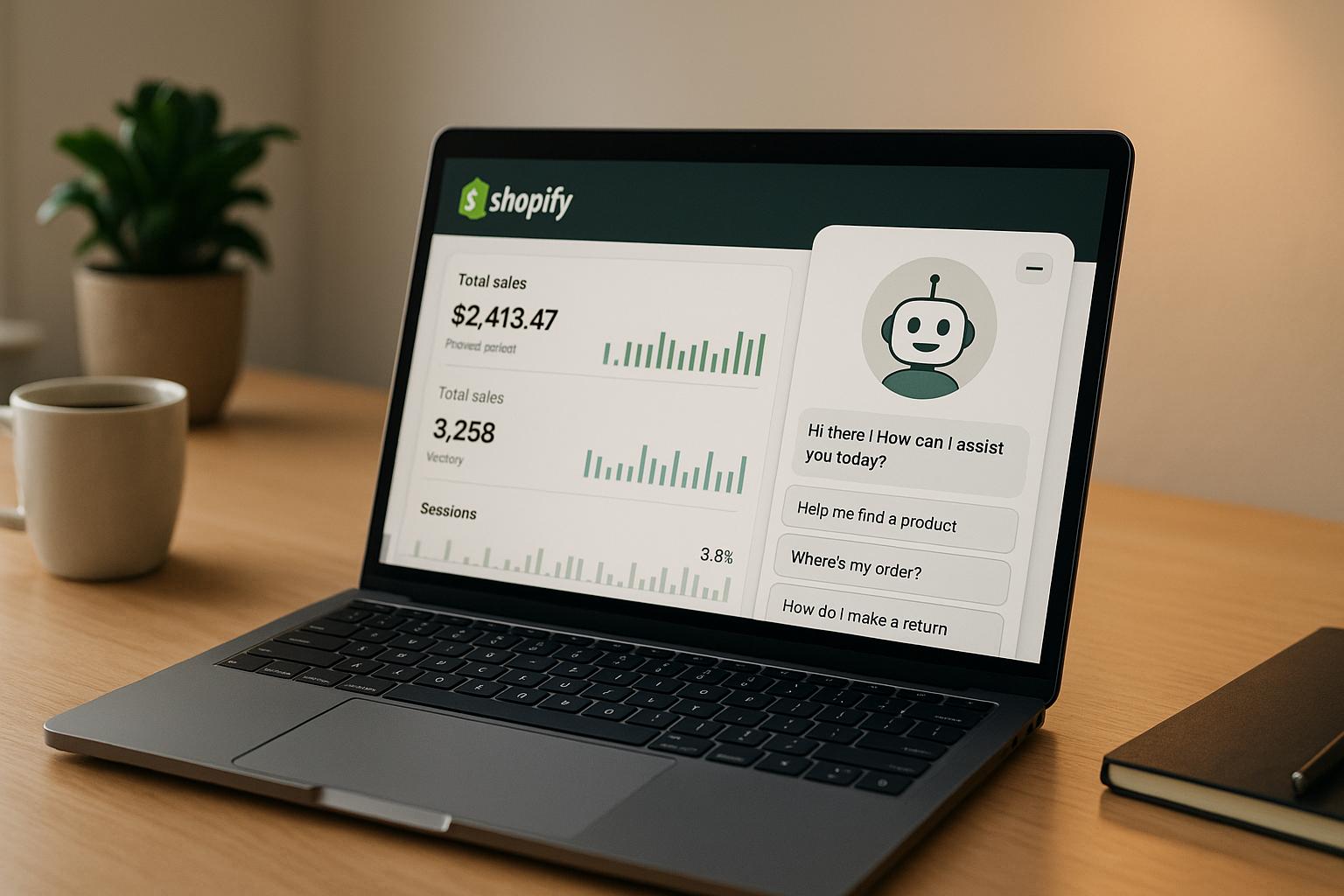
Struggling with cart abandonment or low sales conversions on Shopify? AI agents might be the solution. These tools help Shopify merchants improve checkout experiences, answer customer questions instantly, and recover abandoned carts - all while personalizing the shopping journey in real time. Here's how they make a difference:
- Higher Sales Conversions: AI agents use browsing behavior and purchase history to recommend products tailored to each shopper, boosting conversion rates.
- Reduced Cart Abandonment: They detect when customers hesitate at checkout and offer timely nudges like free shipping thresholds or discount codes.
- 24/7 Support: AI agents handle routine inquiries, like shipping details or product availability, ensuring customers get instant answers anytime.
- Personalized Follow-Ups: Automated messages across email, SMS, or chat re-engage customers who leave their carts, increasing recovery rates.
- Cost Savings: By managing repetitive tasks, AI reduces customer service costs and lets human teams focus on complex issues.
These AI-powered tools integrate seamlessly with Shopify, accessing inventory, order history, and customer data to create smooth, consistent shopping experiences. Merchants using AI report conversion rates up to 4x higher and recover 35% of abandoned carts. If you're looking to increase revenue and streamline support, Shopify AI agents are worth exploring.
How to Build an AI Agent for your Shopify Store (AI Agent Tutorial)

What Are Shopify AI Agents?
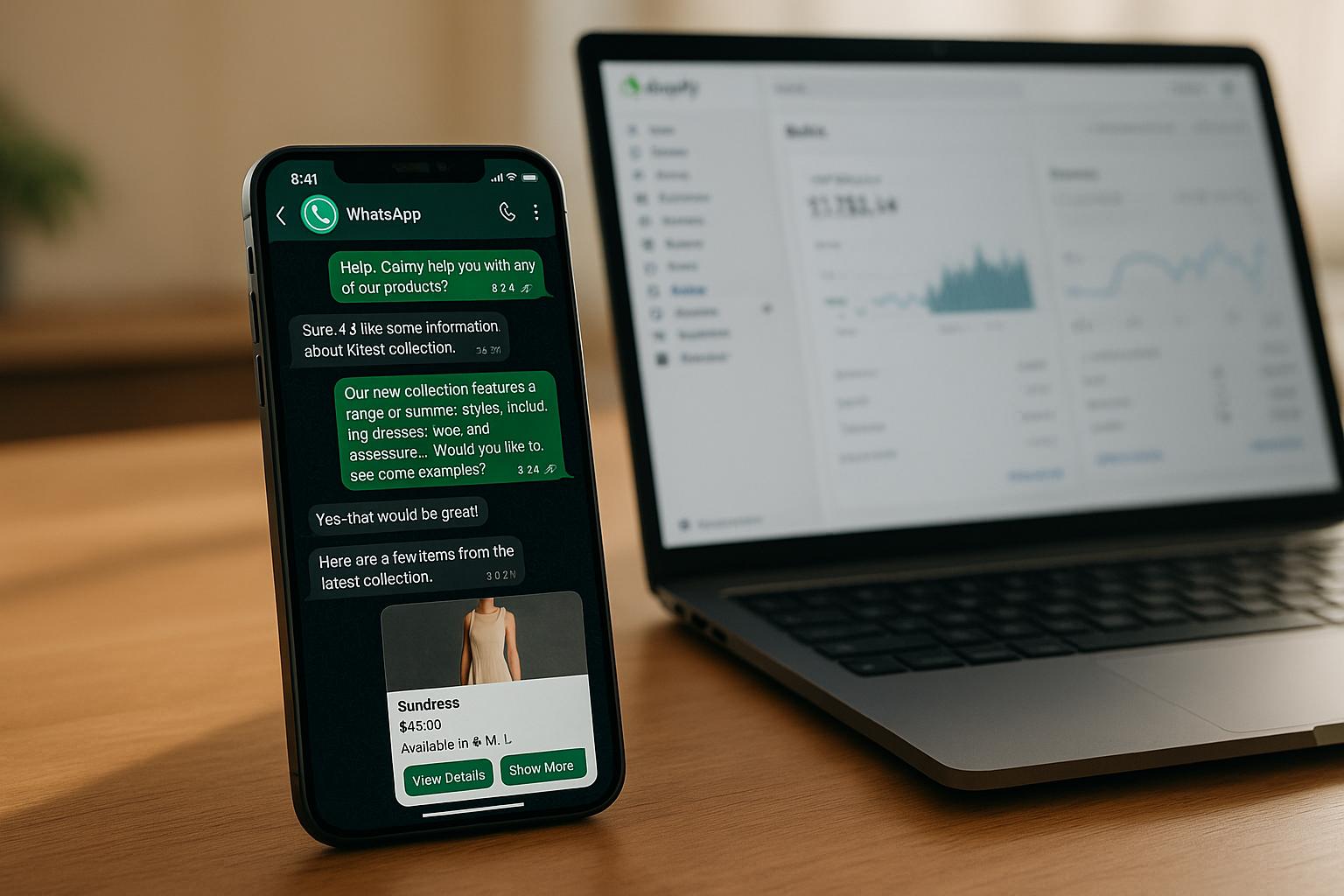
Shopify AI agents are smart digital assistants designed to streamline e-commerce operations by using real-time store data. These agents go beyond just answering questions - they actively perform tasks like retrieving order details, sending personalized follow-ups, and offering tailored recommendations. Thanks to their deep integration with Shopify, they understand the context of customer interactions and can respond or act accordingly, all without relying on rigid scripts.
One of their standout abilities is task execution. For example, instead of merely explaining how a customer can track an order, an AI agent can instantly fetch and display the tracking details. Similarly, if a shopper asks about a specific product's availability - like a certain size or color - the agent can access inventory data to provide accurate answers or suggest alternatives when needed.
These agents connect seamlessly with Shopify's ecosystem, tapping into your product catalog, inventory system, order management, customer database, and marketing tools. This integration enables them to deliver precise and helpful responses in a conversational, natural tone.
Another key feature is their omnichannel capability. Shopify AI agents can engage with customers across multiple platforms, including website chat widgets, email, SMS, and social media. This consistency ensures that customer preferences and previous interactions are preserved, no matter the communication channel.
Main Features of Shopify AI Agents
Shopify AI agents offer a wide range of features to support e-commerce businesses:
- Real-time Order Tracking: Instantly retrieves shipping status, carrier details, and estimated delivery times directly from Shopify when customers ask about their orders.
- Personalized Recommendations: Uses browsing behavior, purchase history, and cart contents to suggest products tailored specifically to each customer, moving beyond generic recommendations.
- Customer Query Handling: Provides quick, accurate answers to questions about product details, return policies, item comparisons, and more, ensuring customers always get the assistance they need.
- Inventory Insights: Alerts customers when items are low in stock, suggests alternatives, or enables notifications when products are back in stock - keeping customers engaged even when their desired items aren’t immediately available.
- Checkout Assistance: Guides customers through the checkout process, clarifies payment options, and reduces friction at the final stages of purchase.
These features work together to create a smooth and efficient shopping experience for customers.
How Shopify AI Agents Work in E-Commerce Operations
Shopify AI agents are powered by deep integration with your store’s data through Shopify’s API. This connection allows them to access essential information like product catalogs, customer profiles, order histories, and inventory levels. They don’t just retrieve data - they can also update records and perform actions as needed.
For instance, if a customer asks about a product's availability, the AI agent checks the inventory system and provides an instant response. If the customer needs further help - like assistance during checkout - the agent continues the interaction seamlessly, offering relevant guidance and support.
These agents also excel in omnichannel interactions. Whether a customer starts a conversation on your website and later switches to email, the AI agent retains the context of previous interactions. This ensures consistent and personalized support, no matter how or where the customer reaches out.
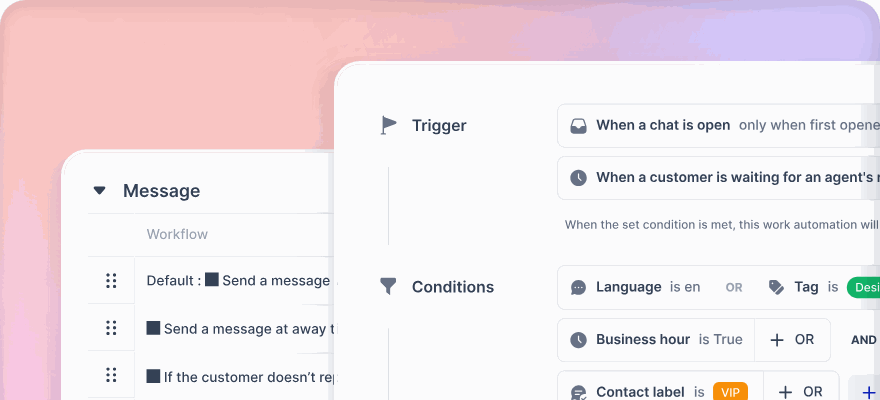
Additionally, Shopify AI agents use automated triggers to respond to specific customer behaviors. For example, if a shopper frequently visits a product page without making a purchase, the agent can step in with assistance or highlight special offers. This automation not only enhances the customer experience but also allows your support team to focus on more complex issues.
How AI Agents Increase Sales Conversion
Shopify AI agents play a direct role in boosting your revenue by stepping in at the pivotal moments when customers decide to buy - or leave. By focusing on these decision points, they not only help increase sales but also reduce cart abandonment. These agents work in real-time to smooth out the shopping process, answer questions, and guide customers toward completing their purchases, leading to noticeable improvements in conversion rates.
Increasing Sales Through Personalized Product Recommendations
Shopify AI agents take personalization to the next level, using real-time data to craft tailored product recommendations that resonate with individual shoppers. These agents analyze a variety of factors - browsing habits, cart contents, and purchase history - to suggest products that align with customer preferences. This goes well beyond the generic "customers also bought" suggestions you see in many stores.
For example, if a customer adds running shoes to their cart, the AI might recommend moisture-wicking socks or a water bottle, knowing they’ve shown interest in fitness gear. If someone frequently browses winter jackets but hasn’t made a purchase yet, the agent might highlight similar styles they’ve viewed, paired with a promotion or a limited-time discount.
Timing is everything. These agents deliver recommendations at the most effective moments - when a customer adds an item to their cart, while they’re browsing product details, or right before checkout. This thoughtful timing ensures that suggestions feel relevant and helpful, rather than random or intrusive.
What makes these recommendations effective is their ability to feel personalized and considerate. Customers appreciate suggestions that align with their interests, and the AI essentially acts like a personal shopping assistant - one that remembers their preferences and makes every interaction feel meaningful.
Answering Pre-Purchase Questions Instantly
Unanswered questions can stop a sale in its tracks. If customers can’t quickly find details about sizing, materials, shipping costs, or return policies, they’re likely to leave and look elsewhere. AI agents tackle this issue head-on by providing instant, accurate answers to customer inquiries.
Speed is crucial here. Online shoppers expect near-instant responses, and even slight delays can lead to abandonment. Shopify AI agents respond in seconds, pulling information directly from your product catalog, inventory, and store policies.
These agents handle a wide range of questions with precision. For instance, if someone asks, "Does this sweater come in navy blue?" the AI instantly checks inventory and provides an answer. If a shopper wants to know about return windows, the agent delivers the exact policy details without making them sift through multiple pages. Questions about dimensions, care instructions, or compatibility with other items are handled just as seamlessly.
This accuracy builds trust. Unlike basic chatbots that might give vague or outdated responses, Shopify AI agents rely on real-time data from your store, ensuring every answer is correct. By eliminating uncertainty, these agents help customers feel confident in their purchase decisions, which directly translates to higher conversion rates. Shoppers don’t have to email customer service, wait for a reply, or leave your site to search for answers elsewhere. Instead, they get the information they need instantly, making the buying process smooth and reassuring.
Engaging Hesitant Shoppers Before They Leave
AI agents are also skilled at identifying when a customer is about to leave without completing a purchase. They pick up on behavioral cues like lingering on the checkout page, hovering near the browser’s back button, or repeatedly viewing the same product without adding it to the cart.
The way these agents respond depends on what’s causing the hesitation. If a shopper keeps revisiting the shipping section, the agent might highlight delivery options or mention free shipping thresholds. For a customer stuck on a product page, the agent could offer to answer questions or share additional details about the item.
Price concerns are another common hurdle. In these cases, AI agents can present discount codes, payment plans, or bundle deals to make the purchase more appealing. These offers are timed perfectly, appearing just as the customer is weighing their options and could use an extra nudge.
The tone of these interactions is key. Instead of pushy pop-ups, the agent might ask, "Need help finding the right size?" or "Would you like to know about our 60-day return policy?" This approach feels conversational and helpful, respecting the customer’s decision-making process while offering genuine support.
For customers browsing multiple products without committing, AI agents can create a sense of urgency. Letting them know that only a few items remain in their preferred color or that a sale ends soon can encourage action - especially when this information is accurate and relevant to what they’ve been viewing.
These strategies are effective because they adapt to each customer’s behavior rather than relying on generic scripts. By addressing specific concerns or questions in real-time, AI agents make shoppers feel understood and supported, which builds trust and encourages them to complete their purchase.
sbb-itb-204ca50
Reducing Cart Abandonment with Automated Workflows
Cart abandonment happens for plenty of reasons, but Shopify AI agents are designed to tackle these challenges head-on. They use automated workflows to detect when a customer is about to leave their cart behind and take immediate steps to re-engage them. These workflows deliver targeted responses tailored to the specific reasons for hesitation. While earlier sections covered how AI boosts conversions, these workflows are all about addressing cart abandonment and turning potential losses into completed sales. And they work seamlessly alongside other AI strategies to keep customers engaged.
Detecting and Responding to Cart Abandonment Signals
Shopify AI agents keep a close eye on customer behavior throughout the shopping process, looking for signs that someone might leave without finishing their purchase. These signs include lingering too long on checkout pages or frequently switching between product pages.
Once the AI picks up on these patterns, it acts quickly. Instead of waiting hours or days to send a follow-up email, it intervenes in real time. For example, if a customer hesitates at checkout, the AI might display a message highlighting benefits like free returns, warranties, or customer reviews. If shipping costs seem to be the issue, the AI can show the free shipping threshold and how much more the customer needs to spend to qualify.
It doesn’t stop there. If an item is removed from the cart, the AI might ask why - whether it’s a question about price, size, or availability. This interaction often uncovers solvable issues. For instance, if someone removes a shirt because they’re unsure about the fabric, the AI can provide that information, potentially saving the sale.
These real-time responses are key because they address concerns while the customer is still engaged. Waiting until they’ve closed the browser often means losing the momentum of their interest. By stepping in at the right moment, AI agents can resolve doubts before they become deal-breakers.
Automated Follow-Ups Across Multiple Channels
When a customer does leave their cart behind, the system shifts into recovery mode. Shopify AI agents launch follow-up campaigns across channels like chat, email, and SMS to re-engage the customer. These campaigns are carefully crafted to be effective without feeling repetitive or overwhelming.
The timing of follow-ups depends on the customer’s behavior. The first message typically includes a direct link back to their cart and addresses common reasons for abandonment, such as clarifying shipping timelines or emphasizing return policies.
If the initial attempt doesn’t work, the AI adjusts its approach for subsequent messages. For example, a later email might showcase customer reviews of the abandoned items or highlight how many other shoppers recently purchased those products. The content and timing are fine-tuned based on what has worked for similar customers in the past.
For high-value or repeat customers, the AI may offer a limited-time discount in a third follow-up - but only after trying to recover the sale without discounts. This ensures that your margins are protected while still providing an incentive when needed.
The multi-channel strategy is essential because different customers respond to different methods. Some might act on an SMS notification, while others prefer email. The AI tracks which channels each customer engages with and prioritizes those for future communications. For example, if someone frequently opens emails but never clicks, the system might switch to SMS for the next attempt.
To avoid annoying customers, the AI limits follow-ups to a reasonable number. Instead of bombarding them with daily reminders, it might send three well-timed messages over a week and then pause. This balanced approach keeps your brand on their radar without becoming intrusive.
Building Customer Trust with Personalized Messages
Personalized follow-ups are the key to earning customer trust and recovering abandoned carts. Generic emails like “You forgot something!” often get ignored. Instead, Shopify AI agents craft messages tailored to each customer’s specific situation, addressing their concerns in a way that feels helpful rather than pushy.
These messages reference the exact products left in the cart and include details that show the AI understands the customer’s needs. For instance, if someone abandoned a cart with baby products, the message might highlight safety certifications and fast shipping. If it was workout gear, the focus could shift to durability and warranty information.
The tone and language also adapt based on the customer’s history with your brand. First-time visitors might receive messages that emphasize security features, testimonials, and return policies to build trust. Returning customers, on the other hand, might get more familiar messaging that acknowledges their loyalty and references previous purchases.
Even incentives are personalized. Instead of generic discount codes, the AI might address specific concerns. For example, a shopper worried about sizing could receive a message emphasizing free returns and exchanges, while someone put off by shipping costs might get information about in-store pickup options.
The tone of these messages is respectful and conversational. Instead of demanding, “Complete your purchase now!” the AI might say, “We noticed you were checking out our winter boots - do you have any questions about sizing?” This approach maintains the relationship even if the customer doesn’t convert right away.
Transparency also plays a big role in building trust. If an item left in the cart is running low on stock, the AI mentions it factually, avoiding any sense of false urgency. If prices have changed, the message clearly explains why. This honesty strengthens credibility and increases the likelihood that the customer will return, even if they don’t complete the current purchase.
Measuring Performance and Improving Results
To refine your AI workflows and ensure their effectiveness, it’s crucial to track the right metrics. These measurements provide the insights needed to fine-tune your approach and improve outcomes.
Key Metrics for Measuring AI Agent Success
Measuring performance starts with understanding how your AI impacts customer engagement and business results. Here's a breakdown of the key metrics to monitor:
- Conversion rate: This shows the percentage of visitors who complete a purchase after interacting with your AI. Compare this rate to your store's overall conversion rate to gauge the AI's influence. Additionally, look at the assisted conversion rate to understand how the AI contributes across the customer journey.
- Cart recovery rate: This metric tracks the percentage of abandoned carts that turn into completed purchases after AI intervention. It highlights how well your follow-up workflows re-engage customers.
- Response time: Quick responses often lead to happier customers and better conversion rates. Measure how fast your AI addresses inquiries and compare the number of queries it resolves independently versus those escalated to human agents. Frequent escalations might signal a need for better training or enhanced product information.
- Engagement rate: This measures how many visitors interact with your AI. A low engagement rate could mean your chat widget or initial greeting isn’t appealing enough. If engagement is high but conversions remain low, it may indicate the AI needs better transactional capabilities.
- Message volume and resolution rate: These metrics show how many customer inquiries the AI handles and the percentage resolved without human help. They can reveal opportunities to increase efficiency and lower support costs.
- Average order value (AOV): Compare the AOV of AI-assisted purchases to non-assisted ones. A higher AOV for AI-engaged customers suggests that personalized recommendations are working effectively.
- Channel performance: Evaluate which communication channels - like chat, email, or SMS - yield the best results for cart recovery and other interactions. This helps you focus resources on the most effective methods.
Improving AI Workflows Based on Data
Once you’ve established baseline metrics, use the data to make targeted improvements. Start by analyzing conversation logs to uncover common customer questions. For instance, if many inquiries involve product sizing, update your product pages with detailed sizing charts and have the AI proactively address these concerns.
Identify where customers disengage. If users frequently drop off after receiving product recommendations, this might signal a need for more tailored suggestions. Enhance your recommendation algorithm by factoring in additional customer behavior insights to make the suggestions more relevant.
Experiment with messaging strategies through A/B testing. Test variations in tone, timing, and incentives to determine what resonates most with your audience. Once you find an effective approach, implement it consistently.
Pay attention to seasonal trends and time-based patterns. For example, if cart abandonment spikes during specific times or conversion rates vary by time of day, adjust the AI’s behavior to align with these patterns.
Monitor which products drive the most AI interactions and lead to conversions. Use this information to improve product descriptions or program the AI to offer extra reassurances, like extended warranties or flexible payment options, for higher-value items.
Gather direct customer feedback through post-purchase surveys. Ask specific questions like, "Did the chat assistant help you make your decision?" or "Was the information provided accurate?" to pinpoint areas for improvement and refine the AI’s training.
Review escalation patterns to understand when the AI hands off to human agents. For example, if escalations frequently occur around return policies or order modifications, expand the AI’s capabilities in these areas and update its knowledge base regularly.
Track performance across different customer segments. For example, new visitors might respond better to trust-building content, while returning customers may prefer loyalty-focused messaging. Tailoring your approach for each group can lead to better results.
Finally, calculate the return on investment (ROI) of your AI agents by comparing the additional revenue generated from assisted conversions to the technology’s cost. A positive ROI not only validates your investment but also supports further refinement of your AI-driven strategies.
Conclusion
Shopify AI agents are transforming how businesses engage with customers and drive sales. These tools provide instant responses, assist indecisive shoppers, and send personalized recovery messages - all without requiring constant human oversight.
Key Benefits of Shopify AI Agents
These AI-powered tools deliver results that directly impact business performance:
- Boosted conversion rates: Shoppers who engage with AI chat convert at a rate of 12.3%, compared to just 3.1% for those who don’t - a nearly fourfold increase.
- Reduced cart abandonment: Proactive AI chats recover about 35% of abandoned carts by detecting when customers are about to leave and sending timely, tailored messages. For instance, one Shopify merchant saw a 35% drop in cart abandonment within six weeks of implementing a dual-agent system. Another merchant reported a 22% reduction in abandonment and three times more qualified leads.
- Higher spending per customer: AI agents suggest add-ons or dynamic bundles based on the shopper’s cart. Returning customers who interact with AI chat tend to spend about 25% more than those who don’t. One beauty brand achieved an 11% increase in conversions by using an AI assistant to provide quicker, more accurate product answers.
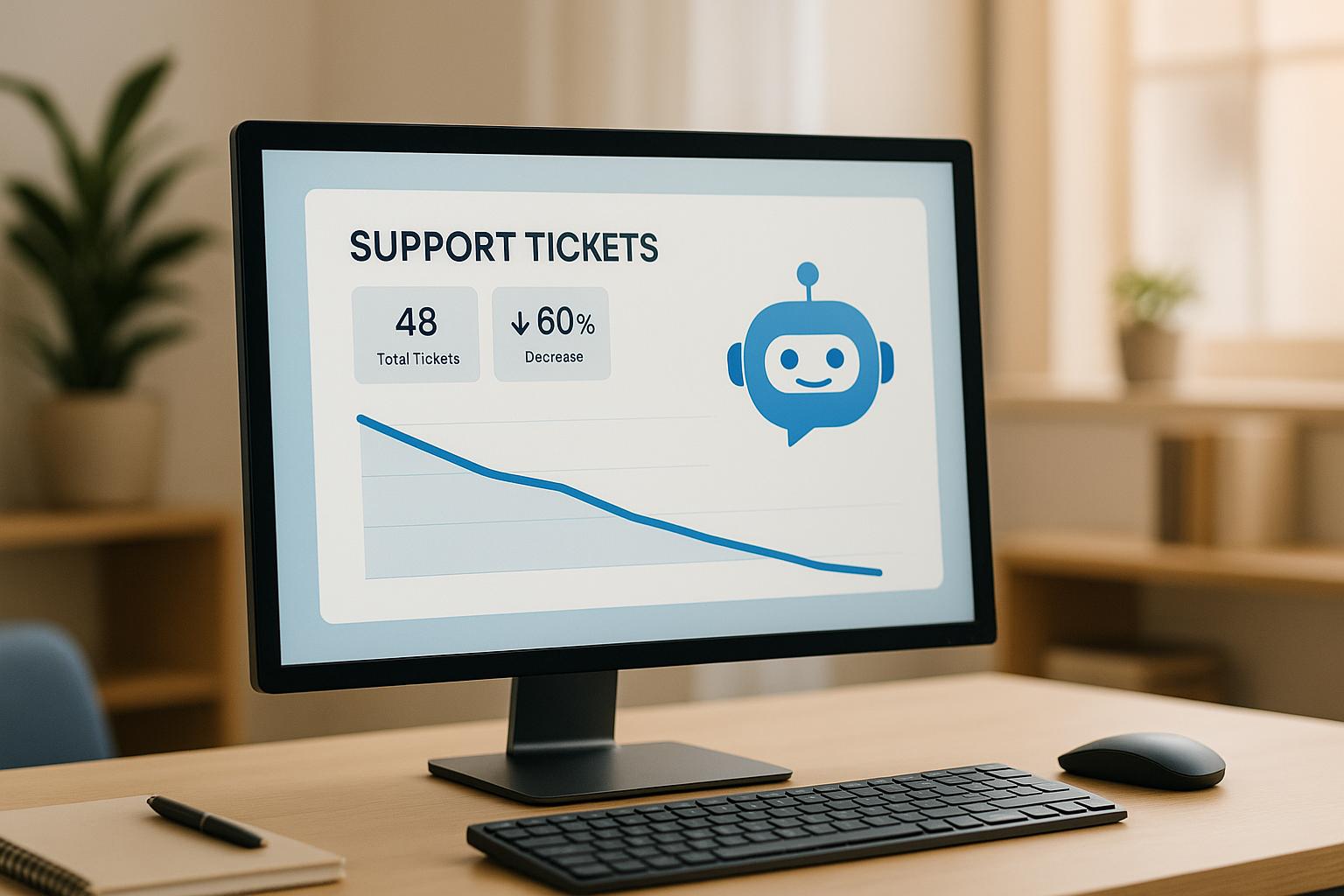
- Lower customer service costs: By handling repetitive queries and off-hours support, AI chatbots can cut customer service expenses by up to 30%. This allows your team to focus on more complex issues and meaningful customer interactions.
Personalization is a driving force behind these outcomes. Studies show that 80% of consumers are more likely to purchase from brands offering personalized experiences, and AI-powered personalization can increase e-commerce revenue by roughly 15%.
Steps for Shopify Merchants to Get Started
To harness these benefits, here’s how Shopify merchants can integrate AI into their operations:
- Pinpoint high-impact use cases: Focus on areas like pre-purchase Q&A and cart recovery, moments when customers often hesitate or abandon their carts. Opt for an AI solution that integrates seamlessly with Shopify, ensuring smooth access to product data, inventory, and order details.
- Set up strategic prompts: Configure AI to recommend top-selling or high-margin products and create automated abandoned-cart outreach campaigns via email or SMS. Use A/B testing to refine offers, messaging, and timing, then track metrics like conversion rates, cart recovery rates, and average order value to measure success.
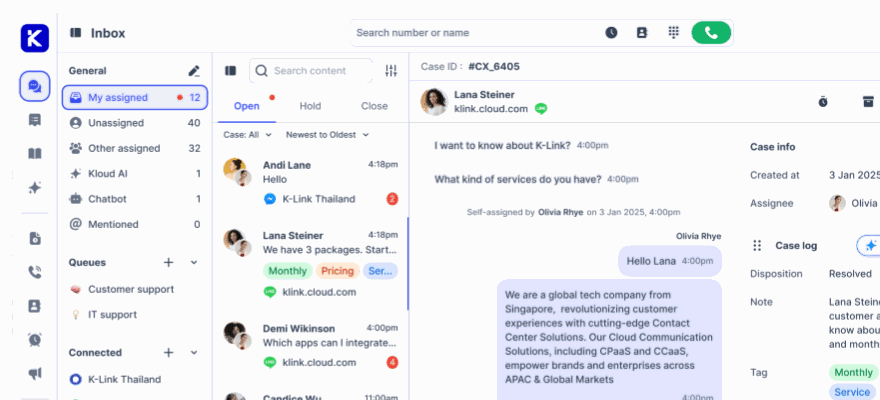
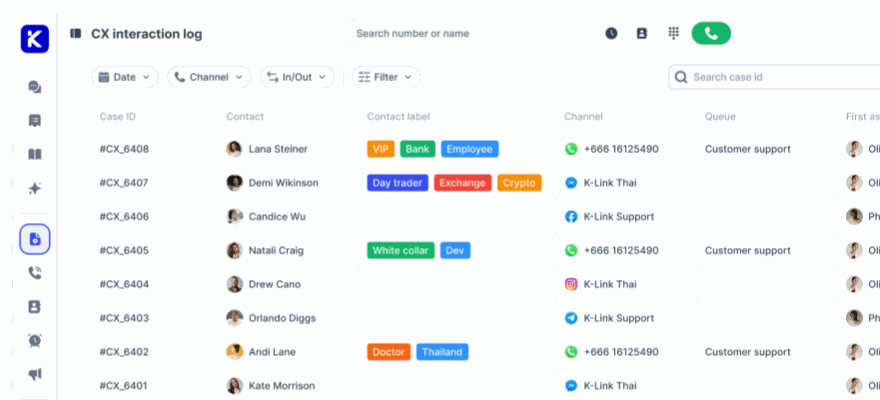
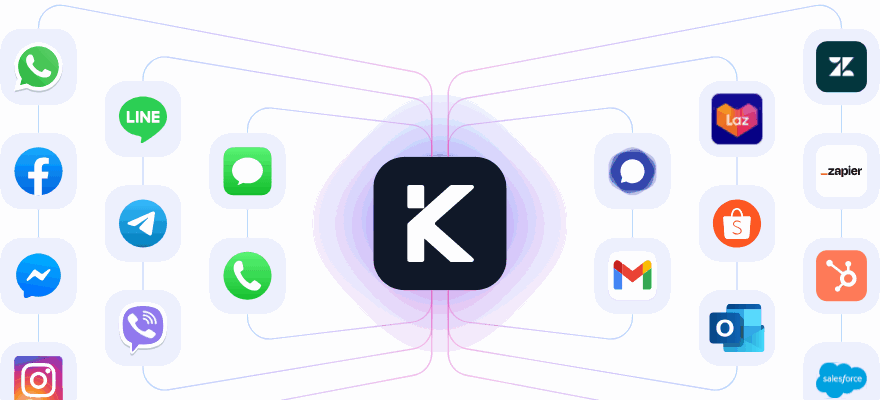
- Leverage multi-channel integration: Tools like klink.cloud can connect your AI agents to email, SMS, and social platforms, enabling automated follow-ups and cart recovery across multiple channels. With centralized customer profiles and conversation histories, your AI can deliver consistent, personalized engagement.
- Continuously refine your AI: Analyze conversation logs to identify common customer questions or pain points. Use these insights to improve your product pages and AI prompts. Regular updates ensure your AI stays effective as technology evolves.
- Maintain responsible practices: Train your AI on accurate product and policy information, set limits on discounts to protect profits, and make it clear when customers are interacting with an AI assistant. Always provide an easy transition to human support for complex or high-value inquiries. Transparency and accuracy are essential for building trust - and trust leads to conversions.
FAQs
How do Shopify's AI agents enhance the shopping experience to boost sales and reduce cart abandonment?
Shopify's AI agents elevate the shopping experience by delivering personalized product recommendations tailored to each customer's preferences and browsing history. This approach makes it easier for shoppers to find items they’re likely to love, boosting the chances they'll make a purchase.
On top of that, AI agents provide real-time customer support, instantly addressing questions or concerns. This quick assistance builds trust and helps reduce any hesitation during the checkout process. They also handle automated follow-ups, like sending reminders for abandoned carts, gently nudging customers to complete their purchases. Together, these features create a smooth, engaging shopping journey that encourages sales and enhances customer satisfaction.
How do Shopify AI agents help reduce cart abandonment?
Shopify's AI agents are a game-changer when it comes to tackling cart abandonment. They step in to reconnect with shoppers by sending personalized reminders about the items they left behind. This gentle nudge often rekindles interest and brings customers back to finish their purchase.
But that's not all - these AI agents also offer real-time support, addressing questions or concerns that might otherwise stop a shopper from checking out. By making the shopping experience smoother and more reassuring, they help strengthen customer trust and motivate them to complete their orders.
What key metrics should I track to measure the impact of Shopify AI agents on my e-commerce store?
To evaluate how well Shopify AI agents are performing in your e-commerce store, keep an eye on a few key metrics:
- Sales Conversion Rate: Measure the percentage of visitors who make a purchase after interacting with AI features like personalized product suggestions or automated follow-ups. This shows how effectively AI tools are turning browsers into buyers.
- Cart Abandonment Rate: Identify how many customers leave items in their carts without completing the purchase. Then, see if AI-driven reminders or support tools are helping to lower this number.
- Customer Satisfaction (CSAT): Collect feedback through surveys or other tools to see how customers feel about their shopping experience with AI assistance.
Tracking these metrics gives you a clear picture of how Shopify AI is boosting sales and improving customer interactions in your store.