
Real Success Stories: E-commerce Brands Using AI Agents
AI agents are reshaping customer service in e-commerce by handling repetitive tasks, offering personalized support, and managing communication across multiple channels. They provide instant responses, recommend products based on browsing history, and automate processes like returns and order tracking. This allows businesses to improve customer satisfaction, reduce costs, and boost sales while freeing human agents to focus on complex issues.
Key Takeaways:
- Faster Support: AI agents respond instantly, ensuring 24/7 availability without delays.
- Personalized Recommendations: Tailored suggestions based on customer behavior increase sales.
- Task Automation: Routine queries like shipping updates and returns are handled seamlessly.
- Omnichannel Management: AI unifies interactions across email, chat, SMS, and social media.
- Proven Results: Companies report up to 80% faster response times, 25% higher satisfaction scores, and significant cost reductions.
For e-commerce brands, adopting AI agents can streamline operations and deliver the fast, reliable service customers expect.
Salesforce Reveals How Much Growth Retailers Using AI Agents are Experiencing
How AI Agents Work in E-commerce
AI agents act as smart digital assistants, managing customer interactions, processing requests, and completing tasks on their own. They analyze incoming messages, figure out what the customer needs, and pull relevant data from inventory systems or order databases to deliver accurate responses or take action. By combining natural language processing with machine learning, these systems interpret questions, spot patterns, and continuously improve their performance.
What sets AI agents apart from traditional automation tools is their ability to handle more complex conversations. For instance, they can reference previous purchases, understand the context of earlier messages, and adjust their tone based on customer sentiment. Imagine a shopper asking about "that blue jacket I looked at yesterday." The AI agent can connect this vague inquiry to the customer’s browsing history and provide precise product details.
E-commerce businesses use AI agents throughout the entire shopping experience. These systems welcome visitors on product pages, answer questions before purchase, assist during checkout, provide order updates, handle post-purchase issues, and even re-engage customers who left items in their carts. Operating behind the scenes, AI agents manage thousands of interactions simultaneously, maintaining high-quality responses every time. This approach significantly boosts customer satisfaction, streamlines operations, and simplifies managing various communication channels.
Improving Customer Experience with AI
AI agents have completely transformed how customers experience online shopping. They offer instant, tailored support 24/7, eliminating long wait times for simple queries about product details, shipping fees, or return policies.
Personalization goes far beyond just addressing customers by name. AI agents analyze browsing habits, past purchases, and other data to recommend products that truly fit the customer’s needs. For example, when someone asks for gift suggestions, the system uses available information to present options that align with the recipient’s preferences. This level of service used to require experienced sales associates who knew their customers personally.
The always-on availability of AI agents is another game-changer. Customers shopping across different time zones or during odd hours no longer face delays. Whether it’s a midnight question about product compatibility or a weekend request for an order update, AI agents handle it seamlessly - no need for businesses to staff around the clock.
Speed is critical in online retail, and AI agents deliver. Studies reveal that customers expect responses in minutes, not hours. Unlike human agents, who might juggle three to five conversations at once, AI systems manage hundreds - even thousands - of interactions simultaneously, all without compromising quality.
AI agents also remember the context of customer interactions across multiple channels. If a shopper starts a chat, follows up via email, and later reaches out on social media, the AI retains the conversation history. This eliminates the frustration of repeating information and ensures a smooth, consistent experience. By handling routine queries, AI agents also free up human staff to focus on more complex issues.
Automating Routine Tasks
AI agents excel at managing repetitive and predictable tasks, such as answering questions about orders, shipping, returns, and account updates. Instead of passing these requests to human agents, the system taps into order management tools, retrieves real-time updates, and provides instant answers.
For example, AI agents use shipping APIs to offer real-time tracking details, including package location, estimated delivery times, and delay notifications. This automation saves human agents from spending time on status checks, allowing them to tackle more challenging problems.
Returns and exchanges - often a multi-step process - become much simpler with AI. The system verifies purchase dates, checks return eligibility, generates return labels, provides shipping instructions, and initiates refunds. Customers can complete the entire process through a conversational interface without needing human intervention, cutting processing time from days to minutes.
AI agents also handle frequently asked questions with ease. Whether customers are asking about product specifications, sizing guides, payment options, or shipping methods, the system pulls answers directly from a knowledge base. Unlike static FAQ pages, which require manual searching, AI agents deliver quick, specific responses in a conversational style.
Tasks like password resets, address updates, and subscription changes are also streamlined. AI agents guide users through secure workflows, verifying identities with security questions or two-factor authentication before making changes. This self-service capability reduces support ticket volume and speeds up resolution times, leaving customers more satisfied.
Managing Multiple Communication Channels
Modern shoppers expect support across a variety of platforms - email, live chat, SMS, social media, and messaging apps. Managing these channels separately often leads to fragmented experiences, where customers receive inconsistent information and agents lose context when conversations shift between platforms.
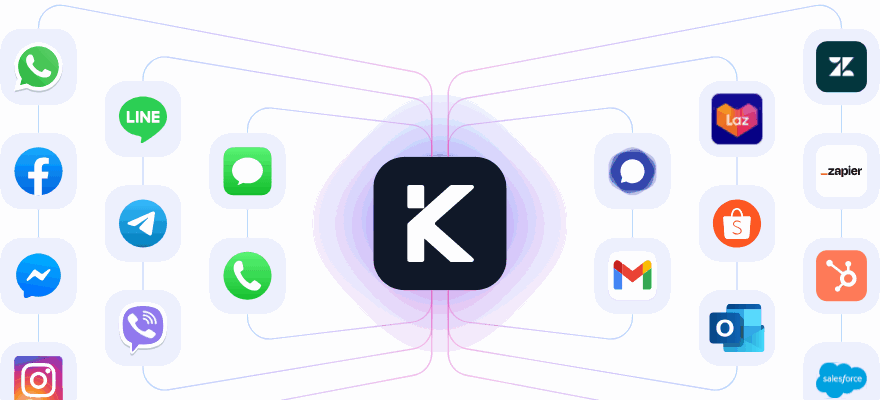
AI agents solve this problem by unifying all communication channels. They track customer interactions across platforms, maintaining a complete conversation history so customers don’t have to repeat themselves. This omnichannel approach ensures consistent, seamless service no matter how or where customers reach out.
Social media, in particular, presents unique challenges for customer service teams. Brands must respond quickly to comments, direct messages, and mentions to maintain their reputation. AI agents monitor social channels continuously, identifying service requests and responding appropriately. They can distinguish between urgent complaints and general inquiries, ensuring each gets the attention it deserves.
Email automation with AI goes beyond simple auto-replies. The system reads incoming messages, categorizes them by urgency, extracts key details like order numbers, and generates tailored responses. For more complex issues, the AI routes emails to human agents with summaries and suggested actions, speeding up resolution times.
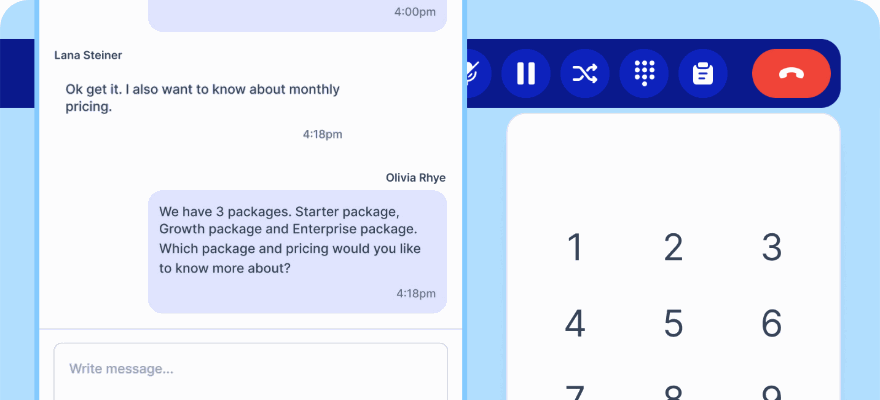
Live chat sees major benefits from AI support. The technology greets customers, identifies their needs, resolves straightforward issues, and escalates more complex cases to human agents when necessary. During handoffs, the AI provides a summary of the conversation, customer history, and potential solutions, ensuring a smooth transition.
For SMS and messaging apps, where brevity is key, AI agents adapt their communication style to fit the platform. They deliver concise, actionable responses for text messages while offering more detailed explanations via email or live chat. This flexibility improves customer engagement and ensures clear communication across all channels.
E-commerce Brands Using AI Agents
AI agents are transforming the way e-commerce brands operate, delivering faster service, optimizing workflows, and driving sales growth. Let’s dive into a few real-world examples that highlight how these tools are reshaping the industry.
Case Study 1: Boosting Customer Satisfaction
A mid-sized fashion retailer faced a flood of customer inquiries during high-demand periods like Black Friday and the holiday season. Questions about sizing, shipping updates, and order status overwhelmed their support team, leading to slower responses and frustrated customers.
To tackle this, the retailer deployed AI agents to handle routine inquiries and connect directly with their back-end systems. This move significantly sped up response times, allowing human agents to focus on more complex tasks such as resolving issues with damaged items or managing special requests. The result? Happier customers and a more motivated support team.
Case Study 2: Driving Sales with Smarter Recommendations
A home goods retailer wanted to increase the average order value but found traditional upselling methods - like email campaigns - too generic to be effective. They turned to AI agents to provide personalized product recommendations during live customer interactions.
For example, if a customer asked about a dining table, the AI agent would suggest complementary items like matching chairs, table linens, or protective pads. These suggestions were tailored based on the customer’s browsing history and shopping cart contents. Over time, these targeted recommendations boosted both sales and conversion rates. Additionally, the retailer used data insights from the AI system to refine inventory and create bundle offers that resonated with shoppers. This case shows how AI can make shopping more intuitive while directly impacting the bottom line.
Case Study 3: Reducing Operating Costs
An electronics retailer faced rising service costs while trying to maintain 24/7 customer support. A large team of human agents was required to handle inquiries, making round-the-clock service expensive and difficult to sustain.
By introducing AI agents to manage routine tasks, the retailer reduced its reliance on human agents for basic queries. This allowed the team to focus on more complex and high-value interactions, improving overall service quality. The streamlined operations not only cut costs but also reduced errors and customer disputes. With lower expenses, the company was able to allocate more resources to personalized support, creating a balanced and efficient service model.
These examples underscore how AI agents can tackle diverse challenges in e-commerce, from enhancing customer satisfaction to improving operational efficiency and driving sales growth. AI is proving to be a game-changer for retailers looking to stay competitive in today’s dynamic market.
sbb-itb-204ca50
How to Implement AI Agents
When rolling out AI agents, a structured plan is key. Start by pinpointing high-volume, repetitive customer inquiries - think order tracking, shipping questions, and basic product FAQs. These tasks are perfect for automation since they follow predictable patterns and don’t demand complex decision-making.
Set clear objectives and measurable goals. For example, aim to reduce handling times, enhance customer satisfaction, or lower support costs by 20-30%. If you're running a U.S.-based e-commerce store, track metrics like the percentage of tickets automated, changes in conversion rates from chat interactions, the impact on repeat purchases, and support cost savings in dollars. Laying this groundwork ensures a smoother integration of AI into your customer service operations.
Using klink.cloud for AI Implementation
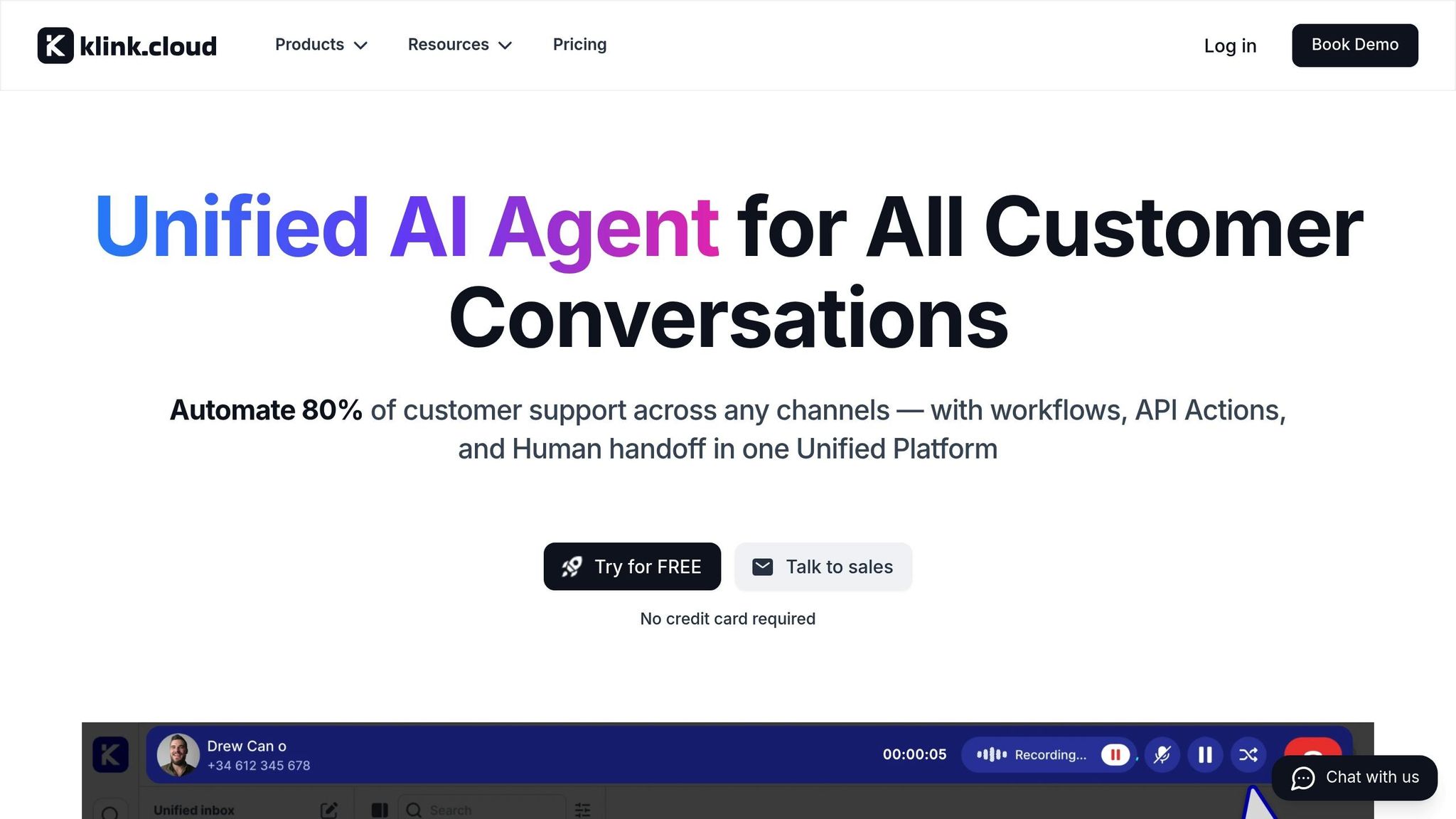
Choosing the right platform is crucial for deploying AI agents effectively. klink.cloud offers an all-in-one solution, integrating seamlessly with major e-commerce systems like Shopify, WooCommerce, and Magento, as well as popular CRMs and helpdesks.
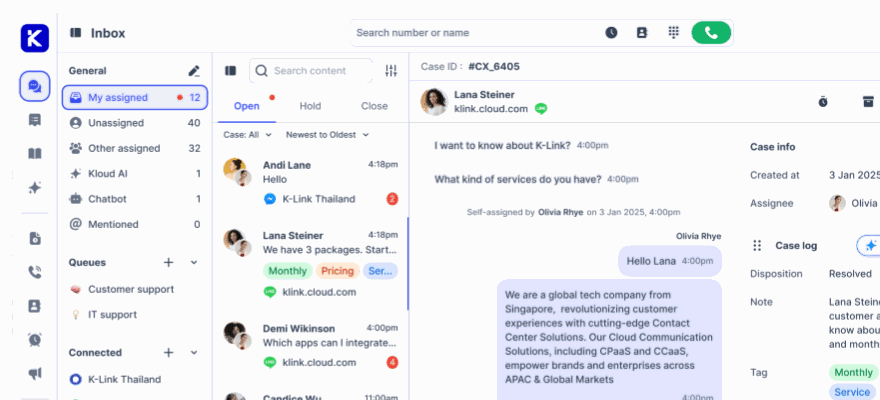
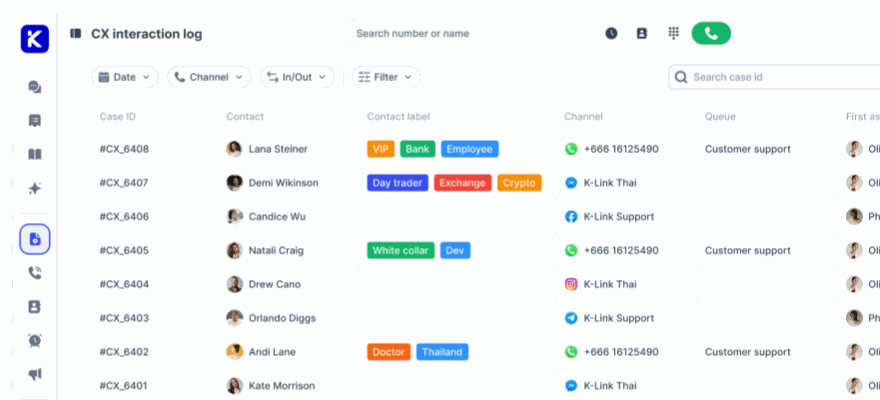
One standout feature of klink.cloud is its true omnichannel functionality. Imagine a customer starting a chat on your website, following up via email, and checking order updates through SMS - all of these interactions are merged into a single conversation thread. This unified view ensures the AI agent has the complete context, so customers won’t need to repeat themselves. This is especially important for U.S. shoppers, who often switch between mobile, desktop, and social platforms during their buying journey.
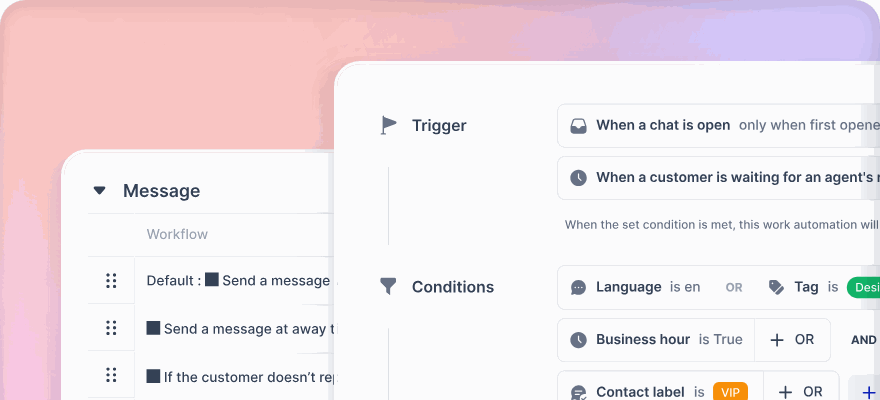
The platform also streamlines workflows with automation and smart routing. For example, if a customer asks about their order status, the AI can instantly retrieve tracking details. If someone wants to return a product, the agent can verify eligibility, generate a return label, and update your inventory system - all within seconds. For more complex issues, the AI smoothly escalates the conversation to a human agent, providing all the necessary context.
Real-time dashboards are another advantage. These track key metrics like ticket volume by channel, AI containment rates, customer satisfaction scores, response times, and escalation rates. You can even measure revenue impact by analyzing conversion rates and average order value from AI-assisted sessions. These insights allow you to fine-tune your strategy based on actual performance.
Steps for Successful AI Deployment
With clear goals and a reliable platform in place, follow these steps to maximize your AI implementation:
Start with a phased rollout using an “assist mode” to refine the AI’s responses. Begin with straightforward tasks like order tracking and product FAQs, which deliver immediate benefits. As you gain confidence and collect training data, expand to more complex areas like returns processing, product recommendations, and loyalty program inquiries. This gradual approach helps catch errors early while improving the AI’s accuracy.
Data preparation plays a critical role. Consolidate and update essential documents, such as return policies, shipping rules, product catalogs, and FAQs. Ensure all information reflects U.S.-specific details like prices in USD, shipping options, time zones, and holiday schedules. Review historical support tickets, labeling them by intent and outcome, to create a robust training dataset. This ensures the AI learns from real customer interactions.
Define boundaries for sensitive topics. Clearly outline how the AI should handle refund exceptions, legal inquiries, or other situations requiring human judgment. Set up escalation rules to route these cases to experienced agents. Regularly review conversation logs to identify gaps or risky responses that need adjustments.
Don’t overlook team preparation. Help your agents see AI as a tool that eliminates repetitive tasks, allowing them to focus on complex issues, VIP customers, and sales opportunities. Host workshops to explain the AI’s capabilities and limitations, train agents to review and refine AI responses, and adjust performance metrics to reward quality and collaboration instead of just ticket volume.
Realistic expectations are essential. Industry benchmarks show that effective AI implementations typically automate 40-80% of common inquiries, improve customer satisfaction scores by 20-30%, and reduce service costs by a similar margin. Many e-commerce brands also report faster response times - up to 60-90% - and increased average order values when AI assists with product discovery.
After launching, establish a monthly review process. Analyze misclassified intents, unsatisfactory interactions, and escalation trends to refine workflows and update training data. Adjust prompts based on what’s working and introduce new automations tailored to seasonal needs, like handling Black Friday traffic or post-holiday returns.
Finally, adhere to U.S. data security and support standards. Ensure your platform has strong data protection measures and clear retention controls. Let customers know when they’re interacting with AI, but make it easy for them to switch to a human agent if needed. U.S. shoppers value quick, 24/7 responses but also appreciate accessible human support, so include clear “talk to a person” options with realistic wait times.
The goal isn’t to replace human agents but to create a balanced service model. Let AI handle routine tasks efficiently while your team focuses on interactions requiring empathy, creativity, or nuanced judgment. Done thoughtfully, AI agents can enhance both the customer experience and employee satisfaction.
Conclusion
AI agents have transitioned from being experimental tools to becoming a backbone for e-commerce brands. Real-world examples highlight how these agents enhance customer experiences, simplify operations, and boost revenue.
Brands using AI agents report impressive results: up to 80% faster response times and around 25% higher customer satisfaction scores. They also see significant cost savings, cutting support expenses by 30–60% by automating 80–90% of routine inquiries during busy periods like Black Friday. Some retailers have experienced a 25% rise in sales, fivefold increases in conversion rates, and more than 15% growth in average order value. For U.S. e-commerce brands, AI agents ensure consistent service across all channels. The most effective setups combine AI for repetitive tasks - like order tracking, shipping updates, and FAQs - with human agents handling complex or high-stakes interactions. This hybrid model allows for a low-risk trial phase that demonstrates value before scaling up.
To get started, focus your AI pilot on a few high-volume, repetitive queries. Identify your top 5–10 recurring customer issues and establish baseline metrics like customer satisfaction, ticket volume, and average handle time. Deploy AI on one or two key channels, then run a 60–90 day pilot that includes at least one peak sales period. Use this trial to measure the impact and refine your approach before expanding.
For a seamless start, tools like klink.cloud offer a ready-made solution. With integrations for Shopify and other popular platforms, built-in analytics to monitor performance, and support tailored to U.S. businesses - like local time zones, USD formatting, and common shipping scenarios - klink.cloud provides a unified view of customer interactions. This ensures both AI and human agents have access to complete customer histories, improving service quality.
Now is the time to embrace AI agents to reduce costs and boost revenue. Brands already leveraging AI report higher conversion rates, increased repeat purchases, and significant cost savings - all while delivering the fast, always-on service that U.S. shoppers expect. Assess your current customer service challenges, pinpoint areas where automation can make an immediate difference, and take the first step toward a smarter, more scalable support system.
FAQs
How can AI agents help e-commerce brands improve customer experience and operations?
AI agents play a key role in helping e-commerce brands elevate customer experience and streamline operations. By offering personalized support, they not only resolve inquiries quickly and efficiently but also make customers feel appreciated, boosting satisfaction and loyalty.
On top of that, these agents take care of repetitive tasks like order tracking and answering FAQs. This automation cuts down operational costs and frees up human staff to tackle more complex challenges. Plus, by analyzing sales data, AI agents empower businesses to make smarter, data-informed decisions, improving revenue potential and refining overall processes.
How can e-commerce businesses successfully integrate AI agents into their operations?
To bring AI agents into your e-commerce business effectively, start by identifying the specific problems you want to solve. For instance, are you looking to enhance customer support or make order management more efficient? Pinpointing these objectives will guide your efforts in the right direction.
Next, set clear, measurable KPIs (Key Performance Indicators) to track how well the AI is performing. Metrics like response times or customer satisfaction scores can help you evaluate its impact.
Make sure your product data is well-structured and easy for AI systems to understand. Begin with tasks that can deliver quick results, such as automating routine processes or refining ad targeting. These early wins can showcase the value of AI to your team and stakeholders.
Lastly, prioritize optimizing the system's performance. This means ensuring fast response times and smooth customer interactions, which are key to providing a seamless and efficient user experience.
How do AI agents make customer interactions more personalized compared to traditional methods?
AI agents take personalization to a whole new level by quickly grasping customer preferences, anticipating their needs, and delivering recommendations tailored just for them - and all of this happens in real-time. Unlike older, more static methods, these agents sift through massive amounts of data at lightning speed to suggest options that align perfectly with a shopper's habits and preferences.
But they don’t stop there. AI agents also simplify the entire shopping process. They can proactively resolve issues, guide customers to discover products they’ll love, and even help complete transactions - all while adjusting to the unique behaviors and tastes of each individual. The result? A smoother, more engaging shopping journey that feels like it was designed specifically for the customer.