
How AI Agents Improve Customer Loyalty & Repeat Purchases
AI agents are reshaping customer service by delivering tailored, data-driven experiences that keep customers coming back. Unlike traditional support, AI systems predict needs, solve problems faster, and create personalized interactions across multiple channels. Businesses using AI see improved retention, higher spending, and reduced costs. Key benefits include:
- 24/7 Support: AI handles queries anytime, reducing wait times.
- Personalized Recommendations: Suggests products based on browsing and purchase history.
- Proactive Updates: Alerts customers about delays or sales before they ask.
- Streamlined Returns: Simplifies processes like refunds and tracking.
- Omnichannel Consistency: Ensures smooth transitions across chat, email, and calls.
AI doesn’t replace human touch but complements it, handling routine tasks while letting agents focus on complex issues. This balance builds trust, satisfaction, and loyalty, driving repeat purchases and long-term growth.
The Future of CX: How AI-Native Orgs Win on Retention and Efficiency
What Are AI Agents in Customer Service?
AI agents are advanced systems that handle customer interactions autonomously, using machine learning and natural language processing (NLP). They operate 24/7, managing tasks like answering questions, accessing order histories, updating accounts, recommending products, and even solving complex issues. What’s more, these agents continuously improve by learning from every interaction.
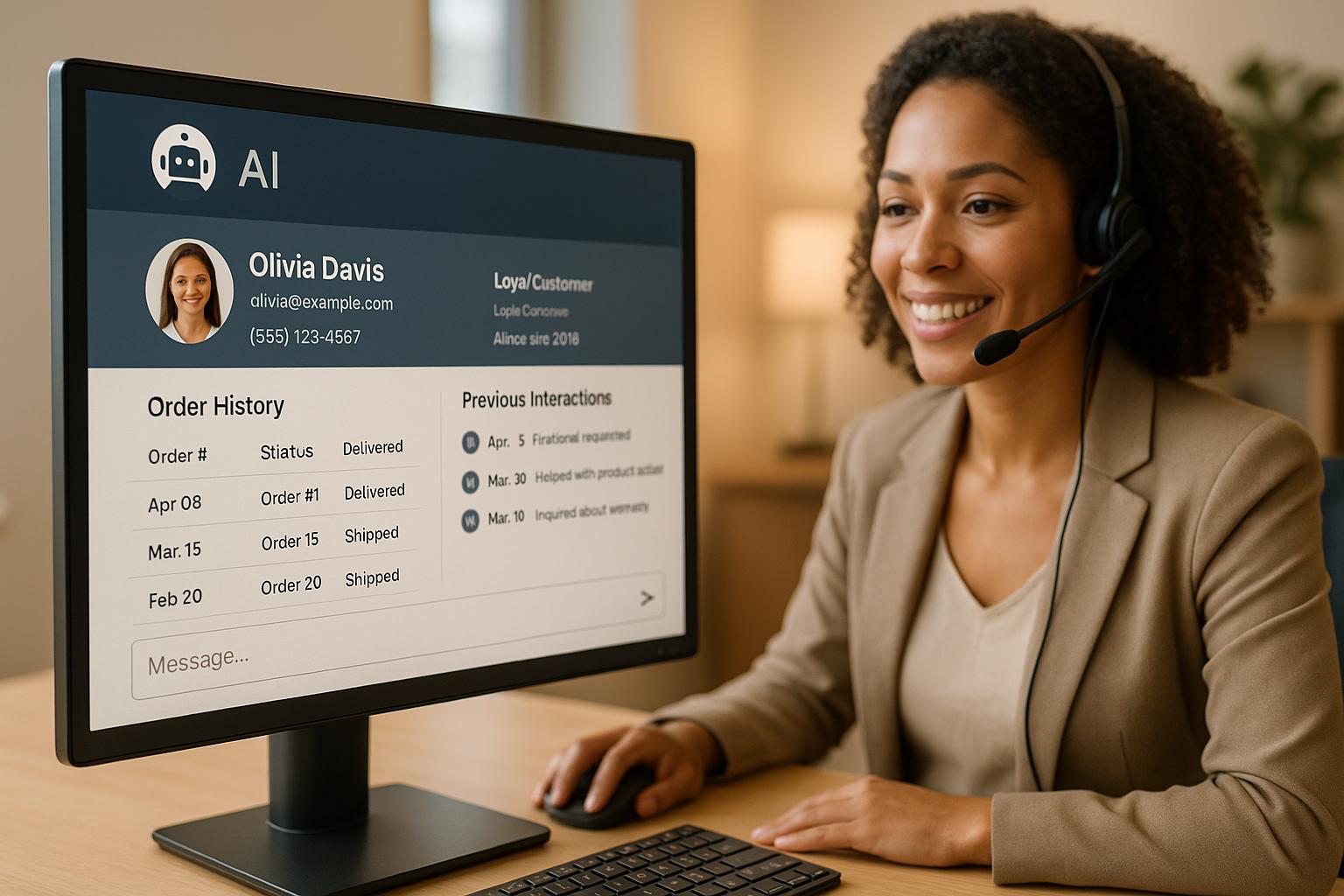
The real difference between AI agents and traditional automation lies in their ability to understand both the intent and context of a conversation. For instance, if a customer says, "I need to return this", an AI agent doesn’t just send a link to the return policy. Instead, it can review the customer’s order history, confirm eligibility for a return, and initiate the process - all in one seamless exchange.
Unlike standard automation tools that rely on simple if-then rules, AI agents analyze a variety of factors like tone, past interactions, and purchase history to craft personalized responses. For example, when a loyal customer requests a refund, the AI might offer expedited processing or even a small gesture of goodwill to maintain the relationship. This shift allows customer support to move beyond just solving problems, paving the way for more proactive and meaningful interactions.
AI agents also integrate with systems like CRM platforms, inventory databases, and order management tools, enabling them to provide real-time, accurate information. They handle multiple conversations at once, managing a much higher volume of interactions without sacrificing quality or personalization.
Let’s take a closer look at how these smart systems are used in proactive versus reactive customer service.
Proactive vs. Reactive Customer Service
Traditional customer service has always been reactive: customers face an issue, reach out for help, and then wait for a resolution. This approach places the burden on customers to identify problems and seek assistance.
Proactive customer service flips the script. With their ability to understand context and analyze data, AI agents anticipate customer needs and address potential issues before they arise. For example, if a shipment is delayed, the AI agent can notify the customer with updated delivery details - often before they even think to check the tracking information. Similarly, if a product a customer previously viewed goes on sale, the agent can send a personalized alert.
AI agents excel at this proactive engagement by processing vast amounts of data in real time. They monitor orders, inventory, and browsing behavior to identify opportunities for timely, relevant updates. Whether it’s a subscription renewal reminder or a prompt to reorder a frequently purchased item, these agents ensure customers stay informed and engaged.
Proactive interactions also help build stronger customer relationships. For instance, after a purchase, an AI agent might follow up with helpful tips or suggest complementary products. These thoughtful touchpoints keep the brand top-of-mind and encourage long-term loyalty.
Current Adoption Trends in AI-Powered Customer Service
With their advanced capabilities, AI agents are becoming a core part of customer service strategies across industries. What started as an experimental tool has now become essential for companies focused on creating lasting customer relationships.
Retail and e-commerce businesses were among the first to adopt AI agents, given their need to handle high volumes of routine inquiries about order tracking, product availability, and returns. By automating these tasks, AI agents free up human representatives to address more complex, high-value issues.
In financial services, AI agents are used for tasks like account inquiries, transaction alerts, and fraud detection. For example, banks use these systems to monitor account activity and immediately notify customers of any suspicious transactions.
Subscription-based businesses are also leveraging AI agents to reduce customer churn. By recognizing early warning signs - such as decreased usage or payment issues - these systems can reach out with personalized retention offers. Even small and medium-sized businesses are benefiting from cloud-based AI solutions, which make these tools accessible without requiring significant technical expertise or investment.
The growing use of AI agents reflects the clear advantages they bring to customer service. Companies report faster response times, higher customer satisfaction, and increased repeat purchases. As customers become more familiar with interacting with AI, their expectations for efficient, high-quality service continue to rise. Moving forward, AI agents are set to take on an even greater role in building deeper, more loyal customer relationships.
Personalized Experiences Through Data-Driven Insights
Every time a customer interacts with your business - whether browsing your website, making a purchase, or reaching out for support - they leave behind valuable data. This includes details like browsing habits, purchase history, communication preferences, and even the timing of their interactions. AI agents take this wealth of information and turn it into highly personalized experiences that make customers feel genuinely understood and appreciated. Instead of treating everyone the same, these systems create tailored interactions based on individual behaviors and preferences.
But personalization isn’t just about addressing someone by name. AI agents dig deeper, analyzing thousands of data points to uncover what truly matters to each customer. For example, when a person visits your site, the AI already knows their past purchases, items left in their cart, preferred communication channels, and even the times they’re most likely to engage. This level of insight allows businesses to deliver experiences that feel natural and relevant.
Take the case of a customer who loves organic skincare products. They might receive personalized recommendations, targeted emails, and customer support that aligns with their interests. If they reach out for help, the AI agent already knows their purchase history and can provide solutions specific to the products they’ve bought. This kind of thoughtful interaction not only saves time but also builds trust and loyalty.
AI also excels at identifying the best moments to engage with customers. For instance, it might send a reminder to restock a frequently purchased item, notify someone about a price drop on a wishlisted product, or follow up after a recent purchase. These well-timed interactions show attentiveness without being intrusive, enhancing the overall customer experience. This precision leads to smarter strategies that keep improving how businesses connect with their audience.
Using Predictive Analytics to Anticipate Customer Needs
Predictive analytics takes personalization one step further by helping businesses anticipate what customers might need before they even ask. AI agents analyze past behaviors, seasonal trends, and individual preferences to forecast future needs, transforming customer service from reactive to proactive.
Imagine a customer who orders coffee beans every three weeks. The AI spots this pattern and sends a reminder - or even a one-click reorder option - before they run out. This eliminates unnecessary friction in the buying process and ensures the customer’s routine goes uninterrupted. Convenience like this fosters loyalty; people appreciate brands that make their lives easier.
Predictive analytics also helps businesses identify customers who might be at risk of leaving. By tracking factors like engagement levels, purchase frequency, and support interactions, AI can spot early warning signs. If a once-active customer hasn’t made a purchase in months, the system might trigger a personalized message or special offer to re-engage them. These proactive efforts often prevent churn before it happens.
When it comes to product recommendations, predictive analytics makes them far more accurate. Instead of suggesting generic options based on what’s popular, AI considers each customer’s unique preferences, budget, and timing. For example, someone who bought a camera six months ago might receive recommendations for lenses or accessories just as they’re ready to explore more advanced photography gear.
The financial benefits are undeniable. Businesses using predictive analytics report higher conversion rates and lower customer acquisition costs. Retaining loyal customers through proactive service is far more cost-effective than constantly seeking new ones. Additionally, by addressing potential needs before they become problems, businesses can reduce the volume of support requests, saving both time and resources.
Seasonal and life-event patterns also play a role. AI agents can predict when a customer might need winter coats, back-to-school supplies, or holiday gifts based on past behavior and the time of year. This kind of context-aware personalization ensures recommendations feel helpful rather than pushy, creating a seamless shopping experience.
Dynamic Loyalty Programs and Real-Time Recommendations
Traditional loyalty programs often follow rigid rules, but AI-powered systems bring a whole new level of flexibility. Dynamic loyalty programs adapt to individual behaviors, offering rewards that resonate with each customer’s preferences and habits. This approach keeps customers engaged and encourages repeat purchases.
For example, some customers might value discounts, while others prefer perks like early access to new products or free shipping. AI analyzes redemption patterns and engagement data to tailor rewards accordingly. Whether it’s bonus points or exclusive discounts, the rewards feel relevant and meaningful to the individual.
Real-time recommendations are another game-changer. When a customer adds an item to their cart, the AI instantly analyzes related products, inventory levels, and customer preferences to suggest complementary items. These recommendations appear at just the right moment - when the customer is already in a buying mindset - making them far more effective than generic suggestions.
AI can also adjust pricing and promotions in real time. For instance, if a loyal customer is browsing a product they’ve viewed multiple times, the system might offer a small discount to encourage the purchase. This dynamic pricing strategy balances customer satisfaction with profitability, turning hesitant browsers into buyers.
Timing is equally important in loyalty communications. Instead of sending a promotional email to everyone at the same time, AI identifies when each customer is most likely to engage. Some people check emails in the morning, while others are more active in the evening. By personalizing send times, businesses achieve higher open rates and better results.
Gamification elements, like challenges and milestones, are also tailored to individual shopping habits. This ensures that the program remains engaging for customers at all levels of participation. Whether someone shops frequently or occasionally, the system adjusts to keep them motivated.
Omnichannel AI Integration for Consistent Customer Experiences
Omnichannel integration is all about keeping customer interactions smooth and consistent, no matter where they happen. Today’s customers switch between platforms - email, social media, phone calls - without a second thought, and they expect their experience to stay seamless throughout. They don’t want to repeat themselves or deal with disjointed communication.
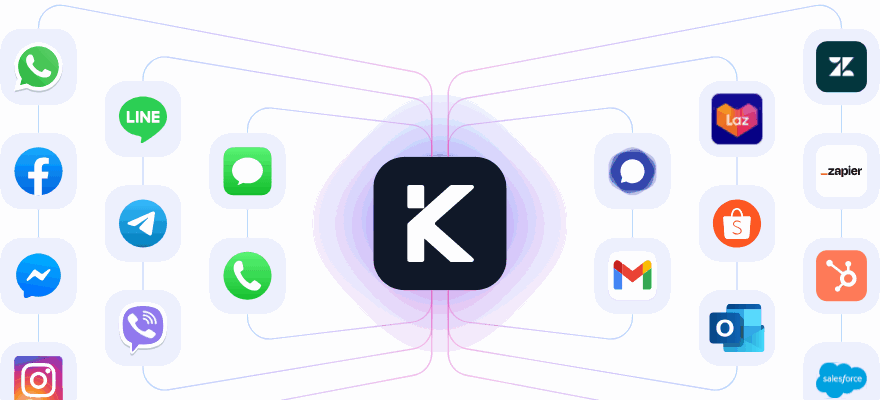
Disconnected systems frustrate customers. Imagine explaining an issue through Facebook Messenger, only to call support later and find the agent has no clue about the earlier conversation. AI solves this by unifying all communication channels into one cohesive system. Every interaction is tracked, recorded, and instantly accessible, so customers never feel like they’re starting over.
When AI powers your omnichannel strategy, it creates an effortless experience for customers. This level of coordination shows that you value their time and understand their needs, which naturally leads to stronger loyalty and more repeat business. The key to achieving this is consistent data integration across all platforms.
Maintaining Consistency Across Multiple Channels
Consistency goes beyond just having the same logo or tone across platforms. It’s about ensuring every interaction builds on the last one, no matter where it takes place. AI makes this possible by centralizing customer data and conversation histories in one unified system. This allows for uninterrupted, personalized service across channels.
For example, if a customer contacts you via Instagram about a delayed order, then calls your support line an hour later, the phone agent can see the Instagram conversation and pick up right where it left off. There’s no need for the customer to re-explain their issue. This continuity reassures customers that they’re being heard and valued.
AI also ensures that the messaging remains aligned with your brand. Whether it’s an automated email reply or a live chat with an agent, the tone, information, and solutions stay consistent. This eliminates the risk of sending mixed messages, which can harm trust and credibility.
Another advantage is AI’s ability to track customer sentiment across channels. If someone voices frustration on Twitter and later reaches out via live chat, the AI flags this emotional context for the agent. This allows the team to handle the conversation with greater empathy, turning a potentially negative experience into an opportunity to build trust. Understanding the customer’s journey as a whole helps businesses respond with care and thoughtfulness.
Real-time synchronization is critical too. If a customer updates their shipping address in your mobile app, that change is immediately reflected across all platforms. So, if they call support later, the agent sees the updated address without delay. This level of coordination reduces errors and miscommunications, reinforcing customer trust.
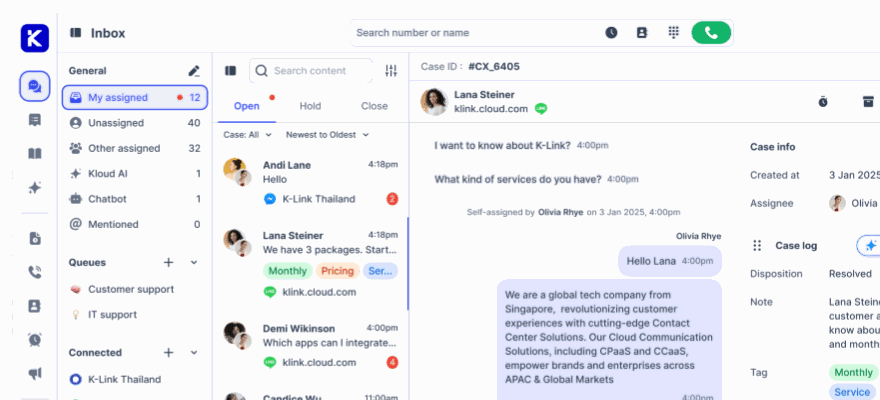
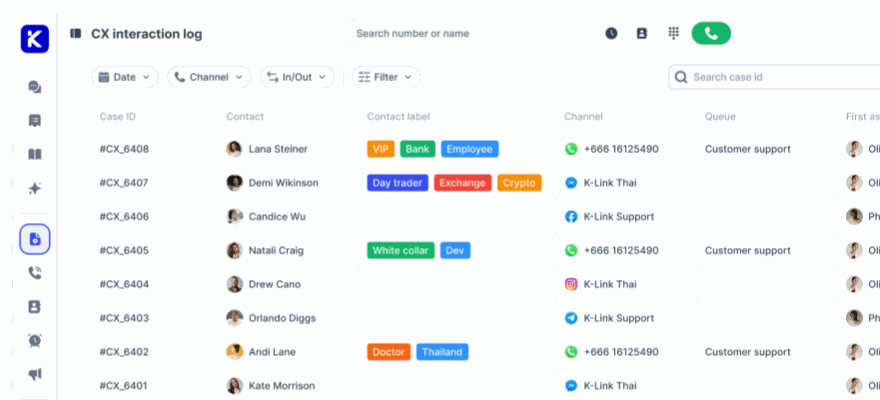
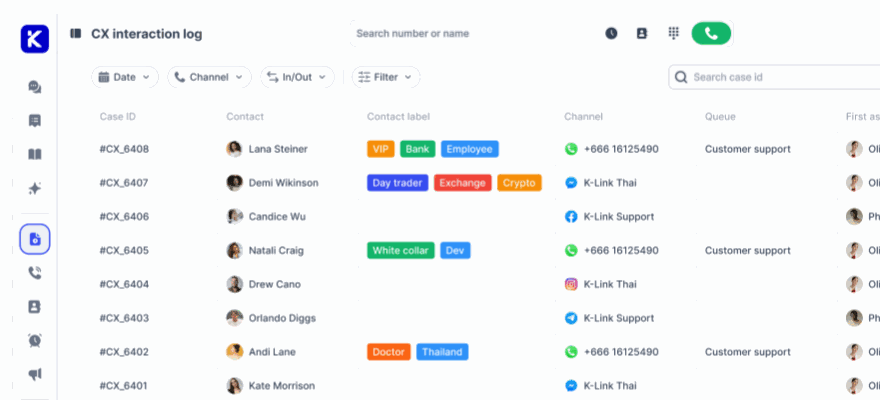
Platforms like klink.cloud bring these elements together by combining telephony, email, social media, video calls, and more into one dashboard. This eliminates the need for teams to juggle multiple tools or manually transfer information between systems. Everything flows seamlessly, creating a reliable, consistent experience that customers can count on. And when consistency is in place, the next step is to remove any friction in how customers move between channels.
Reducing Friction in Cross-Channel Interactions
Friction happens when customers have to work harder than they should to get help - whether it’s repeating their issue, waiting on hold, or dealing with agents who lack context. AI eliminates these pain points by making transitions between channels feel effortless.
Take this example: A customer starts a conversation in live chat but has to step away before resolving their issue. Later, they call support. Without AI, they’d have to explain everything from the beginning. With AI, the phone agent can instantly access the chat transcript, understand the situation, and pick up right where things left off. This smooth transition saves time and reduces frustration.
AI also helps route customers to the best channel for their needs. If someone prefers texting, the system offers SMS support. If a problem requires visual troubleshooting, it might suggest switching to video chat. These smart suggestions ensure customers get the help they need in the way they’re most comfortable.
When an issue needs to move from a chatbot to a live agent, the transition happens seamlessly. The chatbot passes along all the context, so the agent doesn’t start with “How can I help you?” Instead, they’re ready to dive straight into solving the problem. This efficiency shows respect for the customer’s time and reinforces trust in your business.
AI also improves queue management. If phone lines are busy but chat support has availability, the system can offer customers the option to switch channels instead of waiting on hold. This reduces wait times and ensures customers are served faster.
Additionally, AI prevents duplicate tickets and confusion. Without proper integration, a customer might email support and then call about the same issue, creating two separate cases. AI recognizes these as related and consolidates them into one, ensuring all agents are on the same page and avoiding conflicting solutions.
Cross-channel analytics provide valuable insights into how customers navigate different platforms. For instance, you might notice a pattern where issues that start on social media often escalate to phone support. With this data, you can optimize these pathways, reducing friction and creating smoother interactions. These insights reveal where customers struggle most, helping you focus improvements where they’ll have the greatest impact.
When friction is removed, customers feel understood. They don’t have to repeat themselves or jump through hoops to get help. Instead, they experience a process that feels natural and easy. This kind of effortless support builds confidence in your brand and keeps customers coming back. In today’s competitive landscape, providing such seamless service can set your business apart, driving loyalty and repeat purchases.
sbb-itb-204ca50
Post-Purchase Support: Building Loyalty After the Sale
The sale isn’t the end of the journey - it’s the beginning of a relationship. What happens after a customer clicks "buy" often determines whether they’ll return or move on. Unfortunately, many businesses overlook the importance of post-purchase support, missing a key chance to build loyalty.
Taking care of customers after the sale turns one-time buyers into repeat customers. People remember how you handle things when they need help. Whether it’s a hassle-free return, quick updates on delivery, or proactive communication, these small moments can make a big difference. AI tools help make this process smooth and scalable, ensuring customers feel valued every step of the way.
The gap between a satisfied customer and a loyal one often boils down to how well you support them after the sale. When customers trust that they can rely on you, they’re far more likely to come back. AI doesn’t just automate these interactions - it makes them faster, more tailored, and less frustrating. This sets the stage for the detailed strategies outlined below.
Simplifying Returns and Delivery Tracking
Returns and delivery tracking are two of the most common post-purchase pain points. Customers want quick and easy ways to track their orders or initiate returns without jumping through hoops. AI takes the hassle out of both.
AI-powered tracking systems send updates at every stage of the delivery process. Customers get automatic notifications via text, email, or their preferred channel, so they’re never left wondering when their package will arrive. If there’s a delay, the system provides an explanation right away. This level of transparency builds trust and reduces the number of "Where’s my order?" inquiries that can overwhelm support teams.
When it comes to returns, AI streamlines the process from start to finish. A chatbot can guide customers through return eligibility, generate return labels, and update the system - all without human intervention. For more complex cases, the AI gathers all the necessary details before passing the issue to a live agent, saving the customer from repeating themselves.
AI also identifies patterns in return data. If certain products are returned more frequently, the system flags this for review. Maybe the sizing is off, or the product description isn’t accurate. These insights allow you to address the root causes, reducing future returns and improving customer satisfaction.
Platforms like klink.cloud centralize these interactions, giving support teams a single dashboard to handle delivery updates, returns, and order inquiries. Whether a customer reaches out via email, phone, or social media, agents have access to the full order history and can provide instant, accurate answers. This seamless experience is exactly what customers want.
The goal is simple: make returns and tracking so effortless that customers barely think about them. When the process is smooth, customers focus on the positive aspects of their purchase instead of the hassles. This ease encourages loyalty and repeat business.
Turning Problems Into Loyalty-Building Opportunities
Problems are inevitable - orders get delayed, products arrive damaged, or preferences change. What matters is how you handle these situations. Beyond simplifying returns and tracking, AI can turn these challenges into moments that build trust.
AI systems can detect issues early and respond immediately. For example, if a shipment is delayed, the AI can send an apology and a new delivery estimate before the customer even notices. This proactive communication shows that you’re paying attention and care about their experience. Transparency like this goes a long way in earning customer trust.
AI also tailors its responses based on the situation. If a loyal customer encounters an issue, the system can flag them for priority handling. For instance, if a frequent shopper’s order is delayed, the AI might automatically offer a discount on their next purchase or upgrade their shipping for free. These thoughtful gestures turn frustration into appreciation.
Sentiment analysis plays a big role here. AI can gauge the tone of customer messages and adjust its responses accordingly. If someone is clearly upset, the system can prioritize their case and alert a human agent to step in with extra care. This kind of emotional intelligence prevents issues from escalating and shows empathy, which is crucial for maintaining trust.
Take a scenario where a customer receives a defective product. The AI chatbot can confirm the issue, offer a replacement or refund immediately, and ensure the resolution process is quick and painless. By eliminating unnecessary steps, the customer feels heard and valued. What starts as a negative experience becomes a story of excellent service.
AI doesn’t stop there - it follows up after the issue is resolved. A few days later, it might check in to ensure the replacement arrived and the customer is satisfied. These small follow-ups reinforce that the customer’s happiness is a priority and leave a lasting impression.
When customers see that you handle problems with speed, empathy, and fairness, they develop confidence in your brand. They know that if something goes wrong, you’ll take care of it. This trust is what keeps them coming back. Customers don’t expect perfection, but they do expect accountability.
Every resolved issue is an opportunity to show your commitment to customer satisfaction. AI ensures these moments aren’t wasted. It turns mistakes into loyalty-building moments, transforming unhappy customers into advocates who share their positive experiences. In a crowded market, this kind of reputation can set you apart.
Post-purchase support isn’t just about solving problems - it’s about proving to customers that they made the right choice. With AI, you can scale this level of care, making sure every customer feels valued, no matter how large your business grows.
Building Trust: Addressing Customer Concerns About AI
When it comes to integrating AI into customer service, trust is the cornerstone of success. While AI offers clear benefits - like faster response times and streamlined processes - it can also spark concerns about accuracy and the loss of personal connection. Earning customer trust means being transparent about how AI is used and ensuring it complements, rather than replaces, human interaction.
One way to build this trust is by being upfront about AI's role. Let customers know that AI handles routine tasks efficiently while human agents remain available for situations requiring empathy and nuanced decision-making. People value clarity, and knowing there’s always a human ready to step in can ease doubts.
Accuracy is another critical factor. AI systems should be designed to identify and correct errors before they escalate. Rather than replacing human efforts, AI should act as a support tool that enhances the quality of service. This collaborative approach ensures that technology and human judgment work hand-in-hand to manage complex situations effectively.
For more intricate inquiries, human intervention plays a vital role in delivering empathy and adaptability. For example, smart escalation systems can detect when a conversation becomes too complicated or when customer frustration is rising. At that point, the interaction is seamlessly handed off to a live agent who can address the issue with care and understanding.
Another area to address is potential bias in AI-driven decisions. Human oversight is essential to identify and correct any inequities that may arise from data-driven processes. This ensures fairness and builds confidence in the system.
Ultimately, the key to building trust lies in balancing AI’s efficiency with the empathy only humans can provide. By combining the speed and precision of AI with the emotional intelligence of human agents, businesses can turn initial skepticism into loyalty. This thoughtful integration not only strengthens customer trust but also encourages repeat purchases and long-term relationships.
Measuring the Impact of AI on Customer Loyalty
To determine whether your investment in AI is genuinely driving customer loyalty, you need to track the right metrics. Without clear data, it's hard to know if your AI tools are building meaningful relationships or just handling basic transactions. The focus should be on metrics that link AI performance to customer behavior and measurable business outcomes.
One common challenge businesses face is separating surface-level metrics from those that truly matter. For example, faster response times may look great on paper, but they only hold value if they lead to increased customer retention, higher spending, or longer engagement.
Let’s break down the key metrics that can help you measure AI's impact effectively.
Key Performance Indicators (KPIs) for AI Success
Customer Lifetime Value (CLV) is a critical metric that tracks the total revenue a customer brings over time. Effective AI personalization should boost this number. Compare CLV before and after implementing AI to see how it's influencing your bottom line.
Repeat purchase rate shows the percentage of customers who return to buy again. This is where AI's ability to anticipate needs and offer tailored recommendations can shine. To calculate it, divide the number of repeat customers by the total number of customers, then multiply by 100. A steadily increasing rate indicates your AI is delivering relevant, engaging experiences.
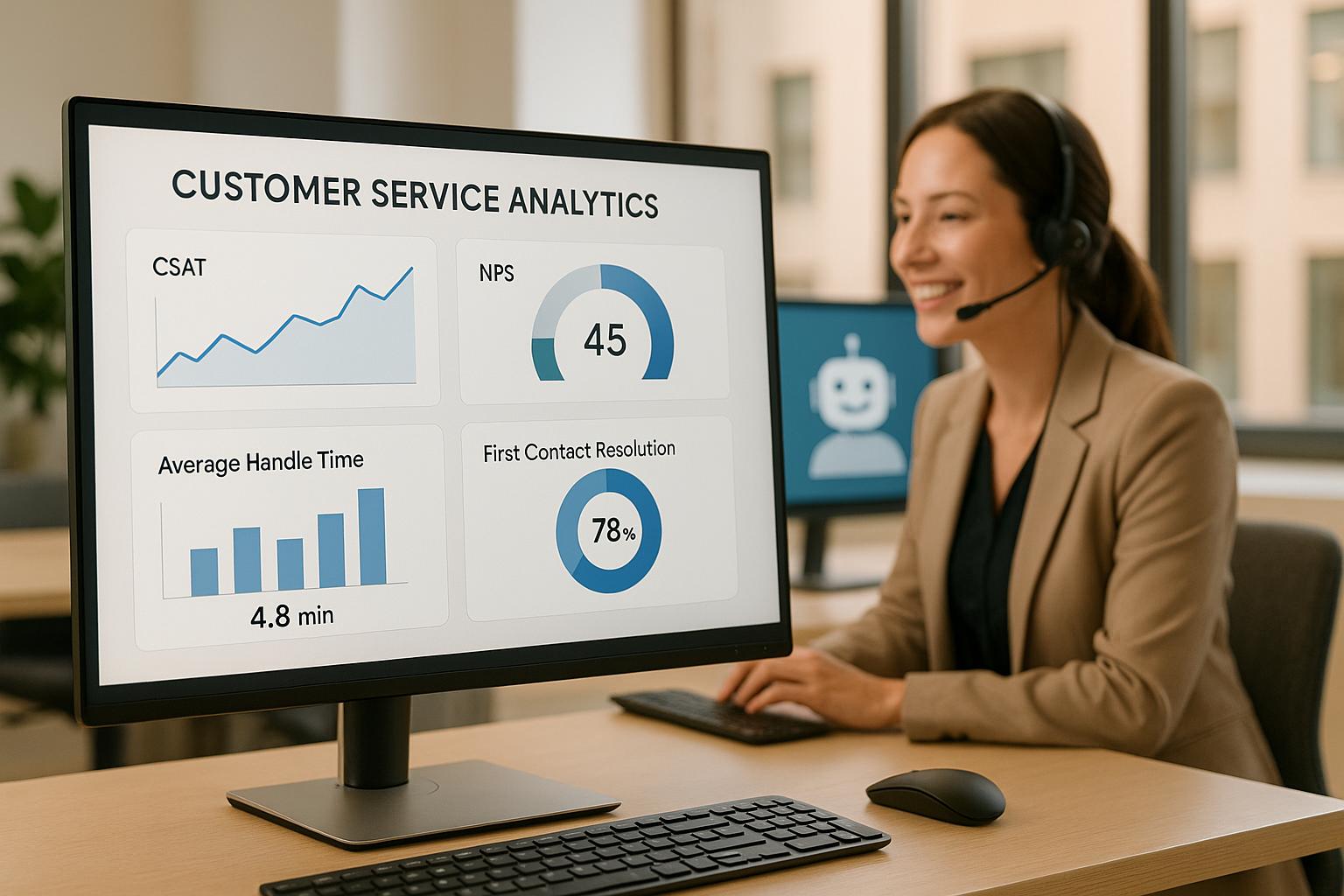
Customer satisfaction scores (CSAT) provide immediate insights into how customers feel after interacting with AI. Use short surveys right after AI-assisted conversations, asking customers to rate their experience on a scale of 1 to 5. A score above 4.0 suggests your AI is meeting expectations and delivering value.
Net Promoter Score (NPS) measures how likely customers are to recommend your business. This metric captures loyalty at its core. Ask, “On a scale of 0 to 10, how likely are you to recommend us to a friend or colleague?” Subtract the percentage of detractors (0-6) from promoters (9-10) to get your NPS. AI that consistently delivers positive experiences can drive this number upward.
Resolution time and first-contact resolution rate are vital because customers value quick problem-solving. Track how fast AI resolves issues and the percentage of problems handled on the first try. When AI uses customer histories effectively and makes smart decisions, these metrics improve, leading to higher satisfaction and repeat business.
Churn rate highlights how many customers you’re losing. Calculate it monthly by dividing the number of customers who leave by your total customer count at the start of the period. If AI is catching issues early and providing proactive support, this rate should drop, leading to noticeable revenue gains.
The AI escalation rate measures how often conversations require human intervention. While some escalations are unavoidable, a high rate could indicate your AI is struggling with common scenarios. Monitor this alongside satisfaction scores to strike the right balance between AI handling routine issues and humans stepping in for more complex cases.
Beyond KPIs, understanding ROI is essential to link AI-driven loyalty improvements to revenue growth.
ROI and Revenue Growth Through AI-Powered Loyalty
To calculate ROI, compare your AI investment with the revenue gains it delivers. Start by tallying up the total investment, including software, integration, and maintenance costs. Then, measure the revenue impact through higher repeat purchases, larger average order values, and reduced churn.
Cost savings from automation are the most straightforward ROI component. Multiply the number of interactions your AI handles monthly by the average cost of a human-handled interaction. For instance, if AI manages 10,000 interactions a month and each would cost $5 with human agents, that’s $50,000 saved monthly - or $600,000 annually. These savings grow as you scale without needing additional staff.
Revenue growth from increased retention can deliver significant returns. Retaining existing customers costs much less than acquiring new ones. If AI improves retention by just 5%, the impact can be substantial. For a business with 10,000 customers spending $500 annually, a 5% retention boost means keeping 500 more customers and an extra $250,000 in revenue.
Higher average order values are another benefit of AI. By making smart product recommendations based on a customer’s history or behavior, AI can encourage bigger purchases. For example, if AI-assisted customers spend 15% more per transaction, and your business processes $1 million in monthly sales, that’s an extra $150,000 in revenue each month.
Reduced operational costs go beyond labor savings. AI operates 24/7 without overtime, sick days, or burnout. It can handle peak volumes seamlessly, saving hundreds of thousands annually compared to maintaining round-the-clock human coverage.
Customer lifetime value expansion offers a long-term view of ROI. When AI creates better experiences, customers stay engaged longer, increasing their overall value. For instance, if your average CLV rises from $2,000 to $2,400 thanks to AI, that’s a 20% gain. Multiply this by your total customer base for a clear picture of the financial impact.
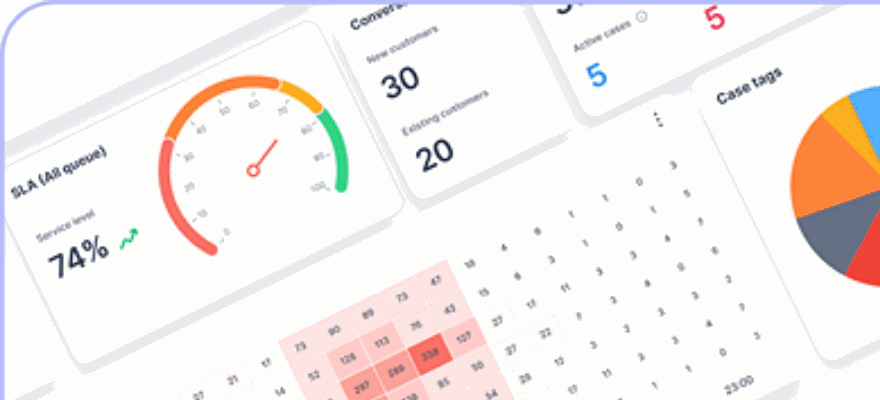
Platforms like klink.cloud provide real-time dashboards to monitor these metrics. By offering a unified view across all channels, these tools make it easier to see how AI interactions shape customer behavior, eliminating the need to piece together data manually.
Leading businesses conduct quarterly reviews to evaluate AI performance. They don’t just focus on individual metrics but look at how they interact. For example, if resolution time improves but satisfaction scores drop, it might mean quick fixes are compromising quality. Similarly, if repeat purchase rates rise but average order values fall, AI might be recommending cheaper products when customers would have opted for premium ones.
Keep in mind, ROI doesn’t always show up immediately. Loyalty benefits often take months to materialize as customers go through multiple purchase cycles. Set realistic evaluation timelines - typically six to twelve months for loyalty metrics - while tracking quicker wins like cost savings and operational efficiency.
Conclusion: The Future of Customer Loyalty with AI Agents
AI agents are transforming how businesses approach customer loyalty, becoming a cornerstone of modern customer service strategies. By 2025, it's projected that 80% of customer service organizations will incorporate generative AI tools, with up to 95% of interactions managed by AI. This isn't just about automating processes - it's about creating personalized, efficient, and proactive experiences at every stage of the customer journey.
The numbers speak volumes: AI-powered services deliver tangible results. On average, businesses see $3.50 returned for every $1 invested in AI, with some achieving up to an 8× ROI through reduced operational costs and faster, more customized support. The benefits include cutting operational costs by 30%, resolving issues 47% faster, and boosting customer loyalty by 20%, which translates to a 15% increase in revenue. Faster resolutions, combined with tailored recommendations and proactive support, create a system that turns occasional buyers into devoted customers.
AI agents bring together personalization, omnichannel capabilities, and post-purchase support in a single, cohesive framework. By leveraging customer data, AI tailors interactions in real time, ensuring that whether a customer reaches out via chat, email, or phone, the experience feels seamless and relevant. AI also tracks customer context across channels, eliminating the frustration of repeating information. After a purchase, AI simplifies returns, tracks deliveries, and turns potential issues into trust-building opportunities by resolving them quickly and with care.
While 73% of shoppers view AI positively, 71% still want human validation in certain situations. The future isn't about choosing between AI and human agents - it's about combining the strengths of both. AI excels at handling routine tasks with speed and accuracy, while human agents focus on complex, emotional, or high-value interactions. This balance ensures customers receive efficient service without losing the empathy and understanding that only humans can provide.
For businesses looking to embrace AI-driven solutions, platforms like klink.cloud offer tools to support this evolution. By harnessing data to deliver real-time recommendations and dynamic loyalty rewards, klink.cloud helps brands create consistent, personalized experiences that encourage repeat purchases. With its ability to integrate AI insights across the entire customer journey - from pre-purchase engagement to post-purchase support - klink.cloud helps businesses reduce churn, improve satisfaction, and foster long-term loyalty.
The future of customer loyalty doesn't mean replacing human interaction with technology. Instead, it's about using AI to enhance every interaction - making them faster, smarter, and more meaningful. Customers should feel valued and understood every time they engage with your brand. Businesses that adopt AI thoughtfully now will be the ones building stronger, more profitable relationships in the years to come. The strategies outlined in this guide demonstrate that integrating AI with care is the key to creating lasting customer loyalty.
FAQs
How do AI agents maintain a personal touch in customer service while enhancing efficiency?
AI agents improve customer service by working alongside human agents, not replacing them. Using tools like sentiment analysis and predictive analytics, they can understand customer needs and deliver responses that feel tailored and relatable, creating a more human-like experience.
By taking over repetitive tasks, AI allows human agents to dedicate their time to more complex issues and emotionally sensitive conversations. This approach helps businesses maintain a real connection with their customers while boosting overall efficiency and satisfaction.
What metrics can businesses use to evaluate how AI improves customer loyalty?
To understand how AI contributes to customer loyalty, businesses can keep an eye on key performance indicators like the Customer Satisfaction Score (CSAT), Net Promoter Score (NPS), and Customer Effort Score (CES). These metrics shed light on how well AI tools are addressing customer needs and meeting their expectations.
In addition, metrics like First Contact Resolution (FCR), Average Resolution Time, and Retention Rate can reveal how efficient and effective AI-powered interactions are. By analyzing these indicators, businesses can gauge the role AI plays in building trust, boosting satisfaction, and encouraging customers to return.
How does AI-powered predictive analytics help businesses meet customer needs before issues arise?
AI-powered predictive analytics uses customer data to spot patterns and anticipate potential problems before they arise. By examining past behaviors, preferences, and interactions, businesses can take action ahead of time, offering tailored solutions and enhancing the overall customer experience.
For instance, if a customer's recent activity hints at dissatisfaction, predictive analytics can flag it and prompt timely support or personalized offers to win them back. This kind of proactive strategy doesn’t just prevent issues from growing - it strengthens trust and encourages lasting loyalty.