Which AI Agent Is Best for WhatsApp Support?
When it comes to WhatsApp customer support, choosing the right AI agent depends on your business size, technical expertise, and budget. Here’s a quick breakdown of the top four platforms:
- ChatGPT (OpenAI): Offers powerful conversational AI but requires third-party tools (like UChat or Botpress) for WhatsApp integration. Great for multilingual support and custom workflows, but setup can be technical.
- Google Dialogflow: Built for natural language understanding with strong intent recognition. Works well for intuitive interactions but often needs pairing with other tools for complete functionality.
- Twilio Programmable Messaging: Focuses on messaging infrastructure, giving developers full control to customize workflows. Ideal for businesses with coding resources but lacks built-in AI.
- klink.cloud: A WhatsApp-first platform with no-code automation, pre-built workflows, and team routing. Easy to set up and manage, making it ideal for small to mid-sized teams.
Quick Comparison
| Platform | Integration Ease | AI Features | Automation Tools | Pricing (Starting) | Ideal For |
|---|---|---|---|---|---|
| ChatGPT (OpenAI) | Requires third-party tools | Advanced conversational AI | Workflow design via third-party tools | $15/month (via UChat) | Businesses with technical teams |
| Google Dialogflow | Moderate | Strong intent recognition | Requires additional tools | Pay-as-you-go (usage-based) | Multilingual support needs |
| Twilio Programmable Messaging | Developer-heavy | External AI required | Highly customizable via APIs | Usage-based pricing | Developer-heavy teams |
| klink.cloud | Simple | AI-driven automation | No-code workflows | Free (up to 100 contacts); $23/user/month | Small to mid-sized teams |
Each platform has its strengths. For technical teams, tools like Twilio or ChatGPT integrations offer flexibility. For non-technical teams, klink.cloud provides a simpler, all-in-one solution. Don’t forget to account for Meta’s WhatsApp fees when planning your budget.
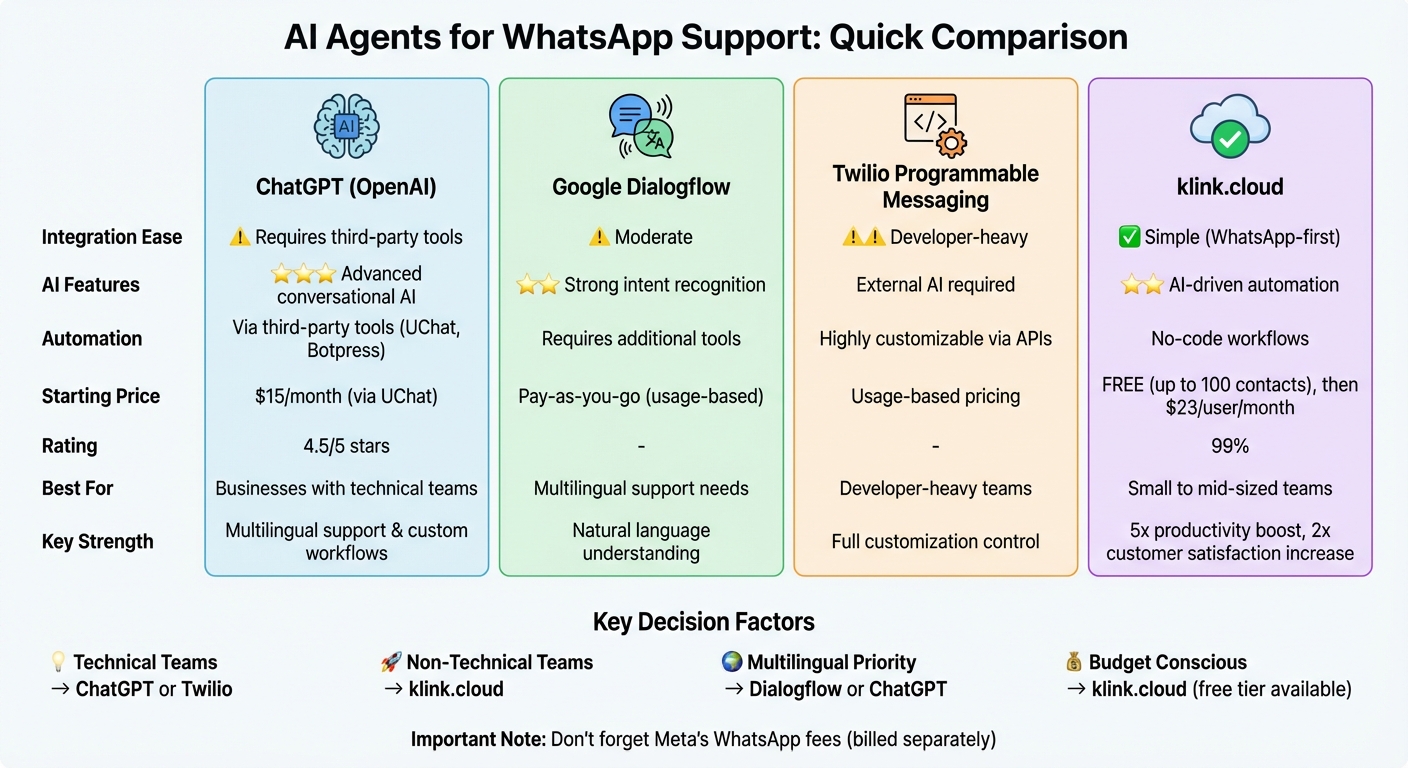
AI Agent Comparison for WhatsApp Support: Features, Pricing & Best Use Cases
1. ChatGPT (OpenAI)
ChatGPT isn't a standalone solution for WhatsApp support. Instead, OpenAI's GPT-4 and other language models provide the conversational intelligence, while third-party platforms handle the integration with WhatsApp and manage workflows. Tools like UChat, Botpress, or AgentX take care of connecting to WhatsApp, ensuring compliance with Meta's requirements, formatting messages, and supporting multimedia content.
WhatsApp Integration Depth
ChatGPT connects to WhatsApp through third-party platforms that manage the WhatsApp Business API for you. For instance, UChat offers a direct integration with ChatGPT, boasting a 4.5/5 ⭐ rating. This makes it relatively simple to deploy AI-powered responses on WhatsApp. Alternatively, you can create a custom integration by combining Meta's WhatsApp Cloud API with OpenAI's API.
Once integrated, ChatGPT's advanced AI capabilities can significantly enhance customer support.
AI Capabilities
When integrated, ChatGPT brings a range of powerful features to WhatsApp support. It can be trained to provide domain-specific answers by using your company's knowledge base, documents, or website content. It also supports multilingual interactions, maintains context throughout conversations, and adjusts its tone to align with your brand. Some platforms, like Botpress, even use GPT models to analyze images sent by customers or perform sentiment analysis during chats.
Automation and Workflows
ChatGPT handles the conversational side, but automation and workflow creation are managed by the platform you choose. Tools like UChat and Botpress offer drag-and-drop builders that let you design conversation flows powered by ChatGPT. These workflows can handle tasks like qualifying leads, answering FAQs, and triggering specific actions. The platform also manages when to escalate conversations to a human agent for more complex inquiries.
Pricing and Scalability
Cost is a key consideration for WhatsApp support operations, and pricing varies depending on the platform. UChat starts at $15/month and includes ChatGPT integration. Botpress offers a free tier for up to 2,000 messages, with a pay-as-you-go option for higher usage. AgentX begins at $19/month and allows you to switch between AI models, including GPT-4. If you opt for a direct integration using Meta's WhatsApp Cloud API, you'll need to account for Meta's per-conversation fees in addition to OpenAI's API usage costs.
2. Google Dialogflow
After exploring ChatGPT's capabilities, it's worth diving into what Google Dialogflow brings to the table for WhatsApp customer support. Dialogflow is a platform built specifically for natural language understanding, designed to power conversational AI on WhatsApp. What makes it stand out? It can identify user intents and extract key details from customer messages, making interactions more intuitive. Plus, it supports multiple languages, ensuring it can cater to a wide range of users.
3. Twilio Programmable Messaging
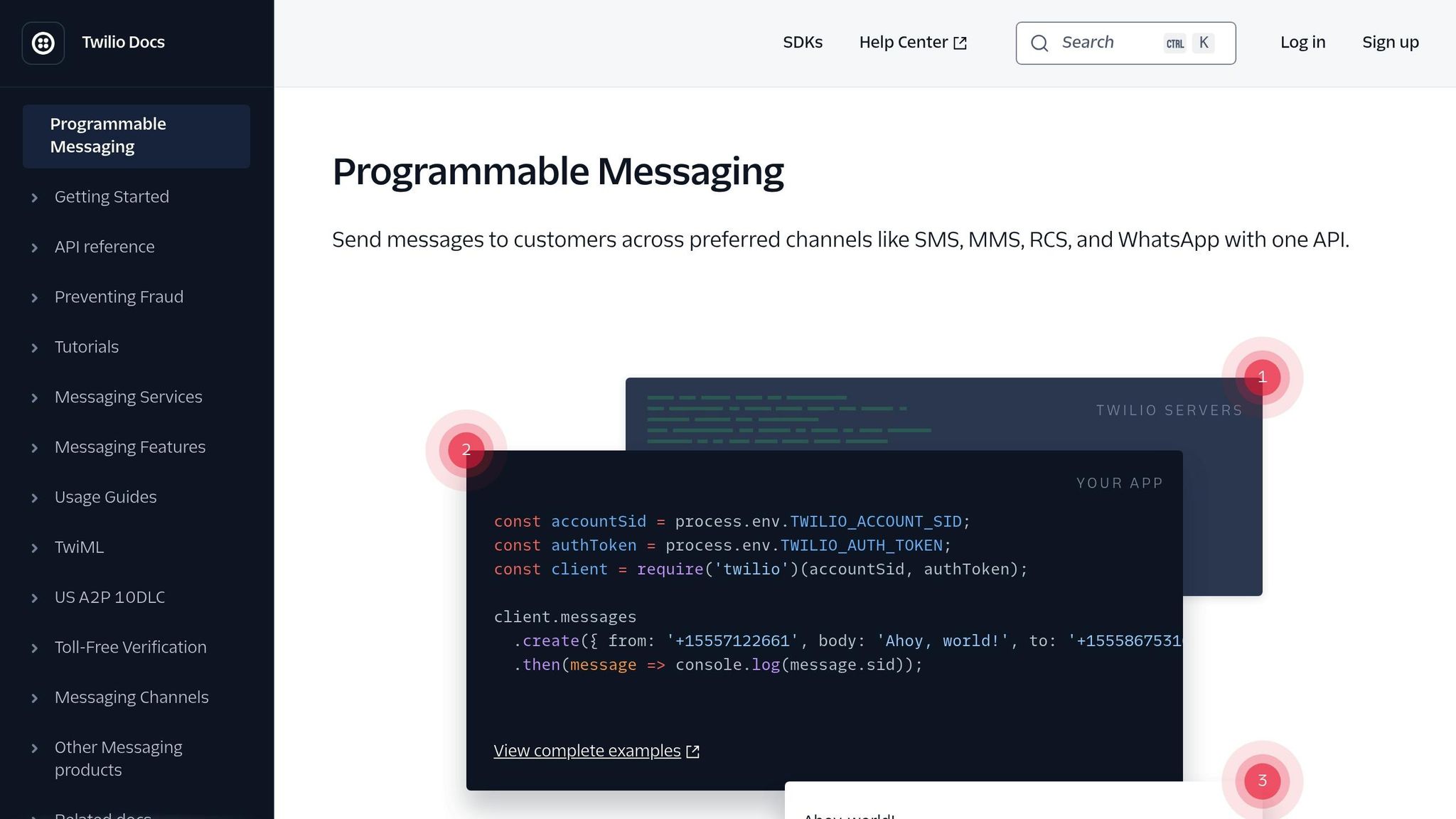
When it comes to WhatsApp support, the ability to tailor messaging and automation is a game-changer. Twilio takes a slightly different approach compared to platforms with built-in AI - its focus is on delivering a solid messaging infrastructure that works alongside external AI solutions. Twilio Programmable Messaging acts as the backbone, connecting your WhatsApp Business account to your custom AI logic. It handles the messaging pipeline, ensuring smooth communication between WhatsApp and your AI system, while giving developers full control over how messages flow. This setup allows for highly personalized WhatsApp interactions, covering everything from message delivery to media sharing and mandatory template messages.
WhatsApp Integration Depth
Twilio integrates directly with the Meta WhatsApp Cloud API, giving developers complete control over sending, receiving, and processing messages. This freedom lets you create tailored WhatsApp experiences without the constraints of pre-packaged chatbot platforms.
AI Capabilities
Twilio doesn’t come with built-in AI tools, but that’s by design. It’s built to work seamlessly with external AI services like OpenAI’s API or Google’s natural language processing tools. This flexibility allows developers to incorporate advanced conversational capabilities into their workflows, making it a strong choice for those who want to customize their automation.
Automation and Workflows
Twilio shines in automation, especially for developer-focused tasks. With its APIs, you can program messages to trigger based on specific events, route conversations to appropriate handlers, and set up intricate workflows. However, these features do require coding knowledge, which makes Twilio less ideal for those looking for no-code solutions.
sbb-itb-204ca50
4. klink.cloud
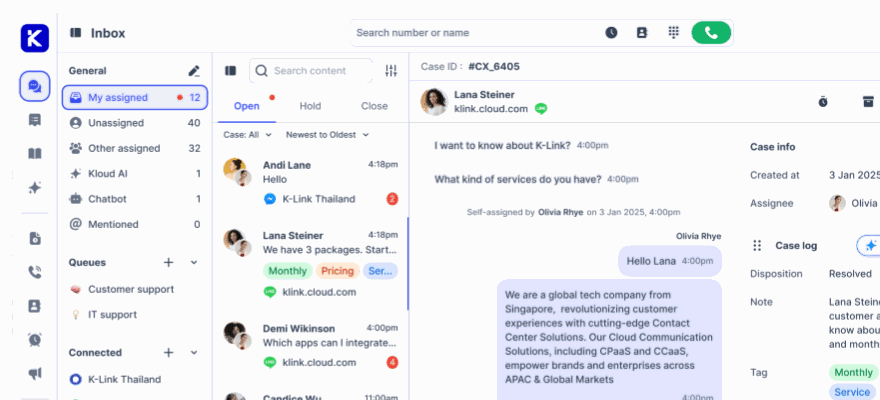
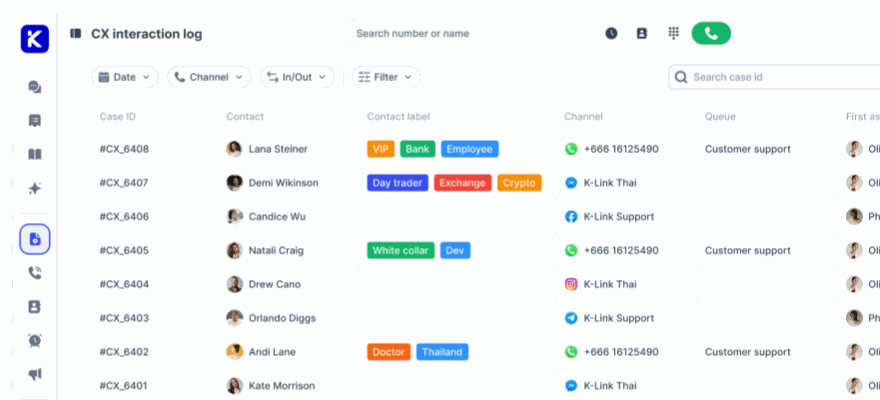
klink.cloud specializes in providing a complete solution for WhatsApp support. It offers a unified inbox, AI-driven automation, and team routing - all powered by Meta's official WhatsApp Cloud API. This makes it a great option for U.S. businesses that want to set up WhatsApp support quickly without needing extensive development resources.
WhatsApp Integration Depth
With a WhatsApp-first approach, klink.cloud offers a seamless and straightforward integration. The platform directly connects to the Meta WhatsApp Cloud API, supporting features like business-verified numbers, template messaging for notifications, interactive buttons, lists, and rich media sharing (images, PDFs, voice notes, contacts, and locations). It also simplifies the often-complicated process of setting up Meta Business Manager and getting numbers approved, which is a common challenge for teams new to WhatsApp. Prebuilt workflows come included, covering tasks like sending order updates, appointment reminders, and post-purchase surveys, all designed to align with WhatsApp's opt-in and quality standards.
AI Capabilities
klink.cloud uses advanced AI to understand customer intent and automate responses within WhatsApp chats. The AI can be trained using your existing FAQs, knowledge base, or past support tickets to handle routine questions like order statuses or store hours. More complex issues - such as billing concerns or custom quotes - can be escalated to human agents, with the full conversation history intact. For U.S. businesses serving multilingual customers, the platform supports both English and Spanish, automatically routing conversations based on the customer's language preference.
Automation and Workflows
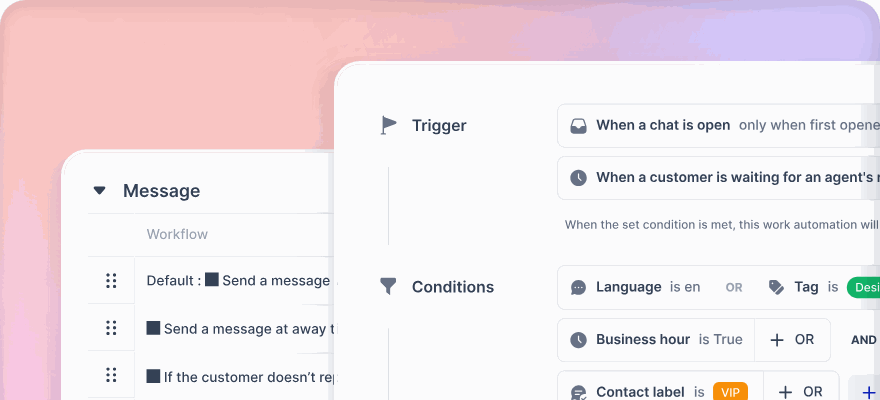
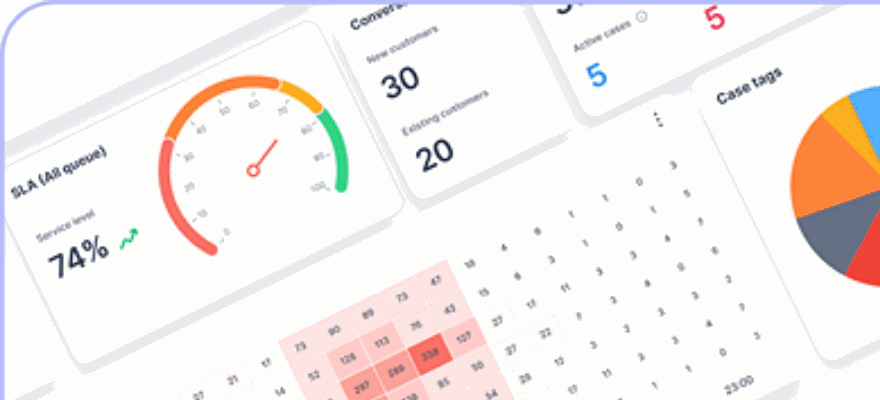
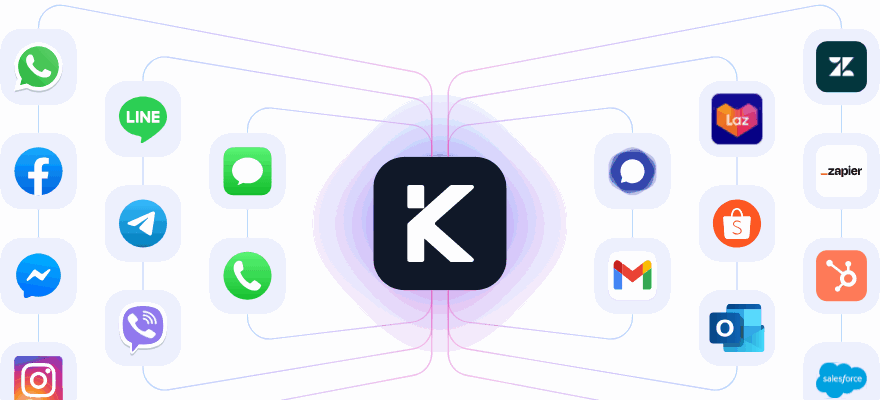
The platform's smart automation tools allow support managers to design WhatsApp workflows without any coding skills. Triggers can include the first message, specific keywords, button clicks, or even time-based follow-ups. Information collected during WhatsApp conversations - like names, emails, or order IDs - can be integrated into popular U.S. tools like Salesforce, HubSpot, Shopify, and Lazada through native integrations. This enables automatic ticket creation and seamless data synchronization directly within WhatsApp. Additionally, klink.cloud supports multi-agent routing with features like skills-based assignment, business-hours rules, and SLA tracking. Managers can set up round-robin distribution or prioritize urgent cases if response times exceed 10 minutes.
Pricing and Scalability
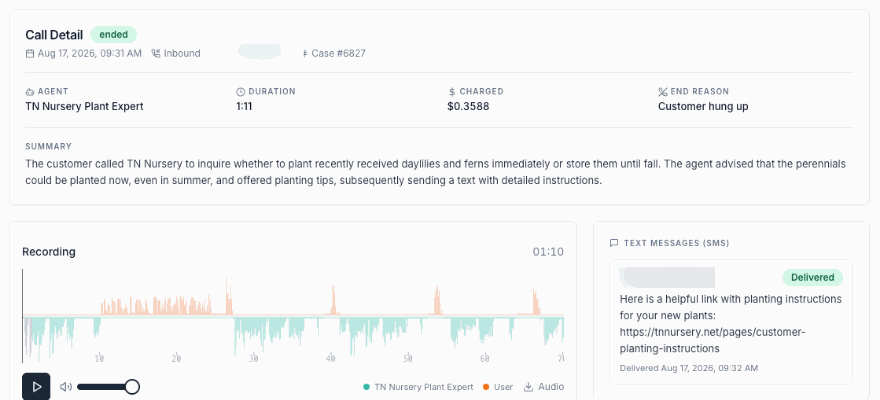
klink.cloud offers a range of pricing plans to suit different needs. Individual users can start for free with a plan that supports up to 100 CRM contacts. Small teams can opt for the $23 per user per month plan, which includes up to 10,000 contacts, one virtual phone number, and call recordings. Growing teams can choose the $69 per user per month plan, which adds unlimited contacts, workflow automations, IVR, and real-time dashboards. Enterprise plans, which include custom API integrations, SSO, and dedicated support, are available at custom pricing. Keep in mind, Meta's WhatsApp charges are billed separately in USD and depend on the type of conversation (service, utility, or marketing). For example, a small U.S. e-commerce business managing 2,000 WhatsApp conversations monthly would pay both the platform fee and WhatsApp charges, while a mid-sized SaaS company handling 10,000 conversations would scale accordingly. The platform supports multiple WhatsApp numbers, role-based access control, and boasts a 99% uptime. Customers have reported a 5x boost in productivity and a 2x increase in customer satisfaction. Next, we’ll take a closer look at the overall benefits and challenges of these platforms.
Advantages and Disadvantages
When selecting an AI solution for WhatsApp support, it's important to prioritize both technical performance and how easily it integrates with your existing systems. A smooth integration process and minimal development effort can make a big difference. Here's a breakdown of some popular platforms, focusing on their strengths and key considerations:
- ChatGPT (OpenAI): Known for its advanced text generation, ChatGPT serves as a powerful conversational engine. However, using it for WhatsApp support requires custom-built integrations and additional technical resources, which might demand a higher level of expertise.
- Google Dialogflow: With strong intent recognition and support for multiple languages, Dialogflow is a versatile tool. That said, you'll likely need to pair it with other tools for case management and analytics to create a complete solution.
- Twilio Programmable Messaging: Twilio provides flexible APIs and a dependable messaging infrastructure, giving developers a lot of control. However, its developer-focused design means you'll need significant customization to build out full WhatsApp workflows.
- klink.cloud: Specifically designed for WhatsApp support, klink.cloud simplifies the process with native integration to Meta's WhatsApp Cloud API. It includes pre-built workflows and no-code automation tools, which can boost efficiency and customer satisfaction. With 99% uptime, it offers a highly reliable environment. However, businesses should consider both the subscription costs for klink.cloud and the separate charges from Meta for WhatsApp conversations.
Ultimately, the best platform for your team will depend on your technical expertise and the specific needs of your support system.
Conclusion
Choosing the right AI agent for WhatsApp depends on your business's size, technical skills, and budget. Each platform offers distinct advantages, so it’s important to align your choice with your specific needs and resources.
If your team lacks technical expertise, look for no-code platforms that include pre-built workflows. On the other hand, businesses with in-house developers may prefer API-first solutions that offer complete customization. Also, consider your industry’s unique requirements, whether it's adhering to strict regulations or ensuring seamless integration with your current systems.
Budget planning is crucial. Factor in both the platform’s subscription fees and Meta’s per-conversation charges, as these costs will grow alongside your support volume. According to Gartner, by 2028, 15% of daily work decisions will be made autonomously by AI agents. Investing in a scalable solution now can help your business stay ahead as AI technology continues to advance. To measure success effectively, track key metrics like deflection rate, first-response time, and customer satisfaction - these provide a clearer picture of ROI than just message volume.
AI technology has moved beyond simple FAQ bots. Today’s agents can reason, take action, and collaborate with human teams. Choose a platform that not only scales with your business but also ensures smooth handoffs to human agents when necessary. By evaluating your options carefully and focusing on your support goals, you can find the best fit for your company’s needs.
FAQs
What should I look for in an AI agent for WhatsApp customer support?
When picking an AI agent to handle WhatsApp support, it's essential to think about factors like your team size, the channels you operate on, and the level of automation your business requires. The right tool should efficiently manage tasks such as answering knowledge-based queries, automating routine actions, and consolidating messages from various communication platforms into a single inbox.
You’ll also want to look for features like smart escalation options to ensure complex issues are routed to the right person, support for processing audio, images, and files, and strong safety and compliance measures. On top of that, make sure the AI agent can deliver consistent, round-the-clock performance to keep your customers’ experience smooth and uninterrupted.
What should I know about integrating AI tools for WhatsApp support?
The process of integrating AI tools with WhatsApp depends on the platform's specific features and technical setup. Typically, it involves linking the AI agent to WhatsApp's API, setting up workflows, and tailoring the bot to meet your business objectives.
For a hassle-free setup, look for platforms that offer pre-built templates, user-friendly interfaces, or developer support for more advanced adjustments. It's also crucial to choose a tool that works seamlessly with your current systems and includes detailed documentation to guide you through the integration steps.
What are the costs of using AI agents for WhatsApp customer support?
The cost of implementing AI agents for WhatsApp support depends on several factors, including the platform you choose, the features you need, and the level of customization required. Expenses might include subscription fees, usage-based charges, and potential costs for integration or ongoing maintenance.
When considering this solution, businesses should carefully assess both the initial investment and recurring costs to ensure it fits their budget and meets their customer support objectives. Choosing the right AI agent can improve customer interactions and simplify operations, often providing long-term benefits that justify the initial expense.