E-commerce AI Agent Funnel: Awareness → Purchase → Loyalty
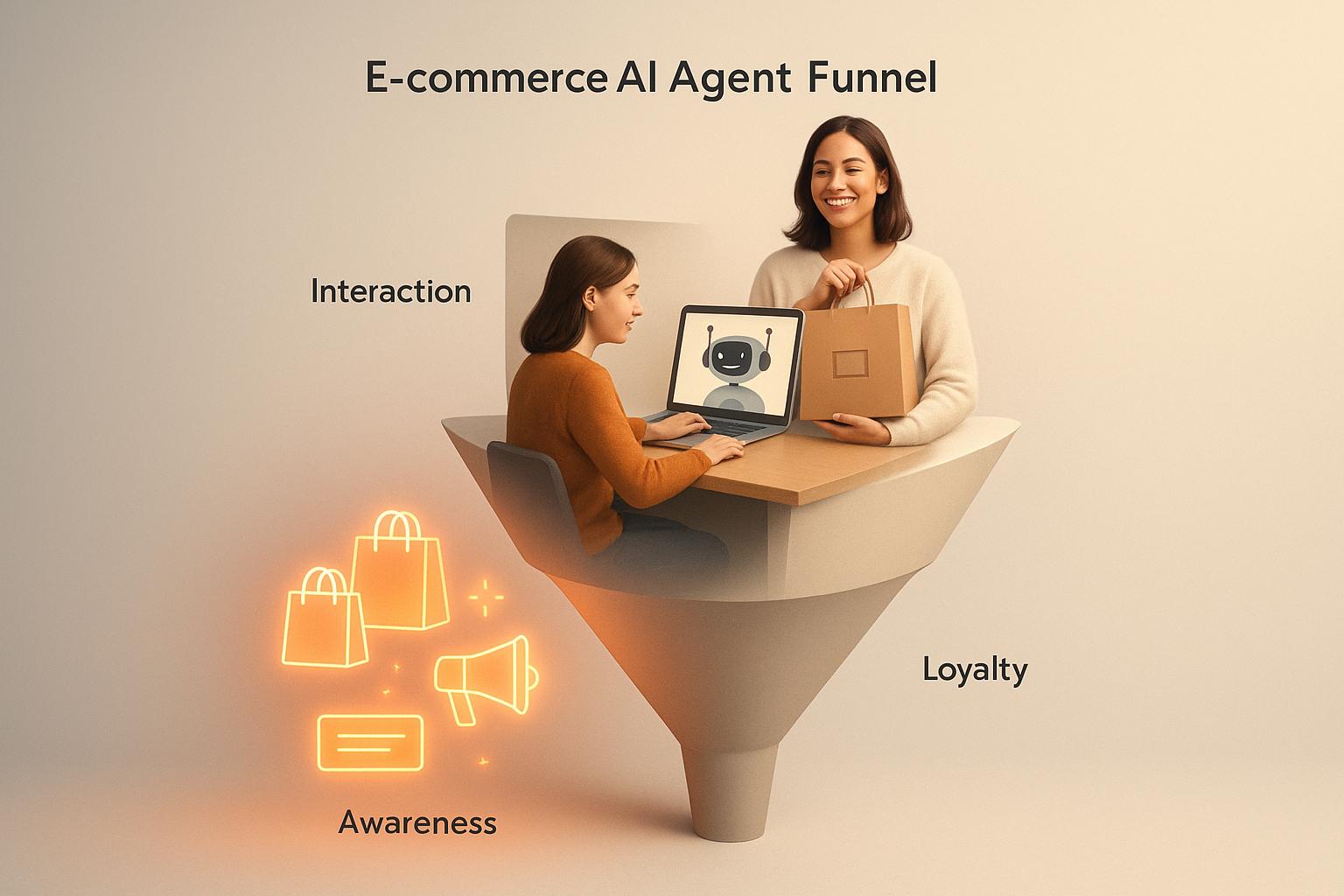
AI agents are reshaping e-commerce by streamlining customer journeys across three stages: awareness, purchase, and loyalty. Unlike traditional chatbots, AI agents use natural language, real-time data, and contextual memory to deliver faster and more personalized interactions. Here's how they work:
- Awareness: AI agents qualify leads, guide product discovery, and engage visitors on platforms like social media and live chat. They collect insights through conversations, enabling tailored follow-ups and higher engagement rates.
- Purchase: They reduce cart abandonment by addressing customer questions, simplifying checkout, and offering timely incentives. AI-powered recommendations and instant support smooth out the buying process.
- Loyalty: Post-purchase, AI agents drive repeat sales with personalized communication, order updates, and reminders. They also automate loyalty program management and re-engagement campaigns to retain customers.
The key to success is integration. Platforms like klink.cloud unify customer interactions across channels (email, SMS, social media, live chat), ensuring AI agents maintain context and deliver consistent experiences. This approach improves metrics like conversion rates, repeat purchases, and customer satisfaction.
To implement AI agents effectively:
- Start with high-impact workflows (e.g., lead qualification, abandoned cart recovery).
- Use a unified platform to centralize communication and data.
- Scale gradually with advanced features like predictive analytics and personalized campaigns.
AI agents are transforming e-commerce funnels by addressing customer needs at every stage, ensuring smoother, more relevant interactions that lead to higher sales and stronger loyalty.
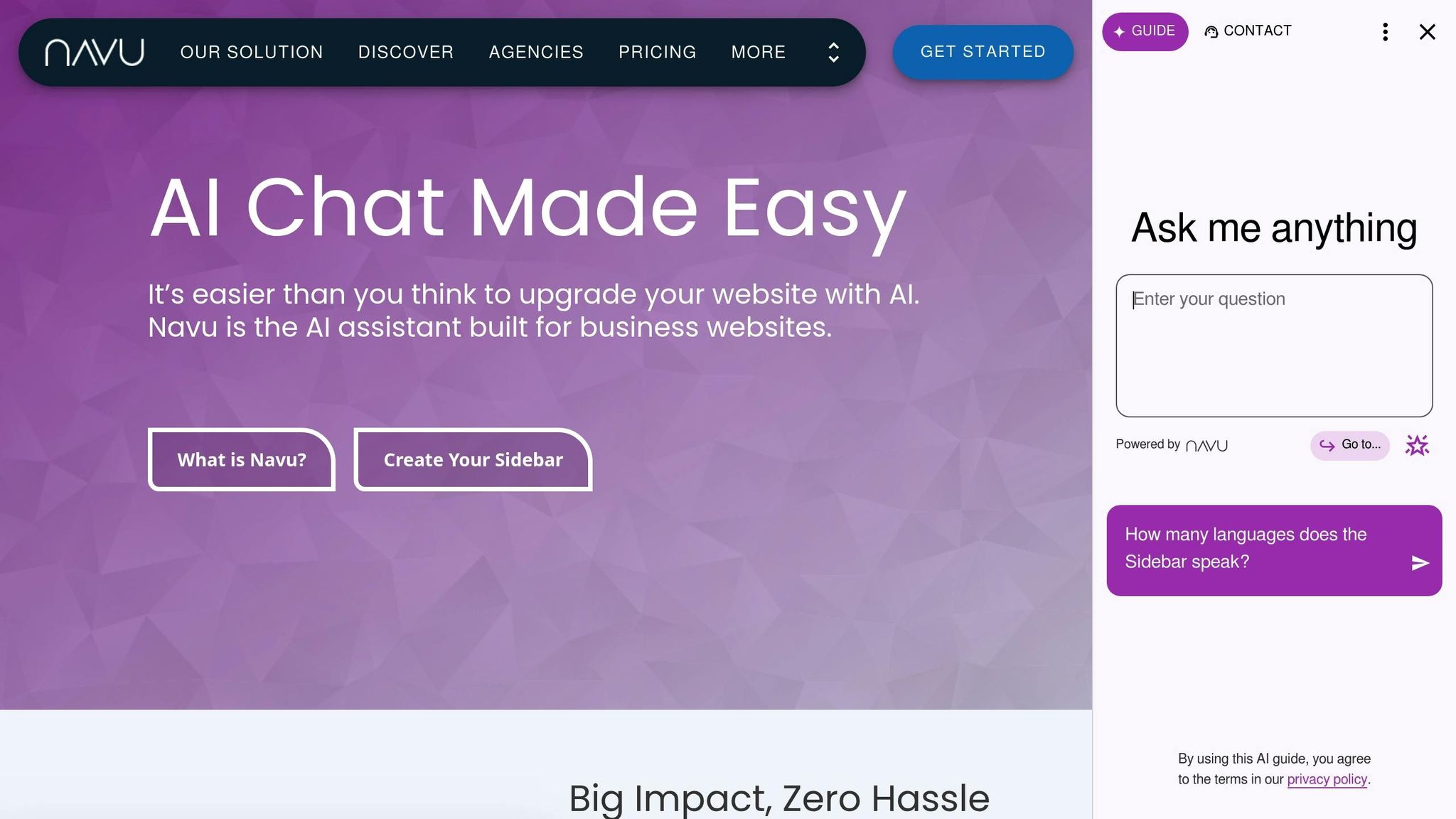
Navu • AI Agents for Full-Funnel Conversion Optimization
The E-commerce Funnel and How AI Agents Work
AI agents have transformed how businesses navigate the unpredictable customer journey. By automating responses, personalizing interactions, and keeping track of context across multiple channels, they adapt to customers who jump between touchpoints, revisit products, and expect on-demand assistance. This flexibility allows AI agents to play a role in every stage of the e-commerce funnel.
The 3 Stages: Awareness, Purchase, and Loyalty
The awareness stage is when potential customers first come across your brand - whether through social media ads, blog posts, or recommendations from others. At this stage, they're exploring their options and figuring out if your products meet their needs. AI agents enhance this experience by qualifying leads in real time. They ask questions to identify what customers are looking for and direct them to the most relevant products or content. By doing so, they can separate casual browsers from those ready to make a purchase, tailoring interactions accordingly.
The purchase stage is where customers decide whether to buy. This is also the stage where many sales are lost - not because the product isn’t appealing, but because of hurdles like unclear product descriptions, confusing sizing, or a clunky checkout process. AI agents help smooth out these pain points by answering customer questions instantly, offering tailored product recommendations, and even applying discounts or promotions without making customers search for codes. By simplifying the buying process, they reduce the mental effort required to complete a purchase.
The loyalty stage begins after a customer’s first purchase and focuses on turning them into repeat buyers. Success here hinges on consistent, personalized communication. AI agents automate key touchpoints like order confirmations, shipping updates, and product care tips. They can also send reminders when it’s time to reorder, suggest complementary products based on past purchases, or win back inactive customers with tailored offers. The aim is to stay relevant while avoiding the trap of overly generic marketing.
Each stage of the funnel calls for specific AI capabilities. During the awareness stage, quick lead qualification and smart routing are crucial. The purchase stage demands deep product knowledge and the ability to tackle obstacles. For loyalty, timing and personalization are key, along with recognizing returning customers across channels. AI agents excel by connecting to your product catalog, order history, and customer data in real time, ensuring they deliver the right support at every step.
How AI Agents Differ from Traditional Chatbots
AI agents don’t just guide customers through the funnel - they also stand apart from traditional chatbots in their ability to understand, act, and remember.
Traditional chatbots rely on scripted responses triggered by keywords. If a customer asks a question outside the script, the bot either fails to respond or loops back to a generic answer. While these bots can handle basic queries like “What’s your return policy?” or “When will my order ship?”, they often fall short in handling complex requests or accessing real-time data.
AI agents take a completely different approach. Using natural language processing, they understand intent, not just keywords. For example, if a customer says, “I need a lotion for my daughter’s sensitive skin,” an AI agent interprets the request and offers child-safe product recommendations, pulling details from your catalog and explaining why those products are suitable.
Unlike chatbots that simply provide information, AI agents can take action - whether it’s applying a discount or initiating a return. This ability to act directly eliminates extra steps for customers and reduces frustration.
Perhaps the most notable difference is how AI agents handle context. Traditional chatbots treat every conversation as a standalone interaction. AI agents, especially when integrated with omnichannel platforms, maintain a conversation history across all touchpoints. They recognize returning customers, recall past purchases, and seamlessly pick up conversations - whether on live chat, email, SMS, or social media. This ability to retain and use context is essential for creating a smooth, connected experience that moves customers effortlessly from discovery to loyalty.
Another key distinction lies in their technical foundation. AI agents integrate with your existing systems, such as your e-commerce platform, CRM, inventory management, and communication tools. This allows them to pull real-time data, whether it’s checking stock levels, tracking orders, or providing detailed product specs. Traditional chatbots, on the other hand, are limited to static, pre-programmed responses that can quickly become outdated.
For e-commerce brands, AI agents aren’t just a tool - they’re a driving force that actively moves customers through the funnel. They qualify leads by asking the right questions, remove obstacles during purchases, and build loyalty through personalized, consistent communication. This evolution from basic automation to intelligent assistance ensures that customers feel supported and understood at every stage of their journey.
Awareness Stage: Using AI to Attract and Qualify Leads
The awareness stage is where your e-commerce business gets its chance to shine. This is often the first point of contact with visitors who land on your site through search results, social media ads, or recommendations - usually with only a vague idea of what they’re looking for. Your mission? Quickly figure out who’s genuinely interested and what they need before they move on. AI agents are perfect for this role, acting like digital greeters who welcome visitors, ask simple questions, and guide them toward the right products or content.
Unlike static landing pages or passive forms, AI agents actively engage with visitors. They can greet someone browsing your homepage, respond instantly to Instagram DMs, or interact with users engaging with your social media ads. This personalized touch helps separate casual browsers from potential buyers early in their journey.
The magic of AI lies in how it gathers useful information without being pushy. Instead of asking visitors to fill out a form with their email, budget, and preferences, AI agents collect details naturally through conversation. For example, if someone asks, “Do you have running shoes for flat feet?” the AI can respond with tailored suggestions while noting their interest in athletic footwear and specific support needs. This type of willingly shared information, known as zero-party data, becomes the foundation for personalized follow-ups via email, SMS, or retargeting ads.
Speed is everything - research shows that 30–50% of sales go to the first responder. AI agents make this possible by replying within seconds, whether it’s the middle of the day or late at night. This quick response keeps visitors engaged instead of waiting for a reply during business hours.
AI agents also adapt their tone and questions based on how visitors arrive at your site. By making the conversation feel relevant, the interaction becomes more meaningful. Next, let’s dive into the specific AI tools that make lead generation and qualification so effective.
AI Tools for Lead Generation and Qualification
Several AI tools work together to attract and qualify leads during this early stage. On your website, conversational AI widgets can activate based on visitor behavior, such as time spent on a page, how far they’ve scrolled, or if they’re about to leave. For instance, if someone looks ready to exit, the AI might pop up with a helpful prompt like, “Looking for something specific? I can help!” This proactive approach can save visits that might have otherwise ended without any action.
Social media AI assistants are another game-changer. These tools handle incoming messages on platforms like Instagram, Facebook Messenger, and WhatsApp. If someone comments on an ad or sends a direct message asking about product availability, the AI responds instantly with answers and follow-up questions. It can even ask about budget, style preferences, or timing, all while staying true to your brand’s voice. These interactions automatically create contact records in your CRM, complete with tags that highlight product interests and buying signals.
AI-powered pop-ups and overlays have also evolved. Instead of the old-fashioned, interruptive “Sign up for 10% off” tactic, modern AI tools use natural language processing to create meaningful interactions. For example, the AI might ask, “What brings you here today?” and use the response to suggest relevant product categories or content. If a visitor mentions “sensitive skin,” they could be guided to hypoallergenic products and receive follow-up emails with skincare tips tailored to their needs.
The qualification process works through strategic, low-pressure questioning. A typical AI interaction might start with a friendly greeting, followed by two to four qualifying questions, and end with an offer of value - like a discount code, quiz results, or personalized recommendations - in exchange for contact information. During this process, the AI captures key details such as preferred product categories, budget range, purchase timelines, and any concerns. These insights are then converted into a lead score, which helps determine the next steps for the visitor.
For example, someone who says they’re “just browsing” without sharing a budget might receive a low-intent score and enter a nurturing sequence with educational content. On the other hand, a visitor asking about sizing, needing an item within a week, and sharing their budget would be flagged as high-intent and routed to a faster sales flow, possibly including a time-sensitive offer or a direct connection to a human sales rep.
AI-driven content recommendations are another effective strategy. When a visitor asks a question, the AI doesn’t just answer - it also suggests related blog posts, buying guides, or comparison pages to address deeper concerns. This positions your brand as helpful and knowledgeable, building trust while keeping visitors engaged. The AI tracks which content the visitor interacts with and adds these details to their profile for future personalization.
Timing is key for U.S.-based e-commerce businesses, especially during major shopping periods like Black Friday, back-to-school season, or summer sales. AI agents can tailor their messaging to reference specific promotions and highlight savings in clear dollar amounts (e.g., “Save $20 on your first order today”), making offers more compelling and easy to understand.
It’s important to keep these initial interactions short and helpful, blending naturally into the customer experience. Overloading visitors with too many questions or pushing too hard for a sale can backfire. The best approach is to provide value first - answer their question, solve a small problem, or offer a useful suggestion - before asking for contact details. Transparency is also crucial: visitors should know they’re interacting with an AI assistant and have the option to connect with a human if they prefer.
Measuring Awareness Stage Performance
Once you’ve optimized your lead capture efforts, tracking performance metrics is essential to ensure your strategies are working. Start with lead volume - the total number of unique contacts captured across all channels over a specific period. While this is a basic measure, it’s equally important to assess the quality of those leads.
Opt-in rate is a key metric that shows the percentage of visitors who share their contact details after interacting with an AI prompt. For example, if your AI widget appears to 10,000 visitors and 500 provide their email or phone number, that’s a 5% opt-in rate. A low opt-in rate might mean your AI is asking for too much too soon or isn’t offering enough value in return.
Engagement rate measures how actively visitors interact with the AI. This includes the number of messages exchanged, clicks on suggested products, or completion of a quiz. High engagement indicates that visitors find the AI helpful, while quick drop-offs may signal that responses are falling short.
Lead quality is best evaluated through downstream metrics. How many AI-captured leads convert into first-time buyers? What’s the average order value or lifetime value for different lead segments? These insights can help refine your AI’s questioning strategy. For instance, you might discover that visitors mentioning a specific use case or timeline are three times more likely to convert than others.
Progression rate connects early interactions to tangible outcomes, showing how many awareness-stage contacts move further into the funnel - whether that’s viewing product pages, adding items to a cart, or signing up for an email list. This metric can highlight any weak spots in the handoff between AI interactions and the rest of your marketing efforts.
Platforms like klink.cloud simplify performance tracking by consolidating conversations, events, and user data from web chat, social messaging, email sign-ups, and SMS into a single profile for each contact. Instead of juggling data across multiple tools, you get a unified view of your awareness-stage KPIs. This makes it easier to experiment with AI scripts, welcome messages, or incentive offers, as all results are visible in one analytics layer.
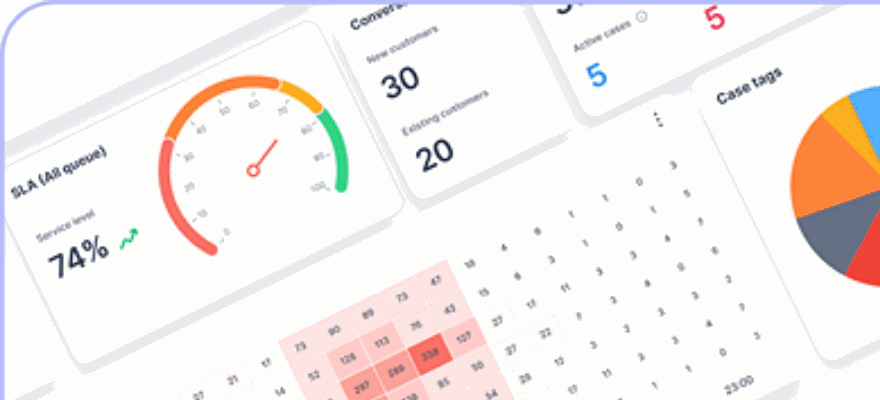
Real-time dashboards allow you to monitor performance as it happens. You can see which channels generate the most leads, which qualifying questions lead to higher conversions, and where visitors drop off. This immediate feedback enables quick adjustments - if a new AI greeting isn’t working, you can tweak it within hours instead of waiting weeks for data.
When AI-captured data flows directly into your CRM and marketing tools, segmentation becomes even more powerful. Every interaction enriches contact records with tags like product interest, price sensitivity, urgency, and objections. This allows for highly targeted campaigns, such as sending a “still thinking it over?” email to visitors who didn’t buy or a “back in stock” alert to those who inquired about unavailable items. Research shows that personalized, segmented campaigns can generate up to 760% more revenue than generic ones.
Purchase Stage: AI Support During Checkout
The purchase stage is where the stakes get high. Customers are ready to buy, but obstacles can still derail the transaction. Did you know nearly 70% of online shoppers abandon their carts? The reasons vary - unexpected shipping costs, confusing forms, unanswered questions, or even simple distractions can all play a role. AI steps in here as a problem-solver, smoothing out the checkout process and addressing concerns before they turn into abandoned carts.
AI agents act like digital shopping assistants, available right when customers need them most. Got a question about sizing, shipping, returns, or payment options? Instead of digging through static FAQ pages, shoppers can get instant answers, keeping the momentum alive and reducing hesitation.
These AI tools are also proactive. If someone seems stuck on the checkout page, the system might step in with a friendly nudge, offering help to resolve minor issues before they become deal-breakers.
One of AI's standout features is its ability to provide round-the-clock support across devices and platforms. Whether you're shopping on your laptop or phone, AI ensures a seamless experience. Plus, it remembers past interactions, tailoring its assistance to fit each customer's unique journey - referencing previous purchases for returning buyers or offering extra guidance to first-timers.
Next, let’s look at how AI transforms product search and recommendations.
AI-Powered Product Search and Recommendations
AI makes searching for products feel effortless. Instead of typing out long, detailed queries, customers can simply ask natural questions about what they’re looking for. For instance, someone might ask about a product's features in plain language, and the AI will interpret the intent, even if the wording doesn’t match the product description.
This conversational style feels intuitive. The AI can even ask follow-up questions to refine the search, presenting a curated selection of products in seconds. No more endless scrolling through irrelevant results.
But AI doesn’t stop at search. Its recommendation engines analyze browsing patterns, past purchases, and real-time behavior to suggest items that align with each shopper’s interests. For example, if you’ve been eyeing a specific category, the AI might highlight related alternatives or complementary products. These systems can also create dynamic options, like custom bundles or tailored content, for an even more personalized experience.
By making product discovery smoother and more relevant, AI helps pave the way toward a completed purchase.
Removing Purchase Obstacles with AI
Even after picking out the perfect product, roadblocks can still pop up. High shipping costs, for example, cause 41% of shoppers to abandon their carts. Other common issues include cheaper alternatives, slow delivery times, limited payment options, and unclear return policies. And let’s not forget - 24% of shoppers hesitate because they don’t want to create an account, while 17% are put off by overly complicated checkout steps.
Here’s where AI shines. It offers real-time support to address these challenges. If a customer seems unsure about shipping or payment options, the system can step in with clear, straightforward explanations, helping them make decisions without feeling overwhelmed.
AI also uses predictive tools to recognize hesitation and provide timely incentives. For example, exit-intent messages might highlight free shipping or a limited-time discount, which research shows can reduce cart abandonment rates by up to 18%.
Beyond that, AI simplifies tricky steps like entering billing details or applying promo codes. Advanced fraud detection systems further enhance the experience by minimizing false declines and ensuring smooth processing for legitimate transactions.
And if a customer does leave their cart behind, AI-powered retargeting works to bring them back. Personalized follow-up messages, based on their previous interactions, are far more effective than generic reminders. AI even adjusts the checkout flow dynamically - returning customers might see streamlined options, while first-time buyers get extra reassurance about secure payments and easy returns. Features like urgency messages or social proof notifications can also be triggered to nudge shoppers toward completing their purchase.
AI doesn’t just stop at fixing problems - it continuously refines the checkout process to make it even better over time.
sbb-itb-204ca50
Loyalty Stage: AI-Driven Post-Purchase Communication
A purchase isn’t just the end of a transaction - it’s the beginning of a relationship. With 80% of customers placing as much value on their experience as the product itself, AI plays a pivotal role in keeping customers engaged and coming back for more.
AI-powered post-purchase communication creates personalized, ongoing touchpoints to meet customer needs. Whether it’s tracking shipments, managing returns, or recommending complementary products, these tailored interactions help businesses nurture loyalty. Companies using AI to refine their customer funnels have reported a 25% boost in customer lifetime value. By analyzing patterns across thousands of interactions, AI enables businesses to anticipate customer needs and act at just the right moment, turning occasional buyers into devoted advocates.
Beyond these touchpoints, AI also automates outreach to ensure consistent engagement with customers.
Automated Outreach for Customer Retention
AI takes the reins of post-purchase communication, offering convenience without sacrificing a personal touch. Customers receive real-time updates - whether via email, SMS, or messaging apps - on shipping status, delivery windows, or potential delays. This ensures they’re always in the loop.
Returns, often a pain point, become seamless with AI. Customers can skip the hassle of deciphering policies or waiting on hold. Instead, AI provides instant guidance on return eligibility, step-by-step instructions, and refund updates. AI also drives repeat purchases through well-targeted cross-sell and upsell campaigns. For example, a global coffee brand leverages AI-driven predictive analytics to segment its audience, offering top-tier customers early access to new products. This strategy led to a 15%-20% boost in campaign performance and a stronger ROI.
AI doesn’t stop there - it’s also equipped to detect signs of churn. If a once-active customer hasn’t made a purchase recently, AI triggers re-engagement campaigns. Unlike generic “we miss you” messages, these campaigns are tailored, drawing on past purchases, browsing habits, and patterns from similar customers. Companies like Netflix and Spotify excel at this, using AI to refine recommendations and personalize content, keeping users engaged and reducing churn.
Timing is just as critical as the message itself. AI learns when each customer is most likely to engage, optimizing send times and adjusting messaging frequency to maintain interest without overwhelming them.
Integrating AI with Loyalty Programs
AI doesn’t just enhance communication - it transforms loyalty programs into a seamless part of the customer experience. By integrating loyalty features across all channels, AI ensures customers always know their points balance, tier progress, and available rewards. Whether checking an order status or asking about a product, these details are naturally woven into the conversation.
With 79% of loyalty program members buying more frequently, AI simplifies participation by automating rewards at checkout, sending reminders about expiring points, and spotlighting unused benefits. It also personalizes loyalty experiences. For instance, high-value customers might receive invites to exclusive events or early sale access, while newer members might get tips on maximizing their rewards.
Referral programs also benefit from AI’s precision. Companies like Uber and Airbnb use AI to identify customers most likely to refer friends based on engagement and satisfaction. AI then follows up with referral offers and tracks the entire journey, ensuring the process is smooth and effective.
Subscription services, projected to hit $2.3 trillion by 2028, are another area where AI shines. From renewal reminders to plan upgrade suggestions based on usage, AI keeps subscriptions running smoothly. It even resolves billing issues proactively, reducing the risk of cancellations.
The real power of AI lies in its ability to measure and adapt. By tracking metrics like Customer Lifetime Value, churn rate, Net Promoter Score, and repeat purchase rates, businesses gain insights into what’s working. AI doesn’t just execute strategies - it refines them, testing and doubling down on approaches that strengthen customer loyalty.
Implementing AI Agents with klink.cloud
Setting up AI agents can be a smooth process if you start with the right groundwork. This means connecting your communication channels, integrating core systems, and designing workflows that align with how your customers interact with your brand. To get started, make sure you have a reliable e-commerce platform, a well-organized CRM, and basic analytics to track page views and purchases in USD. It’s also a good idea to have a dedicated person or small team focused on refining the customer experience.
Start by mapping out your customer journey. Identify every touchpoint where customers engage with your brand - whether it’s through paid ads and email sign-ups during the awareness phase, on-site search and checkout during the purchase phase, or order follow-ups and loyalty programs after the sale. For each interaction, pinpoint specific AI applications, like qualifying leads on landing pages, offering product recommendations during browsing, or sending automated post-purchase messages that reference the customer’s last order and delivery date.
Connecting Your Communication Channels
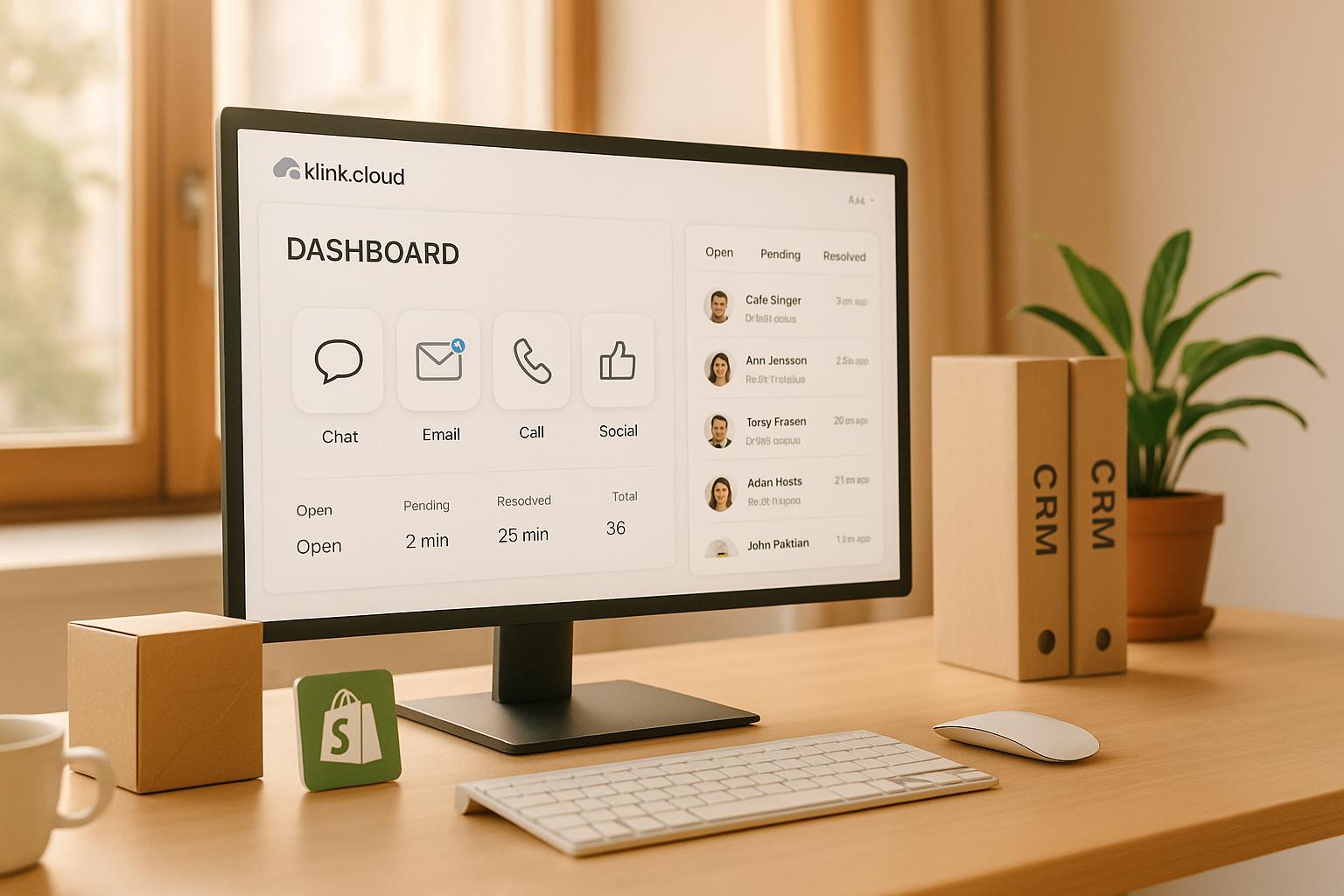
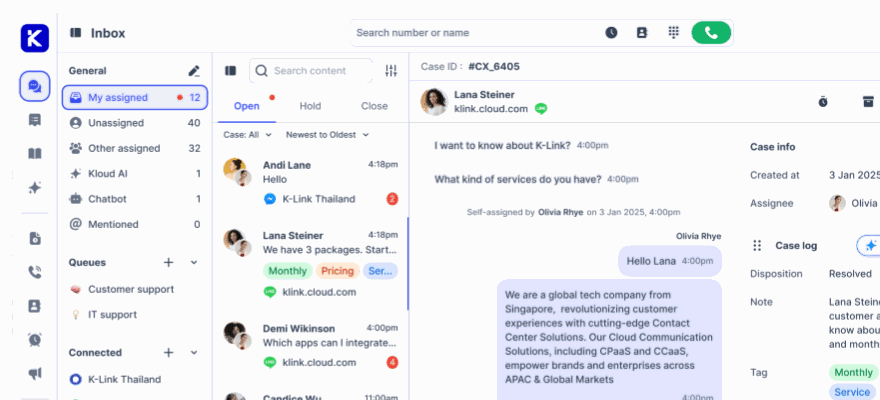
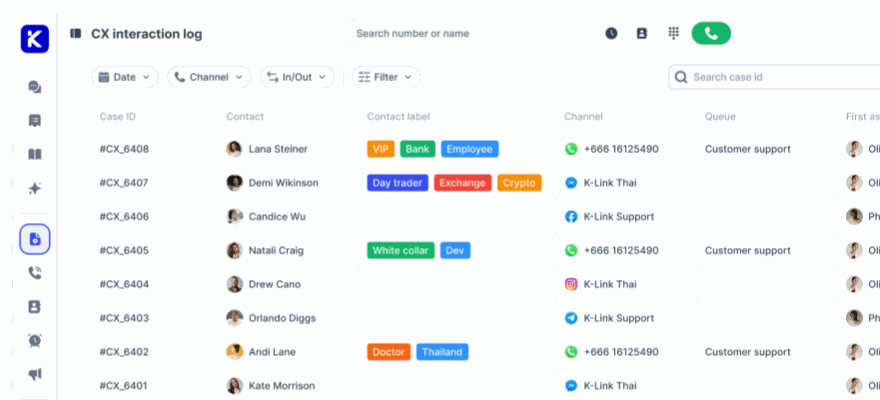
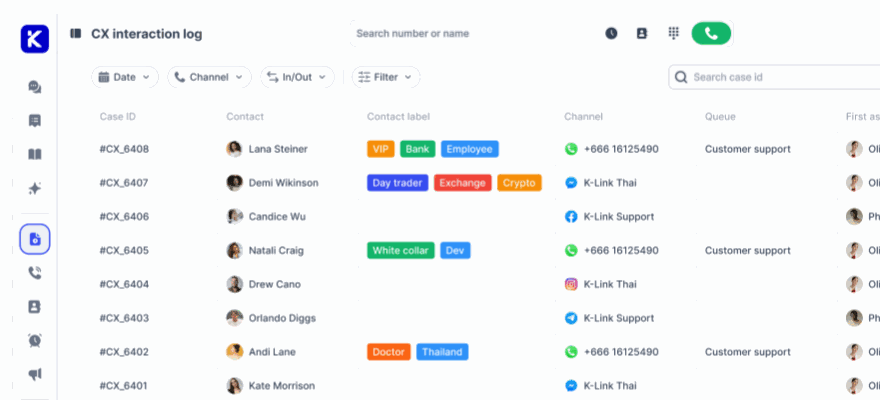
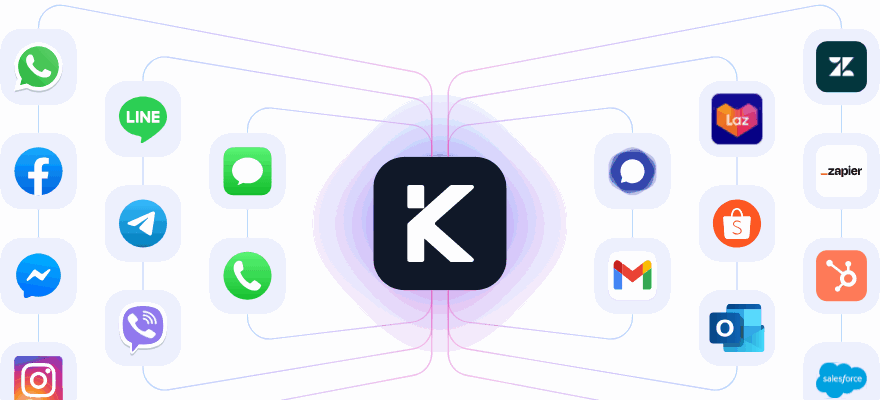
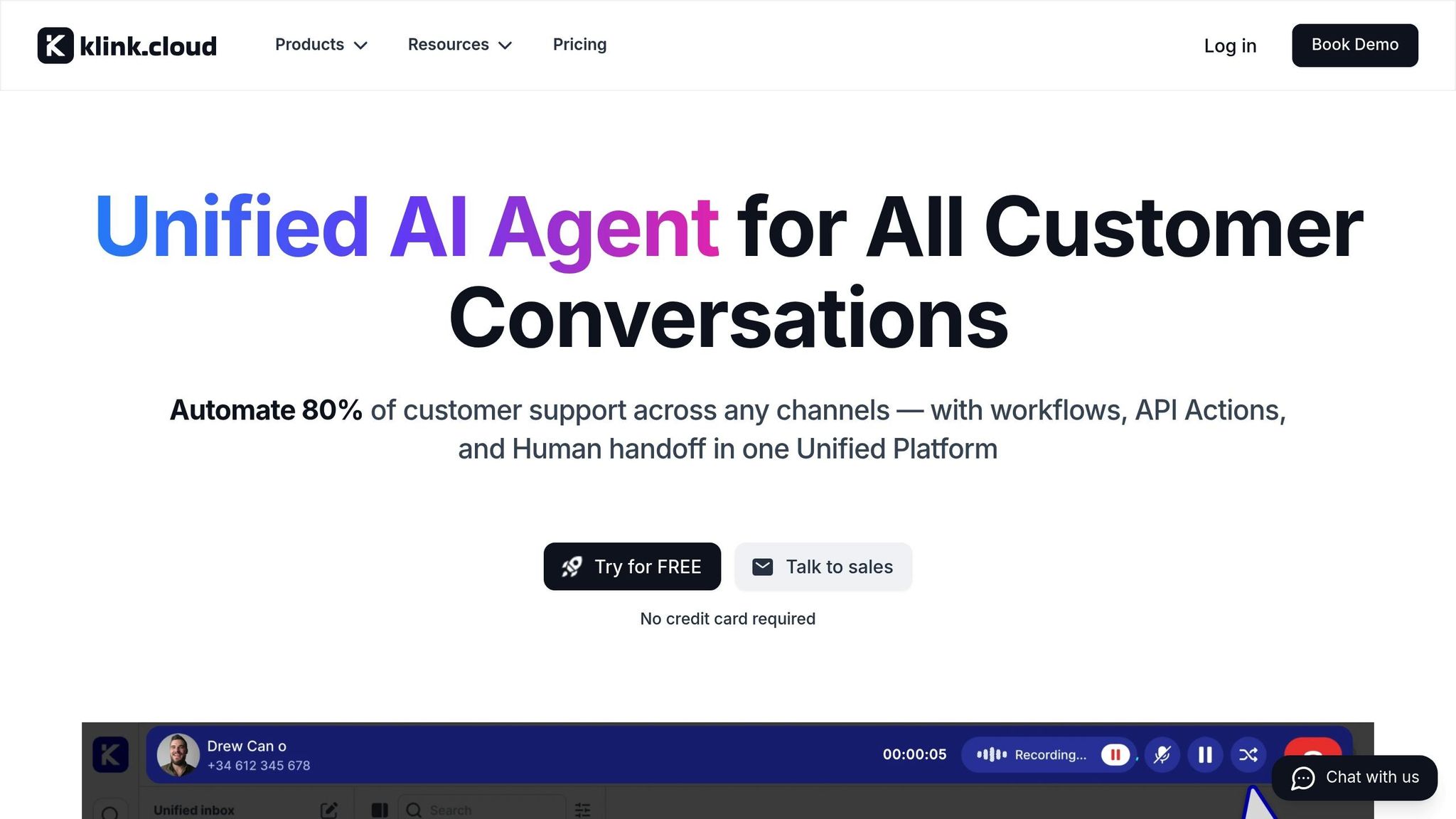
Consolidating your customer conversations into one platform is essential. Begin by embedding a web chat widget on your site and linking your email, SMS, and social messaging channels. This creates a Unified Inbox where all customer messages - whether from calls, WhatsApp, Messenger, Telegram, email, or live chat - are accessible in one dashboard.
"With klink.cloud's Unified Inbox, you can view and respond to every message - whether it's a phone call, WhatsApp, Facebook, Telegram, email, or live chat - all in one unified dashboard." - klink.cloud
This setup is key because it gives AI agents the full context of customer interactions. For example, if a customer who abandoned their cart reaches out via WhatsApp, the AI can instantly access details like the items they were browsing, the cart value in USD, and their last visit. This enables smarter, more personalized responses and ensures smooth communication from the first inquiry to post-purchase follow-up.
Next, integrate klink.cloud with your e-commerce platform and CRM. Use APIs or native integrations to allow klink.cloud to access and update customer profiles, including contact details, preferences, order history, and behavioral data like product views or cart value. This centralized information helps AI agents identify high-value customers, detect churn risks based on declining order frequency, and send tailored messages referencing relevant products and pricing.
Additionally, upload a structured knowledge base that includes FAQs, shipping and returns policies, and brand guidelines. This ensures the AI delivers accurate and consistent responses aligned with your brand’s voice.
Once these foundational systems are in place, you can focus on unifying and scaling your AI workflows to meet growing customer demands.
Scaling Your AI Implementation
Scaling works best when done in stages - start small, prove the value, and expand gradually. Begin with simple, rule-based automations for specific use cases. For example:
- Awareness stage: Create lead capture workflows that greet visitors, ask targeted questions about their needs and budgets, and tag qualified leads in your CRM.
- Purchase stage: Set up abandoned cart recovery messages and on-page product FAQs.
- Loyalty stage: Automate order status updates, review requests, and reorder reminders based on typical usage cycles.
These workflows address key customer pain points and can significantly improve their experience. In fact, industry data shows that live chat and messaging can boost conversion rates by 10–30% when responses are delivered within one to two minutes. AI agents help maintain this speed consistently, even during busy times.
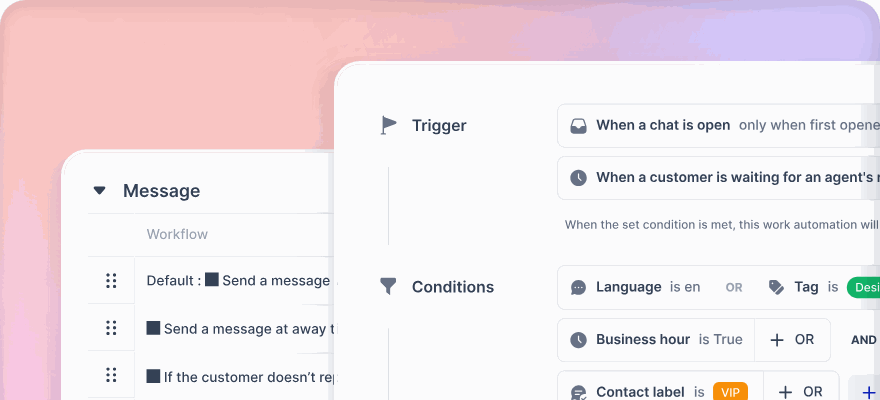
After validating these initial workflows, you can move to more advanced features like personalized recommendations and segmentation based on customer behavior and order value. Use klink.cloud’s workflow builder to set triggers (e.g., new visitor on site, abandoned cart, or order delivered), define conditions (like order value or customer segment), and configure actions (such as sending messages, tagging users, or notifying human agents).
For instance, abandoned cart recovery messages sent via WhatsApp or SMS often achieve recovery rates between 5–20%, which can lead to substantial revenue increases for mid-size e-commerce businesses.
As your AI implementation matures, you can deploy more sophisticated workflows. These could include monitoring post-purchase behavior - like browsing complementary products, contacting support, or joining referral programs - and triggering tailored campaigns. Examples include exclusive offers for high-spending customers, early access to new products for specific segments, or predictive models that flag churn risks and initiate win-back campaigns across email and SMS.
Throughout this process, establish clear escalation rules. If the AI agent isn’t confident in its response or if a customer requests human assistance, the conversation should seamlessly transfer to a human agent within klink.cloud, complete with the full conversation history. Set KPIs for each phase, such as lead capture rates, conversion rates, cart recovery revenue, and repeat purchase rates. Use klink.cloud’s reporting tools to monitor performance and refine workflows, prompts, and triggers as needed.
Regularly review transcripts where the AI struggled or escalated the conversation. Update your knowledge base, refine intents, and adjust workflow rules to close gaps. Define tone-of-voice guidelines to ensure responses align with your brand. For sensitive topics like returns, discounts, or complaints, configure content filters and review processes to maintain accuracy and professionalism. Finally, comply with privacy laws by capturing explicit consent for promotional messages and honoring unsubscribe requests. By making it easy for customers to escalate to a human representative - especially for more complex or high-value issues - you’ll build trust and strengthen engagement over time.
Conclusion
AI agents have become an essential part of the e-commerce journey, seamlessly connecting every stage - from the first interaction to building long-term customer loyalty. At the awareness stage, they fine-tune landing pages, assess leads based on behavior and intent, and direct high-potential prospects to the best offers - all without human intervention. During the purchase stage, these agents act as real-time shopping guides, helping customers find products, addressing concerns on the spot, and resolving checkout issues immediately. This reduces cart abandonment and increases completed transactions. Post-purchase, AI agents continue to engage by providing timely order updates, sending replenishment reminders, and offering tailored cross-sell opportunities, fostering trust and encouraging repeat business.
The impact is undeniable. For example, a retail brand using AI checkout assistants reported a 22% increase in completed checkouts in just one month. An online education platform saw a 31% reactivation rate and a 28% boost in course upgrades by re-engaging inactive users with AI. Similarly, a subscription box company recovered 18% of churned customers in only two months through AI-driven win-back campaigns. These results highlight how aligning AI agents across all channels and stages can transform workflows from manual, generic efforts into a dynamic, automated funnel that adapts to customer behavior and delivers faster, more personalized interactions.
klink.cloud plays a pivotal role in enabling this transformation. It centralizes customer interactions across platforms like web chat, email, SMS, WhatsApp, Messenger, Telegram, and phone calls into a Unified Inbox, ensuring AI agents always have the full context of every conversation. By integrating with e-commerce platforms, CRMs, and analytics tools, klink.cloud empowers AI agents to send the right messages at the right time, enhancing the overall customer experience.
To implement AI effectively, start small. Focus on high-traffic areas, measure the results, and gradually expand to post-purchase workflows. Use klink.cloud’s workflow builder to set up triggers, conditions, and actions while defining escalation rules for complex or high-value issues. This ensures that human agents can step in seamlessly with access to the full conversation history when needed. Track key funnel metrics - like lead qualification rates, conversion percentages, and repeat purchase rates - and set clear goals for improvement.
Concerns about technical complexity or losing the human touch are common, but klink.cloud is designed to integrate with existing systems and support human teams rather than replace them. By pairing AI agents with human escalation paths, businesses can enhance speed and personalization without compromising their brand voice or service quality. As AI capabilities evolve and customer expectations rise, brands that make AI agents a core part of their strategy will be better equipped to deliver fast, consistent, and tailored experiences. klink.cloud simplifies the process of designing, testing, and scaling AI solutions, helping businesses achieve measurable results - from initial awareness to lasting customer loyalty. This integrated approach underscores the power of AI in building strong, enduring customer relationships.
FAQs
What makes AI agents more effective than traditional chatbots in guiding customers through the e-commerce funnel?
AI agents take customer interactions to the next level by moving past the rigid, pre-programmed replies of traditional chatbots. Using advanced tools like machine learning and natural language processing, they can anticipate customer needs, deliver tailored recommendations, and effortlessly handle tasks such as order tracking or follow-ups.
This technology helps craft a shopping experience that's not only smoother but also more interactive and proactive. From grabbing attention during the awareness phase to making purchases easier and fostering long-term loyalty, AI agents adapt to every step of the e-commerce journey.
How can businesses use AI to reduce cart abandonment during the purchase process?
AI plays a key role in tackling cart abandonment by simplifying the checkout process and delivering customized incentives. For instance, AI tools can detect when a shopper seems unsure and respond with targeted offers - like free shipping, a time-sensitive discount, or a gentle nudge about items left in their cart.
On top of that, AI-driven chatbots offer instant support, addressing customer questions or resolving issues that might otherwise derail a purchase. By quickly meeting customer needs and tailoring solutions, businesses can boost conversion rates and keep those carts from being left behind.
How can AI-driven post-purchase communication build customer loyalty and drive repeat sales?
AI-powered tools are transforming post-purchase communication, making it a key driver of customer loyalty and repeat sales. By offering personalized and proactive support, businesses can keep customers engaged long after their initial purchase. For example, timely updates on order status, delivery tracking, and follow-ups ensure that customers feel informed and valued.
Adding to this, features like hassle-free return processes, customized product recommendations, and exclusive deals based on previous purchases create a shopping experience that feels tailored to each individual. AI tools also step in with round-the-clock assistance through chatbots or virtual assistants, resolving issues quickly and building trust with your customers.
These strategies not only improve the shopping journey but also encourage customers to return, boosting their long-term value to your business.