
Improving ROAS with AI-Driven Customer Interactions
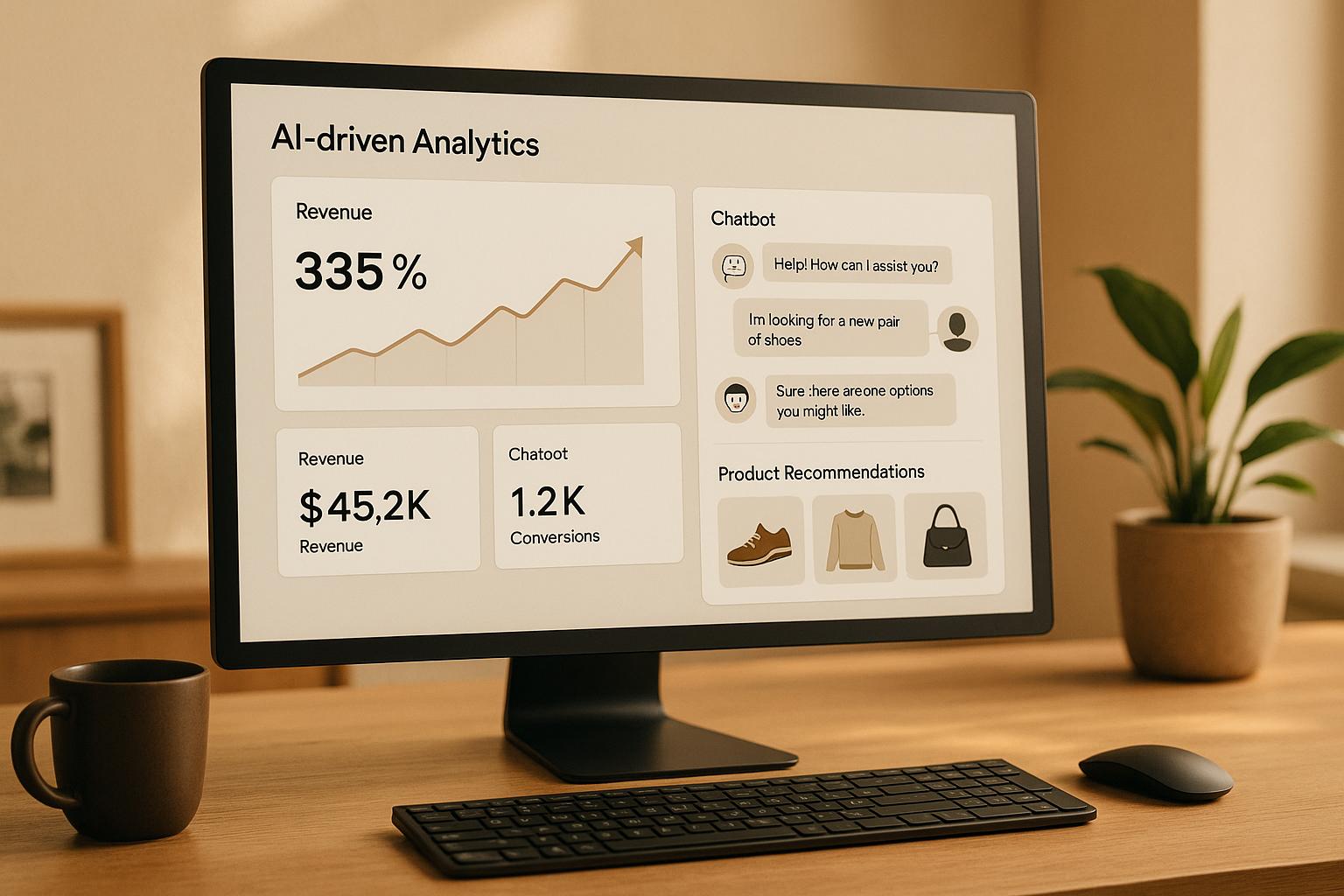
AI is reshaping how businesses turn ad clicks into revenue by personalizing customer interactions. Instead of relying on generic landing pages or static messaging, AI analyzes real-time behavior to create tailored experiences - like product recommendations, instant chatbot support, and targeted offers. This approach improves conversion rates and maximizes Return on Ad Spend (ROAS) without increasing ad budgets.
Key Takeaways:
- What is ROAS? It's the revenue generated per dollar spent on ads. A 5:1 ROAS means $5 earned for every $1 spent.
- Why AI Matters: AI personalizes post-click experiences, predicts customer intent, and optimizes engagement across channels.
- Methods That Work: Personalized recommendations, real-time AI chatbots, and predictive analytics refine targeting and boost efficiency.
- Omnichannel Impact: AI ensures consistent, context-aware interactions across platforms, reducing friction and increasing sales.
How AI-Driven Customer Interactions Impact ROAS
To truly grasp how AI-powered customer interactions influence ROAS, it's essential to understand both the metrics themselves and the mechanisms that drive improvement. Using AI reshapes how businesses handle the post-click experience, creating opportunities for better outcomes.
What ROAS Is and Why It Matters
ROAS, or Return on Ad Spend, is a straightforward yet critical metric. It's calculated by dividing the revenue generated from ads by the amount spent on them. For instance, if you spend $1,000 on ads and bring in $5,000 in revenue, your ROAS is 5:1. Unlike broader metrics like clicks or impressions, ROAS ties your ad spend directly to revenue, giving you a clear picture of your campaign's effectiveness.
A low ROAS indicates wasted budget with little return, while a high ROAS shows that your spending is working efficiently to grow your business. Most businesses aim for at least a 4:1 ROAS to cover costs like production, overhead, and other expenses, but the ideal ratio varies. For example, e-commerce businesses often need higher ROAS due to competitive pricing and slim profit margins, while service-based companies with higher margins might succeed with lower ratios.
The real challenge, however, lies beyond the click. Even with perfect targeting and engaging ad creative, a disappointing post-click experience can drag down your ROAS. That’s why understanding ROAS is just the first step - it sets the stage for seeing how AI can transform post-click interactions into measurable revenue growth.
How AI Improves Post-Click Customer Experiences
Once someone clicks on your ad, a crucial opportunity opens up. Traditional methods often squander this by sending all visitors to the same generic landing page, regardless of their needs or preferences. AI changes the game by analyzing behavior in real-time and tailoring the experience instantly.
When a visitor lands on your site, AI systems process a wealth of data: the ad they clicked, their browsing history, the time of day, their device type, location, and even subtle behavioral cues like scroll speed or mouse movements. The result? Personalized content delivered immediately.
Here’s how it works in practice. Imagine someone clicks on an ad for running shoes. AI might recommend products based on their browsing patterns, local weather, and what similar customers have purchased. If they linger on a product page, a chatbot could offer help or a time-sensitive discount to nudge them toward a purchase.
AI-powered chatbots also ensure instant responses, eliminating the delays that can come with human customer service. This reduces abandoned carts and keeps the buying process smooth and uninterrupted.
AI doesn’t stop at personalization - it’s also adept at predicting customer intent. If someone spends time comparing two items, the system might display a side-by-side comparison or emphasize key differences. If they add items to their cart but hesitate, AI can offer targeted incentives like free shipping to finalize the sale. These precise interventions turn casual clicks into conversions, directly improving ROAS.
But the benefits don’t end with the first visit. AI tracks customer interactions over time, building profiles that enhance future experiences. When that customer returns - via another ad, email, or direct visit - the system recalls their preferences and picks up where they left off. This continuity creates a seamless experience that traditional methods simply can’t replicate.
Post-purchase engagement is equally important for long-term ROAS. AI can send personalized follow-ups, suggest complementary products, or encourage repeat purchases. By nurturing relationships beyond the initial transaction, businesses can maximize the lifetime value of each customer brought in through advertising.
Over time, the advantages compound. As AI systems process more interactions, they refine their ability to predict what works for different customer groups. This continuous learning improves ROAS not only through better individual interactions but also through a deeper understanding of what drives conversions across your audience. These tailored experiences set the stage for even more advanced AI strategies, further boosting engagement and returns.
AI Methods to Increase Customer Engagement and ROAS
Now that we’ve covered how AI enhances post-click experiences, let’s dive into specific methods that actively boost customer engagement and ROAS (Return on Ad Spend). These AI-driven strategies work together to create smoother customer journeys, increasing both interaction and revenue.
Personalized Recommendations and Dynamic Content
How It Improves ROAS: Personalized recommendations drive higher conversions by showcasing products customers are most likely to buy, maximizing revenue from every ad click.
AI tools analyze customer data in real time to deliver tailored suggestions based on individual behavior. Unlike static websites that display the same products to everyone, AI considers browsing history, purchase patterns, demographics, and even the time of day to present the most relevant options.
For instance, recommendation engines suggest products based on visitor profiles and past behaviors. Returning customers might see items they’ve previously purchased or complementary products commonly bought together. This ensures a personalized shopping experience without redundancy, enhancing engagement beyond the initial post-click optimization.
Dynamic content takes personalization further by adjusting elements like headlines, images, calls-to-action, and even pricing. For example, a first-time visitor might be shown educational content or testimonials, while a returning customer with an abandoned cart could receive a time-sensitive discount. This tailored approach extends to email campaigns, SMS, and messaging apps, increasing open rates, clicks, and ultimately, ROAS.
Real-Time AI Chatbots and Conversational Agents
How It Improves ROAS: AI chatbots reduce cart abandonment and speed up purchase decisions by offering instant, personalized support during critical moments.
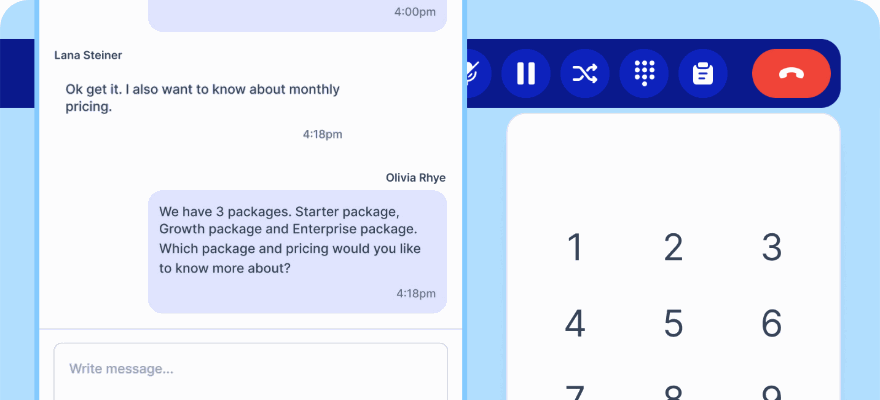
Unlike traditional chatbots with pre-scripted responses, AI-powered conversational agents provide context-aware, real-time assistance. They can interpret customer intent, answer questions, and offer tailored recommendations - all while being available 24/7.
These chatbots handle tasks like greeting visitors, answering product inquiries, explaining shipping details, and even suggesting sizing options. They also maintain context across multiple channels, such as web chat, Facebook Messenger, or SMS, ensuring a consistent experience that keeps customers engaged.
AI-powered "next best experience" capabilities can boost customer satisfaction by 15-20%, increase revenue by 5-8%, and cut service costs by 20-30%.
A real-world example: In October 2025, an Italian telecom company introduced an AI-driven "next best experience" approach. As part of this, a gen AI assistant sent a push notification offering the Rossi family a chance to simulate future bills or set auto-switch rules for weekend data usage. This three-day personalized sequence led to a 5% revenue increase, a 30% margin impact within a year, and click rates two to three times higher than traditional campaigns.[8]
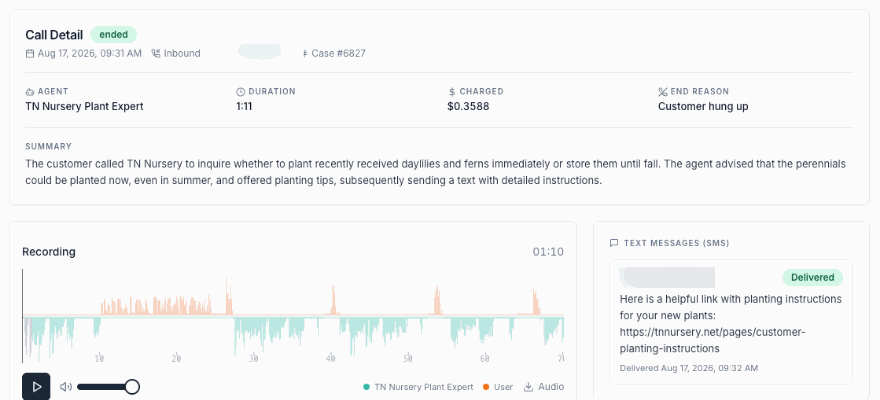
Chatbots also qualify leads quickly and route high-intent buyers to sales teams, minimizing delays between inquiry and conversion. Platforms like klink.cloud enhance this process by providing real-time suggestions to human agents, ensuring timely and effective responses. Additionally, chatbots can address concerns during cart abandonment and offer incentives, recovering sales that might otherwise be lost.
Predictive Analytics for Better Audience Targeting
How It Improves ROAS: Predictive analytics enhances ad efficiency by focusing budgets on high-conversion audiences, avoiding waste on low-value segments.
This AI technique uses historical data and machine learning to identify patterns that signal which customers are most likely to convert, make repeat purchases, or become long-term buyers. By pinpointing these high-potential audiences, you can direct ad spend where it matters most.
For example, AI models analyze behaviors like past purchases, browsing habits, and engagement to identify traits linked to higher conversion rates. Predictive analytics can also refine lookalike audience targeting by finding behavioral patterns - beyond demographics - that indicate purchase intent.
Beyond identifying the right audience, predictive analytics helps allocate budgets more effectively by predicting customer lifetime value. This allows businesses to invest more in high-value segments while cutting back on lower-priority ones. It also flags early signs of churn, such as reduced engagement or negative interactions, enabling timely retention efforts. Optimizing ad timing and frequency further ensures campaigns reach customers when they’re most likely to act.
For those managing campaigns across multiple channels, platforms like klink.cloud use predictive insights to identify which channels deliver the best leads and conversions. This data-driven approach helps businesses reallocate resources strategically, maximizing ROAS by targeting high-value customers and optimizing ad spend. Together, these AI methods form a powerful toolkit for achieving better engagement and revenue outcomes.
Creating Unified Customer Journeys with Omnichannel AI
Today's customers interact with brands across multiple platforms - discovering products on Instagram, asking questions through live chat, and completing purchases over the phone. But when these interactions feel disjointed, frustration sets in, and conversions take a hit. This is where AI-powered omnichannel tools come in, creating seamless experiences that follow customers across platforms. By reducing friction and ensuring smooth transitions, these tools directly boost return on ad spend (ROAS) while enhancing the overall customer journey.
Consistent Experiences Across All Channels
AI-driven workflows ensure that every interaction builds upon the last, creating a sense of continuity. For instance, if a customer starts a conversation on Facebook Messenger and later calls your support line, AI can recognize them instantly, providing responses that are informed by their previous interactions.
This is made possible because AI tracks customer behavior across all touchpoints. Imagine a scenario where someone chats with a bot on your website but leaves without completing their purchase. Later, they receive an SMS reminder that directly addresses the concerns they raised earlier. It feels like a natural continuation of the conversation, not a random marketing message.
These context-aware interactions shine during critical moments. For example, if a customer emails your team after browsing specific products online, AI can automatically provide your support agents with details like product information, pricing, and personalized recommendations. This eliminates the need for customers to repeat themselves and speeds up their decision-making process.
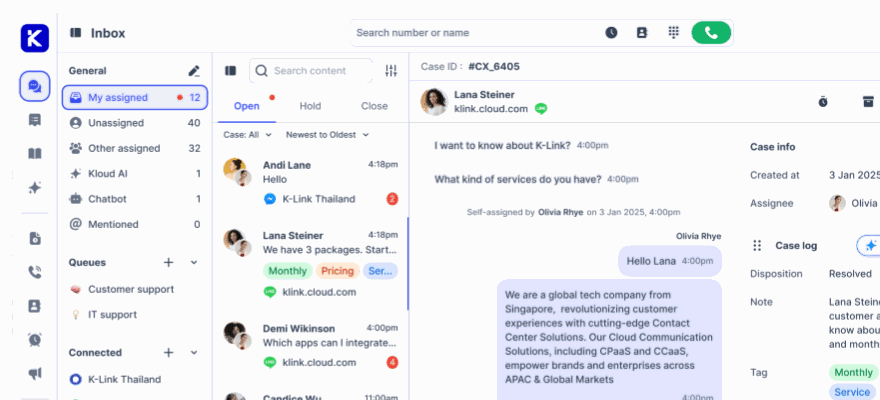
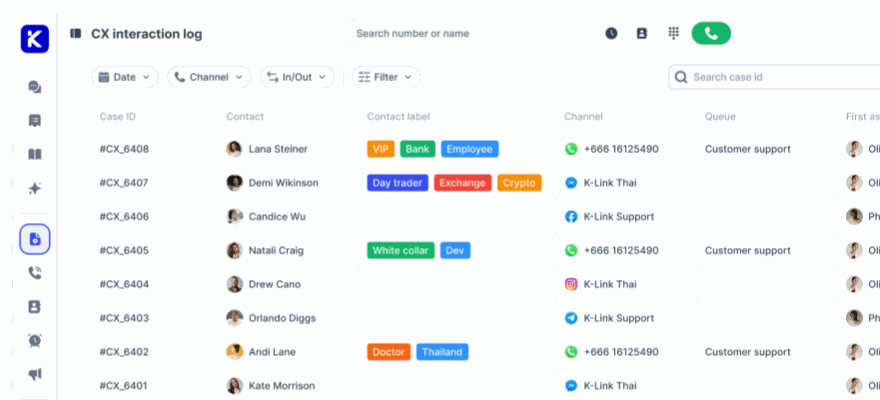
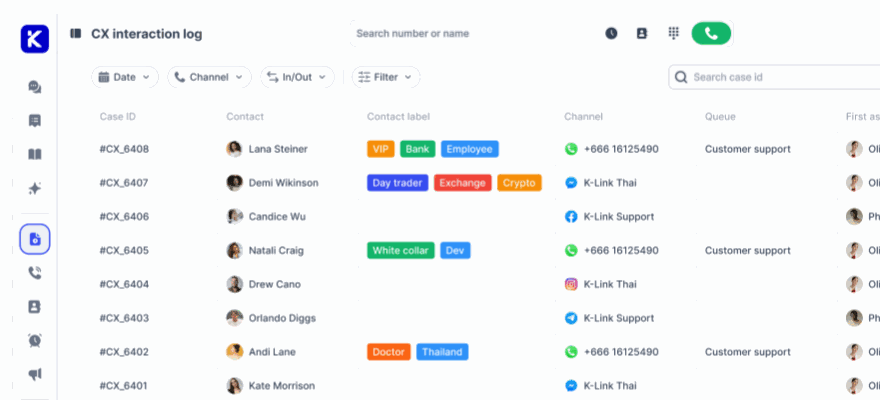
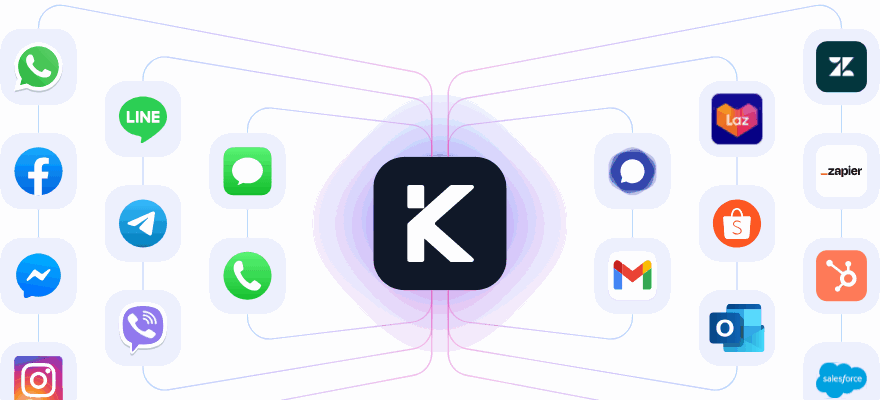
Platforms like klink.cloud take this a step further by centralizing communication across channels - whether it's phone calls, social media messages, emails, or SMS - into a single inbox. This gives your team a complete view of the customer journey, enabling them to provide informed, consistent support. Additionally, AI-powered tools can offer real-time suggestions to agents, helping them deliver tailored assistance whether they're on a call or responding to a message.
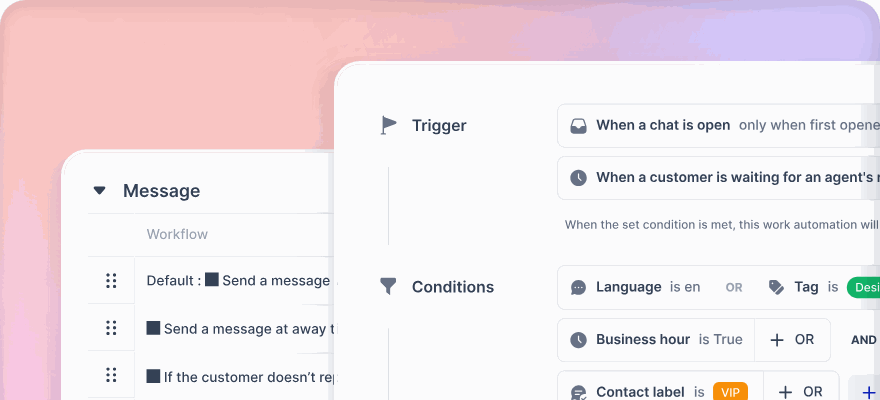
Smart workflow automation enhances this experience by triggering specific actions based on customer behavior. For instance, if a high-value customer calls with a complaint, AI can automatically route them to a senior agent while pulling up their purchase history and recent interactions. This ensures that important customers receive the attention they deserve without delay.
Higher Conversion Rates Through Centralized Data
Centralized data is the key to overcoming the silos that often disrupt customer journeys. When all customer information - from browsing history to past purchases and support tickets - is stored in one place, AI can make smarter decisions about how to engage each individual.
One major benefit is smooth handoffs between channels. A customer might start with a chatbot inquiry and later transition to a human agent. With centralized data, the agent can immediately access the complete conversation history, avoiding any awkward delays or redundant explanations. This keeps the interaction flowing naturally and maintains momentum toward a purchase.
This seamless coordination applies to all channels. For instance, if a customer emails a question in the morning and calls in the afternoon, they shouldn’t have to re-explain their issue. AI-powered systems ensure the phone agent already has the email context, enabling them to provide immediate, informed assistance. Reducing customer effort in this way directly correlates with higher conversion rates.
Unified customer profiles are another game-changer. These profiles compile data like purchase history, channel preferences, response times, and product interests, giving AI a complete view of each customer’s journey. With this information, AI can determine the best way to engage each person. For example, a customer who responds quickly to SMS but ignores emails will receive urgent offers via text, while another might get detailed product information in their inbox.
The impact on conversions is clear. When customers don’t have to repeat themselves or switch channels to get answers, they’re more likely to complete their purchases. Centralized data also helps identify potential drop-off points in the customer journey. If many customers abandon their carts after viewing the shipping policy page, AI can step in with proactive solutions - like a chat offering free shipping or addressing common concerns.
Platforms like klink.cloud integrate seamlessly with CRM systems like Salesforce and HubSpot, as well as ecommerce platforms like Shopify, Lazada, and Shopee. This ensures that customer data flows effortlessly between your sales, marketing, and support tools. With access to this comprehensive data, AI can create personalized journeys that guide customers toward conversion through their preferred channels.
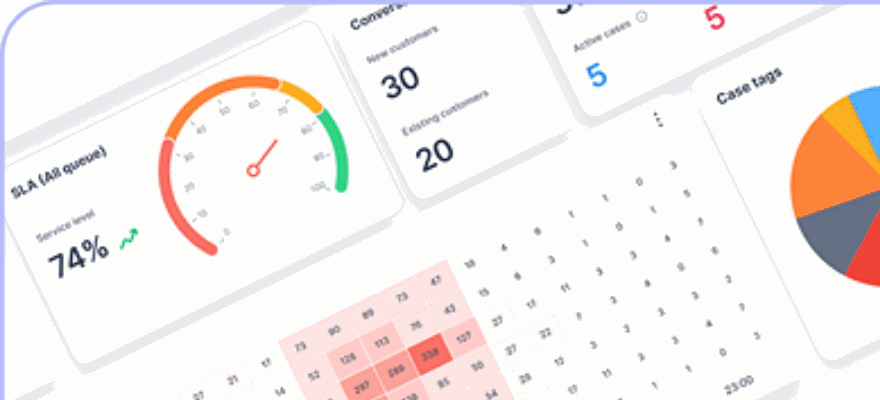
Real-time dashboards and performance tracking add another layer of insight. These tools show how omnichannel strategies affect ROAS, highlighting which channel combinations drive the best results and where handoffs succeed or fail. By analyzing this data, you can fine-tune your approach, focusing resources on the channels that deliver the highest returns.
In short, omnichannel AI turns fragmented interactions into cohesive journeys. By reducing friction, maintaining context, and leveraging centralized data, it not only boosts customer satisfaction but also drives measurable improvements in ROAS.
sbb-itb-204ca50
Case Studies: ROAS Improvements with AI
Real-world examples show how AI-driven strategies can directly enhance Return on Ad Spend (ROAS). Here’s how businesses across different industries have leveraged AI to achieve measurable results:
An ecommerce retailer saw a noticeable boost in digital performance by integrating communications across its website, social media, and email platforms. By implementing AI chatbots and personalized product recommendations, the company reduced cart abandonment rates and increased average order values, creating a seamless shopping experience for customers.
A B2B software company optimized its lead qualification process by deploying AI-driven conversational agents on its digital platforms. This allowed the sales team to focus on high-value prospects, cutting acquisition costs while significantly improving ROAS.
A network of urgent care clinics enhanced its appointment booking system with AI-powered tools that combined phone, SMS, and web chat. Faster response times and more efficient scheduling led to higher patient conversions and a stronger return on their marketing efforts.
A home services company transformed how it handled customer inquiries by adopting an AI omnichannel solution. By consolidating interactions into a single system, the company was able to provide instant service quotes and schedule consultations in real time. This streamlined process led to a marked increase in lead-to-booking conversion rates and improved ROAS.
These examples underscore the power of AI when applied consistently across customer touchpoints. By automating routine tasks, AI frees up human teams to tackle more complex challenges. This combination of AI efficiency and human expertise not only delivers immediate ROAS improvements but also fosters long-term customer relationships.
Conclusion
AI-powered strategies are proving to be a game-changer for improving ROAS. Businesses that weave AI into their customer interactions are seeing real results - higher conversion rates, reduced acquisition costs, and stronger returns on ad spend.
One of the most effective ways AI drives ROAS is by blending automation with personalization. For example, AI chatbots can handle routine questions instantly, freeing your team to focus on more complex customer needs. Meanwhile, personalized product recommendations guide shoppers toward items they’re already interested in, directly boosting sales. And with predictive analytics, you can zero in on the right audience at the right time, cutting down on wasted ad spend.
What sets AI apart is its ability to create consistent, seamless experiences across channels. Whether your customers are browsing on social media, visiting your website, or reading an email, AI ensures they receive relevant and context-driven interactions. This smooth journey reduces the friction points that often cause potential customers to abandon the process before converting.
AI doesn’t replace human expertise - it enhances it. By taking over repetitive tasks and delivering actionable insights, AI allows your team to focus on strategy and creativity. And it’s not limited to one industry; the benefits of AI are being felt across sectors.
If you’re aiming to improve your ROAS, start by pinpointing the bottlenecks in your sales funnel. Slow responses, generic messaging, and disconnected communication channels are prime areas where AI can make a difference. Addressing these challenges with AI can transform your customer journey from the first ad click to final conversion.
To stay ahead, leading businesses are experimenting with AI tools, analyzing their performance, and fine-tuning their strategies based on real customer data. Now is the time to explore AI solutions that can streamline your workflows and drive profitability.
FAQs
How does AI enhance customer interactions to boost ROAS, and what data does it rely on to create personalized experiences?
AI takes customer interactions to the next level by using data to create highly tailored experiences that boost both engagement and conversions. With tools like real-time chatbots and personalized recommendations, AI customizes content and interactions to suit the unique needs of each customer.
This is made possible through the analysis of critical data points, including customer behavior, preferences, demographics, and purchase history. Armed with these insights, businesses can deliver more relevant and engaging experiences, which not only enhance customer satisfaction but also improve metrics like Return on Ad Spend (ROAS) and the overall success of marketing campaigns.
What challenges do businesses face when using AI to boost ROAS, and how can they address them?
Businesses face several hurdles when using AI to boost Return on Ad Spend (ROAS). One major concern is staying compliant with data privacy laws. This means businesses need to establish strong security protocols and ensure their data handling practices are transparent. Another challenge is dealing with bias in AI algorithms, which can distort insights or lead to unfair targeting. To combat this, regularly reviewing and refining data inputs is essential.
There's also the complexity of integrating AI tools with existing systems. Choosing AI solutions that align well with current platforms and offer solid integration support can make this process smoother. Tackling these challenges head-on allows businesses to make the most of AI, improving advertising performance and efficiency.
How can AI-powered predictive analytics help businesses optimize ad spend and improve targeting?
AI-powered predictive analytics gives businesses a smarter way to manage their ad budgets. By digging into historical data, it can uncover patterns and predict how customers are likely to behave in the future. This means companies can zero in on the right audience, make smarter budget decisions, and cut down on wasted ad spend.
With tools like real-time data analysis and user segmentation, businesses can create personalized ads that truly connect with their audience, boosting the chances of turning views into sales. On top of that, predictive analytics helps fine-tune dynamic pricing strategies, keeping campaigns competitive while driving the best possible return on investment (ROI).