10 E-commerce Workflows You Can Automate Using AI Agents
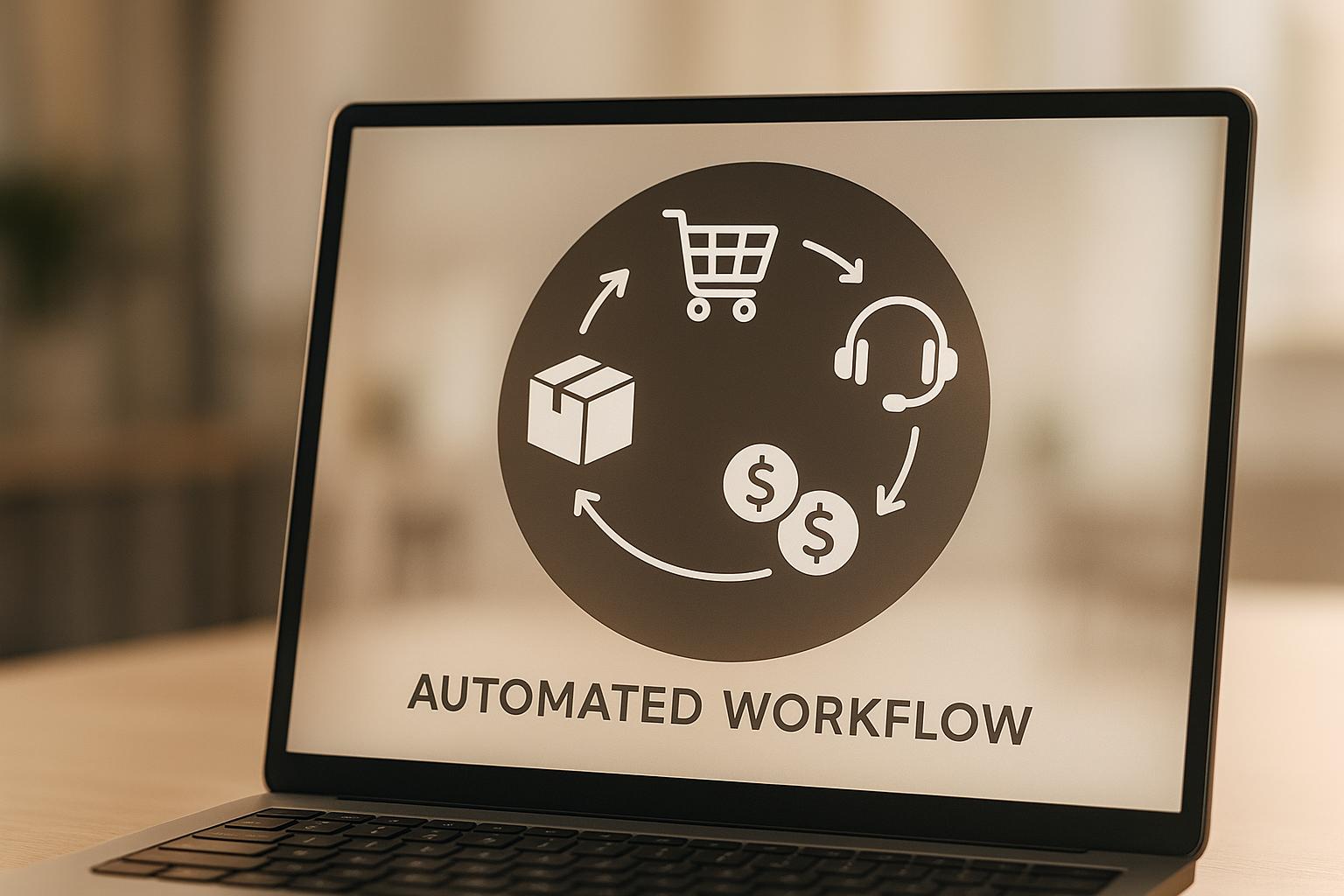
Running an online store involves countless repetitive tasks - responding to “Where’s my order?” inquiries, managing inventory, recovering abandoned carts, and processing returns. AI agents can take over these workflows, saving time, reducing errors, and improving customer satisfaction. Here’s what you can automate:
- Customer Support: Answer FAQs, handle tickets, and resolve issues faster.
- Order Updates: Automatically send shipping and delivery notifications.
- Inventory Management: Monitor stock levels and alert for backorders.
- Cart Recovery: Send personalized reminders to convert abandoned carts into sales.
- Product Recommendations: Suggest tailored items to boost order value.
- Feedback Collection: Automate review requests and improve response rates.
- Returns Processing: Simplify returns and refunds with AI-driven workflows.
- Dynamic Pricing: Adjust prices in real-time based on demand and competition.
- VIP Management: Engage loyal customers with personalized rewards and offers.
- Agent Support: Monitor and improve team performance with real-time insights.
AI tools like klink.cloud integrate these processes across platforms, providing businesses with a centralized hub for automation. Start with high-impact workflows like cart recovery or customer support to see immediate results, then expand to advanced tasks like dynamic pricing or VIP management.
I Built 4 AI eCommerce Agents Making $10K+/Month (n8n Templates)
1. Automated Customer Support and Ticketing
Handling customer inquiries - like order updates or return policies - can take up a lot of time for e-commerce support teams. This is where AI agents step in, managing repetitive questions while leaving complex issues for human agents to resolve.
Workflow Automation Impact
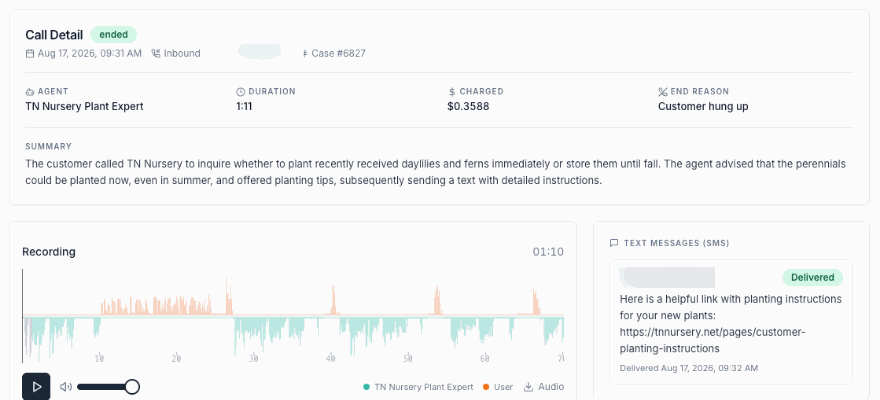
AI agents take care of most customer inquiries without needing human involvement. By connecting to systems like CRMs and e-commerce platforms, they pull real-time data to provide accurate answers. For instance, if a customer asks, "Where's my order?", the AI can instantly retrieve the latest tracking information and even categorize the inquiry by priority or department.
These systems also handle common tasks like password resets, account updates, or explaining return policies. Over time, the AI gets smarter, refining its responses while passing unfamiliar or sensitive issues to human agents - complete with all the conversation context.
Customer Experience Enhancement
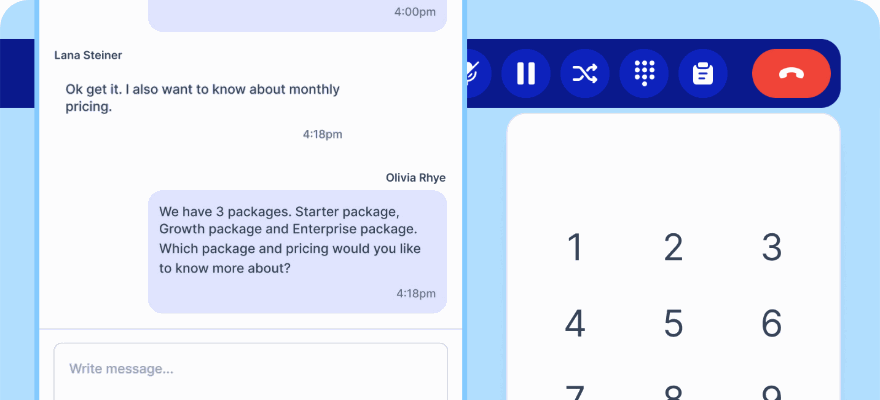
Quick responses are essential in customer service, and AI agents deliver just that - 24/7 support across multiple channels.
What makes this even better is the personalized experience. The AI taps into customer history, so whether someone is a first-time buyer or a long-time customer, the agent can reference past interactions. This eliminates the need for customers to repeat themselves, making the process smoother.
Additionally, AI ensures consistency. Unlike human agents who might provide varying answers, AI responses align perfectly with your brand’s voice and policies, ensuring customers always get accurate information.
Operational Efficiency Gains
By automating routine inquiries, human agents can focus on more complex issues, leading to stronger customer relationships.
This also reduces ticket volumes since many issues are resolved right away. Fewer tickets mean quicker response times for cases that require human input and less repetitive work for agents - helping prevent burnout.
Another advantage? AI agents can handle multiple conversations at once. This is especially handy during peak times like Black Friday or the holiday season, where demand skyrockets. With AI, businesses can manage these surges without hiring extra staff or paying for overtime.
Integration with Omnichannel Platforms
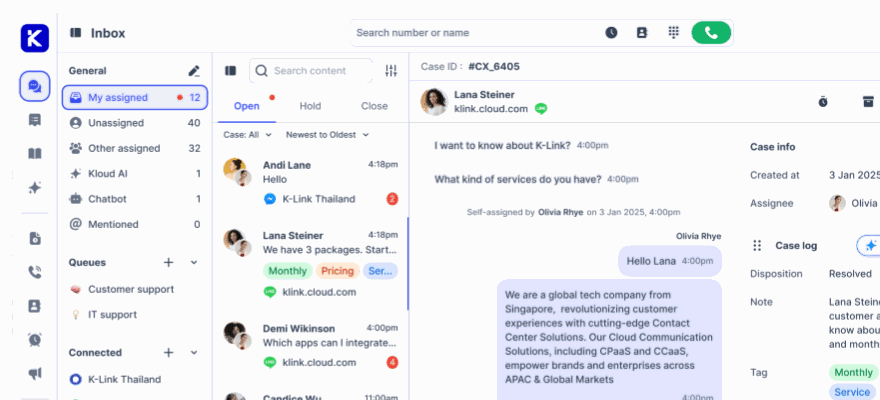
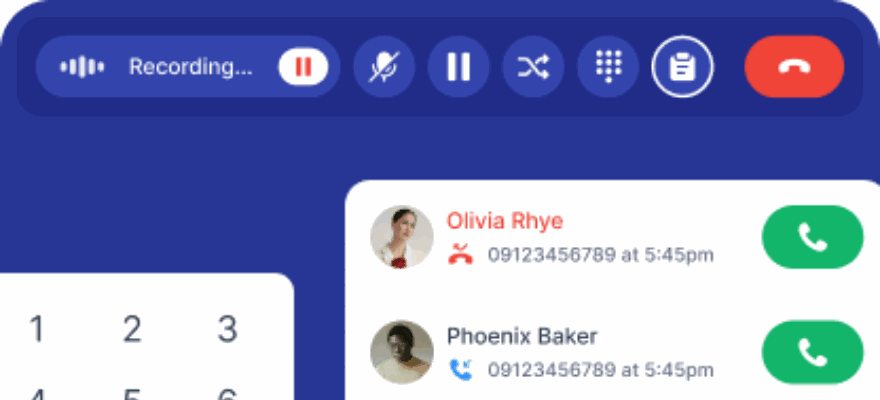
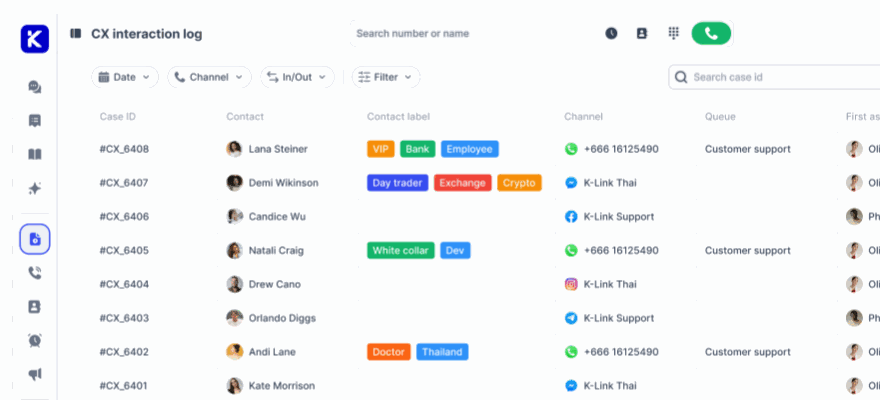
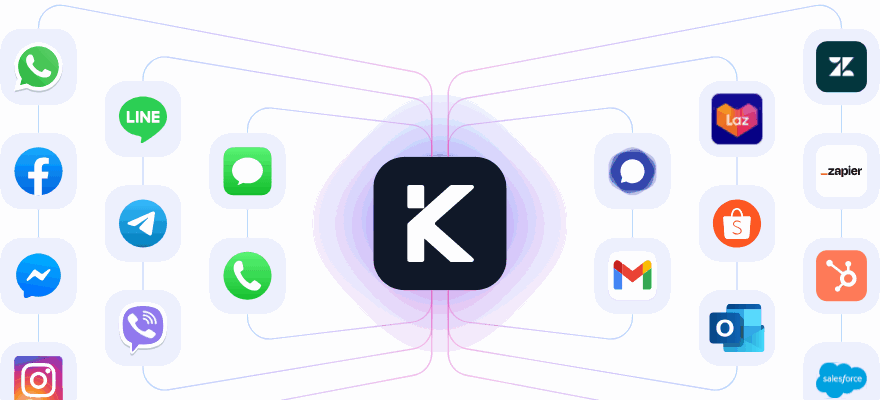
For automation to work seamlessly, it needs to integrate smoothly with your existing tools. Platforms like klink.cloud connect AI agents across all communication channels using a centralized dashboard. They pull customer data, order history, and preferences into every interaction, ensuring personalized and efficient responses.
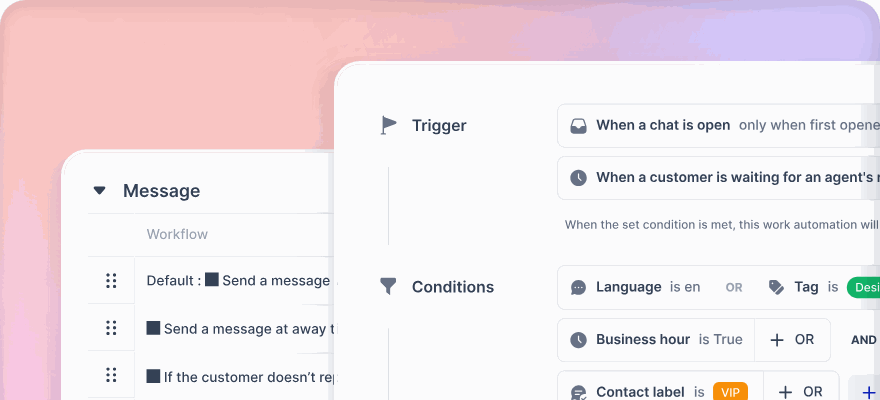
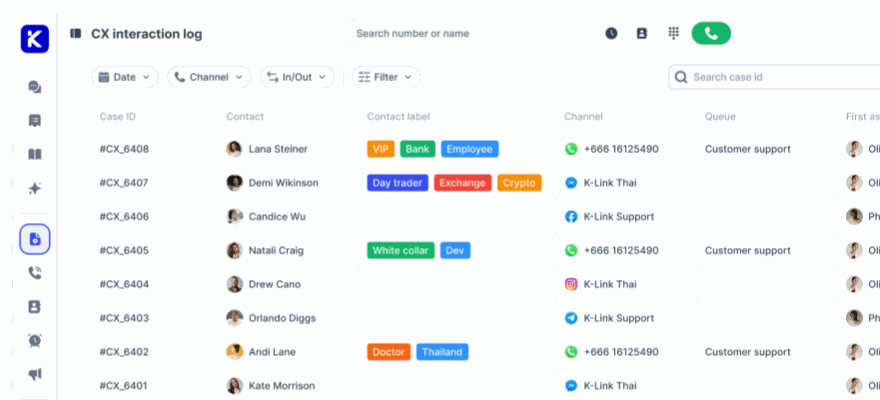
Smart workflow automation ensures tickets are routed correctly. Custom rules allow the AI to decide when to handle issues independently and when to involve human agents. All interactions are logged for quality monitoring, and the platform supports multi-channel routing without a hitch.
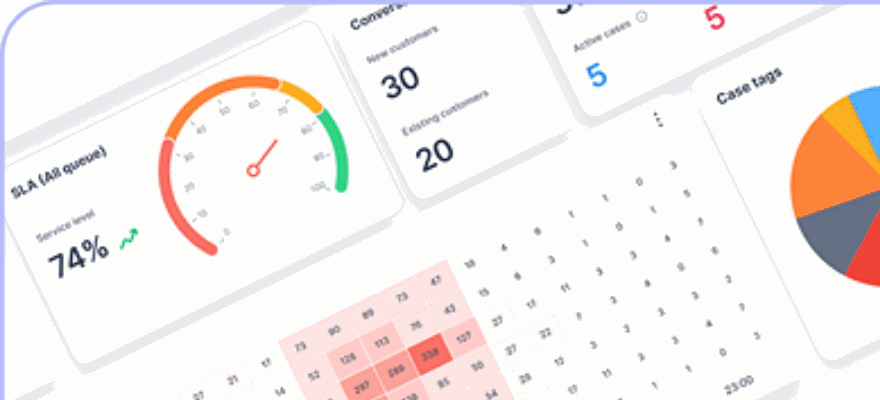
Real-time dashboards provide insights into key metrics like resolution rates, average response times, customer satisfaction, and escalation trends. This kind of visibility helps fine-tune workflows and identify areas where additional training or human support might be needed.
2. Order and Shipping Notifications
Keeping customers informed about their orders doesn’t have to drain your team’s time. Updates need to be timely, but manually sending notifications can quickly become a tedious task.
How Workflow Automation Transforms Updates
AI-powered systems take the hassle out of order notifications by automating the entire process. The moment a customer completes a purchase, the system sends a confirmation email. As the order progresses - whether it’s being packed, shipped, or out for delivery - customers receive updates automatically. Once the package is delivered, they’re notified without anyone on your team lifting a finger.
These systems pull data directly from your core platforms, ensuring updates are accurate and timely. If delays arise - say, due to weather or carrier issues - the AI steps in to notify customers before they even think to ask, reducing “Where’s my order?” inquiries significantly.
It doesn’t stop at basic updates. AI can recognize patterns and send more detailed messages. For instance, if a package is stuck at a distribution center longer than expected, customers might get a heads-up explaining the delay along with a revised delivery estimate. This kind of proactive communication can ease frustrations and keep support tickets to a minimum.
By automating these workflows, you not only save time but also create a seamless and dependable experience for your customers.
Elevating the Customer Experience
Consistency and transparency go a long way in building trust. Automated notifications ensure customers stay informed without needing to constantly check their email or tracking links. These messages can be tailored to individual preferences - some may want SMS updates at every stage, while others might prefer a single email when the package is out for delivery.
Adding features like tracking links, delivery instructions, or even options to reschedule delivery makes these updates actionable. For international orders, the system can adjust shipping times to reflect local time zones and include customs details when necessary.
Whether someone places an order in the middle of the night or during peak hours, they’ll receive clear, branded communication that feels personal. The AI ensures your brand’s voice remains consistent across all notifications, making every customer feel valued no matter when they shop.
Boosting Operational Efficiency
Manually managing updates takes a toll on staff, with hours spent copying tracking numbers or responding to routine inquiries. AI eliminates this burden, allowing your team to focus on more complex customer needs and exceptions.
Proactive notifications significantly reduce support volume. When customers are kept in the loop, they’re less likely to reach out for routine updates. This frees up your support team to handle more pressing issues, like damaged shipments or special requests.
Automation also slashes error rates. Manual processes often lead to mistakes - incorrect tracking numbers, wrong delivery dates, and so on. AI pulls data directly from your systems, minimizing errors and ensuring customers get accurate information every time. Fewer mistakes mean fewer complaints and less time spent fixing problems.
Seamless Integration Across Channels
For consistent order updates, integration is key. Klink.cloud connects AI systems with e-commerce platforms, shipping carriers, and customer communication tools to create a unified notification system. It ensures updates are sent through the customer’s preferred channels - whether that’s email, SMS, or messaging apps - based on real-time order status changes.
This system also keeps a complete history of all communications. If a customer reaches out about their order, support agents can quickly access what notifications were sent and when. This cuts down on repetitive conversations and speeds up issue resolution. Custom rules can be set too - VIP customers might receive more detailed updates, or high-value orders could trigger additional confirmation steps.
The platform’s analytics dashboards provide insights into notification performance. You can track delivery rates, open rates, and how these updates impact support ticket volume. It even monitors carrier performance, flagging potential issues before they affect your customers. With this data, you can refine your communication strategy to keep customers happy and informed.
3. Real-Time Inventory and Backorder Alerts
Running out of stock unexpectedly can hurt your sales and damage customer trust. Keeping track of inventory manually across multiple sales channels is not only time-consuming but also prone to mistakes - especially when items are flying off the shelves or suppliers are delayed.
Workflow Automation Impact
AI-powered inventory management changes the game by monitoring stock levels in real time across all your sales platforms. It keeps an eye on product availability and sends instant alerts whenever inventory dips below your preset thresholds. This means you’ll know immediately when supplies are running low.
When items sell out, the system automatically updates all your channels to reflect the change. This prevents overselling - a common issue that leads to canceled orders and unhappy customers. Product pages can be updated to show "out of stock" or offer options like "notify me when available", keeping customer interest alive even when the product isn’t currently available.
Customers can also receive automated updates about restock timelines or the status of backorders and pre-orders. These alerts not only simplify operations but also improve the customer experience.
Customer Experience Enhancement
Clear communication about stock availability helps set realistic expectations and builds trust in your brand. When customers visit a product page, they see accurate stock levels right away. Messages like "Only 3 left in stock" can even create a sense of urgency. If an item is backordered, customers know exactly when to expect it, avoiding unpleasant surprises after they’ve placed an order.
AI can also personalize notifications. For example, if someone has been eyeing a product, they’ll get an alert as soon as it’s restocked, giving them the chance to buy it before it sells out again. This level of proactive communication shows customers you value their interest.
If an item is sold out, AI can suggest similar alternatives based on the customer’s browsing history and preferences. These tailored recommendations keep the shopping experience helpful and engaging, reducing the chances of losing a sale to a competitor.
Waitlist management becomes seamless, too. Customers can sign up to get notified when an item is restocked, and the AI takes care of the queue. When inventory is replenished, notifications are sent out in order, giving priority to loyal customers who showed interest first. This creates a sense of exclusivity and rewards their patience.
Operational Efficiency Gains
Manually tracking inventory eats up time that could be better spent on tasks like improving supplier relationships, developing new products, or solving customer service issues. AI takes over these repetitive tasks, freeing up your team for more strategic work.
Automated alerts also make purchasing decisions smarter. For instance, when the system flags low stock on fast-selling items, you can reorder before running out completely. It can even analyze sales trends and predict when restocking will be needed, giving you time to negotiate better deals with suppliers or arrange faster shipping.
Preventing overselling is another major benefit. Every canceled order due to inventory errors doesn’t just cost you a sale - it risks losing the customer entirely. Processing refunds, handling complaints, and repairing trust all come with hidden costs. Real-time inventory data helps avoid these headaches altogether.
AI can also help you identify slow-moving inventory early. If certain products aren’t selling as expected, you’ll get alerts prompting you to try promotions, bundles, or clearance sales. This prevents money from being tied up in unsold stock and frees up space for products that are in demand.
Integration with Omnichannel Platforms
To make automation seamless, your inventory system needs to sync across all sales channels. Klink.cloud connects your AI-powered inventory management system to these platforms, ensuring stock levels are updated everywhere at the same time. When a product sells on one platform, the inventory count adjusts across all others instantly, avoiding double-selling mishaps.
The system consolidates data from all sources into a single, accurate inventory record. This complements other automated workflows, like customer notifications, creating a smooth omnichannel experience. If you operate multiple warehouses or fulfillment centers, the AI tracks inventory at each location and routes orders to the nearest facility, helping to lower shipping costs and speed up delivery.
You can also set custom rules for different products. For example, high-margin items might trigger reorder alerts earlier, while seasonal products could have different thresholds depending on the time of year. You can even reserve inventory for specific channels, ensuring that your website always has stock available while marketplaces sell the rest.
Analytics dashboards provide insights into product performance, sales trends, and recurring inventory issues. These tools help you make informed decisions about pricing, purchasing, and promotions. You can also track how quickly restocked items sell, measure the impact of back-in-stock notifications, and find ways to improve your inventory processes.
When possible, the system integrates with suppliers too. If vendors offer inventory feeds or shipment tracking, AI can automatically update restock timelines and communicate these details to waiting customers. This end-to-end visibility transforms inventory management from a constant challenge into a streamlined, predictable operation.
4. Cart Abandonment Recovery
Turning abandoned carts into completed sales is a game-changer for e-commerce businesses. With online cart abandonment rates hovering around 70.19%, it’s clear that many shoppers leave their carts behind for various reasons - unexpected shipping costs, comparison shopping, distractions, or simply needing more time to decide. Each abandoned cart is a missed chance to boost revenue, but effective recovery strategies can turn those missed opportunities into profits.
Workflow Automation Impact
When a shopper abandons their cart, AI-powered systems spring into action. They immediately initiate a personalized recovery sequence across multiple channels like email, SMS, or messaging apps. These systems work by integrating your e-commerce platform - whether it’s Shopify, WooCommerce, or BigCommerce - with your CRM or marketing tools. The moment a cart is left behind, the AI gets to work.
The recovery strategy isn’t one-size-fits-all. AI evaluates factors like the cart’s total value, customer behavior, and past responses to tailor the outreach. For example, a typical sequence might start with an email sent one hour after abandonment. If there’s no response, an SMS offering a 10% discount for carts over $75 might follow 24 hours later. A final email, sent 48 hours after the initial abandonment, might include urgency-building tactics like social proof. Once the customer completes their purchase, the system halts further messages to avoid redundancy. With just one to two weeks of setup, businesses can achieve a cart recovery rate of 10–25%, translating potential losses into real revenue.
Customer Experience Enhancement
Generic recovery messages are a thing of the past. AI ensures that each communication feels personal and relevant by including details like the customer’s name and images of the products they left behind. This approach feels more like a helpful nudge than a sales pitch.
Timing is crucial. Send a reminder too soon, and it might feel intrusive; wait too long, and the opportunity could slip away. AI analyzes past interactions to determine the perfect moment for outreach.
Messages are also tailored to address specific concerns. For instance, price-sensitive shoppers might receive discount codes, while those hesitant about shipping costs could be offered free delivery. If an item becomes available again, the AI can notify customers with limited-time offers to create urgency.
Operational Efficiency Gains
Manually tracking and following up on abandoned carts can be overwhelming, especially for businesses handling dozens - or even hundreds - of abandonments daily. AI takes over this task seamlessly, monitoring carts and executing recovery sequences 24/7 without requiring human involvement.
Over time, the system learns what works best - whether it’s the type of message, the discount amount, or the communication channel. This constant refinement makes your recovery strategy more effective while freeing up your team to focus on enhancing the shopping experience. By automating this process, you’re not just recovering lost sales; you’re also making your operations more efficient and scalable.
Integration with Omnichannel Platforms
A unified approach across all channels ensures that recovery efforts are well-coordinated. Tools like Klink.cloud connect your e-commerce platform with email marketing, SMS services, messaging apps, and CRM systems, creating a seamless system that tracks customer behavior and synchronizes recovery efforts.
This integration ensures nothing falls through the cracks. For example, if a customer abandons a cart on your website but later uses your app, the system avoids sending duplicate messages. Similarly, if the purchase is completed through another channel, the recovery sequence stops automatically.
The system also syncs with inventory management, allowing recovery messages to include real-time stock updates. For instance, if an abandoned product is nearly sold out, the AI can highlight its scarcity to encourage quick action. Detailed analytics dashboards provide insights into performance, helping you refine your strategy and make the most of your marketing resources.
5. Product Recommendations and Upsell Offers
Personalized product recommendations and upselling are powerful tools for increasing both order values and revenue. When executed effectively, they enhance the shopping experience by helping customers find products they genuinely want or need. The real challenge lies in delivering the right suggestions at the right time, which becomes increasingly difficult to manage manually as your product catalog and customer base grow. Automation steps in here, seamlessly driving revenue with tailored product suggestions.
Workflow Automation Impact
Building on earlier automations like support and notifications, personalized recommendations take the customer journey to the next level. AI systems analyze customer behavior in real time to suggest products that align with their preferences at every stage of their shopping journey. These systems pull data from browsing habits, purchase history, cart activity, and even how long a customer views specific products. This information powers algorithms that predict what a customer is most likely to buy next.
The automation works throughout the entire journey. For example:
- On product pages, the AI instantly showcases complementary items or upgrades.
- During checkout, it highlights relevant add-ons that pair well with items already in the cart.
- After a purchase, follow-up emails suggest products based on what the customer just bought.
The system constantly learns and adapts. It tracks which recommendations lead to clicks, cart additions, and completed purchases, refining its approach over time. And all of this happens without manual input - there’s no need for your team to curate bundles or update recommendation rules. The AI handles it all, processing massive amounts of data to deliver personalized suggestions to every visitor simultaneously. For businesses with extensive catalogs, automating this process is a game-changer.
Customer Experience Enhancement
Gone are the days of generic "customers also bought" sections. Today’s AI-driven recommendations are highly individualized, reflecting each shopper’s unique preferences and needs. The system considers a variety of factors, including past purchases, browsing history, price sensitivity, brand preferences, and even seasonal trends, to create a shopping experience that feels tailored to each individual.
Context is key. First-time visitors receive suggestions based on their current behavior, while returning customers see recommendations informed by their shopping history. For example, a shopper who frequently buys premium brands will see high-end options, while someone more budget-conscious will be shown value-oriented picks.
Timing is just as important as relevance. During browsing, the AI highlights complementary items. At checkout, it focuses on low-commitment add-ons that won’t disrupt the purchase. Post-purchase emails wait until the customer receives their order before suggesting related products or refills. This thoughtful timing ensures recommendations feel helpful, not pushy.
The system is also smart enough to know when to hold back. If a customer is buying a gift or making a one-time purchase, aggressive upselling can do more harm than good. AI agents recognize these scenarios and adjust their approach, prioritizing long-term customer relationships over short-term gains.
Operational Efficiency Gains
Personalized recommendations don’t just improve the shopping experience - they also save your team a ton of time. Manually curating product bundles, updating homepage features, and segmenting email campaigns can eat up hours of your marketing team’s time. As your catalog grows, so does the workload, with each new product requiring consideration for countless recommendation scenarios.
AI automation eliminates this burden. It identifies which products pair well together based on actual purchase data, not guesswork. Recommendations update instantly when inventory levels change, so you’ll never promote out-of-stock items. New products are automatically tested in recommendation slots to find the best placement.
Seasonal shifts? The system handles those too. Holiday gift items naturally rise in prominence during peak seasons, while everyday essentials maintain steady visibility. There’s no need for manual adjustments.
Performance tracking is also streamlined. Instead of manually analyzing which bundles perform best, you’ll receive automated reports detailing recommendation effectiveness, conversion rates by product category, and revenue generated from upsell offers.
Integration with Omnichannel Platforms
For recommendations to be effective, data needs to flow seamlessly across your e-commerce platform, customer data systems, and communication channels. Tools like Klink.cloud unify this data, ensuring consistent recommendations across your website, app, email, SMS, and customer service channels.
This integration creates a cohesive experience. For instance, if a customer browses products on your mobile app but doesn’t make a purchase, a follow-up email can feature those exact items along with similar alternatives. When a customer service agent steps in, they’re equipped with AI-generated suggestions tailored to the customer’s history and current needs, allowing for personalized assistance.
Marketing campaigns also benefit from this integration. Abandoned browse emails include products the customer viewed, plus similar options. Post-purchase emails recommend complementary items, while win-back campaigns for inactive customers feature suggestions based on their past preferences. These efforts feel personal and relevant, not generic.
Analytics tie it all together, showing which touchpoints drive the most revenue, which product combinations perform best, and how recommendations impact customer lifetime value. This data helps you refine your strategy and maximize results.
6. Post-Purchase Feedback and Review Collection
Gathering customer reviews and feedback is key to building trust and boosting future sales. However, doing it manually can be tedious and inconsistent. AI agents simplify this process by automating feedback requests, ensuring every customer gets a personalized follow-up without requiring manual effort.
Workflow Automation Impact
AI takes the guesswork out of review collection by automating every step - from identifying the best time to send a request to tailoring messages based on the specific purchase. Once an order is delivered, the system determines the ideal follow-up timing, which varies depending on the product. Each feedback request is customized to the item purchased, encouraging detailed, product-specific responses instead of generic feedback.
The system also handles follow-ups intelligently. Gentle reminders are sent when necessary, and responses are categorized for action. Positive feedback might trigger a thank-you note or a prompt to share the review on social media, while negative feedback is flagged for immediate attention by your customer service team. In some cases, the AI drafts responses to help your team save time. This automated process not only makes collecting reviews easier but also adds a personal touch to the customer journey.
Customer Experience Enhancement
AI ensures feedback requests feel thoughtful rather than like mass marketing messages. For first-time buyers, the system sends a welcoming note explaining how their input helps improve the shopping experience. Loyal customers, on the other hand, are thanked for their continued support, making the outreach feel genuine and tailored.
The system also adapts to individual preferences. It learns from past interactions to optimize the format of feedback requests - offering quick, mobile-friendly options for smartphone users or more detailed forms for desktop users. If there are unresolved issues, like a pending return or service complaint, the system delays feedback requests to keep the experience relevant and considerate.
Operational Efficiency Gains
By automating tasks like tracking orders, segmenting customers, drafting messages, and scheduling follow-ups, AI removes the manual workload that can overwhelm growing businesses. This is especially valuable during busy periods when managing review requests manually becomes unrealistic. With automation, businesses can handle large volumes of feedback without breaking a sweat.
The system prioritizes urgent issues, such as negative reviews, for immediate action while highlighting positive feedback for marketing purposes. Reviews are formatted and distributed across platforms like your website, social media, and review sites, ensuring they’re presented effectively. Automated analytics provide insights into trends, product ratings, and recurring themes, helping you spot potential product issues and better understand customer preferences.
Integration with Omnichannel Platforms
For feedback collection to be seamless, it’s essential to integrate it with your existing systems, like order management tools, customer databases, and communication platforms. Solutions like klink.cloud enable these connections, ensuring smooth data flow and a cohesive customer experience across all channels.
Feedback requests automatically pull in purchase details, communication preferences, and past interactions with your brand. Requests are sent through the customer’s preferred channel, while respecting regulatory guidelines and communication choices. If a customer has interacted with your support team, the system adjusts the messaging to capture feedback on both the product and the service.
This integration benefits marketing efforts as well. Positive reviews can be showcased on product pages, included in promotional emails, or used in retargeting campaigns. Enthusiastic customers are identified and invited to join loyalty programs or ambassador initiatives. Over time, the enriched customer data allows for more refined and personalized experiences, creating a cycle of continuous improvement that makes every interaction more meaningful and impactful.
sbb-itb-204ca50
7. Returns and Refund Processing
Handling returns and refunds manually not only drains valuable resources but also frustrates customers. The process involves several steps - initiating the return, processing refunds, and restocking inventory - each of which can lead to delays or errors. By automating this workflow, businesses can create a smoother, more efficient experience for both customers and internal teams. Just like automated customer support or order notifications, AI-powered returns and refunds are key to a streamlined e-commerce operation.
Workflow Automation Made Simple
AI takes over the repetitive tasks that often bog down the returns process, automating it from start to finish. When a customer submits a return request, the system immediately verifies order details, checks eligibility, and generates a return authorization. This includes evaluating key factors like the purchase date, product condition, and return window, ensuring that policies are applied consistently.
Once approved, the system sends a prepaid shipping label directly to the customer using their preferred communication channel. It tracks the return shipment in real time, providing updates at every stage. When the item arrives, the AI syncs with your inventory management system to adjust stock levels and initiates quality checks.
At the same time, the refund process kicks off. The system calculates the refund amount, factoring in restocking fees, partial returns, or discounts applied to the original purchase. The refund is processed through the original payment method, and the customer is notified. For exchanges, the AI creates a new order automatically, making any necessary pricing adjustments. This end-to-end automation speeds up operations while delivering a hassle-free experience for customers.
Elevating the Customer Experience
Customers value speed and clarity when dealing with returns, and AI delivers on both fronts. Instead of waiting days for a support agent to review their request, they get instant responses. The system provides step-by-step instructions tailored to their situation, whether they’re returning a damaged item, exchanging for another size, or simply changing their mind.
AI also personalizes communication based on the reason for the return. If an item arrived damaged, the system acknowledges the issue with concern and prioritizes the resolution. For sizing problems, it may suggest alternative sizes or styles before finalizing the return. Frequent returners might receive guidance on using sizing charts or product details to minimize future returns, while first-time customers are reassured about the simplicity of the process.
Self-service portals powered by AI allow customers to track their return status around the clock. They can see where their item is, when to expect their refund, and access all relevant information without needing to contact support. This level of transparency builds trust and reduces anxiety. Additionally, the system remembers customer preferences - if someone prefers store credit over a direct refund, it proactively offers that option in future transactions.
Boosting Operational Efficiency
Manual returns processing consumes a lot of staff time for tasks that AI can handle in seconds. Teams no longer need to verify order details, calculate refunds, or send tracking updates. Instead, they can focus on complex cases that require human judgment, such as disputes or quality issues that might signal broader product concerns.
Automation also reduces costly errors. The system prevents unauthorized returns outside policy windows, flags fraudulent activity, and ensures refunds are accurate. For example, it can identify patterns like frequent claims of missing items or returns of worn products, protecting your business from abuse without inconveniencing honest customers.
Throughout the process, the AI collects data automatically. It tracks return reasons, processing times, and customer feedback, offering actionable insights. If a particular product has a high return rate due to sizing issues, you’ll know to update its size guide or description. This data-driven approach helps you address the root causes of returns rather than just managing the aftermath.
Seamless Integration with Your E-commerce Ecosystem
To work effectively, returns automation needs to connect with your entire e-commerce infrastructure. This includes systems for order management, payment processing, inventory tracking, and customer communication. Platforms like klink.cloud make these integrations possible, enabling data to flow smoothly between systems without manual input.
When a return is initiated, the system pulls relevant order and payment details, updates customer lifetime value in your CRM, and triggers follow-up communications. If the customer had previously contacted support about the issue, that context informs how the AI handles their return.
Integration extends to accounting and analytics tools as well. Refunds are automatically categorized in your financial systems, simplifying reconciliation. Return data feeds into broader analytics dashboards, helping you spot trends across product categories, seasonal patterns, and the financial impact of your return policies. This interconnected approach ensures that returns are not just a standalone process but a valuable source of insights into customer behavior and business performance.
8. Dynamic Pricing and Promotion Updates
In the ever-changing world of e-commerce, sticking to fixed prices just doesn’t cut it anymore. Relying on manual updates can mean losing out on valuable opportunities. This is where AI agents step in to make a difference.
These AI systems handle dynamic pricing by crunching real-time data, including demand levels, competitor prices, customer behavior patterns, historical sales trends, seasonal shifts, and market changes. The result? They determine the most effective price points instantly. For instance, if a competitor lowers their prices, the AI quickly adjusts your pricing to stay competitive - no manual effort required. It’s all about staying ahead in a fast-paced market.
9. VIP and Loyalty Customer Management
Managing your top-tier customers doesn’t have to mean endless spreadsheets and manual tracking. AI agents revolutionize how you identify, engage, and retain VIP shoppers by analyzing behavior and delivering personalized experiences.
Workflow Automation Impact
AI agents take the guesswork out of audience segmentation by continuously analyzing customer data. They track purchase frequency, average order value, product preferences, and engagement metrics to pinpoint who qualifies for VIP status. Once a customer hits a specific engagement threshold, their status is automatically updated, and relevant actions are triggered.
But it doesn’t stop at tagging. AI agents can move high-value customers into exclusive tiers, send out milestone rewards, and alert your team when a VIP needs extra attention. If a loyal customer’s activity drops off, the system flags it and launches a tailored re-engagement campaign. This ensures a seamless, automated VIP management process across all channels.
Personalized Customer Experiences
Loyal customers expect recognition, and AI agents make it happen with tailored experiences. A returning VIP might enjoy early access to new products, special birthday discounts, or priority shipping.
By analyzing purchase histories, AI agents suggest complementary products that match a customer’s buying habits. For instance, a customer who frequently buys organic skincare could be notified about the launch of a new organic product line. These thoughtful touches make VIP shoppers feel genuinely valued, not just another name on a list.
AI systems also adapt to communication preferences. Some VIPs might prefer SMS alerts for flash sales, while others might lean toward monthly emails with curated recommendations. Knowing the right time and channel to connect enhances the customer experience even further.
Boosting Operational Efficiency
Manually managing loyalty programs can eat up hours your team could spend on bigger-picture strategies. AI agents handle repetitive tasks like updating points balances, processing reward redemptions, tracking tier qualifications, and sending out anniversary messages. This frees up your team to focus on initiatives that move the needle.
AI also simplifies exception management. If a VIP has an issue with an order, the system can escalate the case to senior support staff, fast-track resolution processes, and even approve special accommodations within set guidelines. Real-time reporting on VIP behavior helps you identify which segments are most profitable and which rewards drive the best results, all without tedious data analysis.
Seamless Integration with Omnichannel Platforms
VIP customers interact with your brand through multiple channels, and AI ensures their preferences and status stay consistent everywhere. A unified view of their profile and history allows for seamless transitions across touchpoints.
Platforms like klink.cloud bring together telephony, social media, email, and CRM data into one dashboard. For example, when a VIP calls your support line, the AI instantly pulls up their purchase history, loyalty status, and past interactions. This allows your team to deliver a personalized experience without asking the customer to repeat themselves.
AI integration doesn’t stop there. Loyalty data syncs with your email marketing platform to ensure VIPs receive targeted campaigns, updates your CRM with their current status, and even coordinates with inventory systems to reserve popular items for high-value customers. This connected approach eliminates data silos and ensures VIPs receive consistent treatment, no matter how they interact with your brand.
10. Agent Support and Quality Monitoring
Your support team juggles countless interactions every day, and ensuring consistent quality across all of them can feel like a tall order. That’s where AI agents step in, simplifying quality assurance by tracking performance, guiding coaching initiatives, and maintaining service standards.
How Workflow Automation Makes a Difference
AI agents can analyze customer interactions across various channels, helping you address issues as they happen. These systems monitor conversations in real time, flagging potential problems and scoring performance based on metrics like greetings, response speed, and tone. This detailed evaluation highlights areas where focused training can make a real impact on service quality. With this proactive approach, agents get immediate support, and supervisors can make informed decisions on the spot.
Improving the Customer Experience
AI-driven real-time support equips your team with instant access to the information they need during live conversations. For instance, if a customer asks about a product feature or policy, the system quickly pulls the relevant details from your knowledge base, cutting down response times. In trickier situations, the system can suggest context-specific prompts to help agents respond with empathy and precision, ensuring the customer feels heard and valued.
Boosting Efficiency and Seamless Integration
AI doesn’t just review individual interactions - it provides a complete, consistent view of your team’s performance that manual methods often miss. By evaluating every conversation using the same criteria, these tools eliminate guesswork and allow supervisors to focus on strategic feedback and coaching. This saves time and ensures resources are used wisely.
Quality monitoring becomes even more effective when it covers all the channels your customers use. AI tools consolidate calls, live chats, emails, social media, and messaging apps into a single, unified view. Platforms like klink.cloud take this a step further by integrating multiple communication channels into one dashboard, giving you a clear picture of performance trends across different modes. When paired with your CRM, these systems provide deeper context for each interaction, making evaluations and coaching more precise and impactful.
Comparison Table
Selecting which workflows to automate should align with your priorities, resources, and the data you already have. Each workflow has its own benefits but varies in complexity and the type of information it requires.
Your business goals should guide the decision. For instance, workflows like cart abandonment recovery and product recommendations focus on increasing revenue by converting hesitant shoppers. On the other hand, automated customer support and quality monitoring aim to improve efficiency. If your priority is customer retention, workflows like VIP management and post-purchase feedback collection are key to building long-term relationships.
The complexity of implementation can range from straightforward to advanced. For example, setting up basic order notifications or shipping updates is relatively simple - you just connect your e-commerce platform to an automation tool and set up triggers. However, more advanced workflows like dynamic pricing or quality monitoring require integrating multiple data sources, real-time processing, and fine-tuning to ensure accuracy.
Data needs also differ significantly. Cart abandonment workflows rely on browsing behavior and session data, while personalized product recommendations draw from purchase history, click patterns, and customer preferences. Returns processing requires order details and transactions, whereas VIP management benefits from metrics like customer lifetime value and engagement data across multiple channels.
Here’s a quick breakdown of workflows, their goals, setup complexity, and data requirements:
| Workflow | Primary Business Goal | Implementation Complexity | Essential Data |
|---|---|---|---|
| Automated Customer Support and Ticketing | Reduce response times, lower support costs | Medium – requires knowledge base setup and channel integration | Customer inquiries, product catalog, order history, FAQs |
| Order and Shipping Notifications | Improve transparency, reduce "where’s my order" tickets | Low – straightforward trigger-based automation | Order status, tracking numbers, carrier information |
| Real-Time Inventory and Backorder Alerts | Prevent overselling, manage customer expectations | Medium – needs real-time inventory sync | Stock levels, product SKUs, supplier lead times |
| Cart Abandonment Recovery | Recover lost sales, increase conversion rates | Low to Medium – requires session tracking | Browsing sessions, cart contents, customer contact info |
| Product Recommendations and Upsell Offers | Boost average order value, drive repeat purchases | Medium to High – depends on personalization depth | Purchase history, browsing behavior, product attributes |
| Post-Purchase Feedback and Review Collection | Build social proof, gather customer insights | Low – simple post-delivery triggers | Order completion dates, customer contact details |
| Returns and Refund Processing | Streamline operations, improve customer satisfaction | Medium – requires policy logic and payment integration | Order details, return reasons, payment methods, inventory |
| Dynamic Pricing and Promotion Updates | Maximize revenue, stay competitive | High – needs market data and pricing algorithms | Competitor pricing, demand patterns, inventory levels, margins |
| VIP and Loyalty Customer Management | Increase retention, maximize customer lifetime value | Medium – requires segmentation and personalization | Purchase frequency, total spend, engagement metrics |
| Agent Support and Quality Monitoring | Maintain service standards, improve team performance | Medium to High – involves multi-channel analysis | Conversation transcripts, response times, resolution rates |
For quick wins, start with low-complexity workflows. These are easy to implement and can deliver noticeable results within days or weeks. Examples include order notifications and cart abandonment recovery.
Medium-complexity workflows strike a balance between effort and impact. They might take a few weeks to set up, especially if you need to integrate multiple systems or clean up your data, but they can handle substantial tasks with minimal maintenance once operational.
High-complexity workflows, while demanding more time and resources, can significantly improve operations. For example, dynamic pricing requires constant monitoring to avoid issues like shrinking profit margins or alienating customers sensitive to price changes. Similarly, advanced quality monitoring systems need careful setup to ensure they provide actionable insights without overwhelming your team.
To get started, focus on the workflows that address your most pressing challenges. If your team is drowning in support tickets, automated customer support should be a priority. If abandoned carts are a major issue, target that first.
Begin with two or three low-complexity workflows to demonstrate the benefits of automation. Once you see results and gain confidence, you can expand to more advanced systems, allowing you to scale without overloading your resources or disrupting your current processes.
Conclusion
AI agents are reshaping e-commerce by automating tasks that were once manual and time-consuming. From managing customer inquiries and sending order updates to handling inventory alerts, cart recovery, and returns, these agents take over repetitive workflows, giving your team the freedom to focus on strategy and meaningful customer interactions.
This shift isn't just about saving money. AI agents actively boost revenue by offering tailored product recommendations, adjusting prices dynamically, and suggesting timely upsells. They also enhance customer satisfaction by providing round-the-clock support through web chat, email, SMS, and social media. At the same time, they ensure accurate inventory tracking and clear communication. Many merchants who adopt these tools report double-digit growth in conversion rates and a noticeable drop in support workload, turning service channels into revenue-generating assets. This evolution sets the stage for a more seamless, customer-first e-commerce experience.
"Since adopting klink.cloud, we've seen a massive improvement in our response times. Our customers are happier, and our agents are more efficient than ever." - Sarah Lee, Head of Contact Center, Horizon Solutions
To build on these benefits, start small. Focus on automating two or three high-volume workflows, like FAQs, order updates, or cart abandonment recovery, and track measurable metrics such as response times, customer satisfaction (CSAT) scores, and revenue growth. Once you see success, expand into advanced areas like VIP loyalty programs or dynamic pricing.
Platforms like klink.cloud bring all customer conversations and automations into one centralized hub. This unified approach ensures AI agents have a complete view of each customer, avoiding fragmented data issues. This integration is especially important for workflows like managing returns, triggering loyalty rewards, and delivering personalized marketing.
For e-commerce brands aiming to meet U.S. customer expectations of speed, personalization, and reliability, AI agents are a must. Think of them as digital teammates handling routine tasks, allowing your team to tackle complex challenges and build lasting customer relationships. Start small, measure your results, and scale gradually to turn automation into a competitive edge. By automating key workflows, you’re not just optimizing operations - you’re elevating the entire customer experience.
FAQs
How do AI agents enhance customer satisfaction in e-commerce through automation?
AI agents are transforming customer satisfaction in e-commerce by automating essential workflows, boosting both efficiency and personalization. Take 24/7 customer support as an example - AI tools can handle inquiries round the clock, resolving issues quickly without needing a human representative. This ensures faster responses and a consistent level of service.
Beyond support, AI agents excel at crafting personalized shopping experiences. By analyzing customer data, they can recommend products, customize promotions, and even send reminders for abandoned carts. These automated tools not only simplify operations but also make the shopping process smoother and more engaging for customers.
What challenges might e-commerce businesses face when implementing AI-driven dynamic pricing?
AI-powered dynamic pricing can bring plenty of advantages, but it’s not without its hurdles. One of the biggest challenges is making sure the AI has access to accurate, up-to-date data. This includes information like competitor prices, customer buying habits, and current market trends. If the data is flawed or outdated, the pricing decisions made by the system might miss the mark, failing to align with business goals or what customers expect.
Another tricky area is earning and keeping customer trust. If prices change too often or seem erratic, shoppers might feel confused or even frustrated. Worse, they could see the pricing as unfair. To address this, businesses need to be upfront about how their pricing works and focus on clearly communicating the value customers are getting.
Finally, setting up and refining an AI-driven pricing system isn’t cheap. It requires an upfront investment in both technology and skilled professionals. Before diving in, businesses need to weigh the costs carefully and make sure the system is a good fit for their long-term goals. That way, they can ensure the investment pays off in the end.
How can AI agents improve customer experience when integrated with omnichannel platforms in e-commerce?
Integrating AI agents with omnichannel platforms takes customer interactions to the next level by creating smooth and personalized experiences across every channel. Whether customers connect through a website, social media, or email, AI agents ensure real-time support, customized product suggestions, and consistent communication.
This setup allows businesses to address customer needs more quickly, cut down on response times, and offer solutions that truly resonate. The result? Happier customers and stronger loyalty to your brand.