






Business Process Automation: Streamlining Operations in the Digital Age

In today's fast-paced business environment, efficiency and agility are paramount. Companies are constantly seeking ways to optimize operations, reduce costs, and enhance productivity. One of the most effective strategies to achieve these goals is through Business Process Automation (BPA).
Understanding Business Process Automation
Business Process Automation involves leveraging technology to execute recurring tasks or processes in a business where manual effort can be replaced. It streamlines workflows, reduces errors, and frees up human resources for more strategic activities.
Key Components of BPA:
- Workflow Automation: Automating sequences of tasks that are part of a larger business process.
- Integration: Ensuring different systems and software communicate seamlessly.
- Data Management: Automating data collection, processing, and analysis.
The Rise of BPA in Modern Enterprises
The adoption of BPA has seen a significant uptick in recent years. According to a report by The Business Research Company, the BPA market is projected to grow from $14.87 billion in 2024 to $16.46 billion in 2025, at a compound annual growth rate (CAGR) of 10.7% .
Driving Factors:
- Cost Reduction: Automating processes reduces labor costs and minimizes errors.
- Improved Accuracy: Automation ensures tasks are performed consistently and accurately.
- Enhanced Productivity: Employees can focus on higher-value tasks, boosting overall productivity.
Benefits of Implementing BPA
1. Operational Efficiency
Automating routine tasks accelerates processes and reduces the time taken to complete them. For instance, invoice processing, which traditionally takes days, can be completed in hours with automation.
2. Cost Savings
By reducing manual labor and minimizing errors, businesses can achieve significant cost savings. A study by ARDEM found that companies leveraging BPA achieve a 240% ROI within months .
3. Scalability
Automation allows businesses to handle increased workloads without a proportional increase in resources, facilitating growth and scalability.
4. Compliance and Risk Management
Automated processes ensure that compliance standards are consistently met, reducing the risk of human error and associated penalties.
Common Use Cases of BPA
1. Human Resources
- Employee Onboarding: Automating document collection, training schedules, and account setups.
- Payroll Processing: Ensuring timely and accurate salary disbursements.
2. Finance and Accounting
- Invoice Processing: Automating data extraction and entry.
- Expense Management: Streamlining approval workflows and reimbursements.
3. Customer Service
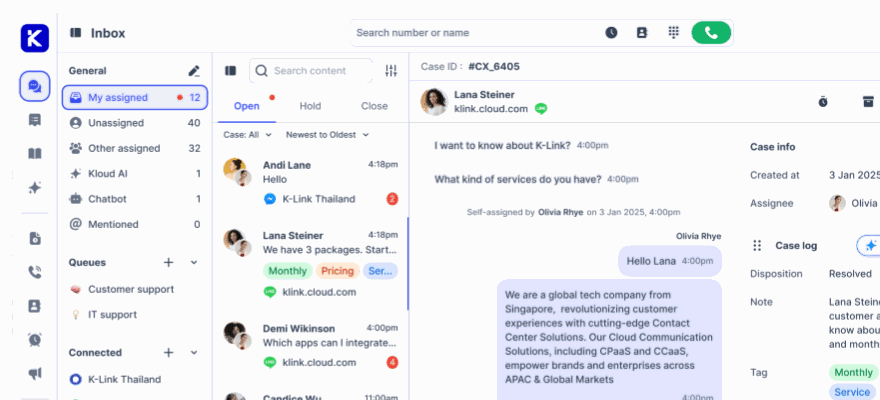
- Ticketing Systems: Automatically routing customer queries to the appropriate departments.
- Feedback Collection: Automating surveys and feedback forms post-interaction.
4. Sales and Marketing
- Lead Management: Automating lead capture and follow-up processes.
- Email Campaigns: Scheduling and sending personalized emails based on user behavior.
Challenges in Implementing BPA
While the benefits are substantial, businesses may face challenges during implementation:
1. Integration with Legacy Systems
Older systems may not be compatible with modern automation tools, requiring additional investment or system overhauls.
2. Employee Resistance
Change can be met with resistance. It's essential to communicate the benefits and provide adequate training to ensure smooth adoption.
3. Initial Investment
The upfront costs of implementing BPA can be significant. However, the long-term ROI often justifies the investment.
4. Security Concerns
Automating processes involves handling sensitive data. Ensuring robust security measures are in place is crucial.
Best Practices for Successful BPA Implementation
1. Identify Processes to Automate
Not all processes are suitable for automation. Focus on repetitive, rule-based tasks that consume significant time and resources.
2. Set Clear Objectives
Define what you aim to achieve with automation—be it cost savings, improved accuracy, or faster processing times.
3. Choose the Right Tools
Select automation tools that align with your business needs and can integrate seamlessly with existing systems.
4. Monitor and Optimize
Regularly review automated processes to identify areas for improvement and ensure they continue to meet business objectives.
The Future of BPA
The integration of Artificial Intelligence (AI) and Machine Learning (ML) is set to revolutionize BPA. These technologies enable systems to learn from data, predict outcomes, and make informed decisions, further enhancing efficiency and effectiveness.
According to a report by FlowForma, 56% of businesses are applying AI tools to enhance and perfect their operations .
Conclusion
Business Process Automation is no longer a luxury but a necessity in the modern business landscape. By automating repetitive tasks, businesses can achieve greater efficiency, reduce costs, and position themselves for sustained growth. As technology continues to evolve, embracing BPA will be crucial for businesses aiming to stay competitive and agile in the digital age.