How Ooredoo Business built a recurring customer experience business on klink.cloud
Connectivity is a good business that is getting harder every year. Bandwidth and voice compete on price, margins compress, and a customer can move to another operator over a small discount. Ooredoo Business decided the answer was not to defend the price of the link, but to sell what its customers were already buying from someone else: the contact center that runs on top of it.
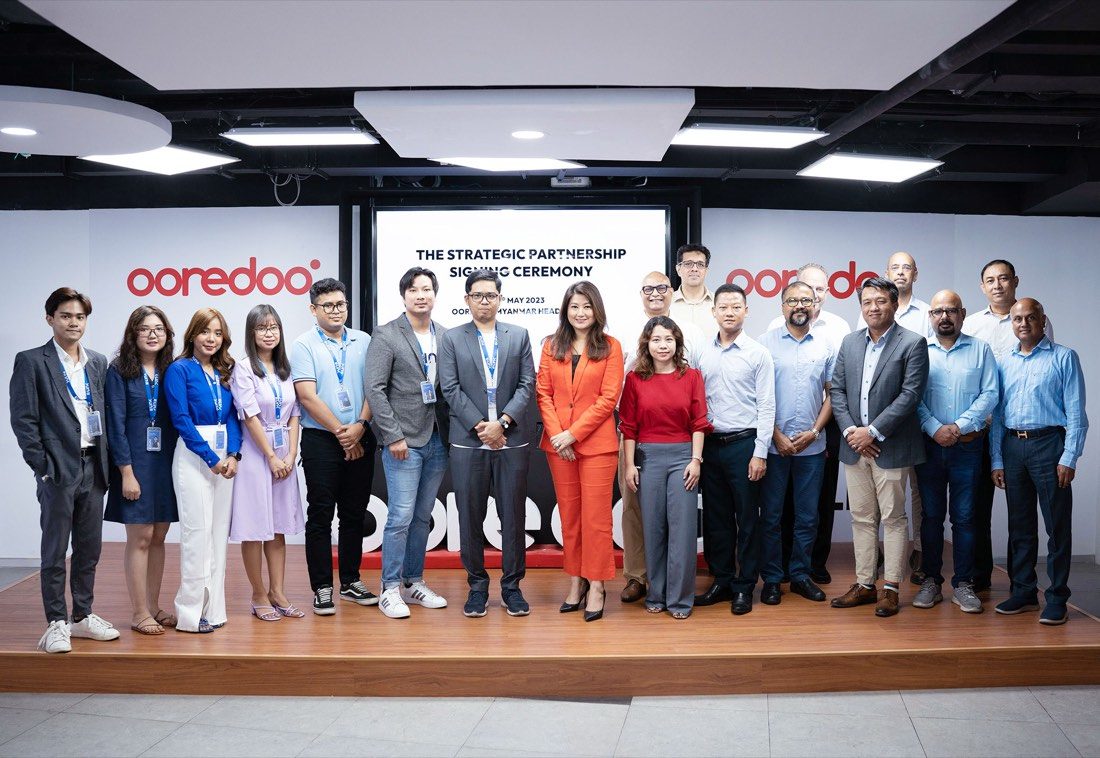
The partnership with K-LINK was signed on 22 May 2023 at Ooredoo Myanmar's head office, by K-LINK founder and CEO Zin Ko Oo and Ooredoo Myanmar CEO Htar Thant Zin. Twelve months later, connectivity accounts that had been renewing on price were renewing as part of a customer experience platform, and the same customer was worth three times what it had been worth on connectivity alone.
The partner
Ooredoo is a multinational telecom operator serving millions of consumer and enterprise subscribers across the Middle East and Southeast Asia. Through Ooredoo Business, the group already provides the dedicated internet, SIP trunking and voice that keeps banks, insurers and large service businesses running.
That position is enormously valuable and slightly precarious at the same time. The operator owns the relationship, the billing and the network. What it does not own is anything the customer would find painful to replace, because bandwidth from one operator looks much like bandwidth from another.
The opportunity every operator is sitting on
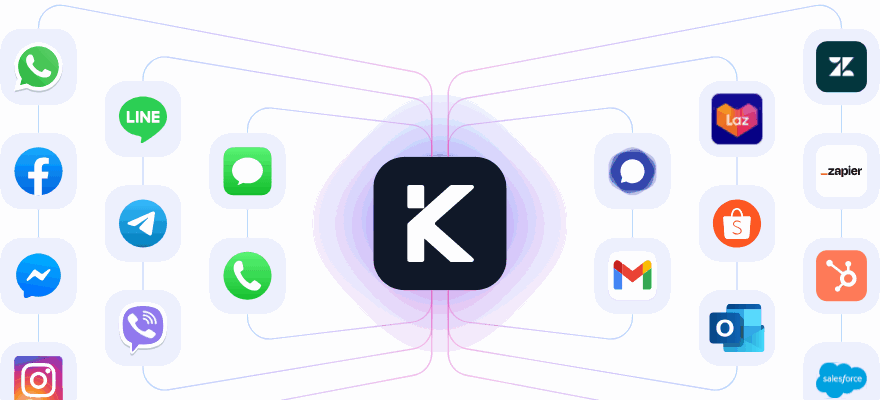
Every enterprise that buys connectivity also runs a contact center. Almost none of them buy it as one thing. They assemble it: a calling system here, WhatsApp and social messaging there, a ticketing tool, a handful of call center licences, and none of it integrated with the network underneath it.
An operator that already owns the SIP trunk and the internet link is the natural place to provide the platform above it. One vendor, one bill, one relationship, and a recurring software margin layered onto connectivity that is already being sold. The alternative, building a contact center platform in-house, means years of engineering and a product roadmap that is not the operator's core business. Ooredoo chose to partner instead.
How the partnership works
klink.cloud brings the platform. Ooredoo brings the customers, the connectivity and the trust. Both grow on the same accounts.
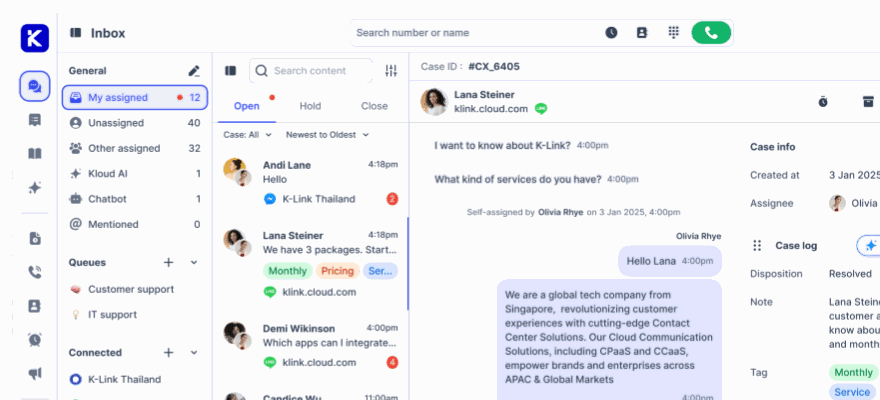
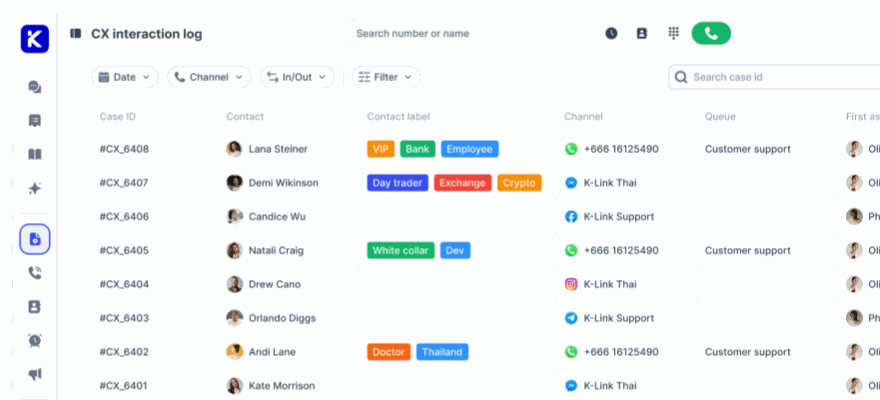
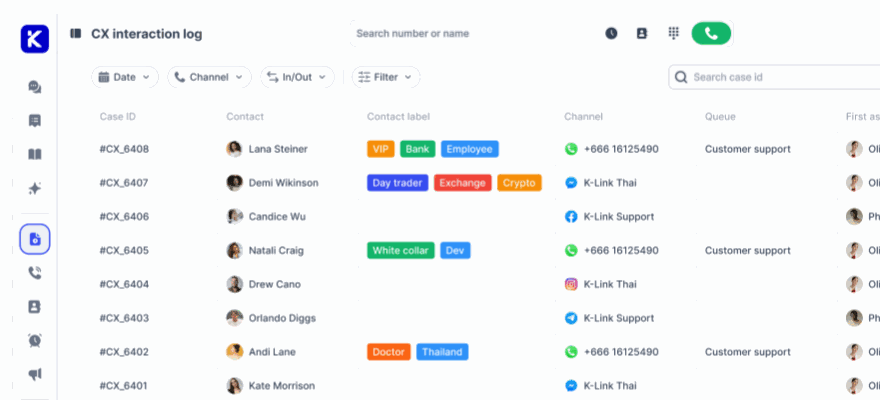
- K-LINK provides two products: klink.cloud, the omnichannel customer experience platform for contact center teams, and Kai, the AI agent that handles service across calls, chat and messaging. Onboarding, training and support come with them.
- Ooredoo provides the enterprise sales relationships, the connectivity layer of dedicated internet and SIP trunking, local billing, and first-line account management.
- Both share a recurring revenue model on every account. The platform is sold inside an Ooredoo bundle, so customer experience renews alongside connectivity, year after year.
Two segments were addressed with the same platform. Enterprise came first: banks, insurers, BPOs and large service teams, where seat counts are high and customer experience is mission critical. That segment produced the majority of first-year recurring revenue. Local SMEs followed, because the platform scales down without changing, and that segment is the smaller share today but the faster growing one.
The bundle that tripled account value
Sold on its own, connectivity is a price-sensitive line item. Wrapped with the platform above it, the same customer becomes a substantially larger and far stickier account. The bundle has four layers, two of them already on the bill:
- Dedicated internet. The enterprise link Ooredoo already sells.
- SIP trunk and voice. Enterprise calling, already on the bill.
- klink.cloud. The omnichannel contact center for live agents.
- Kai. The AI agent for service across calls, chat and messaging.
The result is 3x the revenue per account compared with selling connectivity on its own, and the added revenue is software margin that Ooredoo keeps every year rather than a one-off installation fee.
Twelve months in
From a standing start, the partnership produced a durable recurring revenue line in its first year, built entirely on accounts Ooredoo already had. Three things changed in that period, and only one of them is about new revenue.
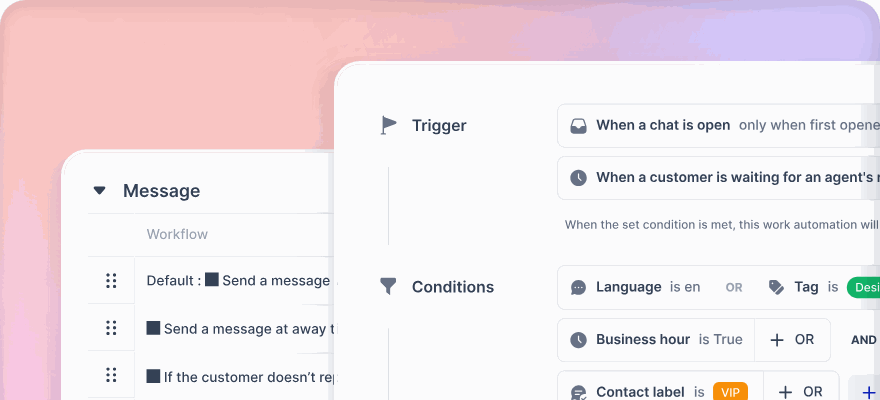
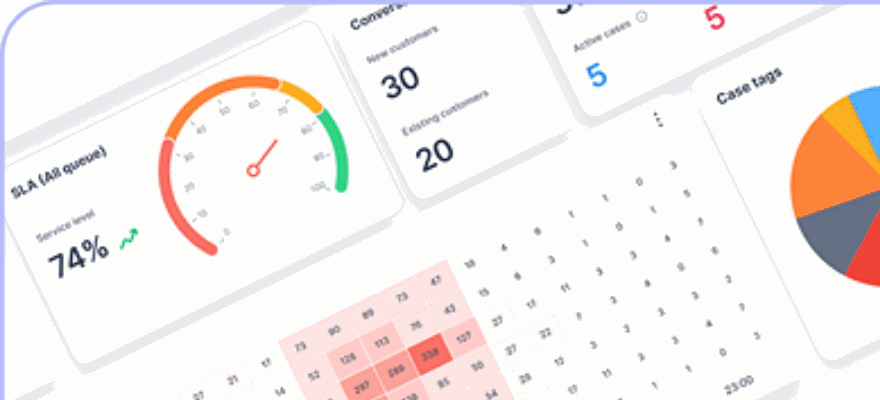
The first is the account value multiple already described. The second is expansion: once the platform is live, growth happens inside the account rather than through new logos, as teams add agent seats, connect more channels, and switch on automation and analytics. The third is retention. Across the bundled base, expansion inside existing accounts outran the revenue lost to churn, so the base grew without new customers being added to it.
Why the accounts stopped leaving
The commercial numbers are a consequence of something simpler: the relationship changed shape. This is most visible in regulated, high-value verticals.
Banks and insurers get embedded. When a bank runs its entire support operation on a platform delivered through Ooredoo, calls, WhatsApp, complaints and ticketing included, switching operator is no longer a procurement exercise. It means re-architecting how the support floor works. The account becomes genuinely hard to leave, and not because of a contractual lock-in.
More products, one relationship. Expansion becomes the default motion. More seats, more channels, added automation, deeper reporting. Accounts grow inside the platform instead of being re-won at every renewal.
Retention lifts across the board. Connectivity that used to churn on price now renews as part of a mission-critical customer experience bundle. Higher retention, higher lifetime value, and a moat that a competing operator cannot cross with a discount.
We were already the trusted connectivity partner for these enterprises. klink.cloud let us extend that trust into customer experience, without building a platform ourselves, and turned price-sensitive connectivity accounts into growing, recurring software relationships.
Ooredoo Business, Enterprise Partnerships
What this means for other operators
If your enterprise base buys dedicated internet, SIP trunks or voice from you, it is buying a contact center from someone else. That purchase is happening either way. The only question is whether it appears on your bill.
The klink.cloud partner programme exists to make it appear on yours. There is no platform to build, because K-LINK runs the product, the updates and the support. The revenue is recurring software margin on connectivity you already sell. And it is fast to launch: first customers are typically live in under 90 days.
If that is a line of business you want, become a partner or book a partnership briefing and we will walk through the commercial model and what the first ninety days look like.
About K-LINK. K-LINK is a global communication platform provider (CCaaS, UCaaS, CPaaS) headquartered in Singapore and operating across Southeast Asia. Its suite spans klink.cloud, the omnichannel customer experience platform, and Kai, the customer service AI agent.