
Legal Risks of AI-Powered Outreach
Introduction: The Double-Edged Sword of AI in Outreach
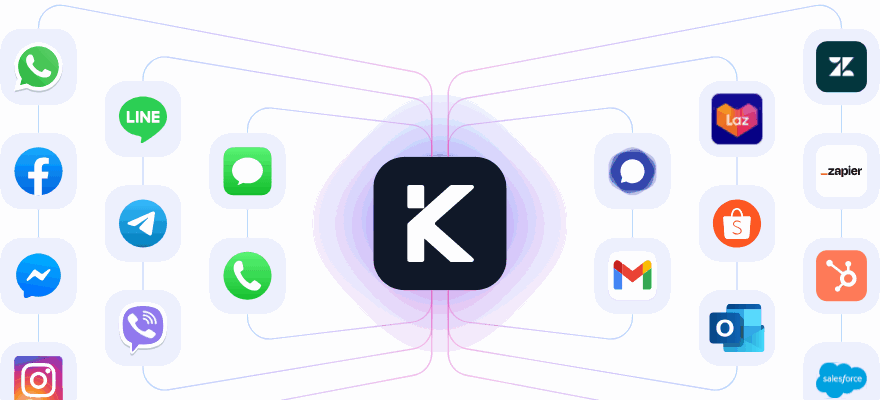
Artificial intelligence has revolutionized outreach. From drafting personalized emails to automating follow-up messages and even generating human-like voice interactions, AI allows businesses to connect with more prospects faster than ever before. Platforms like klink.cloud amplify this by enabling omnichannel communication across calls, WhatsApp, SMS, social media, and email.
But with this power comes risk. AI doesn’t just speed up outreach—it amplifies potential mistakes. When not carefully governed, AI-powered outreach can create legal headaches ranging from privacy violations and data misuse to regulatory fines and reputational damage.
The challenge is clear: businesses must harness the efficiency of AI while staying compliant with ever-evolving laws.
Why AI Outreach is Exploding
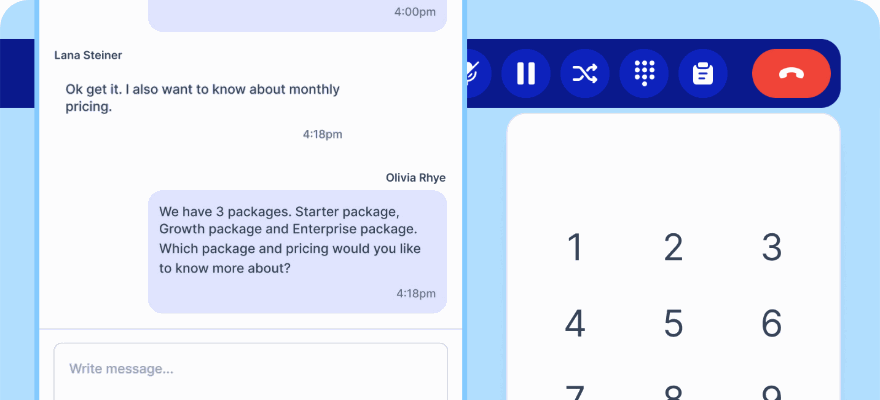
AI is popular in outreach because it solves two major problems: scale and personalization. Sales teams use generative AI to write emails tailored to customer personas. Marketing teams deploy chatbots that interact with thousands of users simultaneously. Customer support leverages AI to draft empathetic replies or recommend upsell opportunities.
On the surface, this seems like a win-win: more reach, less manual effort, and improved response rates. But when AI begins handling personal data, consent, and communication at scale, the legal stakes rise significantly.
The Legal Landscape Around AI-Powered Outreach
Data Privacy Laws
The most immediate risk is around data protection and privacy regulations. Laws like the GDPR in Europe, CCPA in California, and similar frameworks worldwide require businesses to handle customer data responsibly. AI systems often process huge amounts of personal information—names, emails, phone numbers, purchase histories. If this data is collected without consent or stored insecurely, businesses face fines that can reach millions.
Consent and Transparency
Many jurisdictions mandate explicit consent for outreach. AI tools that scrape data, auto-dial numbers, or send bulk emails without permission risk violating anti-spam and telemarketing laws (like CAN-SPAM Act in the U.S. or TCPA regulations). Customers must know when they’re interacting with AI and be able to opt out easily.
Misrepresentation and Bias
Generative AI can create realistic but misleading content. If an AI-crafted outreach message promises benefits that can’t be delivered, it opens the door to false advertising claims. Worse, biased algorithms can unintentionally discriminate, exposing companies to lawsuits over fairness and equity.
Recording and Monitoring Rules
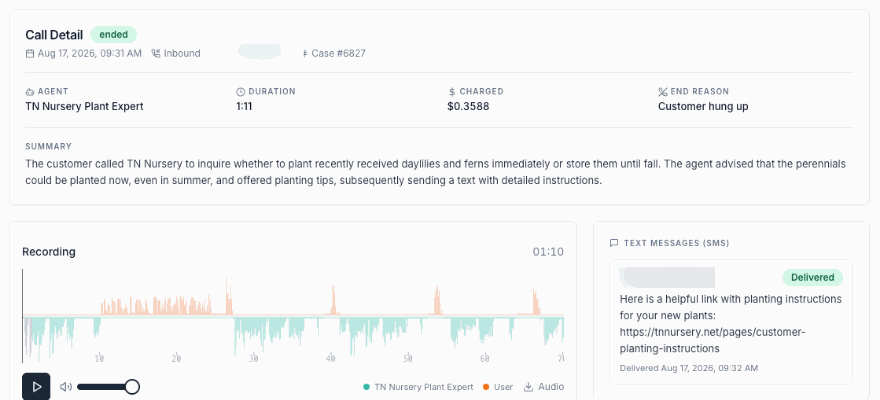
AI that powers outreach through calls or chat often includes recording, transcription, or analytics. Yet, call recording laws vary by state and country. Without proper disclosure, companies risk violating wiretapping and eavesdropping laws.
Intellectual Property
When AI generates content, questions arise: who owns the copyright? If AI accidentally mimics copyrighted material in outreach, businesses may face IP infringement disputes.
Real-World Risks in Practice
Consider a financial services firm that uses AI to send personalized loan offers via email. If the AI accidentally targets individuals without proper consent or shares sensitive details, it could violate both privacy laws and financial compliance rules.
Or imagine a healthcare provider using AI to schedule appointments via automated calls. Without clear disclosure that an AI voice is being used, they could face transparency challenges under medical communication regulations.
Even marketing teams are at risk. A generative AI tool may write an overly persuasive email that unintentionally crosses the line into misleading claims. A single campaign gone wrong can spark consumer complaints, regulatory investigations, and reputational damage.
The Cost of Getting It Wrong
The consequences of ignoring legal risks in AI-powered outreach are steep:
- Financial penalties: GDPR fines can reach up to €20 million or 4% of global revenue. TCPA lawsuits often settle in the millions.
- Reputational harm: Once customers feel their trust has been breached, recovery is difficult.
- Operational disruption: Legal investigations can stall campaigns and drain resources.
- Loss of market access: Non-compliance can lead to bans from key markets.
The message is clear: businesses must treat compliance as seriously as performance metrics.
How Businesses Can Stay Compliant
Prioritize Consent
Always ensure customer data is collected with clear, informed consent. Outreach should be opt-in, not opt-out.
Be Transparent About AI
Let customers know when they are interacting with AI—whether it’s a chatbot, auto-generated email, or AI-driven voice. Transparency builds trust and reduces liability.
Adopt Data Minimization
Only collect and use the data necessary for outreach. Avoid unnecessary profiling that could trigger regulatory scrutiny.
Monitor AI Outputs
AI-generated messages must be reviewed for accuracy, fairness, and compliance. Human oversight remains critical.
Keep Records
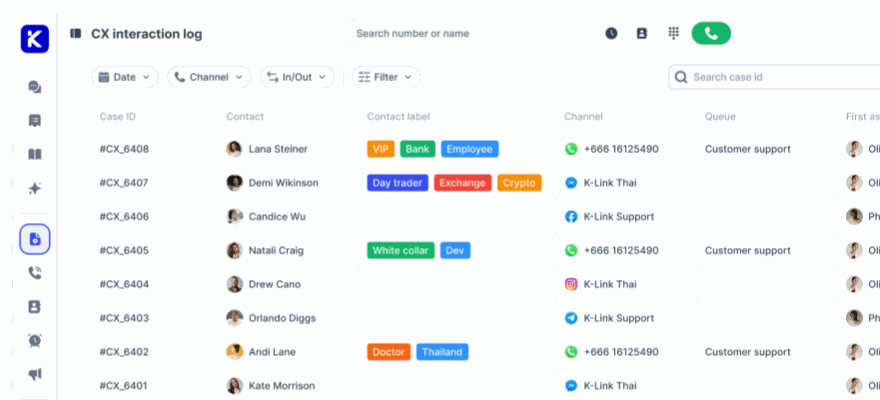
Maintain logs of customer consent, communication histories, and AI activity. This demonstrates accountability if regulators come knocking.
Choose Platforms with Compliance Features
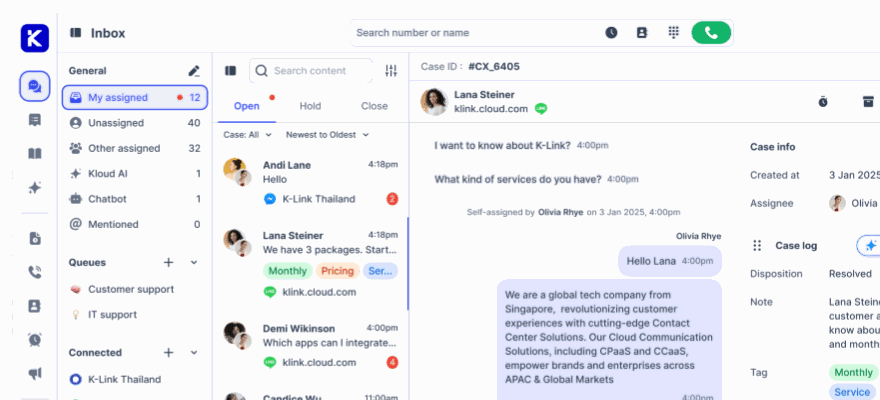
Solutions like klink.cloud support compliance with tools such as call recording disclosures, ticket tracking, audit logs, and secure data integration. Businesses should lean on platforms that are built with compliance in mind.
The Role of Unified Platforms in Reducing Risk
Fragmented outreach strategies are riskier. One tool handles calls, another manages SMS, a third oversees emails, and none share compliance settings. This siloed approach increases the likelihood of oversight.
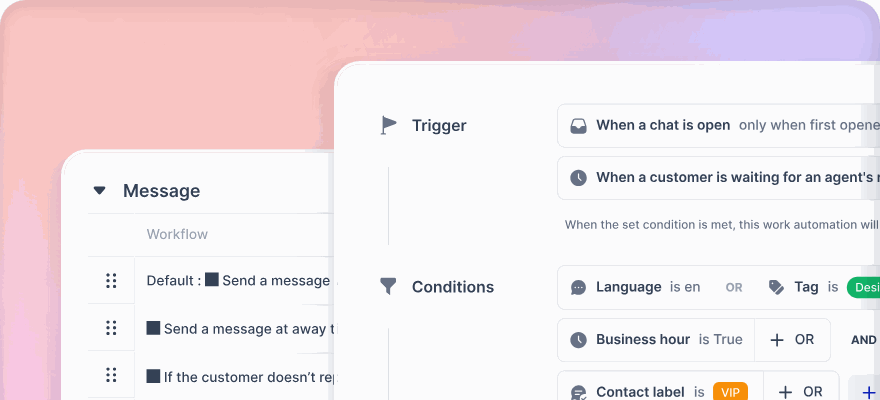
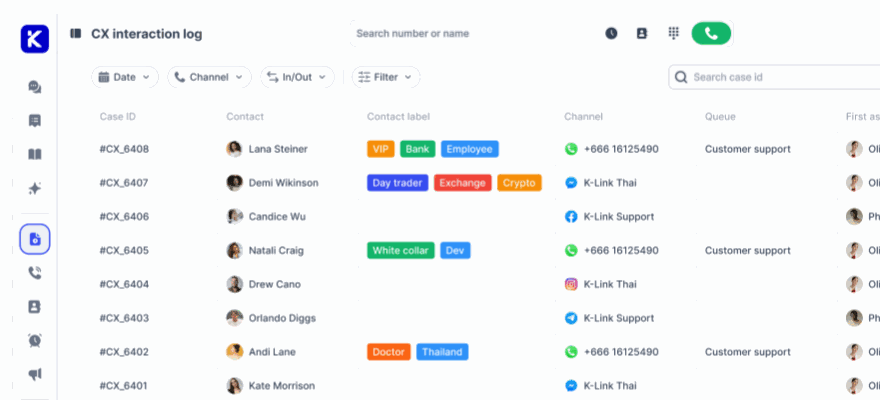
Unified collaboration and engagement platforms like klink.cloud reduce this risk by centralizing all outreach channels under one compliance framework. Supervisors can monitor conversations in real time, ensure disclosures are consistent, and store customer data securely. AI features like sentiment analysis and ticket automation are tied to audit-ready logs, ensuring transparency and accountability.
By unifying outreach in one place, businesses not only improve efficiency but also minimize legal exposure.
Future Legal Trends to Watch
As AI outreach evolves, so will the regulations. Expect:
- Stricter disclosure rules requiring businesses to clearly identify AI-generated content.
- Bias audits for algorithms, ensuring fairness in targeting and personalization.
- Cross-border compliance complexity, as countries tighten data localization laws.
- Expanded consumer rights, giving customers more control over how AI interacts with them.
Forward-thinking businesses will prepare now, embedding compliance into every stage of AI adoption.