What Is Call Monitoring? Why It’s the Secret Weapon of Customer Service Pros
What Is Call Monitoring? Why It’s the Secret Weapon of Customer Service Pros
Imagine this: a customer calls in frustrated, and within minutes, your agent completely flips the experience—solving the issue, building trust, and even earning praise. That’s not luck or chance. That’s the power of call monitoring in action.
In today’s customer-first world, businesses can’t afford to leave service quality to chance. Whether you’re a growing startup or managing a high-volume contact center, monitoring your calls is one of the simplest ways to turn average service into unforgettable support.
Let’s dig into what call monitoring really means, why it matters more than ever, and how to use it to create consistent, high-quality conversations that your customers will remember—for all the right reasons.
🔍 What Exactly Is Call Monitoring?
At its core, call monitoring is the process of listening to agent-customer phone calls to evaluate performance, ensure quality, and improve outcomes. It's used by contact center supervisors, quality assurance teams, and trainers to ensure agents are following best practices and delivering consistent, compliant service.
Think of it like a coach watching a game replay. You're not just hearing what was said—you’re analyzing tone, timing, word choice, problem-solving, and professionalism.
But it’s not just about catching mistakes. It’s about learning what’s working, replicating great moments, and giving your team the tools to grow.
🎧 Types of Call Monitoring You Should Know
Modern contact centers offer more than just one way to “listen in.” Here’s how the best teams use different types of monitoring:
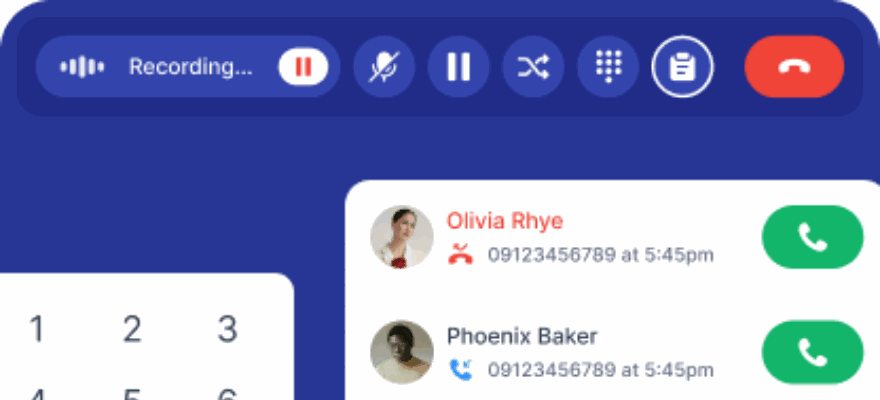
- Live Monitoring: Listen to an active call in real-time without interrupting. Ideal for quick evaluations or emergency support.
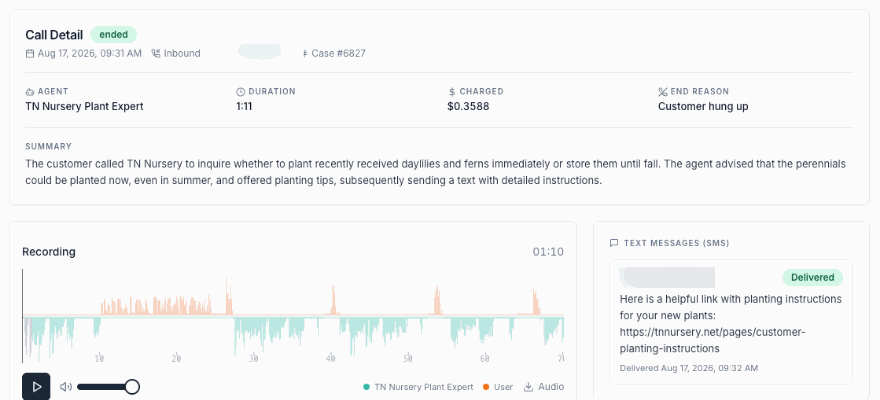
- Call Recording: Store and replay conversations. Great for training, dispute resolution, and compliance audits.
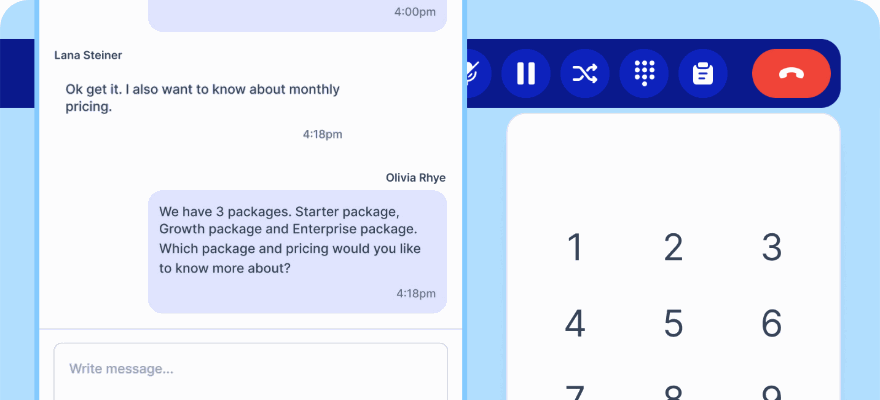
- Call Whispering: Speak privately to your agent during a live call—without the customer hearing. Great for coaching new hires.
- Call Barging: Join a call mid-conversation to help resolve an issue or escalate support.
- Call Intercept: Take full control of the call when things go south and quick leadership is needed.
These tools aren’t just helpful—they’re essential for contact centers aiming for consistent quality and growth.
🚀 Why Call Monitoring Isn’t Optional Anymore
Let’s talk outcomes. Here’s what call monitoring actually delivers:
✅ 1. Happier Customers
You catch and fix poor service before it snowballs. You also learn what your best agents are doing and train the rest of the team accordingly. The result? More consistent, helpful, and empathetic conversations.
✅ 2. Better Agent Performance
Feedback leads to growth. When agents know they’re being supported—not just evaluated—they improve faster. Coaching becomes data-backed, not guesswork-based.
✅ 3. Training That Hits the Mark
Forget role-play and theory. New hires can learn from real customer calls—both good and bad. It’s like having a library of real-life case studies on demand.
✅ 4. Compliance You Can Prove
If you work in finance, healthcare, or legal industries, there’s no room for risk. Call monitoring helps ensure every script, disclaimer, and regulation is followed—and documented.
✅ 5. Actionable Business Insights
Patterns emerge: why customers are calling, what frustrates them, which products confuse them. That feedback isn’t just for agents—it’s gold for product and marketing teams too.
📈 The Stats Say It All
Still wondering if it’s worth the time? Check these out:
- Companies that monitor calls and coach weekly see 20–25% better agent performance
- First-call resolution improves by up to 50% with consistent call reviews
- 91% of customers say a positive support experience makes them more likely to buy again (Salesforce)
- 68% of customers say a single bad interaction is enough to switch to a competitor
The takeaway: call monitoring isn’t just a support tool—it’s a customer retention strategy.
🧠 Best Practices for Smarter Monitoring
To get real ROI from call monitoring, follow these tips:
🎯 Set Crystal-Clear Goals
Are you monitoring for empathy? Compliance? Upselling technique? Know what you’re listening for—and align your team to the same goals.
📋 Use a Simple Scoring Template
A structured scorecard makes evaluations fair and consistent. Include basics like greeting, tone, resolution, accuracy, and next steps.
🗣 Turn Feedback Into Dialogue
Make it a two-way street. Let agents ask questions and reflect on their performance. This encourages accountability and growth.
🎥 Encourage Self-Review
Give agents access to their own call recordings. It’s eye-opening and helps them become more self-aware communicators.
📊 Track Progress Over Time
Use performance dashboards to spot trends. Are scores improving? Who’s leveling up fast? Who needs more support?
🤖 Leveling Up with AI & Analytics
Today’s SaaS contact center platforms go way beyond basic monitoring. They use AI and automation to speed up evaluations and reveal deeper insights:
- Speech Analytics: Detects keywords, tone shifts, and emotional cues
- Sentiment Analysis: Tracks how customers feel throughout the call
- Auto-Scoring: Scores calls for quality automatically—saving time and reducing bias
- Real-Time Alerts: Flags urgent calls or compliance risks while they’re happening
These tools mean less manual review, more strategic coaching, and faster performance boosts.
💼 How Call Monitoring Works Inside SaaS Contact Centers Like klink.cloud
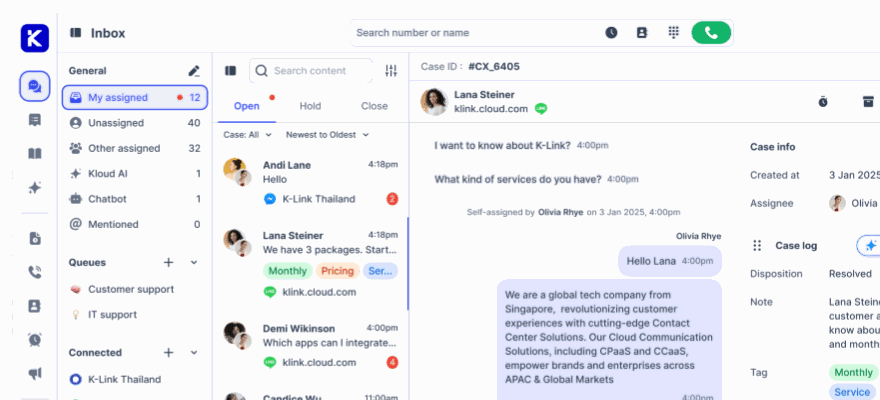
When paired with a robust platform like klink.cloud, call monitoring becomes part of a much bigger customer experience ecosystem. Here’s what you get:
- Real-time call monitoring, whisper, barge, and intercept
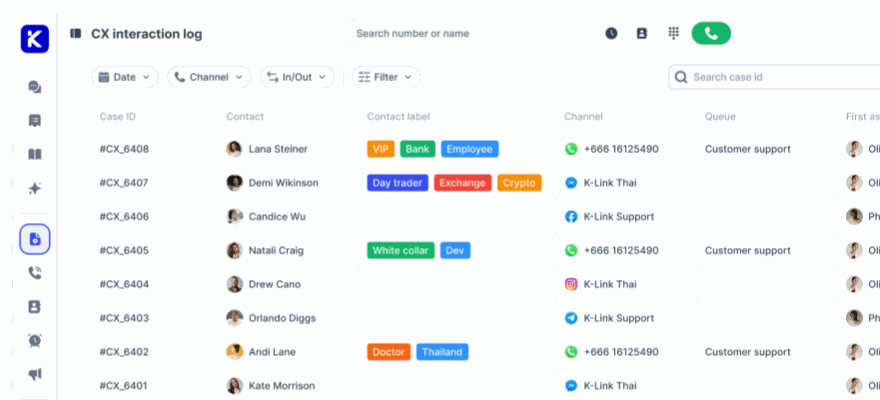
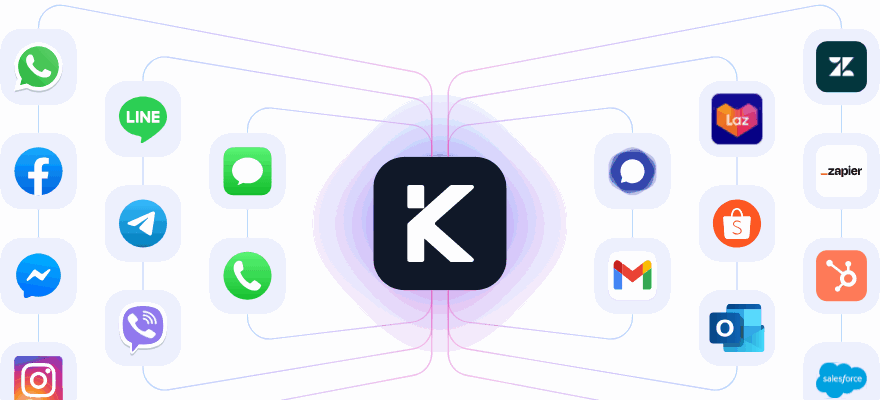
- Unified inbox for voice + non-voice channels (email, WhatsApp, Instagram, Telegram, etc.)
- Built-in CRM, help desk, and ticketing integration
- Global virtual numbers in 80+ countries
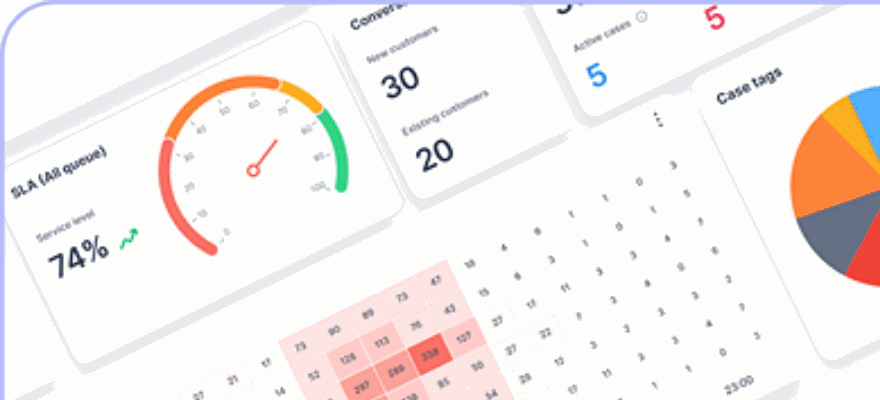
- Real-time wallboards, SLA metrics, and agent dashboards
You’re not just monitoring calls—you’re optimizing every customer touchpoint.
💬 Final Thoughts: Call Monitoring = Call Mastery
If you’re still treating call monitoring as an occasional quality check, you’re missing out.
Done right, it’s one of the most powerful levers you have to:
- Improve customer satisfaction
- Build agent confidence
- Drive long-term loyalty
- Uncover operational insights
- Boost your brand reputation
It’s not about catching mistakes. It’s about raising the bar on every conversation your company has—day in, day out.
Whether you’re just getting started or looking to upgrade your system, it’s worth asking: Are you really listening to your customers?