


Customer Service at Lightning Speed — How AI Delivers the Fastest Response
In today’s competitive world, customers don’t just want answers — they want them right now. A delayed reply can mean a lost sale, a negative review, or a customer who quietly disappears to a competitor. The reality is that “fast” is no longer enough; instant is the new standard.
This is where AI-powered customer service steps in — transforming response times from minutes to seconds, and from reactive to proactive. Let’s explore how AI is helping brands deliver the fastest customer service responses while keeping conversations human, empathetic, and efficient.
1. Why Speed Matters More Than Ever in Customer Service
Think of the last time you had an urgent question while shopping online. If the answer didn’t come fast, you probably clicked away. You’re not alone:
- 90% of customers say an immediate response (10 minutes or less) is important when they have a customer service question.
- 82% of consumers expect a reply to a sales or marketing inquiry within 10 minutes.
- For support tickets, 46% expect an answer within 4 hours — but most prefer much sooner.
The math is simple: faster responses = higher customer satisfaction. In fact, brands that respond quickly:
- Increase customer retention rates by up to 60%.
- Improve conversion rates by 8–10% for sales inquiries.
- Reduce customer complaints by up to 40%.
The problem? Humans alone can’t be available 24/7, on every channel, with instant answers. That’s where AI makes the impossible possible.
2. The AI Advantage — From Minutes to Seconds
AI doesn’t just speed things up — it changes the entire service experience. Instead of agents digging through past conversations, FAQs, or complex knowledge bases, AI:
- Instantly understands the query (even if it’s written informally or with typos).
- Finds the best answer from multiple data sources.
- Delivers the reply in under a second, with relevant context.
The result? Customers get the information they need faster than they can switch tabs — and agents save hours of manual searching.
Real-World Example:
A leading e-commerce retailer integrated an AI-driven chat assistant. Before AI, average response time was 3 minutes in live chat. After AI integration, common queries (order status, returns, shipping info) were answered instantly, reducing queue backlogs by 65% and increasing positive CSAT scores by 23% in just 60 days.
3. Key AI Features That Supercharge Response Times
a) AI Chatbots & Virtual Assistants
Modern AI chatbots aren’t just scripted FAQ machines. They use Natural Language Processing (NLP) to understand intent and context — meaning customers don’t have to phrase questions perfectly.
Example:
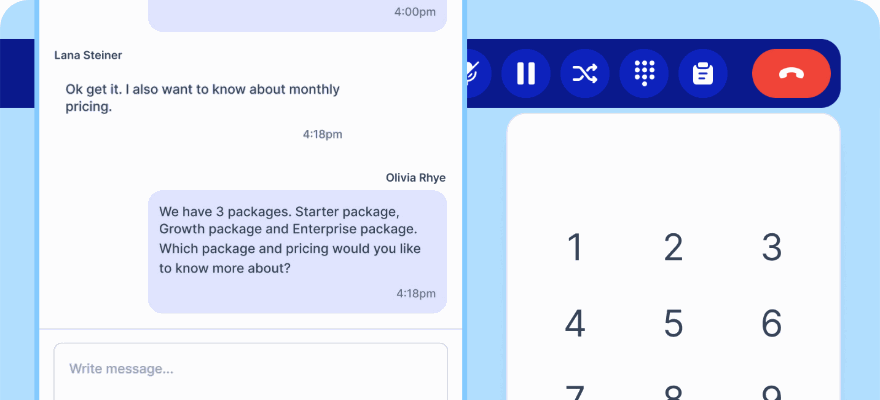
Customer: "Where’s my package?"
AI: "Your order #4578 is in transit and will arrive tomorrow, Aug 13. Would you like real-time tracking updates?"
Speed: Instant. No ticket creation. No waiting.
b) AI-Powered Ticket Routing
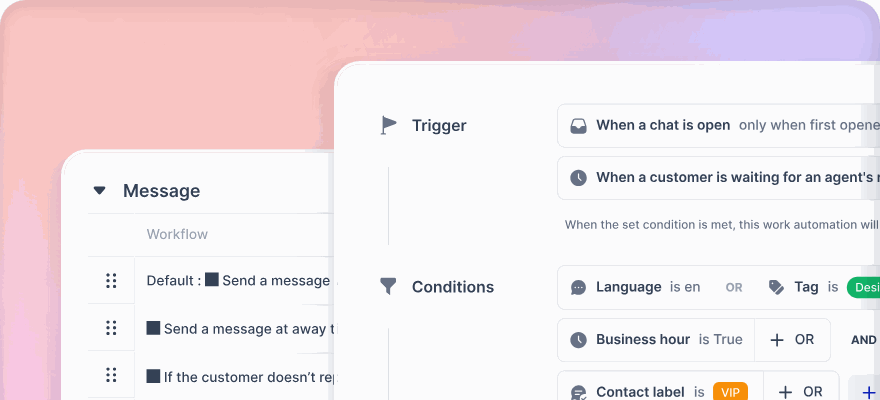
Instead of assigning tickets manually, AI routes them to the right agent instantly based on skill set, workload, and urgency.
Impact:
- Eliminates internal delays.
- Prevents “ticket bouncing” between teams.
- Increases first-contact resolution rates.
c) Automated Knowledge Search
AI acts as a super-powered search engine for your company’s knowledge base. Instead of keyword searches, AI uses semantic understanding to pull the exact answer an agent or customer needs — instantly.
d) Predictive & Proactive Responses
AI analyzes patterns in customer behavior to anticipate questions before they’re asked. For example:
- If a customer just placed an order, AI can proactively send tracking details.
- If there’s a known shipping delay, AI can notify affected customers before they reach out.
This transforms service from reactive firefighting to proactive relationship building.
e) Multilingual Instant Translation
Global customers expect quick answers in their own language. AI can instantly translate incoming messages and replies in real time — without waiting for a human translator.
4. The Human + AI Balance
While AI is lightning-fast, there’s still a place for human empathy in service. The winning formula?
- AI handles repetitive, low-complexity queries instantly (order tracking, password resets, store hours).
- Human agents handle complex, emotional, or high-stakes issues (complaints, sensitive requests, custom solutions).
The beauty is that AI acts as a time multiplier for agents:
- It reduces their workload by up to 40%,
- Gives them AI-suggested replies they can approve in seconds,
- Frees them up to focus on high-value interactions.
5. Omnichannel Speed — AI on Every Platform
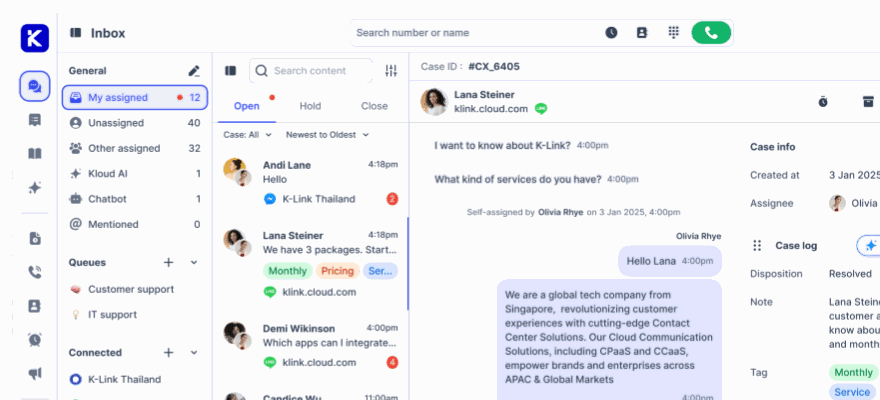
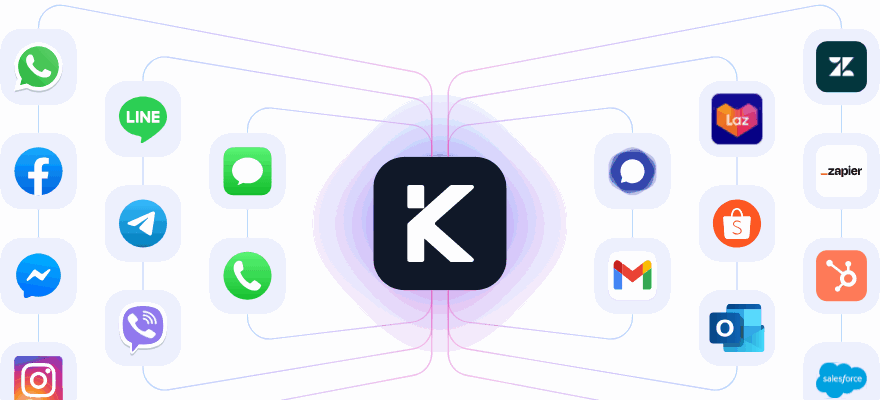
Customers reach out everywhere — email, live chat, WhatsApp, social media, and even voice calls. AI can connect across channels to:
- Maintain consistent speed and tone across all platforms.
- Ensure no message is missed or delayed.
- Provide context-rich answers even if a customer switches channels mid-conversation.
Example: A customer tweets a complaint, follows up by email, and then calls — AI connects these into one timeline so the agent is already up to speed.
6. The ROI of Faster Response Times with AI
Investing in AI for faster responses is more than just a “nice to have.” It has measurable business impact:
- Cost savings: AI can handle up to 80% of repetitive queries, lowering operational costs.
- Revenue growth: Faster responses convert more sales inquiries into paying customers.
- Brand loyalty: Customers remember great service experiences — and they talk about them.
A McKinsey study found that companies using AI in customer service reduce costs by 20–30% while increasing customer satisfaction by 10–15%.
7. Best Practices for AI-Powered Fast Response
If you want to unlock the full speed potential of AI in customer service, follow these tips:
1. Train AI with your actual customer data
Feed it past conversations, product details, and FAQs so it learns your tone, policies, and common issues.
2. Keep a human safety net
Always allow customers to escalate to a live agent when needed — fast isn’t enough if the answer isn’t right.
3. Integrate AI into your CRM
This ensures every answer is personalized with the customer’s order history, preferences, and context.
4. Monitor and refine
Track metrics like First Response Time (FRT), First Contact Resolution (FCR), and Customer Satisfaction (CSAT) to ensure AI is hitting goals.
5. Make it omnichannel-ready
Customers expect the same speed on chat, email, and social. Your AI should cover them all.
8. Future of Fast Customer Service with AI
We’re just scratching the surface of what AI can do for service speed. In the next few years, expect:
- Hyper-personalized instant answers that know your preferences before you ask.
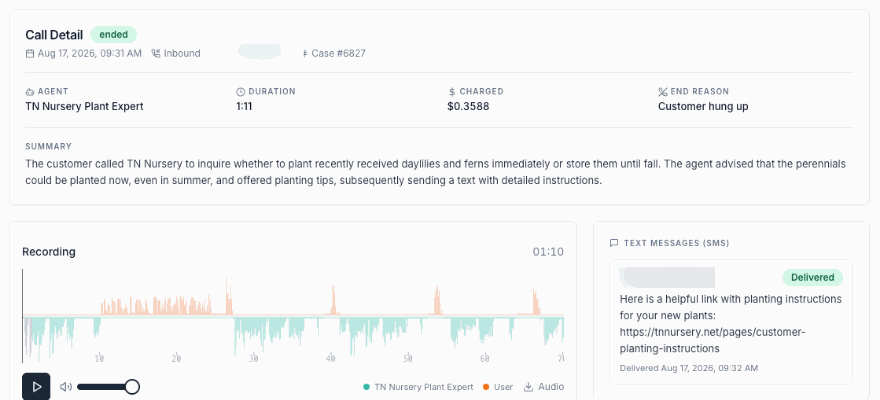
- Voice AI that can resolve issues during a phone call without transfers.
- AI + AR/VR support where customers get real-time guided troubleshooting visually.
The bottom line? The fastest customer service in the future will feel almost invisible — customers will get what they need before they even think to ask.
9. Final Takeaway
In an era where customers value their time more than ever, fast response is not optional — it’s the cost of staying competitive.
AI enables brands to deliver the fastest responses in history, without sacrificing quality or empathy. By combining AI’s instant recall with human understanding, companies can deliver a service experience so seamless and fast that customers can’t imagine going anywhere else.
Fast, accurate, and human when it matters — that’s the new gold standard in customer service.
Quick Stats Recap:
- 90% of customers expect an immediate response to service queries.
- AI can reduce response times from minutes to seconds.
- Companies see a 20–30% cost reduction and 10–15% CSAT boost with AI.