AI Agent vs Chatbot: What’s Best for Omnichannel Contact Centers?
In 2025, customer service has evolved—fast. Basic chatbots may still answer FAQs, but modern businesses require AI agents that not only converse but think and act. The big question for omnichannel contact centers is: chatbot or AI agent? Let’s unpack the differences—and why AI agents are a clear winner in today’s landscape.
🤖 What’s the Difference?
Chatbots follow fixed rules or menus. They can help with simple tasks like “What’s your refund policy?” or “Store hours.” Great for isolated FAQs, but they stumble on complex questions or multi-step tasks.
AI agents, however, are all about context and action. They:
- Use NLP and machine learning to understand intent
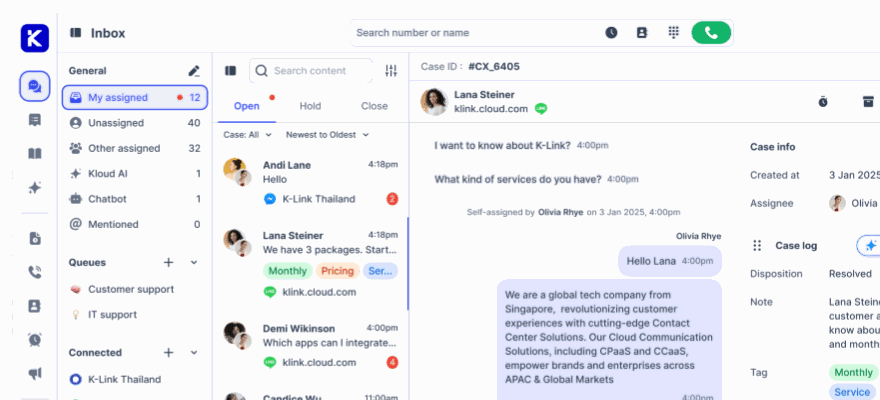
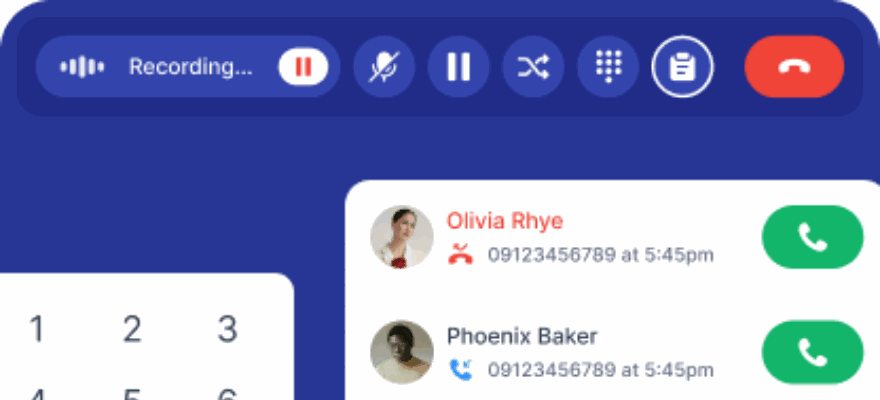
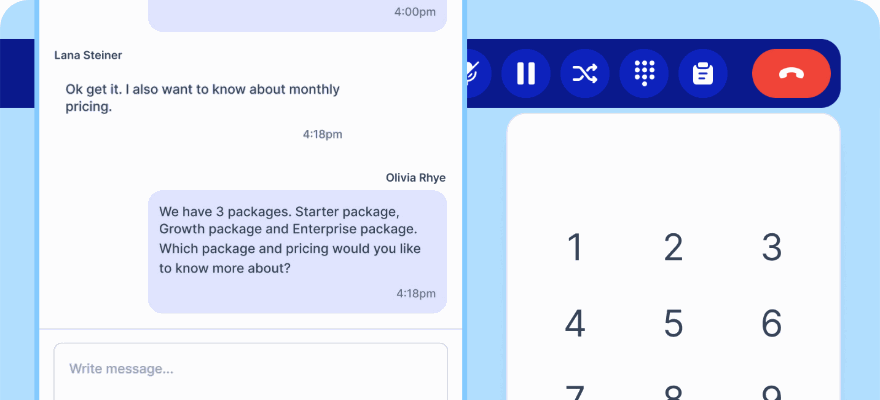
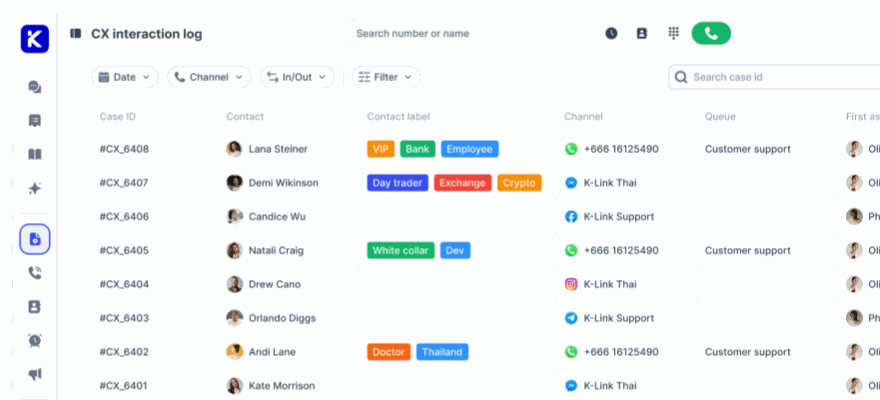
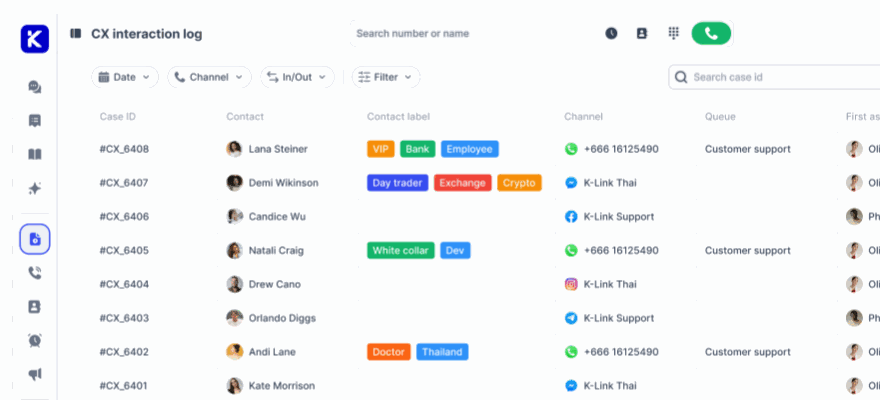
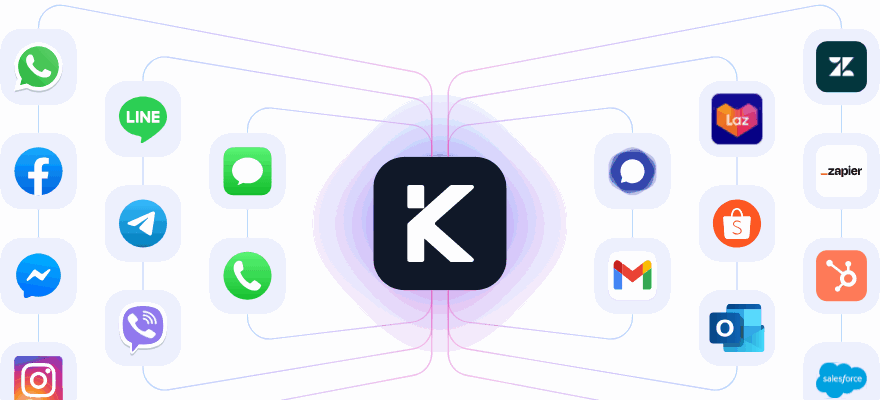
- Operate across chat, voice, email, WhatsApp, and social
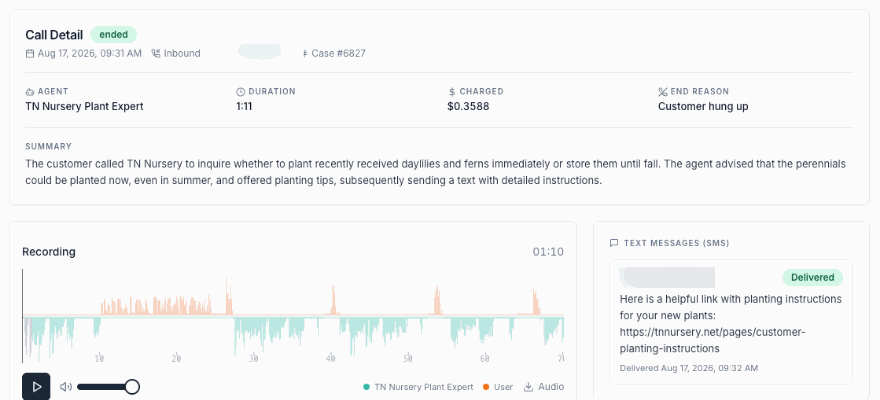
- Handle multi-step tasks—ticketing, refunds, order tracking
- Escalate to humans with full conversation history
- Learn and improve over time
Rather than a scripted tool, they function as digital assistants that adapt and evolve with your business.
🔍 A Closer Comparison
While I won't use tables here, the real differences speak volumes:
- Scope: Chatbots are limited to chat interactions. AI agents go everywhere—voice, email, social, chat.
- Intelligence: Chatbots are rule-based. AI agents understand language, context, and multi-turn conversations.
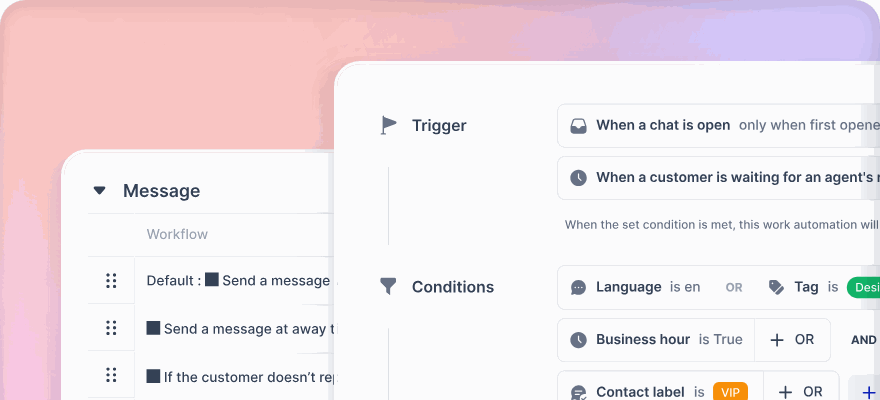
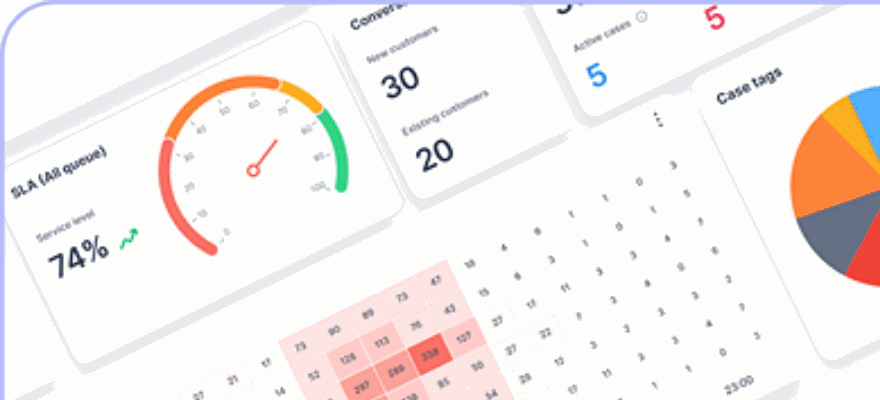
- Action: Chatbots respond. AI agents execute—creating tickets, triggering workflows, updating CRMs.
- Escalation: Chatbots simply hand off. AI agents escalate with data intact—no repetition needed.
- Evolution: Chatbots need manual updates. AI agents automatically learn from usage patterns.
In short: chatbots belong to the past. For omnichannel success, AI agents are the future.
🎬 See It Live
Experience the difference firsthand:
This deep dive unpacks the tech behind each, explaining why AI agents are more flexible and powerful.
💡 Why AI Agents are Ideal for Omnichannel Support
- True Omnichannel Consistency
AI agents maintain conversation flow across web, voice, social, and messaging—no repetition needed. - Action‑Driven Workflows
With API integrations, AI agents can schedule appointments, process changes, and send OTPs—chatbots can’t. - Improved Human‑Agent Efficiency
When escalated, agents receive full conversation logs, user sentiment insights, and suggested next steps. - Scalable Intelligence
Beyond static replies, AI agents learn from every interaction—identifying new questions and optimizing themselves. - Deeper Personalization
Chatbots ask generic questions. AI agents reference prior purchases, past tickets, and loyalty tiers for tailored help.
📈 Real-World Results
- 56% of customer inquiries handled automatically by Kai Agent, boosting efficiency and service speed.
- 40%+ drop in average handling time, thanks to faster routing and context-rich handoffs.
- 20% CSAT gains, as customers experience faster, smarter support.
It’s clear: chatbots can’t deliver these numbers—AI agents can.
✅ Pick AI Agents for Omnichannel Success
If your support model includes multiple channels, task automation, and personalization, you need AI agents—not chatbots. They deliver the scale, speed, and sophistication today’s CX demands.
🔜 What's Coming Next?
- Predictive AI that anticipates issues before they happen
- Voice-native agents that speak and listen like humans
- Generative responses drafted on demand
- Self-improving systems that evolve without coding
By 2026, Gartner predicts 75% of customer interactions will be AI-assisted—a future only reachable with AI agents.
Final Takeaway
Chatbots are simple and quick to deploy—but limited. For omnichannel, intelligent, and action-driven support, AI agents are the only way forward. They deliver smarter customer service, higher efficiency, and future-ready scalability.
💡 Ready to take the leap? Discover how Klink.cloud’s Kai Agent brings omnichannel automation, context retention, and powerful integrations to your contact center—no code required.
👉 Book a demo with Klink.cloud