AI Copilot for Contact Centers
In today’s fast-paced digital era, the expectations of customer service are higher than ever. Contact centers are no longer just call centers — they’re the heart of a brand's customer experience strategy. To meet growing demands, many organizations are turning to AI copilots — intelligent virtual assistants that support agents in real time to boost efficiency, improve response quality, and elevate the customer journey.
What Is an AI Copilot?
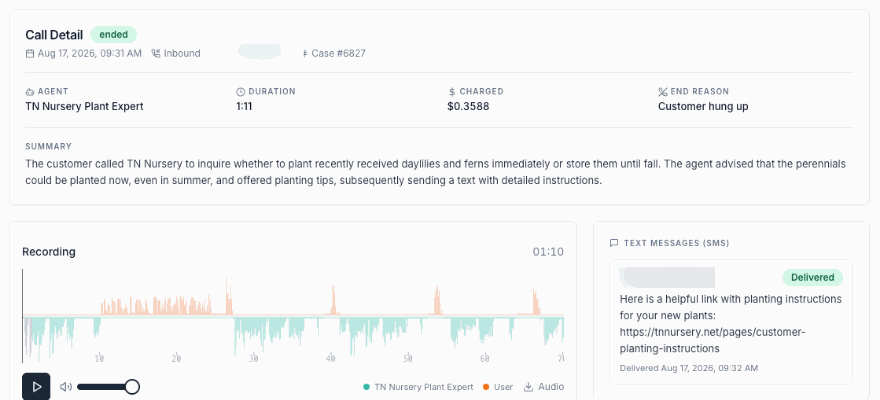
An AI copilot in a contact center is an AI-powered assistant that works alongside human agents, helping them manage customer interactions more effectively. Using technologies such as Natural Language Processing (NLP), machine learning, and real-time data analytics, AI copilots analyze conversations, understand customer intent, and deliver instant suggestions, automations, or knowledge to the agent — all during a live interaction.
Rather than replacing human agents, AI copilots augment their abilities, making them faster, more accurate, and more confident in delivering exceptional service.
Why AI Copilots Are Gaining Traction
The benefits of integrating an AI copilot are compelling — for both operational efficiency and customer satisfaction. According to a study involving over 5,000 customer support agents, access to AI assistance increased agent productivity by 15%, with junior agents benefiting the most.
Here are the main reasons organizations are embracing AI copilots:
1. Increased Agent Productivity
AI copilots automate time-consuming tasks such as:
- Call and chat transcription
- Response recommendations
- Knowledge article suggestions
- Ticket classification and tagging
This reduces Average Handling Time (AHT) by up to 12%, according to Microsoft’s internal use of AI in its customer service department. With mundane work off their plates, agents can concentrate on delivering personalized, high-value support.
2. Improved Customer Satisfaction
By instantly surfacing relevant customer data and support history, AI copilots empower agents to deliver faster, more accurate, and personalized responses. This leads to improved First Contact Resolution (FCR) rates and higher Customer Satisfaction Scores (CSAT) — with some companies reporting a 12% improvement in CSAT within months of implementation.
3. Faster Onboarding and Training
New agents often struggle with ramping up. AI copilots provide real-time coaching, suggest answers, and even detect emotional cues in customer messages to help agents respond appropriately. This significantly shortens the learning curve and boosts confidence.
4. Actionable, Real-Time Insights
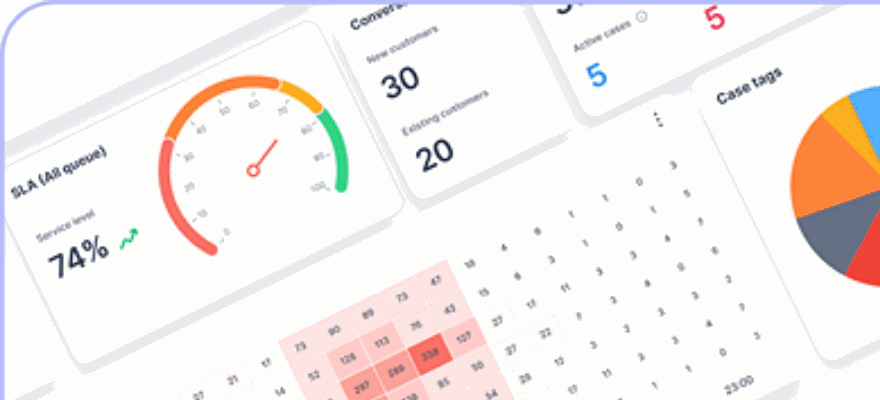
AI copilots monitor and analyze every conversation — across voice, chat, and social media — to extract actionable insights. Managers can use this data to:
- Identify trending issues
- Optimize scripts
- Improve agent training
- Predict churn or dissatisfaction
This makes AI copilots a key tool for proactive CX (Customer Experience) management.
Use Cases in Omnichannel Contact Centers
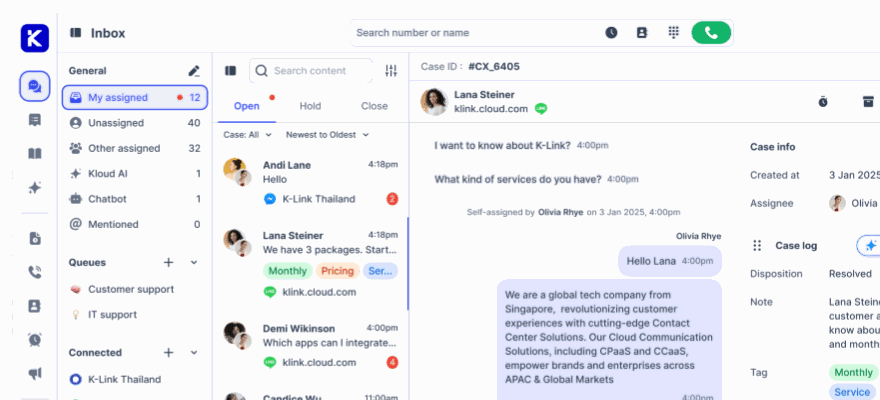
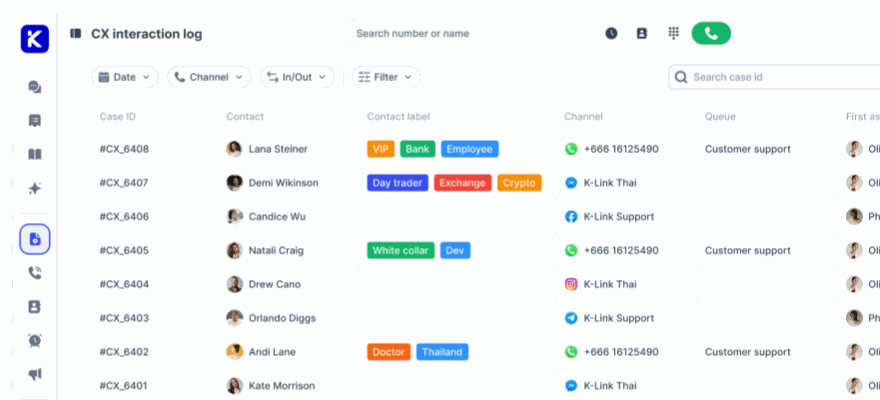
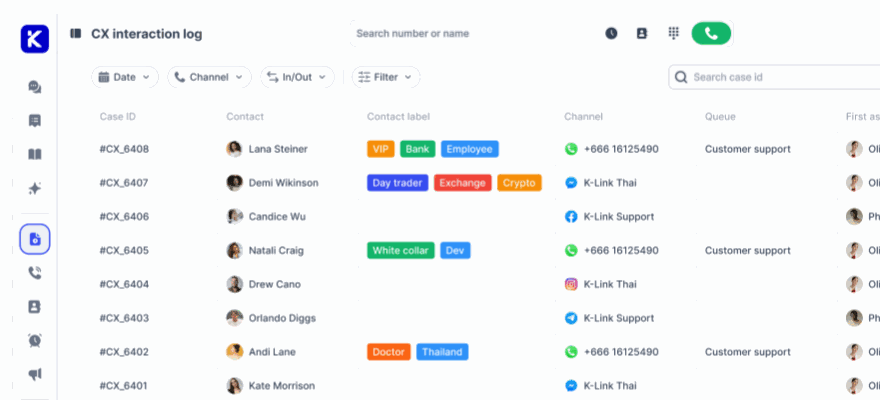
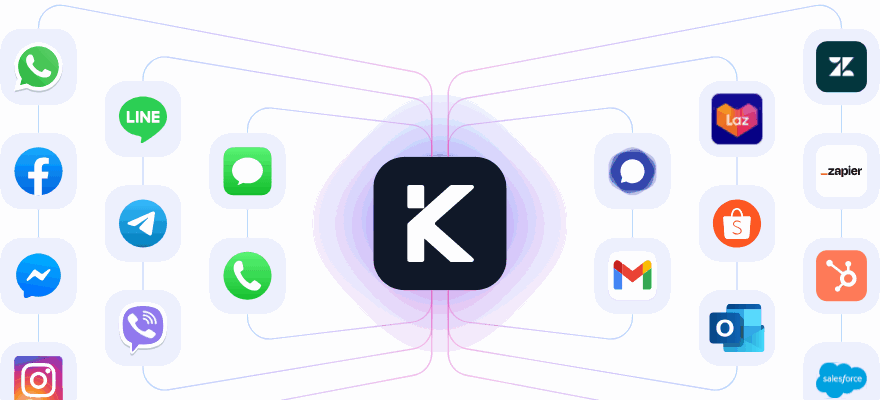
AI copilots are particularly powerful when integrated into omnichannel customer engagement platforms like klink.cloud. Whether it’s a voice call, a WhatsApp chat, or an Instagram DM, the copilot ensures consistent, context-aware support across all channels.
Some real-world use cases include:
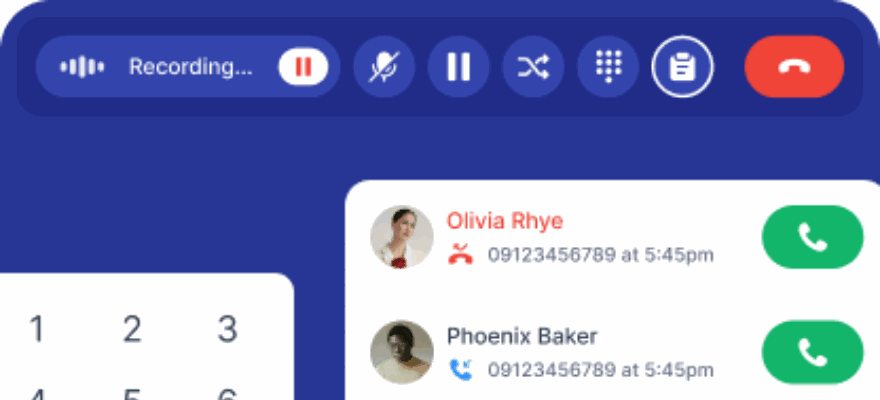
- Voice calls: Real-time transcription, sentiment detection, and on-call coaching.
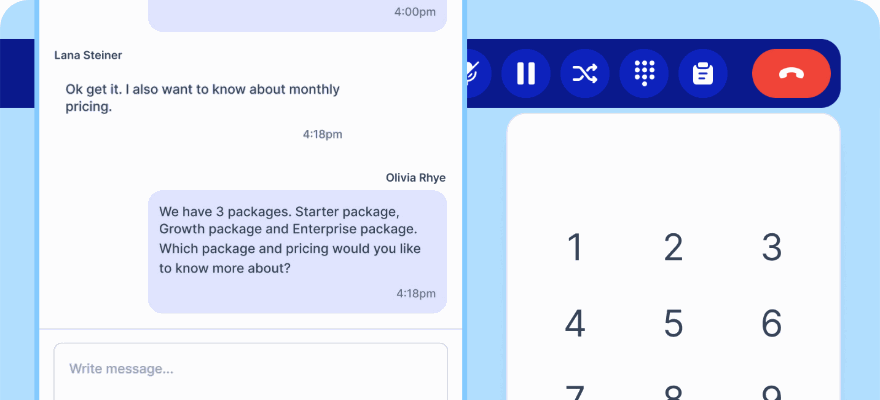
- Chat channels: Smart reply suggestions, language translation, and escalation triggers.
- Email & SMS: Summarizing long threads and suggesting next steps.
- Social media: Identifying influencers, urgency detection, and automated routing.
Key AI Copilot Features to Look For
When evaluating AI copilots, look for these essential features that align with modern customer engagement needs:
- Real-time Agent Assist: Suggests replies, provides next-best actions, and surfaces knowledge base articles as the conversation unfolds.
- Sentiment & Intent Detection: Understands customer tone to personalize interactions or trigger escalations.
- Omnichannel Support: Functions seamlessly across voice, email, chat, social, and in-app channels.
- CRM Integration: Pulls customer data from systems like Salesforce or HubSpot for personalized engagement.
- Self-learning AI: Improves suggestions over time based on interaction data.
- Compliance & Security: Supports GDPR, HIPAA, and other data privacy standards.
Considerations Before Implementation
While AI copilots offer substantial ROI, they also require thoughtful integration:
✅ System Compatibility
Ensure the AI copilot integrates smoothly with your existing CRM, help desk, and contact center software (like klink.cloud, Zendesk, Salesforce, etc.).
✅ Data Security
AI copilots handle sensitive data — from call recordings to chat logs. Choose a provider that ensures end-to-end encryption, role-based access, and compliance with global standards.
✅ Agent Buy-In
Change management is key. Agents must trust the AI, understand its value, and receive training to use it effectively. The copilot should feel like a supportive teammate — not a supervisor.
The Bottom Line: AI Copilot Is the Future of Contact Centers
From enhancing agent performance to delivering superior customer experiences, AI copilots are no longer a futuristic concept — they’re a strategic necessity in modern contact centers.
Companies adopting AI copilots report:
- 15% increase in agent productivity
- 12% reduction in handling time
- 12% boost in customer satisfaction
With the rise of omnichannel communication and increasing customer expectations, the role of AI copilots will only grow. Platforms like klink.cloud that embed AI copilots into every touchpoint give businesses a critical edge — enabling smarter, faster, and more human support at scale.