One Inbox, Every Channel—Zero Chaos
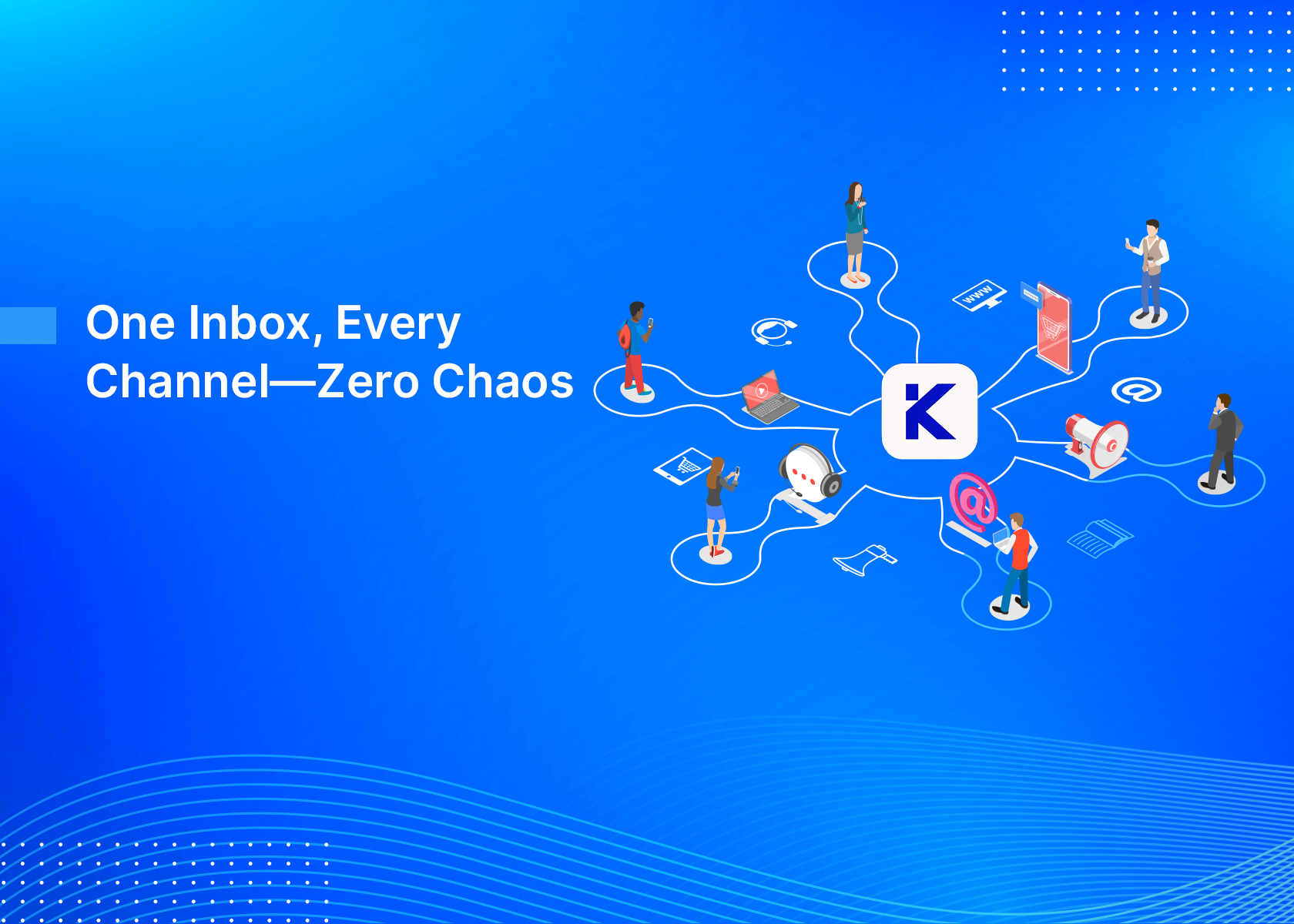
One Inbox, Every Channel—Zero Chaos
Introduction: Welcome to a Smarter Way to Connect
It’s 10:15 a.m., and your team is already juggling a customer phone call, replying to emails, and managing a flurry of chat messages and social media DMs. Sound familiar?
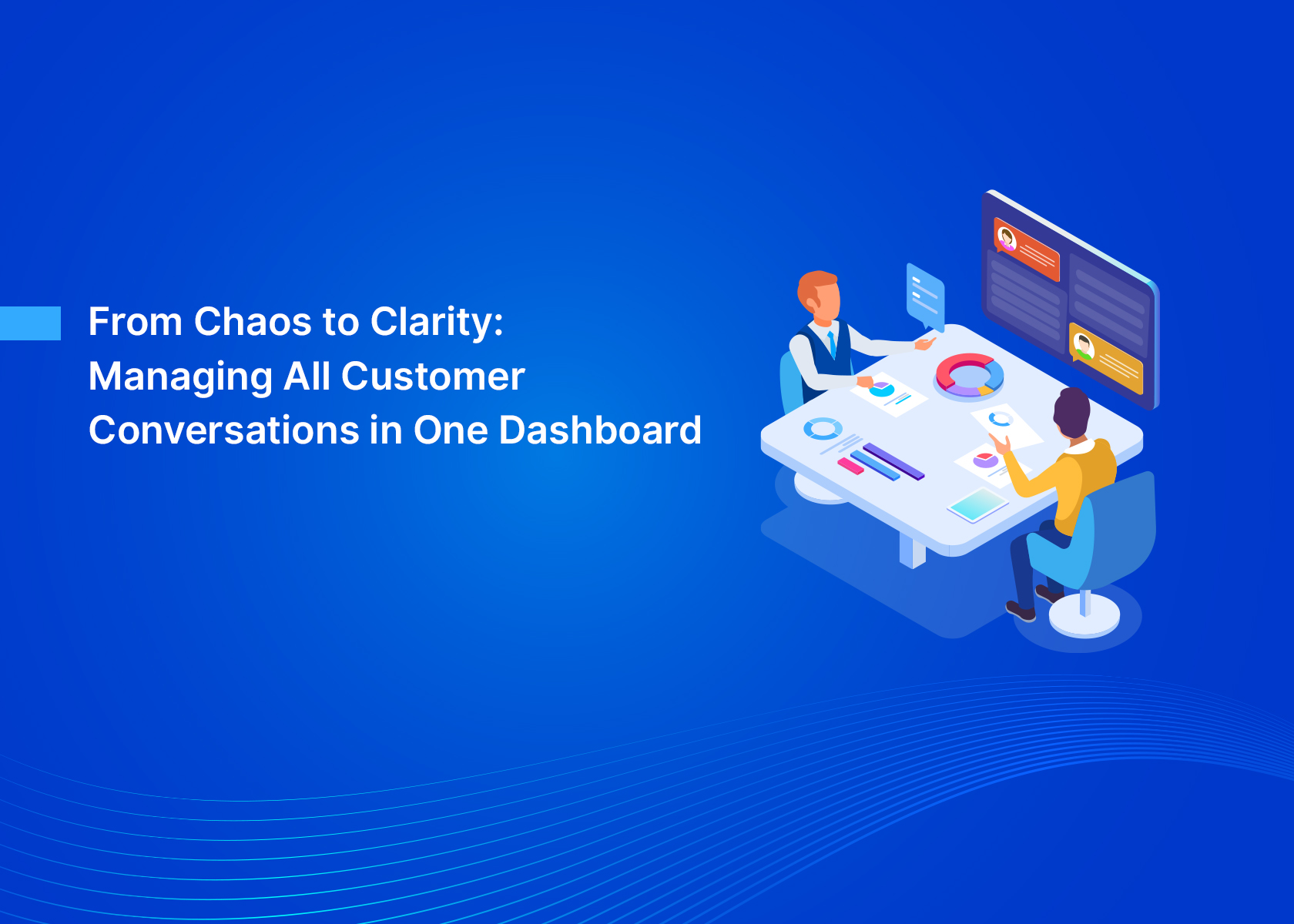
Now imagine this: every message—whether it’s a call, a live chat, or an email—lands in one shared workspace, neatly organized, instantly actionable, and connected with all the context your team needs.
That’s the magic of a unified contact center platform. No more app switching, lost messages, or channel confusion. Just one clean, streamlined system that handles it all—call, chat, email—managed in one powerful platform.
What Is a Unified Contact Center Platform?
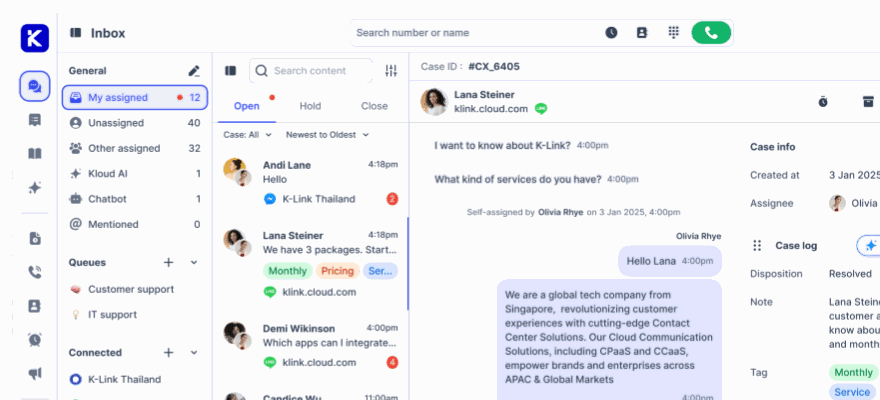
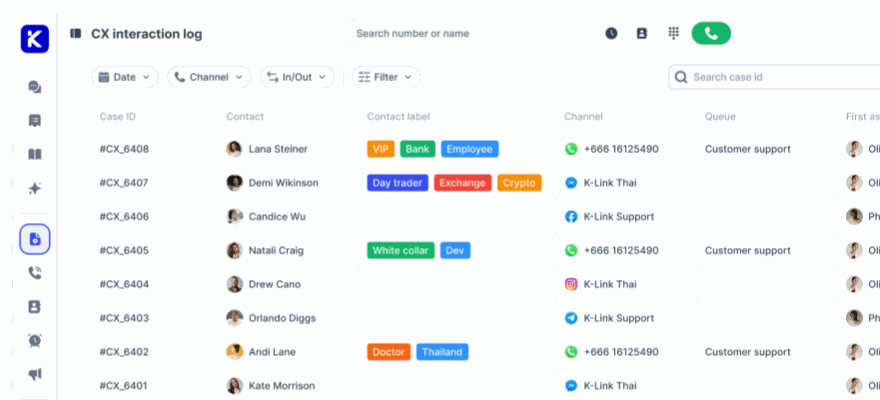
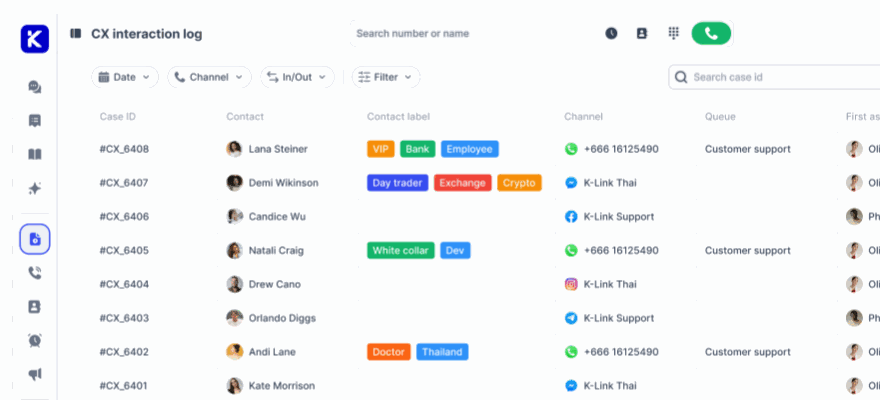
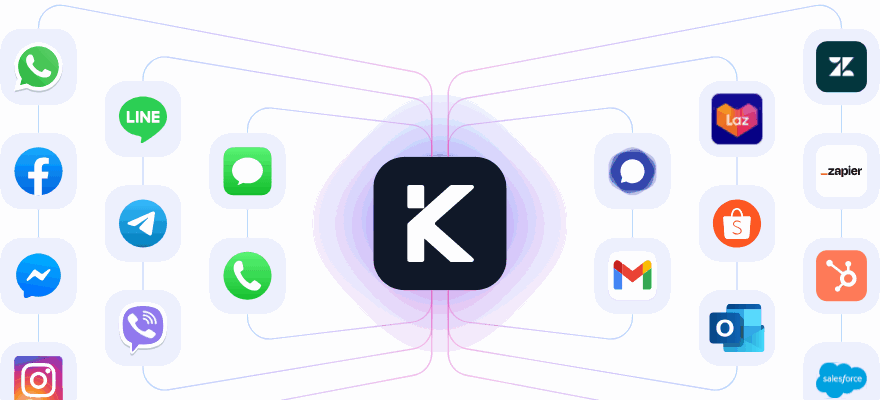
A unified contact center platform brings all your communication channels—voice, chat, email, SMS, and even social media—into a single inbox. It’s designed to support omnichannel communication without chaos, empowering your customer service team to deliver consistent, efficient, and delightful support.
Rather than having separate tools for each channel, your agents operate from one screen, one login, and one system. It’s not just convenient—it’s transformational.
Why Multichannel Is Not Enough Anymore
Many companies say they’re “multichannel,” but that often means customers have multiple ways to reach out—without agents having a full picture of previous interactions.
This can lead to:
- Repetition (customers repeating their issue on every channel)
- Delayed responses (due to app switching or siloed systems)
- Inconsistent service (depending on who picks up the case)
In contrast, a unified contact center ties everything together:
- A customer’s entire history—across all touchpoints—is accessible.
- Agents can respond via the same channel or switch channels as needed.
- Tickets are created and tracked with full context, so nothing falls through the cracks.
Real-Time Ticketing Built Right In
At the heart of every powerful platform lies an intelligent ticketing system.
This is what keeps everything flowing:
- Every conversation becomes a ticket (automatically or manually)
- Tickets contain full message history, customer info, and internal notes
- Smart routing ensures tickets go to the right agent or department
- SLA timers, priorities, and tags help manage workload and expectations
This kind of system not only ensures speed, but also enables collaboration and accountability. No more forgotten follow-ups or scattered messages—just clear, focused, and traceable support.
Call, Chat, Email—Let’s Break It Down
📞 Voice Calls: Still King
Even in 2025, voice remains a top channel for customer support, especially for urgent or complex issues. With the right platform:
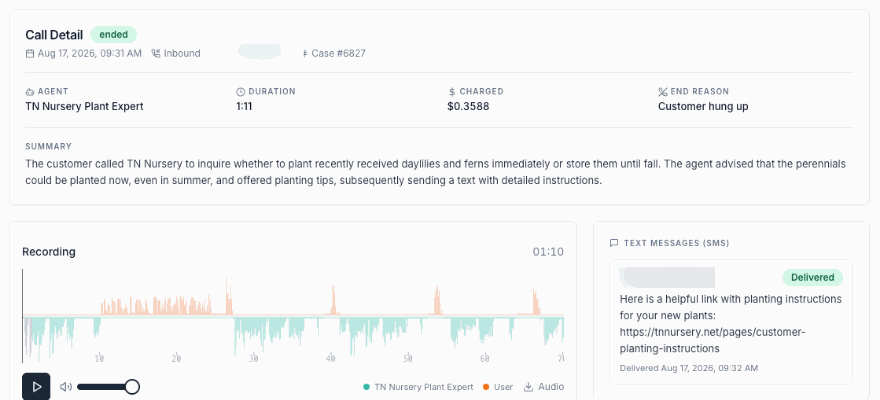
- Calls are logged and transcribed in real time
- Integrated IVR routes callers based on needs
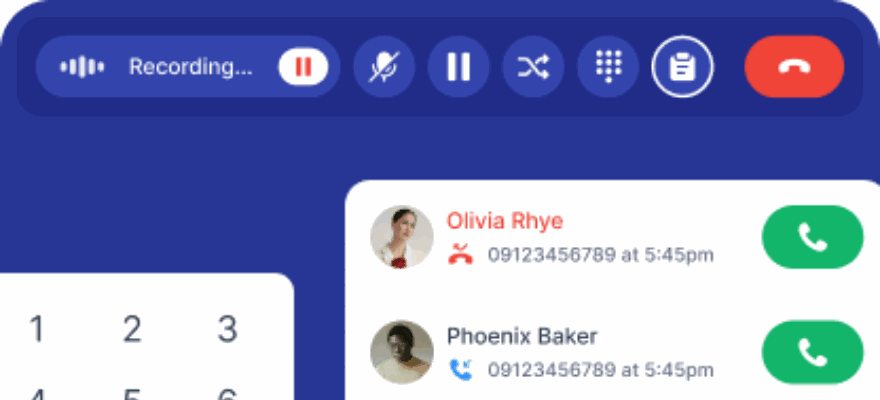
- Callbacks can be scheduled from missed calls
- Voicemail and call notes are attached directly to the customer profile
Modern systems even integrate AI-powered voice bots and speech analytics to detect customer sentiment and help agents improve.
💬 Live Chat: Instant and Personal
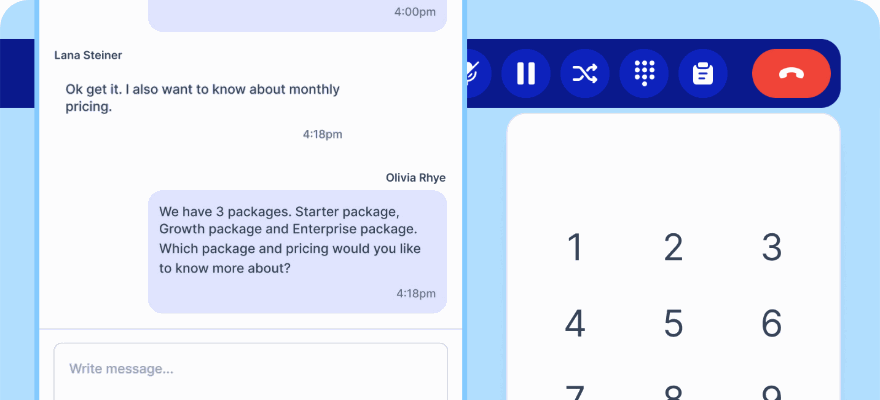
Live chat is the go-to for fast support. Whether on a website, mobile app, or messaging platform like Facebook Messenger or LINE, your chat tool should:
- Support real-time typing previews
- Offer chatbots for common queries
- Allow agents to handle multiple chats at once
- Turn chats into tickets with a click
Adding AI-suggested replies and typing automation boosts response speed while maintaining tone and consistency.
📧 Email: Still Crucial, Now Smarter
Email isn’t going anywhere—it’s still preferred for formal or detailed conversations. A powerful platform manages emails like a helpdesk:
- Auto-converts emails into tickets
- Enables team collaboration with shared inboxes
- Uses macros and templates for common responses
- Tracks read receipts, SLA timers, and resolution rates
It turns a slow, manual inbox into a high-speed engine for thoughtful support.
What Else Makes It Powerful?
💡 Unified Customer Profiles
From the first chat to the latest email, every interaction is logged in one profile. This gives agents full visibility into past orders, tickets, preferences, and pain points—without asking customers to repeat themselves.
⚙️ Workflow Automation
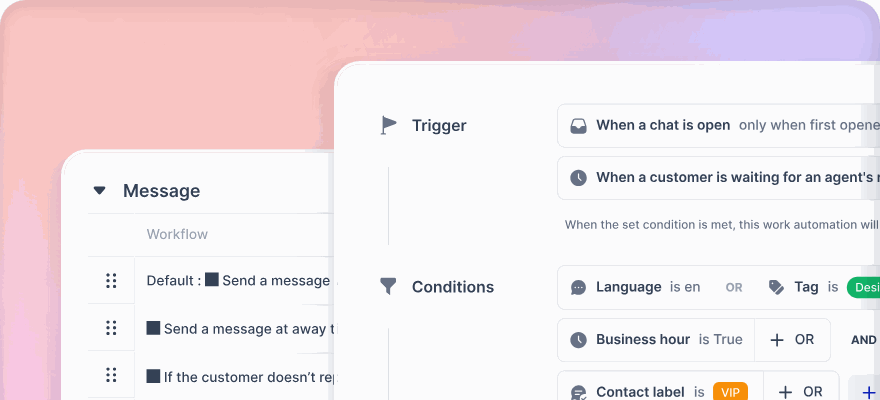
Set up automated triggers to assign tickets, send follow-up emails, or escalate high-priority cases. Automation reduces errors and ensures nothing is forgotten.
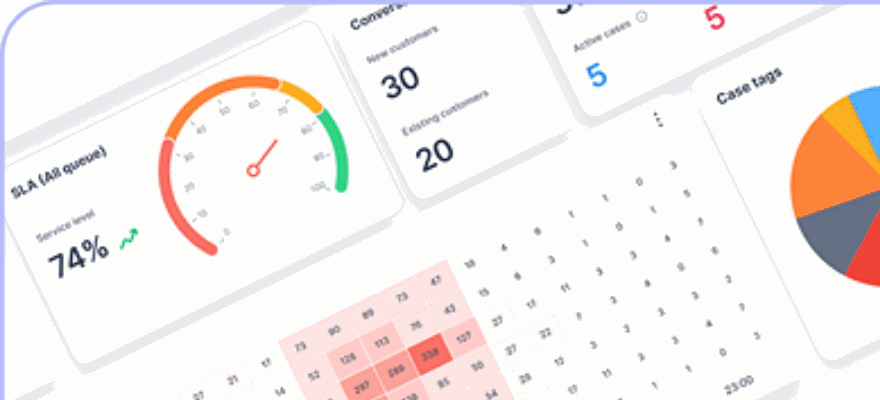
📊 Real-Time Reporting
Track metrics across every channel:
- First response time
- Resolution time
- Ticket volume by channel
- Agent performance
- Customer satisfaction (CSAT)
Custom dashboards let managers view KPIs in real time and make informed decisions instantly.
🤖 AI-Driven Assistance
AI is no longer a luxury—it’s an essential.
- Suggested replies based on message content
- Auto-tagging and classification of tickets
- Customer sentiment analysis
- Smart triage for faster routing
Platforms like Freshdesk, Zendesk, and Klink.cloud are already embedding these features to great success.
Real-World Success Stories
- Zendesk reported that companies using their omnichannel solution saw a 31% faster resolution time.
- Freshdesk users have reduced average handling time by up to 25% using Freddy AI for suggested replies.
- Klink.cloud, a rising star in Southeast Asia, offers a truly unified inbox with voice, chat, email, and social channels—all designed for contact centers in industries like healthcare, logistics, and finance.
- LiveAgent users have achieved up to 3x improvement in agent productivity thanks to unified workflows and automated routing.
Who Needs This?
This isn’t just for big enterprises. A unified contact center platform benefits:
✅ Startups and SMBs
Get enterprise-grade communication without the cost. Focus on customers, not tools.
✅ E-commerce Stores
Handle support on WhatsApp, Instagram, email, and website chat from a single place.
✅ Healthcare Providers
Manage appointment requests, follow-ups, and urgent inquiries across secure, compliant channels.
✅ Banks and Fintechs
Deliver fast, secure, and trackable support through multiple verified touchpoints.
✅ Travel & Logistics
Handle booking changes, customer complaints, and live tracking—all without switching screens.
What to Look For in a Unified Platform
When choosing a platform that handles call, chat, and email in one place, make sure it offers:
- Omnichannel inbox with unified ticketing
- Custom SLAs and automation
- Easy integration with CRM or external tools
- Mobile access for on-the-go support
- Data security and compliance
- Multi-language support if serving international customers
Final Thoughts: It’s Not Just Support—It’s Strategy
Managing calls, chats, and emails from one platform isn’t just about simplifying support—it’s about strengthening your brand reputation, customer loyalty, and team efficiency.
Whether you're a solo founder or managing a 100-seat support team, a unified customer communication system gives you the clarity, control, and speed you need to deliver service that keeps customers coming back.
So stop juggling tabs and start connecting the way today’s customers expect—one powerful platform, every message in one place, and zero chaos.