
The Rise of Real-Time Voice Agents: What It Means for Customer Service in 2025
In 2025, customer service is undergoing a profound transformation. The rise of real-time voice agents is reshaping how businesses interact with customers, offering faster, more personalized, and efficient support. These AI-powered assistants are not just a trend; they are becoming integral to modern customer service strategies.
🚀 What Are Real-Time Voice Agents?
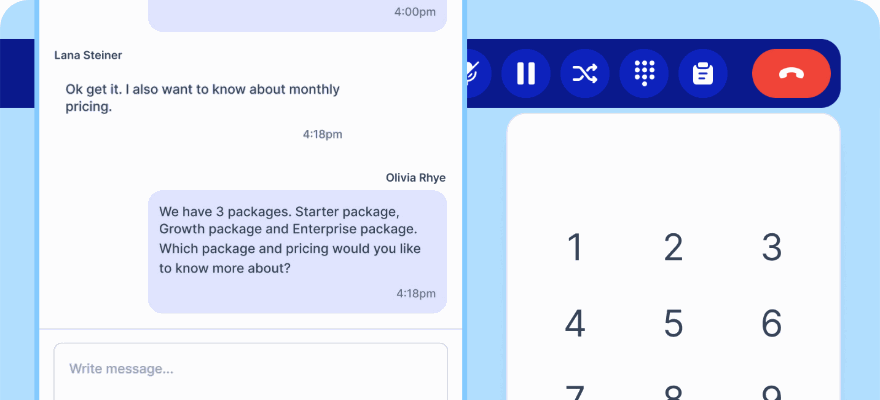
Real-time voice agents are AI-driven systems capable of understanding and responding to customer queries through natural language. Unlike traditional automated systems that rely on pre-recorded responses, these agents engage in dynamic conversations, processing speech in real-time. They utilize advanced technologies such as Automatic Speech Recognition (ASR), Natural Language Processing (NLP), and Text-to-Speech (TTS) to deliver human-like interactions.
📈 The Surge in Adoption
The adoption of real-time voice agents has seen a significant uptick in recent years. According to a 2025 survey, 95% of customer interactions are expected to be AI-enabled, reflecting a shift toward immediacy and personalization that customers now demand. ChatMaxima
Companies are increasingly deploying AI voice agents to handle calls, reduce wait times, and provide 24/7 customer service. This approach not only enhances customer satisfaction but also leads to substantial cost savings. For instance, Verizon reported a nearly 40% increase in sales after integrating Google's Gemini AI assistant into their customer service operations. Reuters
💡 Key Benefits of Real-Time Voice Agents
1. Enhanced Customer Experience
Real-time voice agents provide instant responses, reducing wait times and improving overall customer satisfaction. A Zendesk study indicates a 20% rise in satisfaction scores when AI voice systems are used. Graphlogic
2. Operational Efficiency
By automating routine inquiries and tasks, these agents free up human agents to focus on more complex issues. This leads to faster case resolutions and more efficient use of resources. Companies report up to 30% faster case resolution when AI handles first-line queries. Graphlogic
3. Cost Reduction
AI voice agents can significantly lower operational costs. Deloitte reports that companies save between $0.70 and $1.10 per automated call compared to live agents. Graphlogic
4. Scalability
These agents can handle a high volume of interactions simultaneously, making it easier for businesses to scale their customer service operations without a proportional increase in staff.
🔧 How Do Real-Time Voice Agents Work?
The functionality of real-time voice agents hinges on several advanced technologies:
- Automatic Speech Recognition (ASR): Converts spoken language into text in real-time.
- Natural Language Processing (NLP): Interprets the meaning of the text, allowing the agent to understand context and intent.
- Text-to-Speech (TTS): Generates human-like speech from text responses.
These components work together to create seamless, natural conversations between the AI agent and the customer.
🧠 Real-World Applications
1. Customer Support
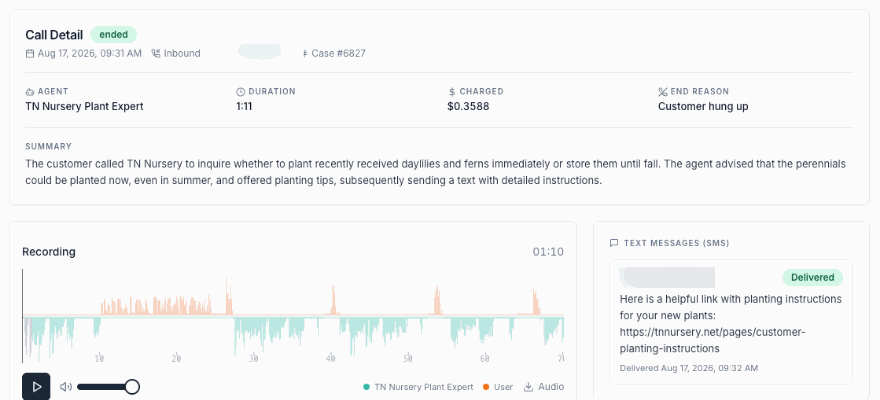
AI voice agents are increasingly used in customer support to handle common inquiries, troubleshoot issues, and provide information, all without human intervention. This allows human agents to focus on more complex cases.
2. Sales and Lead Generation
Businesses are leveraging AI voice agents to qualify leads, schedule appointments, and even close sales, all through voice interactions. These agents can engage customers in meaningful conversations, driving conversions and revenue.
3. Healthcare
In the healthcare industry, AI voice agents assist in scheduling appointments, providing medical information, and even offering mental health support, ensuring patients receive timely and accurate assistance.
4. Finance
Financial institutions use AI voice agents to provide account information, process transactions, and answer customer queries, enhancing the overall banking experience.
🔍 Challenges and Considerations
While the benefits are clear, there are challenges to consider:
- Data Privacy: Ensuring that customer data is handled securely and in compliance with regulations is paramount.
- Integration: Integrating AI voice agents with existing systems can be complex and requires careful planning.
- Customer Acceptance: Some customers may prefer human interaction, so it's essential to provide options for both AI and human support.
🔮 The Future Outlook
The future of customer service is undoubtedly intertwined with AI voice agents. As technology advances, these agents will become even more sophisticated, offering more personalized and efficient service. Businesses that embrace this technology will be better positioned to meet the evolving expectations of customers in 2025 and beyond.
💬 Conclusion
The rise of real-time voice agents marks a significant shift in customer service. By offering instant, personalized, and efficient support, these AI-powered assistants are redefining customer interactions. Businesses that adopt this technology will not only enhance customer satisfaction but also gain a competitive edge in the marketplace.