
Global Customer Support: Elevate Reach Without Sacrificing Quality
As businesses scale internationally, delivering consistent, high-quality customer support across diverse regions becomes a strategic imperative. In today's fast-paced digital landscape, customers expect seamless, on-demand assistance regardless of location or communication channel. Meeting these expectations requires more than just availability; it demands a unified, intelligent approach to communication. This is where omnichannel contact centers come into play, equipping businesses with the tools to maintain service excellence while navigating the complexities of global engagement. With rising consumer expectations and intensifying competition, ensuring quality isn't just best practice—it's the foundation of sustainable growth.
Why Omnichannel Is No Longer Optional
Omnichannel customer engagement means offering customers a connected experience across multiple touchpoints—email, voice, social media, SMS, chat, in-app messaging, and more. But it’s not just about being everywhere. It's about creating a unified conversation regardless of how the customer reaches out.
Research shows that 90% of customers want consistent interactions across channels, yet only 29% of brands are delivering that experience effectively. And it matters: companies with strong omnichannel strategies see 89% higher customer retention, compared to 33% for those with a weak presence across channels.
This seamless experience builds trust, reduces customer frustration, and increases the chances of a resolution on the first interaction. And when that happens, customers stick around.
The Real Cost of Inconsistent Customer Service
Let’s flip the coin for a second. What happens when customer support isn’t up to par—especially when it spans across geographies?
- 73% of customers will switch to a competitor after multiple bad experiences.
- One in three will leave after just a single poor interaction.
- And even worse? Many don’t even complain. Instead, 56% just quietly walk away, never to return.
Poor service doesn’t just cost you a ticket—it costs you lifetime value, brand reputation, and sometimes even your market position. That’s why global brands are doubling down on solutions that scale quality, not just reach.
Benefits of an Omnichannel Contact Center
So, how exactly does an omnichannel contact center help? Here’s a breakdown of the most impactful benefits:
1. Consistency Across Channels
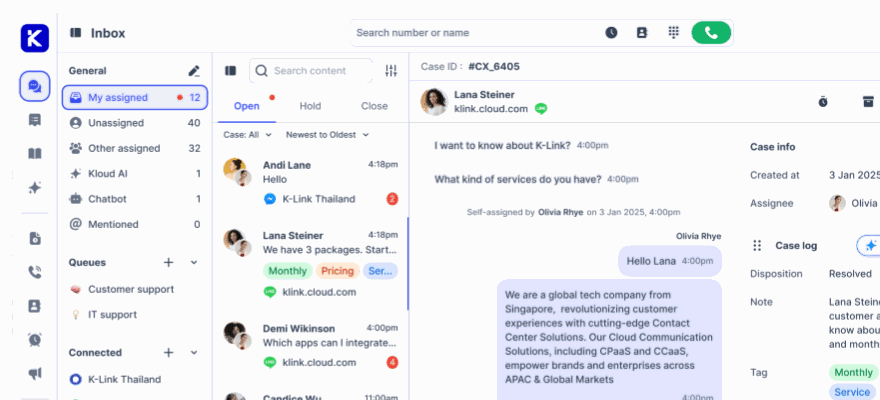
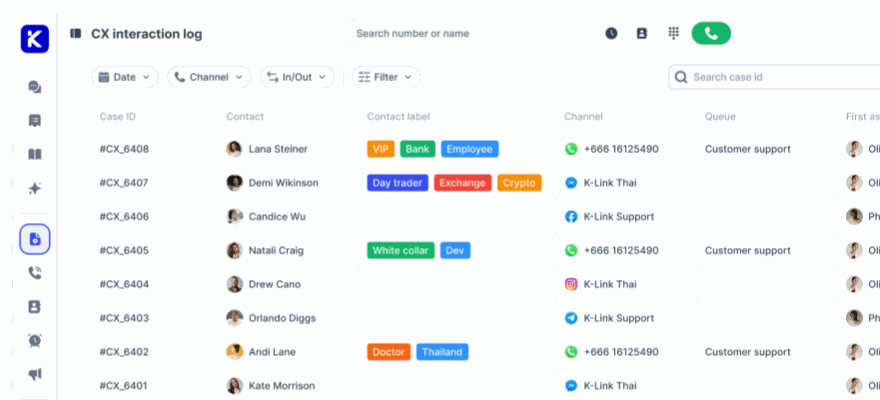
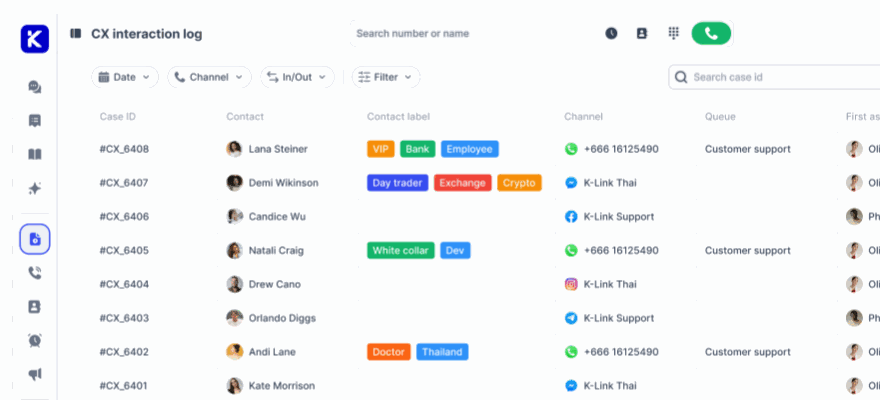
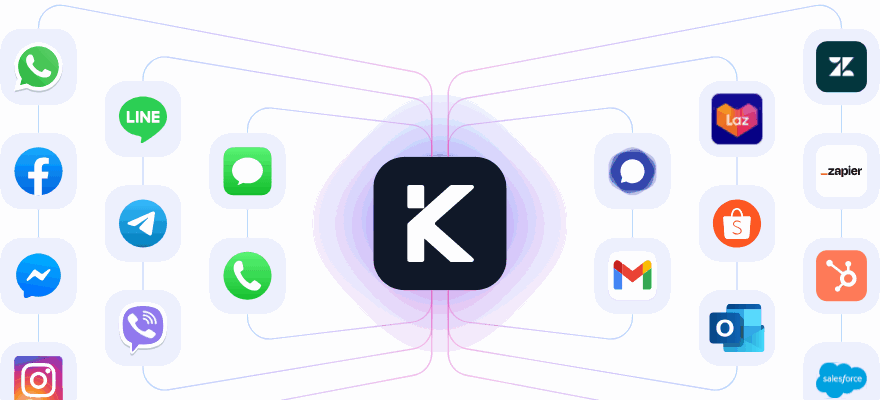
With omnichannel platforms like klink.cloud, all your customer touchpoints—voice, email, WhatsApp, Instagram, Facebook, and more—are routed through a single interface. Agents don’t have to jump tabs or lose context. Customers enjoy one cohesive experience.
2. Smarter Agent Workflows
An omnichannel contact center gives agents a 360-degree view of each customer, including past conversations, purchase history, preferences, and even emotional sentiment (via integrations). This allows faster and more informed responses, improving first contact resolution rates.
3. Automated Routing & AI Support
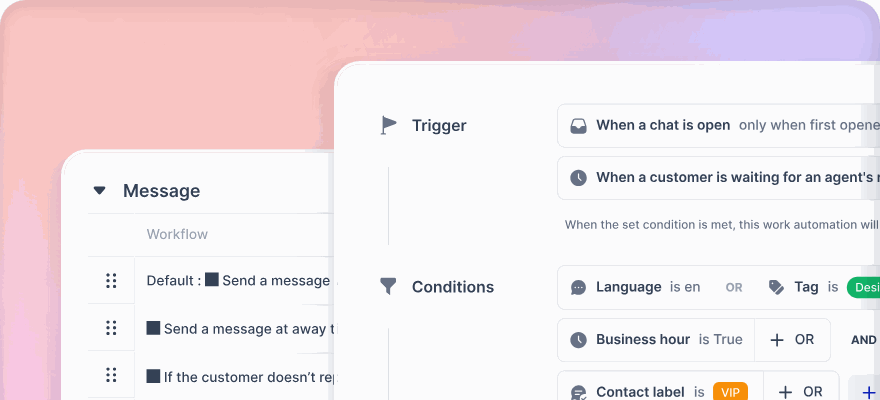
With intelligent routing and conversational AI, you can direct inquiries to the right team or agent based on language, intent, urgency, or previous issues. Your customers get help faster. Your agents stay productive.
4. Analytics That Drive Performance
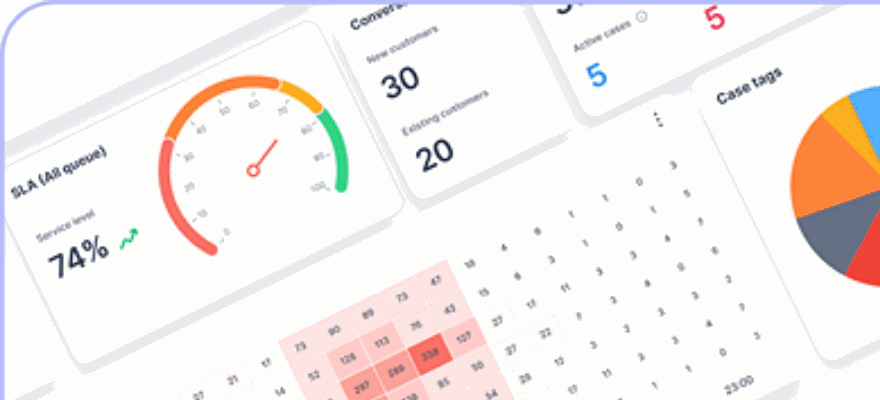
Platforms like klink.cloud include real-time dashboards, SLA performance, abandon call reports, and omnichannel analytics. These insights help managers pinpoint where support is lagging—and fix it before it affects customer satisfaction.
5. Global Scalability
From in-app calling SDKs to global DID virtual numbers in 80+ countries, omnichannel platforms are built for scale. You can manage multiple regions, teams, and customer segments—all from a centralized, cloud-based system.
Features That Matter for Global Teams
Not all omnichannel platforms are built the same. Here are the must-haves for any brand offering global customer support:
- Unified Inbox: One team inbox for handling multiple channels.
- Conversation Tags & Categories: Helps in ticket tracking, routing, and performance reporting.
- IVR & Call Routing: Support in local languages and custom time-zone-based routing.
- CRM & Ticketing Integration: Manage end-to-end support with linked contact records and pipeline visibility.
- Real-time Metrics: SLA, abandon rate, first response time, resolution time, and agent-level stats.
- Team Collaboration: Internal notes, tagging, and assignment features keep global support teams in sync.
- In-App Voice & Video SDK: Perfect for mobile-first brands needing embedded voice/video call features.
Best Practices for Rolling Out Omnichannel Globally
If you're expanding your support across borders or scaling up operations, keep these five best practices in mind:
1. Audit Your Current Setup
Start by identifying where silos exist. Are customers repeating themselves across channels? Are agents struggling to get full context? Use this insight to prioritize integration.
2. Train Teams Thoroughly
Technology is only as good as the people using it. Invest in upskilling your agents—not just on how to use the tools, but also on how to deliver empathetic, culturally aware support across time zones.
3. Use Automation Wisely
Deploy chatbots, autoresponders, and AI assistants to handle FAQs, ticket creation, or routing. But make sure there’s always an easy handoff to a human when needed.
4. Centralize Reporting
Having separate reports for voice, email, chat, and social media is a recipe for confusion. Omnichannel reporting ensures your team is aligned on KPIs that matter—like CSAT, FCR, and ticket backlog.
5. Localize, Don’t Just Translate
Local support isn’t just about language. It’s about understanding cultural nuances, holidays, preferred channels, and expectations. Global quality comes from local relevance.
Trends Shaping the Future of Omnichannel Support
Staying ahead means knowing where the industry is heading:
- AI-first Support: By 2026, Gartner predicts that 60% of customer service engagements will be handled by AI, up from just 20% in 2022.
- Channel Preferences are Shifting: Gen Z consumers are 3x more likely to use Instagram DMs or TikTok comments to reach support compared to older generations.
- Hyper-personalization: Customers now expect brands to remember their preferences, purchase history, and past issues—and tailor support accordingly.
Platforms like klink.cloud are already equipped to support these trends, with flexible APIs, chatbot integrations, and customer profile syncing that put context at the center of every conversation.
Final Thoughts
Delivering exceptional global customer support is no longer just about having agents available 24/7. It’s about offering a connected, consistent, and personalized experience across every touchpoint, in every region.
Omnichannel contact centers are the bridge between global reach and quality service. And when implemented right, they not only reduce churn and improve satisfaction—they become a true growth engine.
If your brand is expanding into new markets, now is the time to rethink your support strategy. Because no matter where your customers are, one thing is universal: they want to feel heard, valued, and understood.