Multichannel vs. Omnichannel Customer Service: Navigating the Path to Exceptional Customer Experiences
Multichannel vs. Omnichannel Customer Service: Navigating the Path to Exceptional Customer Experiences
In today's fast-paced digital landscape, businesses are continually seeking ways to enhance customer engagement and satisfaction. Two prevalent strategies in this endeavor are multichannel and omnichannel customer service. While they may seem similar, understanding their distinctions is crucial for delivering seamless and personalized customer experiences. Let's delve into the differences between multichannel and omnichannel customer service and explore how each approach impacts your business.
Understanding Multichannel Customer Service
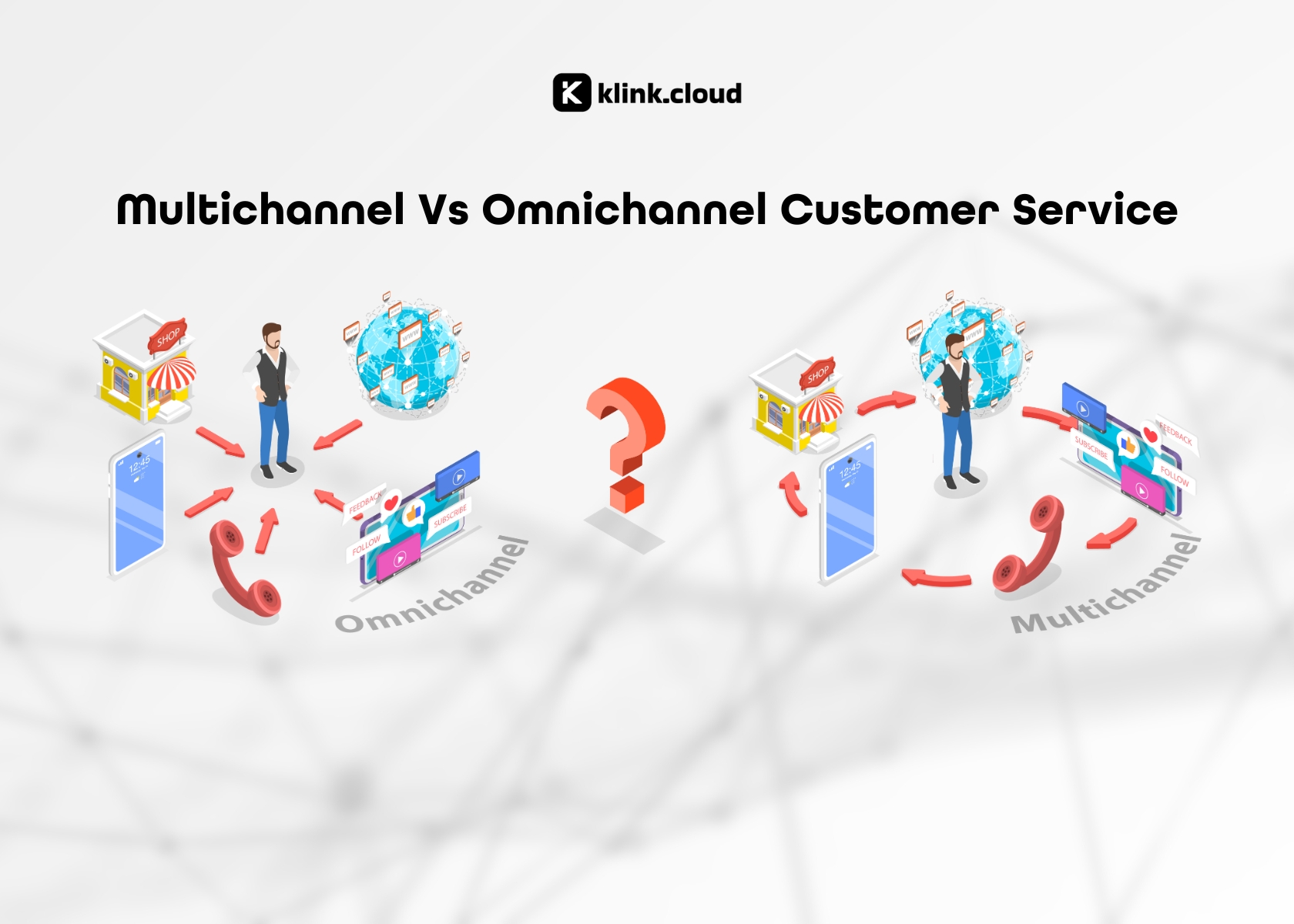
Multichannel customer service involves offering support through multiple, separate channels such as phone, email, social media, live chat, and in-person interactions. Each channel operates independently, providing customers with various options to reach out based on their preferences.
Example: A customer can contact a company via email for a billing inquiry, use live chat for technical support, or call the customer service hotline for immediate assistance.
Pros of Multichannel Customer Service:
- Flexibility: Customers have the freedom to choose their preferred communication channel.
- Broader Reach: Businesses can engage with a diverse audience across different platforms.
- Specialized Support: Each channel can be tailored to specific types of inquiries or customer segments.
Cons of Multichannel Customer Service:
- Siloed Information: Lack of integration can lead to fragmented customer data across channels.
- Inconsistent Experience: Customers may receive varying levels of service quality depending on the channel used.
- Operational Challenges: Managing multiple independent channels can be resource-intensive and complex.
Understanding Omnichannel Customer Service
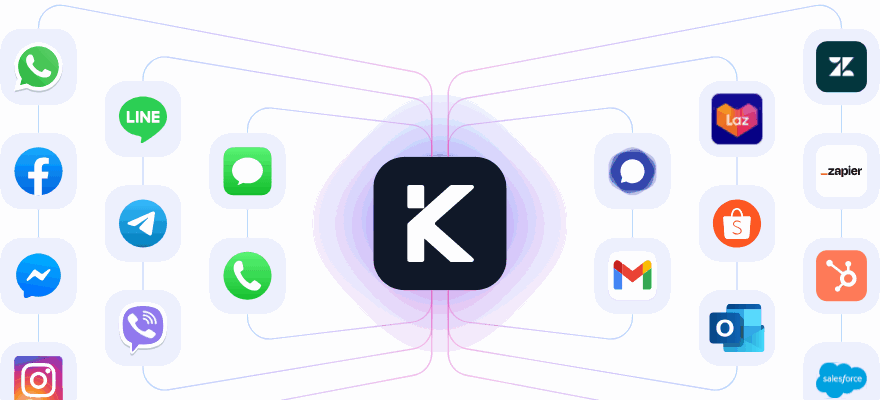
Omnichannel customer service, on the other hand, integrates all communication channels into a cohesive system, ensuring a seamless and consistent customer experience regardless of the platform used. This approach focuses on the entire customer journey, allowing interactions to transition smoothly between channels without losing context.
Example: A customer initiates a support request via live chat, continues the conversation through email, and concludes it over the phone, with all interactions linked and accessible to both the customer and support agents.
Pros of Omnichannel Customer Service:
- Seamless Experience: Customers enjoy a unified journey across all touchpoints.
- Personalization: Integrated data enables tailored interactions based on customer history and preferences.
- Efficiency: Streamlined processes reduce redundancy and improve response times.
Cons of Omnichannel Customer Service:
- Implementation Complexity: Integrating multiple channels requires advanced technology and strategic planning.
- Higher Initial Investment: Upfront costs for system integration and training can be significant.
- Continuous Management: Maintaining an omnichannel system demands ongoing monitoring and optimization.
Key Differences Between Multichannel and Omnichannel Customer Service
- Integration:
- Multichannel: Channels operate independently without interconnected data systems.
- Omnichannel: All channels are integrated, providing a unified view of customer interactions.
- Customer Experience:
- Multichannel: Experience varies across channels, potentially leading to inconsistencies.
- Omnichannel: Delivers a consistent and personalized experience across all platforms.
- Data Management:
- Multichannel: Customer data is siloed within each channel.
- Omnichannel: Centralized data allows for comprehensive customer insights.
- Operational Approach:
- Multichannel: Focuses on maximizing the number of channels available.
- Omnichannel: Emphasizes the quality and integration of channels to enhance the customer journey.
Choosing the Right Approach for Your Business
Selecting between multichannel and omnichannel customer service depends on your business goals, resources, and customer expectations.
- Multichannel is suitable if:
- You aim to offer multiple contact options without immediate integration.
- Your customer base prefers distinct channels for different types of inquiries.
- Resource constraints limit the ability to implement an integrated system.
- Omnichannel is ideal if:
- You prioritize a seamless and personalized customer experience.
- Your customers frequently switch between channels during their interactions.
- You have the resources to invest in integrated technology and training.
Implementing Omnichannel Customer Service with Klink.cloud
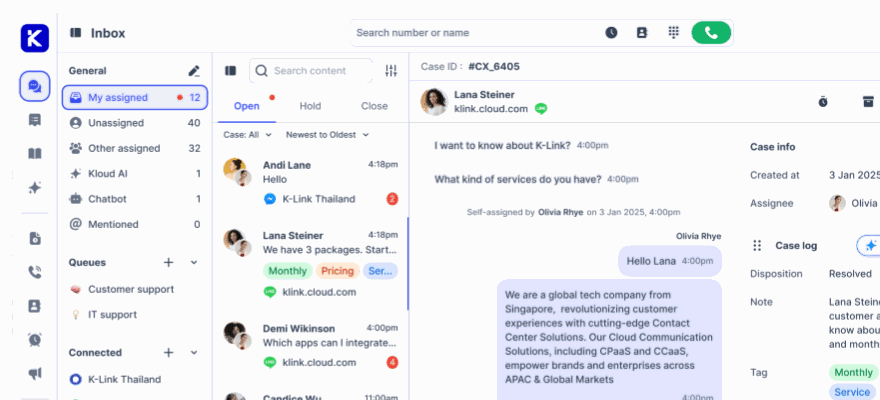
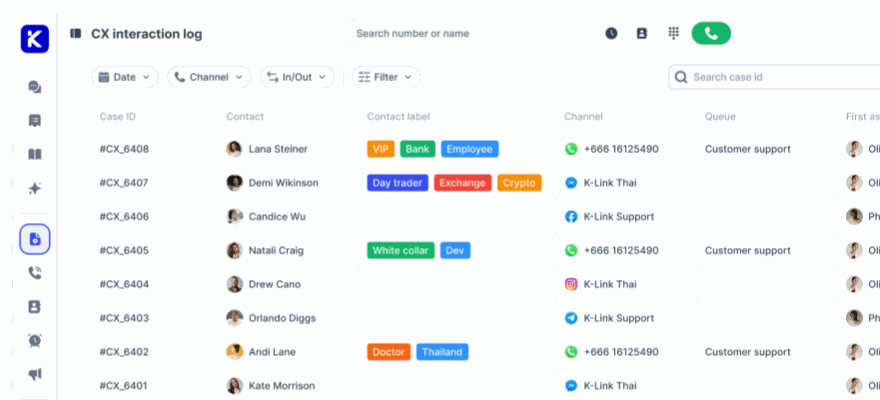
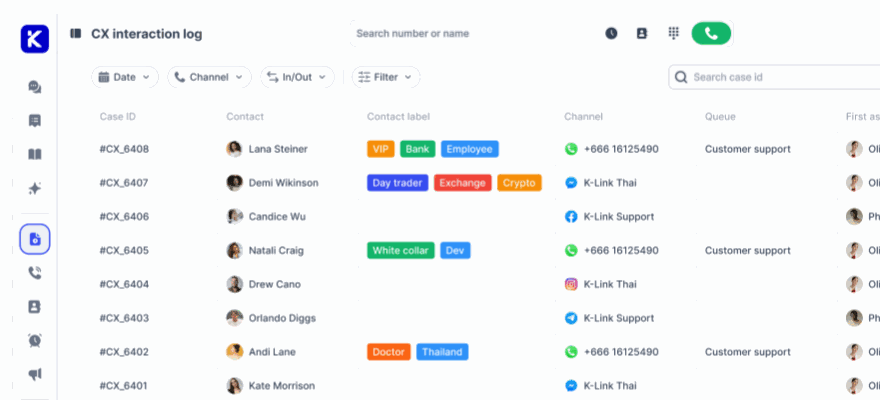
Transitioning to an omnichannel approach can be streamlined with platforms like Klink.cloud, which offers a comprehensive suite of features designed to unify customer interactions:
- Omnichannel Contact Center: A unified solution for engaging customers across voice and non-voice channels, ensuring consistent experiences.
- In-App Voice & Video Call: SDKs that enable seamless voice and video communication within your brand's app.
- Conversational AI & Chatbot: Automation tools to streamline customer support operations and enhance responsiveness.
- Virtual Numbers: Access to global DID numbers from over 80 countries, facilitating international customer engagement.
By leveraging Klink.cloud's platform, businesses can effectively implement an omnichannel strategy, resulting in improved customer satisfaction and operational efficiency.
Conclusion
Understanding the distinctions between multichannel and omnichannel customer service is essential for crafting strategies that meet evolving customer expectations. While multichannel offers flexibility and reach, omnichannel provides a cohesive and personalized experience. Assess your business needs and customer preferences to determine the approach that aligns best with your objectives. Embracing an omnichannel strategy with the right tools, such as Klink.cloud, can significantly enhance customer satisfaction and loyalty, positioning your business for sustained success.