The Importance of Multi-Channel Customer Service
In today's competitive marketplace, customer service is more important than ever. Businesses no longer rely on a single point of contact for customers. Instead, they are moving toward multi-channel customer service strategies, which enable customers to interact with a brand across various platforms such as email, social media, live chat, phone calls, and more. Offering support through multiple channels not only enhances customer satisfaction but also helps businesses build lasting relationships and gain a competitive edge.
What is Multi-Channel Customer Service?
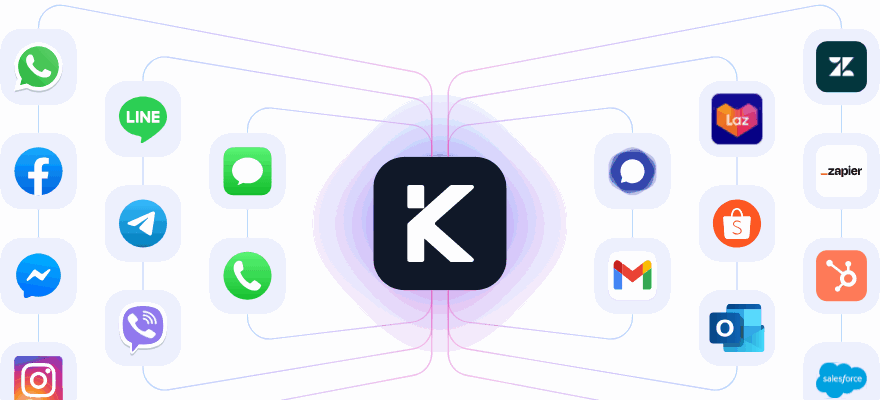
Multi-channel customer service allows businesses to provide support across multiple communication platforms. These can include phone, email, social media, live chat, chatbots, and more. The key difference between this approach and omnichannel support is that each channel in a multi-channel system operates independently, without necessarily sharing data or customer interactions across platforms. This offers flexibility, enabling customers to choose the method that suits them best at any given moment.
For example, a customer might prefer using live chat on your website for a quick question, but they may turn to email or social media for more complex issues
klink.cloud - Contact Center Platform
Tidio.
Why is Multi-Channel Customer Service Important?
1. Improved Customer Satisfaction
In the era of instant gratification, customers expect fast, effective service on the platform of their choice. By offering support across various channels, businesses meet customers where they are, delivering flexibility and convenience. Studies show that 64% of consumers expect real-time interactions with businesses
klink.cloud - Contact Center Platform
. Multi-channel service provides a solution for this demand by making it easy for customers to reach out, whether through a quick message on Twitter or a detailed email
klink.cloud - Contact Center Platform
.
2. Higher Customer Retention
Customer loyalty is built on positive experiences. If customers can easily reach out to your company and receive timely responses across various platforms, they are more likely to remain loyal. The efficiency and accessibility provided by multi-channel support significantly improve customer retention rates
. On the other hand, if customers are forced to use channels they dislike or face long response times, they may become frustrated and seek out competitors.
3. Enhanced Brand Visibility and Awareness
Being present across multiple platforms, especially on social media, increases your brand’s visibility. It also enables businesses to engage with customers in real-time and foster better relationships. Whether answering a question on Facebook or handling a complaint on Twitter, these interactions help businesses build trust and strengthen their brand image
. When customers receive consistent and quality support, they are more likely to share their experiences, amplifying your brand's reach.
4. Increased Productivity and Efficiency
With multi-channel support, businesses can handle a greater volume of inquiries by distributing requests across different platforms. This means that automation tools, like chatbots, can assist with simpler queries through live chat or messaging apps like WhatsApp, while support agents focus on more complex issues
Customer engagement platform | Trengo
. This not only improves response times but also boosts the productivity of customer service teams. As customers no longer have to wait on hold, businesses can resolve issues faster and more efficiently.
5. Better Data Collection and Insights
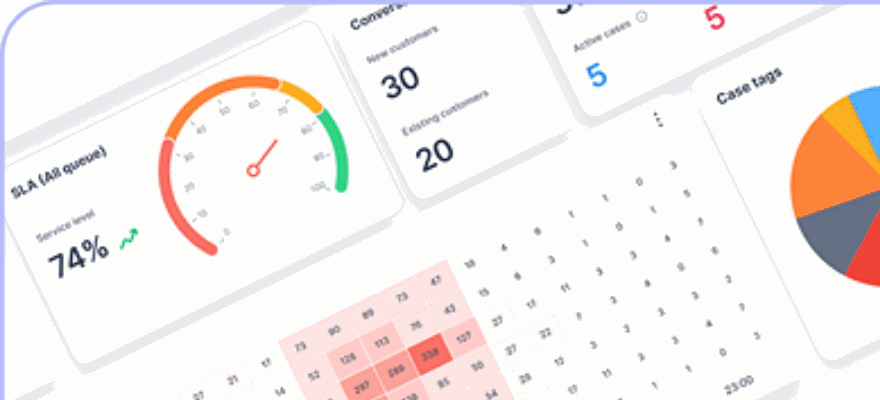
When customer service is spread across different channels, businesses collect a wide variety of customer data, including preferences, behaviors, and recurring issues. This data can be used to personalize future interactions and improve the overall customer experience. Moreover, having a central platform that integrates multi-channel interactions allows companies to create comprehensive customer profiles and gain valuable insights into service trends
.
Common Channels in Multi-Channel Support
There are several key platforms businesses can use to offer multi-channel support:
1. Phone Support
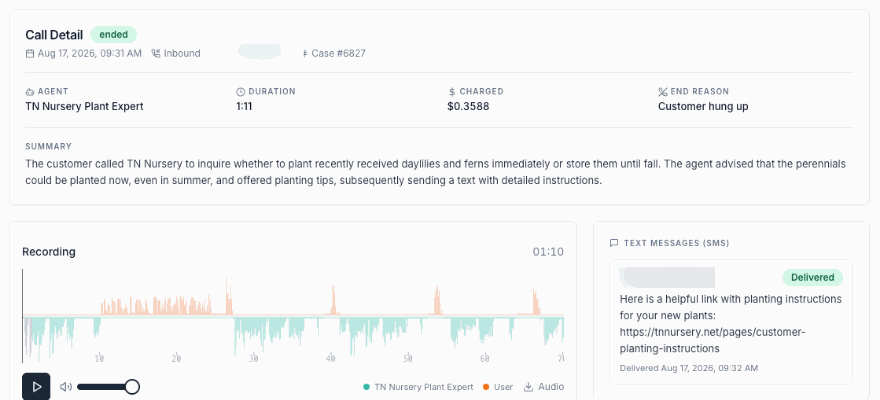
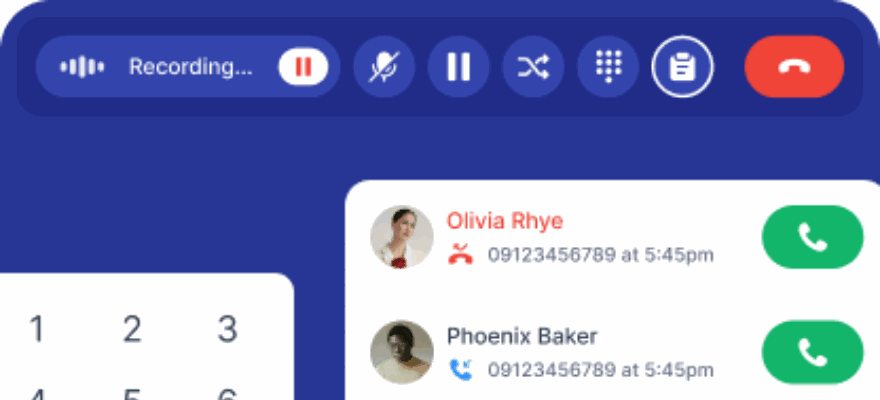
Despite the rise of digital communication, phone support remains a critical channel. Customers still value the immediacy and human touch that phone calls provide. However, businesses must ensure short hold times and easy access to customer information to keep interactions efficient and pleasant
Customer engagement platform | Trengo
.
2. Email
Email continues to be a preferred channel for many customers, especially for complex or detailed inquiries. It offers the opportunity for well-thought-out responses, and customers typically expect slower response times compared to live chat or phone support
Customer engagement platform | Trengo
.
3. Live Chat
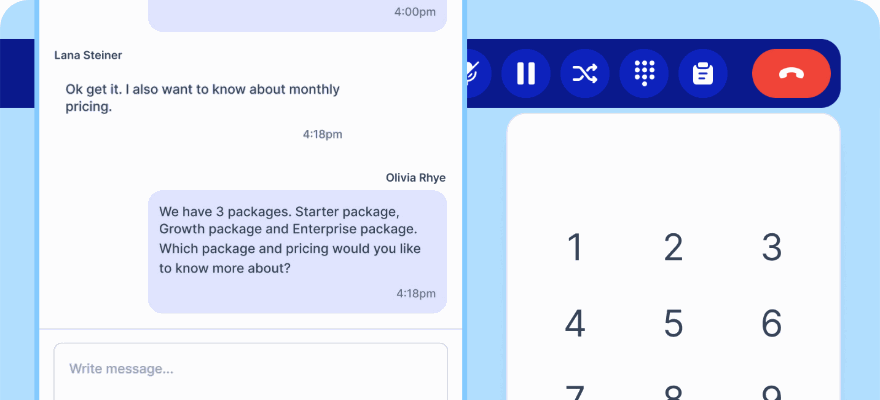
Live chat has become increasingly popular due to its real-time convenience. Customers can quickly ask questions while browsing a website, leading to higher engagement and faster issue resolution. Many businesses also use chatbots to handle routine inquiries and FAQs, freeing up human agents for more difficult tasks
.
4. Social Media
Social media platforms like Facebook, Twitter, and Instagram have evolved into customer service hubs. Businesses must monitor these platforms for both public and private interactions, providing timely and professional responses. This not only resolves issues but also strengthens brand presence in a public setting
.
5. Messaging Apps
Messaging platforms such as WhatsApp, Facebook Messenger, and WeChat offer a more informal and accessible way for customers to connect with businesses. These channels are particularly useful for younger customers and those who prefer texting over traditional forms of communication
Customer engagement platform | Trengo
.
Challenges of Multi-Channel Customer Service
While multi-channel support offers significant advantages, it also comes with its challenges:
1. Consistency Across Channels
One of the biggest challenges is ensuring that the customer experience is consistent across all platforms. It’s important that customers receive the same quality of service, regardless of whether they’re contacting you via email, phone, or social media
klink.cloud - Contact Center Platform
.
2. Managing Multiple Platforms
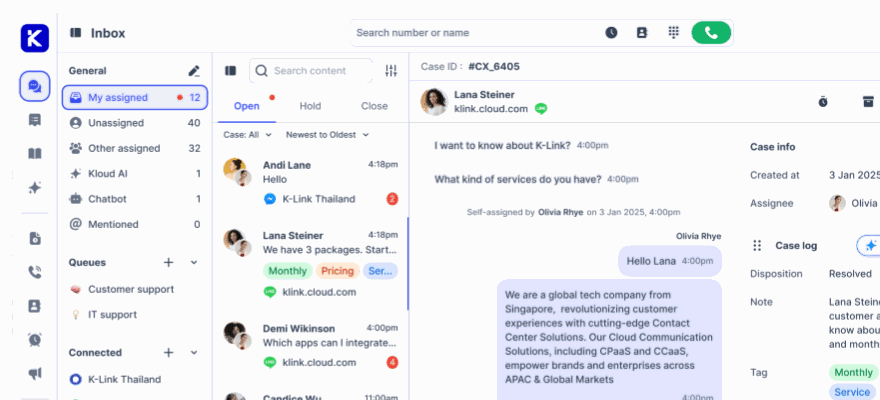
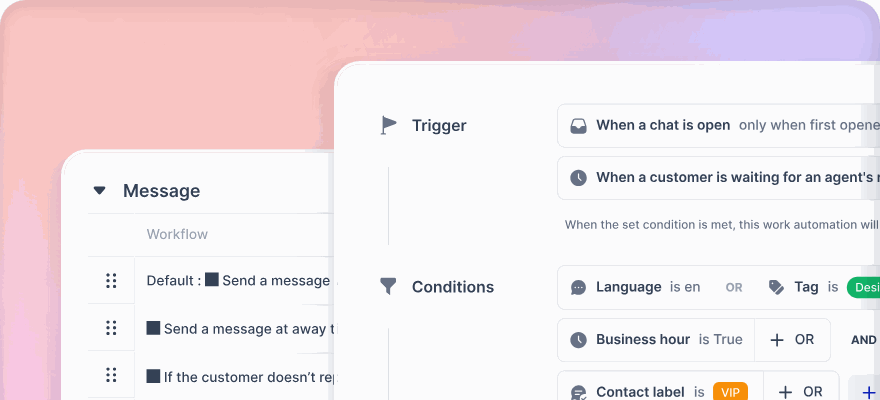
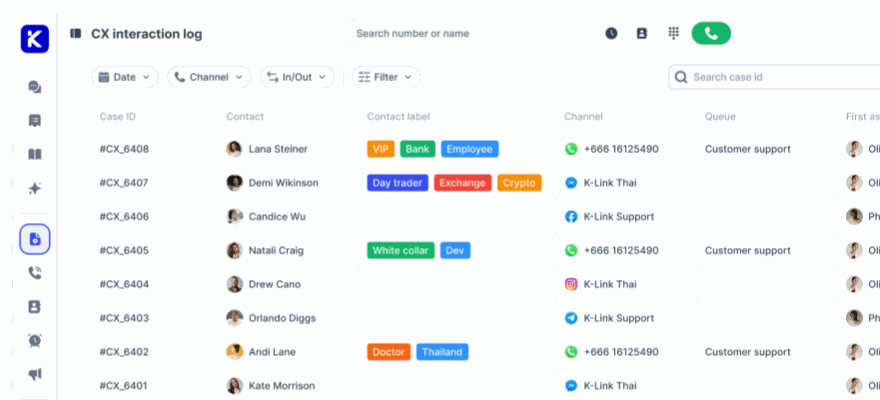
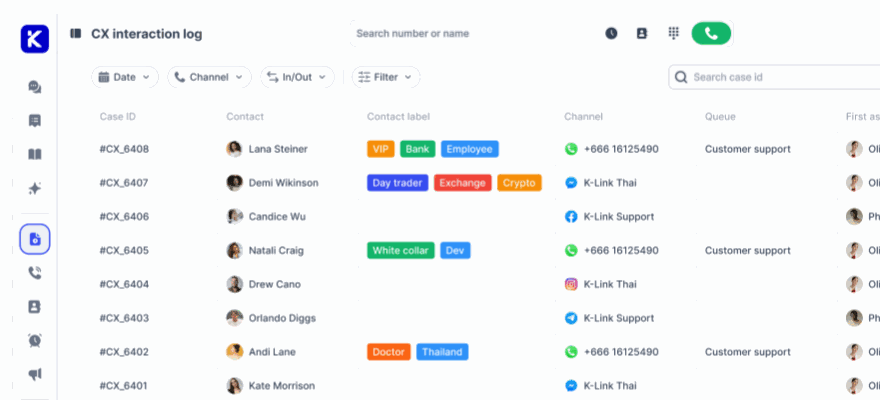
Handling multiple channels can be overwhelming, especially for small businesses. It requires the right tools, infrastructure, and personnel to ensure that no inquiries slip through the cracks. Many companies find it beneficial to centralize their support efforts using software that brings all channels into one platform
.
3. Training and Skill Development
Different channels require different skills. For example, an agent who excels at phone support may not be as effective at handling social media inquiries. It’s essential to train staff to handle each platform proficiently, which can be resource-intensive but is necessary for delivering top-notch support
.
Best Practices for Implementing Multi-Channel Support
To succeed with multi-channel customer service, businesses should follow these best practices:
- Start small: Don’t overwhelm your team by launching support on every channel simultaneously. Begin with the platforms most commonly used by your customers, then gradually expandProProfs Chat.
- Integrate systems: Use tools that centralize inquiries and track conversations across all channels to avoid fragmented communicationCustomer engagement platform | Trengo.
- Train your staff: Equip your team with the skills and knowledge necessary to handle each platform effectivelyklink.cloud - Contact Center Platform.
- Monitor performance: Regularly review customer interactions and service metrics to identify areas for improvementProProfs Chat.
Conclusion
Incorporating a multi-channel customer service strategy is no longer optional in today's digital landscape—it's essential. Businesses that offer flexible, high-quality support across multiple platforms will not only improve customer satisfaction but also foster brand loyalty and gain a competitive advantage. By leveraging the right tools and strategies, you can ensure that your business stays connected with customers wherever they are, delivering exceptional service at every touchpoint.