5 Ways to Enable Proactive Customer Engagement

In today's fast-paced business environment, proactive customer engagement is essential for building lasting relationships and enhancing customer satisfaction. By anticipating customer needs and acting before issues arise, companies can transform their customer service from a reactive to a proactive model. Here are five effective strategies to enable proactive customer engagement:
1. Monitor Customer Data to Anticipate Needs
Understanding Customer Behavior
To engage proactively, you must first understand your customers' behavior and preferences. Analyzing data from various touchpoints helps you anticipate customer needs and tailor your services accordingly.
Implementing Data Monitoring
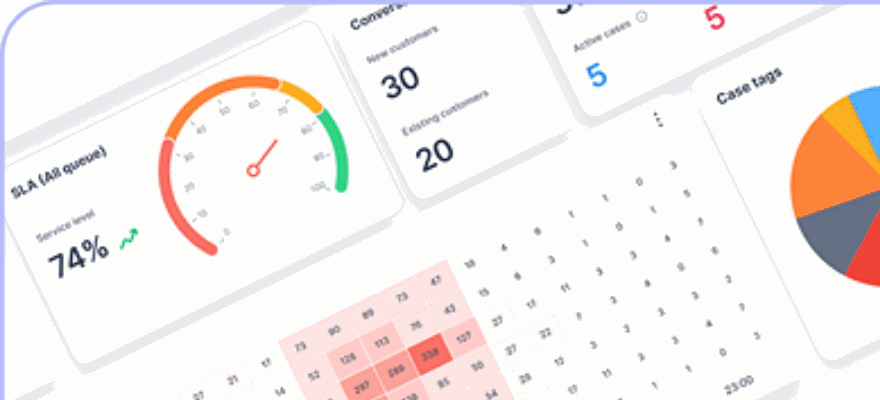
By using customer success platforms, businesses can monitor key metrics such as product usage, customer satisfaction scores, and engagement levels. According to research, 79% of customers are more likely to trust a brand that shows a deep understanding of their preferences and behaviors. This data provides insights into customer behavior, enabling you to identify potential issues or opportunities for upselling before they arise.
Benefits of Data Monitoring
- Early Problem Detection: Identify issues before they become significant problems.
- Targeted Campaigns: Craft campaigns based on customer behavior to enhance loyalty.
- Enhanced Personalization: Offer personalized solutions and recommendations.
2. Communicate on Preferred Channels
The Importance of Multichannel Communication
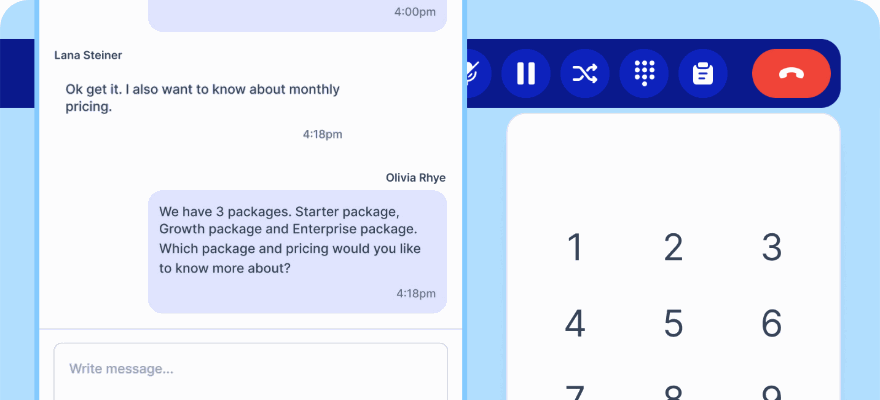
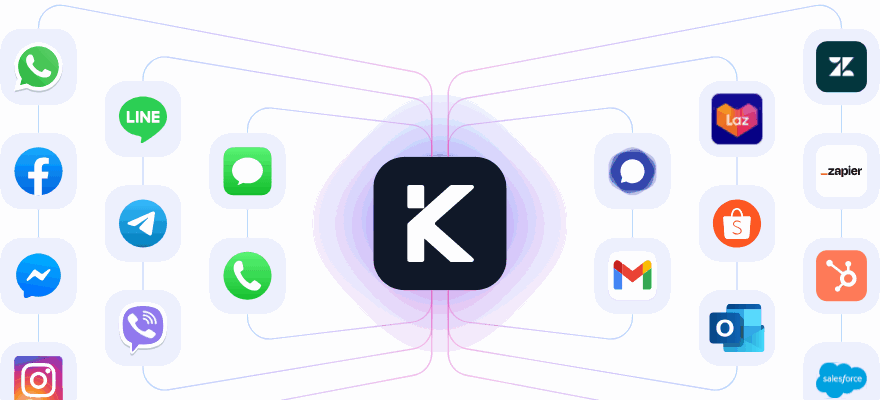
Customers interact with brands through multiple channels, including social media, email, and chat. Engaging with customers on their preferred platforms ensures a more personalized and effective communication strategy.
Implementing Multichannel Communication
Identify the channels your customers prefer and ensure your team is equipped to communicate effectively across these platforms. Research shows that 73% of customers prefer brands that offer multichannel communication options. This might involve integrating chat support, social media monitoring, and email marketing into your customer engagement strategy.
Key Advantages
- Improved Accessibility: Reach customers where they are most active.
- Increased Engagement: Engage customers in their preferred communication style.
- Higher Satisfaction: Provide timely support and information on the channels customers use most.
3. Automate Customer Outreach
The Role of Automation in Customer Engagement
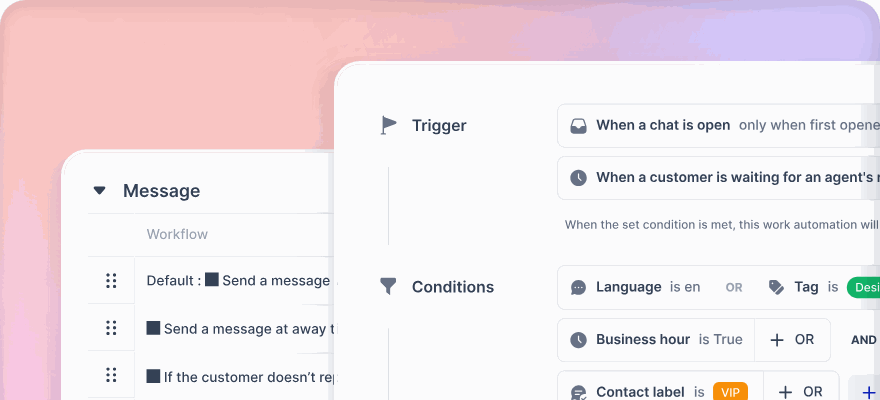
Automation streamlines customer interactions, allowing businesses to engage proactively without sacrificing the personal touch. Automated systems can send personalized messages, alerts, and reminders based on customer behavior.
Implementing Automation Tools
Leverage automation tools to trigger emails, messages, or notifications when specific customer actions occur. For example, if a customer hasn't logged in for a while, send a friendly reminder with tips on using your product more effectively. Companies using automation in their customer engagement strategy report a 50% increase in lead generation and a 40% improvement in conversion rates.
Benefits of Automation
- Efficiency: Automate repetitive tasks to free up time for more complex customer interactions.
- Consistency: Ensure consistent communication across all customer touchpoints.
- Timely Engagement: Reach customers at the right moment with relevant information.
4. Provide Educational Resources
Empowering Customers with Knowledge
Educating customers about your products or services is a powerful way to engage proactively. By providing resources that help customers maximize the value of your offerings, you can enhance their overall experience.
Implementing Educational Strategies
Create a library of resources such as tutorials, webinars, and FAQs. Use these resources to guide customers through common challenges and teach them how to use advanced features of your product. Approximately 67% of customers report a higher satisfaction level when provided with educational resources about the products they use.
Key Benefits
- Increased Product Adoption: Help customers discover new features and benefits.
- Reduced Support Requests: Empower customers to solve problems independently.
- Stronger Customer Relationships: Build trust by showing a commitment to customer success.
5. Implement Predictive Analytics
Harnessing the Power of Predictive Insights
Predictive analytics uses historical data and machine learning algorithms to forecast future customer behavior. By understanding what customers are likely to do next, businesses can proactively address their needs.
Implementing Predictive Analytics
Use predictive models to identify patterns and trends in customer data. This information can help you anticipate when a customer might need additional support or when they are ready for an upsell. Businesses that implement predictive analytics see a 30% increase in customer retention rates, as they can address potential issues before they arise.
Advantages of Predictive Analytics
- Proactive Problem Solving: Address issues before they escalate.
- Targeted Marketing: Offer relevant promotions and offers based on predicted customer needs.
- Improved Resource Allocation: Focus efforts where they will have the greatest impact.
Conclusion
Proactive customer engagement is a crucial strategy for businesses looking to enhance customer satisfaction and build long-term loyalty. By implementing these five strategies—monitoring customer data, communicating on preferred channels, automating outreach, providing educational resources, and leveraging predictive analytics—businesses can anticipate customer needs and act before issues arise. These proactive measures not only improve the customer experience but also drive growth and success in today's competitive market.