The contact center software RFP checklist
A contact center RFP fails in one of two ways. Either it lists features every vendor can tick, which tells you nothing, or it is copied from one vendor's marketing, which decides the outcome before the evaluation starts. This checklist is organised the other way round: by the questions whose answers actually differ.
Use it as a starting point for your own requirements document. Every question here should be asked of every vendor, including us.
Section 1: Channels
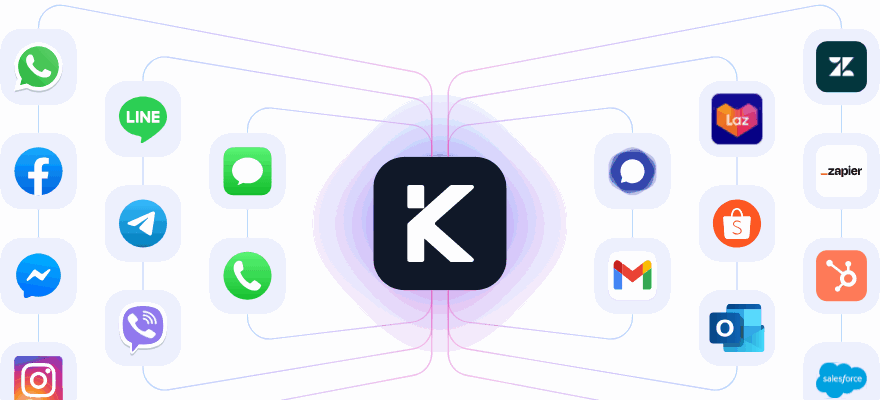
- Which messaging channels are supported natively rather than through a third party integration? Ask specifically about the ones your customers use, which in this region usually means LINE, Viber, WhatsApp, Messenger and Instagram.
- Is the WhatsApp connection an official Business API through Meta, and can an existing number be migrated onto it?
- Are marketplace channels supported, if you sell on Lazada, Shopee or TikTok Shop?
- Does email arrive in the same queue as messaging, or in a separate product?
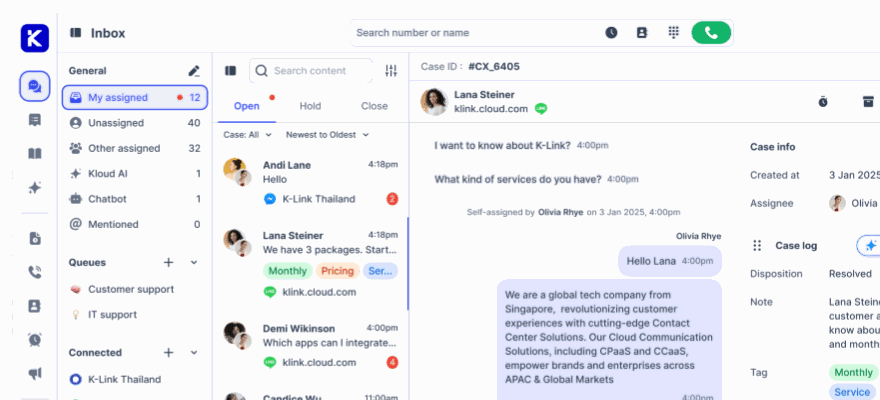
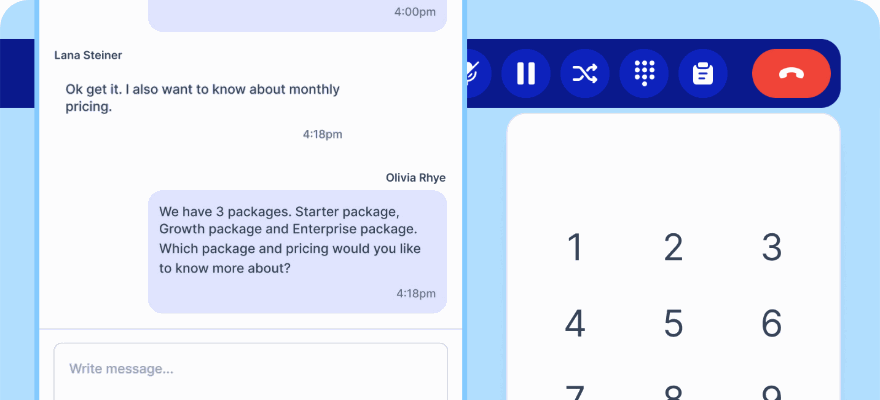
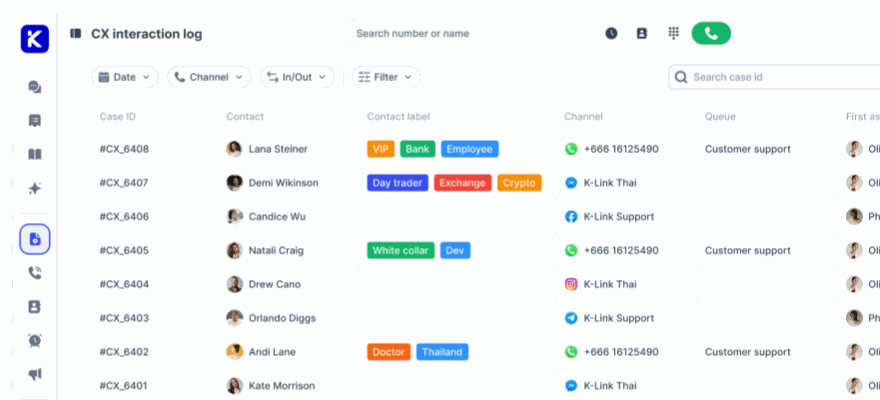
- Can a customer be recognised as one contact across every channel, including a phone call?
- What happens when a channel your customers adopt next year is not on the list? Is there a way to connect a custom channel?
Section 2: Voice
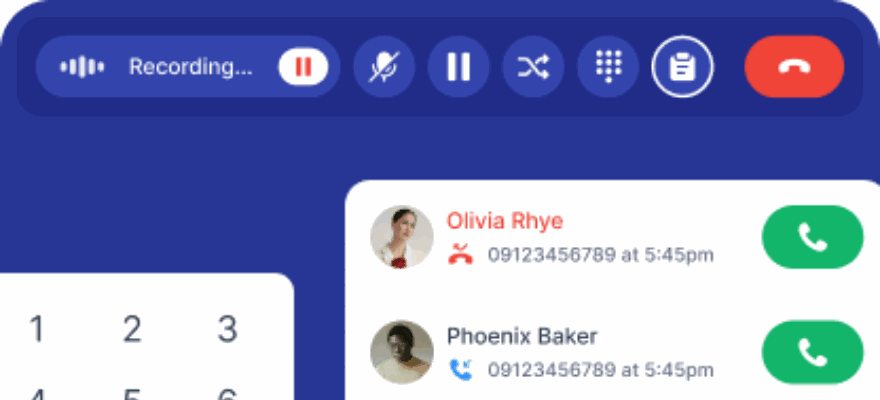
- Is telephony part of the platform, an add on priced separately, or an integration with a third party carrier?
- Can you bring your own carrier, PBX or SIP trunk, and how is that billed? Ask for the concurrent call model, not the per minute rate.
- In which countries can the vendor issue numbers, how long does activation take, and what paperwork does the local regulator require?
- Are inbound queue groups configurable with their own ring strategy, business hours and service level target?
- Is queue callback available, so a caller can hang up and keep their place?
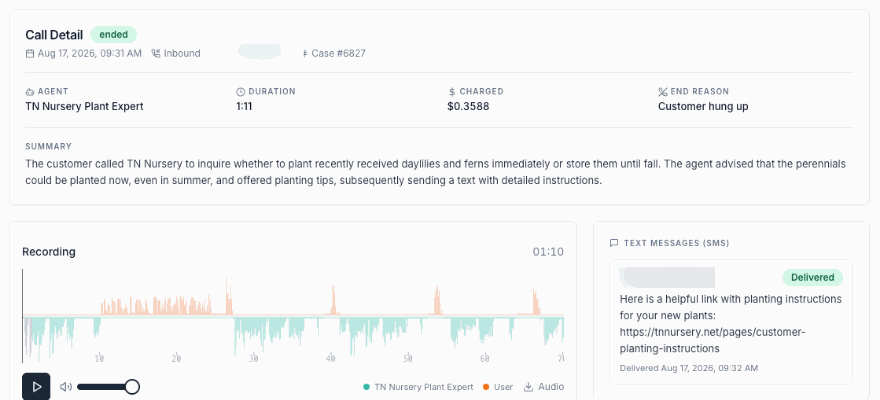
- Does the call detail record include ring duration, queue wait, talk time, trunk, disposition and a link to the recording?
Section 3: Routing and capacity
- Which distribution strategies are supported: round robin, fewest assignments, random?
- Is there a capacity limit per agent, and is it global across every queue that agent belongs to?
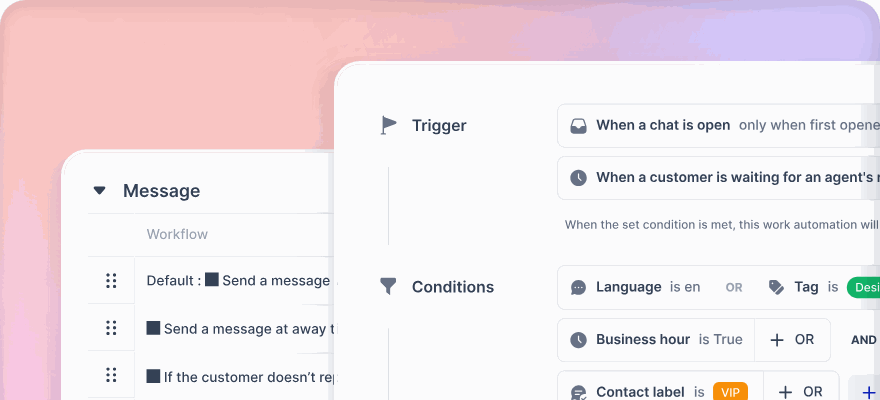
- Can conversations route by language, skill, customer tier or keyword?
- Can a supervisor reassign or transfer a live conversation without losing its history?
- What happens to a conversation outside business hours?
Section 4: Service levels and reporting
- Are first response and resolution tracked as separate targets, and can they differ per queue or per customer tier?
- Are voice and messaging measured on the same clock, in the same report? Ask to see one report containing both.
- Is there an abandoned call report showing which callers reached a queue and never got an agent, with abandon rate per queue?
- Is there a live view of agent status, and a log of status changes with reasons and timestamps?
- Can reports be exported to CSV or XLSX, and can they be scheduled?
- Are business hours applied to reporting, so out of hours does not count against the team?
Section 5: Quality and compliance
- Are calls recorded and transcribed, and is the transcript attached to the case and searchable?
- Is recording retention configurable by you, and who controls playback, download and export permissions? This is the question most often answered vaguely, and the one your auditor will ask.
- Is there a full audit trail of automated actions, showing what changed and when?
- What certifications does the vendor hold, and can you see the certificate, its scope and its audit window rather than a logo?
- Are roles and permissions granular enough to separate who can see analytics, contacts, tickets, the inbox, CX logs and reports?
- Can CSAT be triggered by disposition, so satisfaction is measurable per issue type?
Section 6: AI
- What is the AI trained on: your documentation, your knowledge base, a site crawl, or generic content?
- Can it take actions through your systems mid conversation, such as checking an order, a balance or a policy status, or does it only answer from articles? Ask for a demonstration against a real API.
- What happens at the limit of its knowledge? Ask to see the handover, and confirm the customer does not repeat themselves.
- Is there an identity check before anything sensitive?
- How is the AI priced: per seat, per resolution, per message, or included? Model this at your real volume, because it is the fastest growing line in most contact center invoices.
- Can a wrong answer be corrected, and does the correction persist?
Section 7: Deployment and security
- Where is the data hosted, and in which region is it served from? For APAC operations, ask whether traffic leaves the region.
- Is private cloud or on premise deployment available, and what changes about support and upgrades if you take it?
- Is single sign on supported, and with which identity providers?
- What is the published uptime, and is there a status page?
- What are the data export and deletion paths if you leave? Ask this during procurement, not during an exit.
Section 8: Commercials, where evaluations are usually decided
Most RFPs ask for a price. Fewer ask for the shape of the price, which is what actually determines the cost over three years.
- What is the unit: a named agent, a concurrent agent, a ticket, a conversation, a resolution, a monthly active contact?
- Model the bill at your real headcount, not the pilot. Include supervisors, back office staff, quality assurance and any BPO partner who needs access.
- What happens in a seasonal peak? Ask for the invoice on your busiest historical month rather than an average one.
- Is there an overage rate, and at what point does the plan tier step up?
- Are voice minutes, numbers, SMS and AI resolutions inside the price or beside it? Get the total, not the headline.
- What is the renewal uplift, and is it capped?
- What is included in onboarding, and what is billed as professional services?
Section 9: The demonstration
Ask for these four specifically. A scripted demo will not include them, and each one separates platforms that look identical on paper.
- One customer, two channels. Someone who called on Monday and messaged on Wednesday, shown as one case with one history and one first response time.
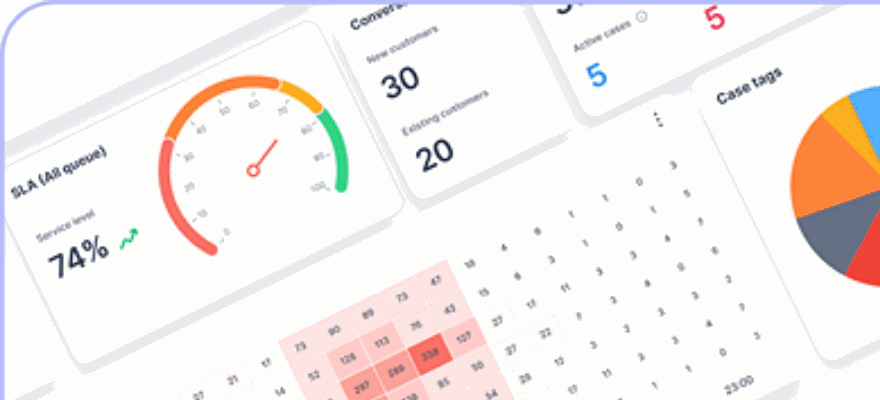
- Your busiest hour. Who was available, how long people waited, how many abandoned, and what the service level was across voice and chat together.
- The AI handover. Not the happy path. The moment the agent gives up and a person takes over.
- A supervisor at 9am Monday. What they see, live, without running a report.
How we answer these
Since this is our site, our own answers in short, so you can hold them to the same standard as anyone else's: telephony is part of the platform rather than an add on; bring your own carrier is billed on concurrent calls from $50 a month for ten; users are unlimited on every plan and the meter is a resolved conversation, so supervisors and BPO staff cost nothing to add; recording retention windows and permissions are yours to configure; the platform is ISO 27001 certified on AWS with private cloud and on premise deployment available; and certificates, controls and sub processors are published in the Trust Center rather than described.
Where we are weaker: if your requirements are led by workforce management and large scale outbound campaign dialling, a traditional enterprise suite has more depth there, and an honest RFP should say so in the scoring.
Common questions
How long should a contact center RFP take?
The requirements document is not the slow part. Sizing the commercial model at real headcount, and getting security review to sign off on deployment and retention, is where the months go. Starting both early, in parallel with the functional evaluation, is the single biggest saving available.
Should we run a proof of concept?
Yes, on one real queue with real traffic, not a sandbox. A pilot on your quietest channel proves nothing about the two things that matter at scale: what happens in a peak, and what the bill does when the whole team is in the system.
What is the most common mistake in these evaluations?
Scoring features and pricing the pilot. Platforms converge on features and diverge sharply on what they cost at production headcount, which is the number nobody models until year two.
For the background behind several of these questions, see how the main platforms compare in Southeast Asia and what breaks past 200 agents.
If you are writing one of these now, we are happy to answer the whole list against your requirements, including the sections where the answer is no. Book thirty minutes, or start with the contact center and pricing pages.