How DALI puts every weekly deal on Viber, and gets replies back
A weekly deal that nobody sees is not a deal. For a hard-discount grocer that is close to an existential problem, because the model does not run on margin. It runs on frequency: shoppers coming back often, because they know what is cheap this week and where the nearest store is.
DALI, one of the fastest-growing discount grocers in the Philippines, gets that message in front of shoppers on Viber for Business, managed inside klink.cloud, from a verified sender. And because it is a messaging channel rather than a billboard, the shoppers can answer.
The customer
DALI is a hard-discount grocery chain bringing German-style everyday low prices to the Philippines, growing store by store. The model is deliberately narrow: a tight range of household essentials, rice, oil, sauces and everyday basics, at prices that keep value-conscious families coming back.
That narrowness is the strength and the constraint. A discount grocer wins on price and on frequency, so the more reliably shoppers hear about this week's deals and the store that just opened nearby, the more often they come in.
The challenge: getting the deal to the shopper
The usual channels each fail in their own way. Email goes unread. SMS costs money per message and arrives as plain text, so a deal is a sentence rather than a picture of the product at the price. Social feeds bury a grocer under everything else competing for the same attention, and reach is whatever the ranking algorithm decides that week.
What a weekly promo needs is a channel with high attention, a trusted sender and room for an actual image.
Why Viber, specifically
In the Philippines, Viber's penetration is around 71%, among the highest it reaches anywhere in the world, and Filipinos lean on it for business and formal messages in particular. That last part is what matters for a grocer. It is not simply that people are on the app, it is that a message from a business arriving there is treated as something to read rather than something to scroll past.
To be accurate about the market: Messenger is the larger platform in the Philippines overall. Viber's case here is not that it is the biggest, it is that it is where a verified business sender gets attention, and it carries rich messages that SMS cannot.
What DALI sends
- Weekly promos. The latest everyday-low-price deals, sent straight into the shopper's chats as images with buttons and links rather than a line of text.
- New store openings. News when a DALI opens nearby, which is the message most likely to produce a first visit.
- Restock and availability. Updates when popular everyday items are back on the shelves, which for a narrow-range grocer is genuinely useful rather than noise.
- Two-way support. Questions and feedback, answered in the same conversation the promo arrived in.
The part most broadcast channels miss
A promo blast is one-way by default. The shopper who replies to ask whether the offer runs at their branch usually replies into nothing, which teaches them not to bother next time.
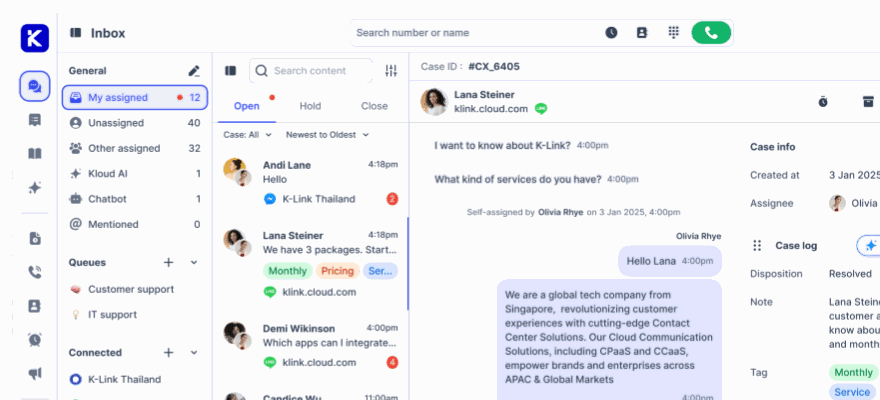
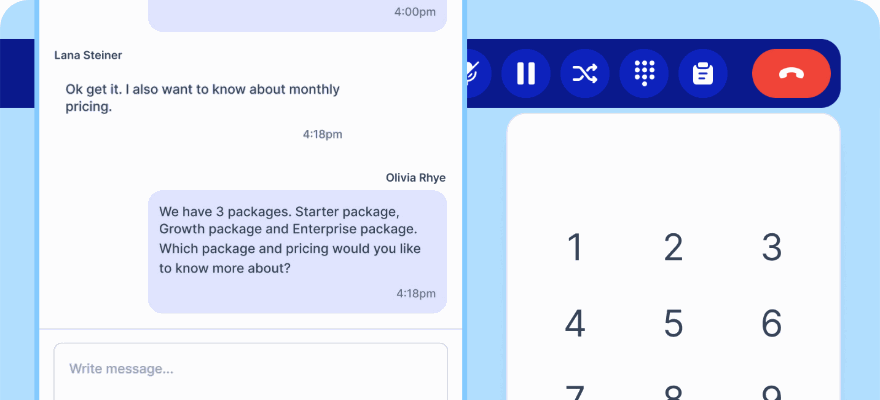
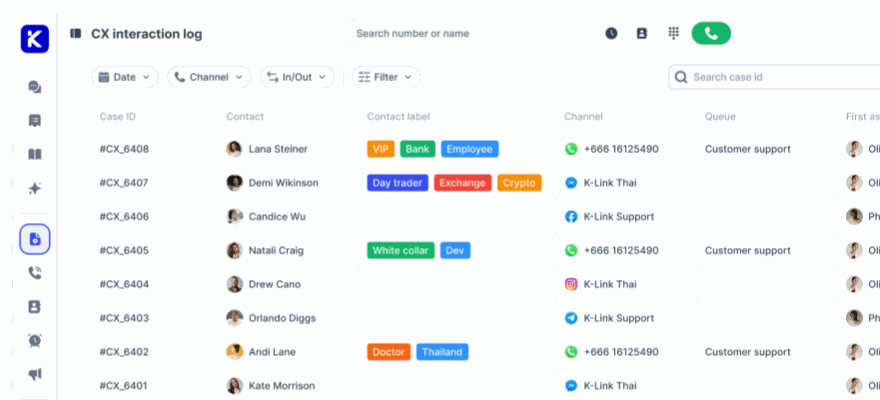
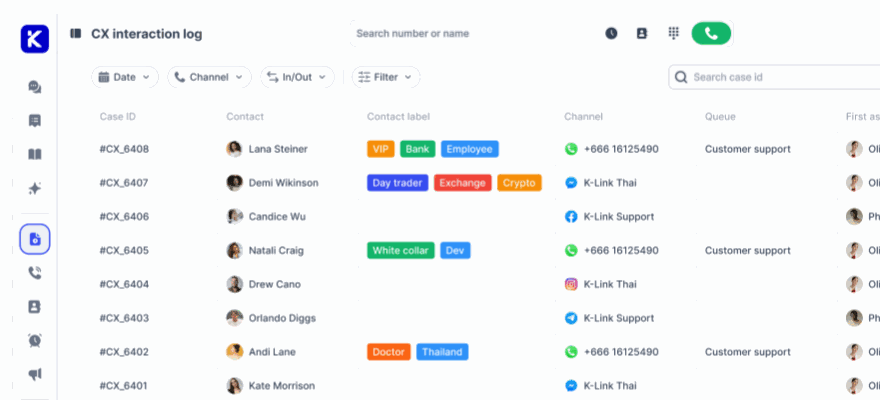
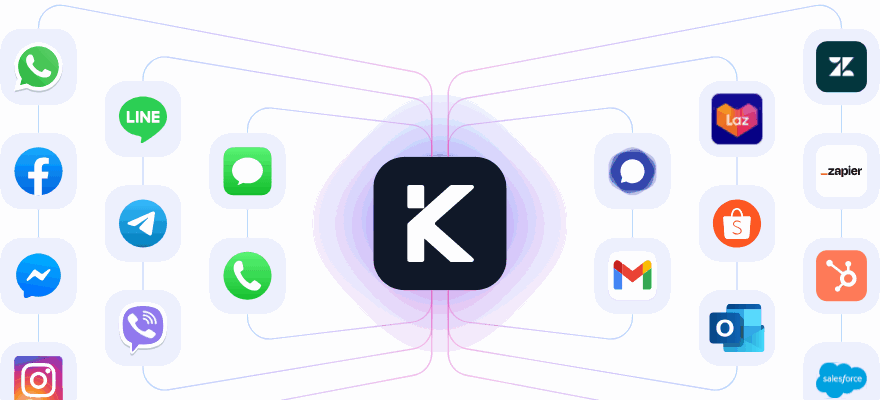
Here the replies land in the klink.cloud inbox alongside every other channel, so the same team answers them with the same history and the same tooling. That is the difference between a broadcast list and a relationship: a shopper can ask, and a person answers. Managing it in one platform also means the promo channel is not a separate tool with its own login and its own reporting, sitting apart from everything else the business does.
Why it matters for discount retail
The message arrives where attention is. A promo on a channel people actually open beats a better promo in an unread inbox.
Frequency is the business model. Regular, relevant deal and store alerts bring value-seekers back more often, which is precisely what a hard-discount model runs on.
A broadcast becomes a relationship. Two-way conversations turn a list of recipients into customers who ask, answer and come back, without a separate tool per message type.
If you sell in the Philippines
klink.cloud connects your brand to Viber for Business as an official partner, so you can send rich promos and updates from a verified sender, run two-way conversations, and manage it in one platform alongside every other channel. See how Viber for Business works, or book a demo and we will set it up on your own campaign.
About K-LINK. K-LINK is a global communication platform provider (CCaaS, UCaaS, CPaaS) headquartered in Singapore and operating across Southeast Asia. Its suite spans klink.cloud, the omnichannel customer experience platform for contact center and engagement teams, and Kai, the customer service AI agent across chat, messaging, email and voice.