Voice AI Agent

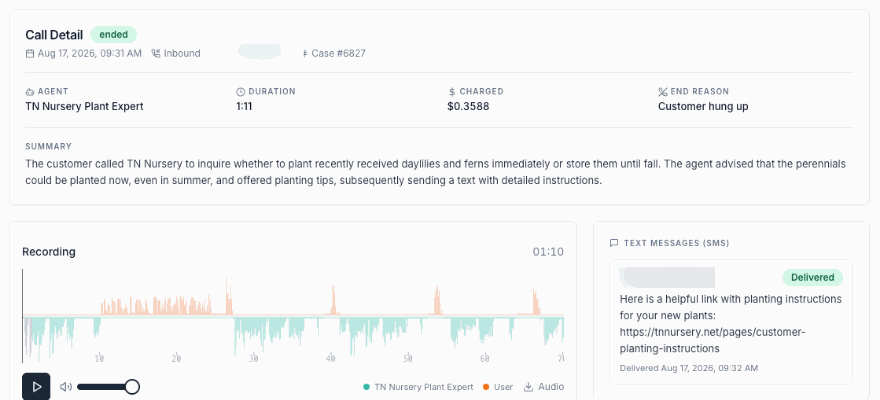
Voice AI Agents are transforming customer service by handling voice-based interactions with speed and precision. Combining Automatic Speech Recognition (ASR), Natural Language Processing (NLP), and Text-to-Speech (TTS), these systems provide human-like conversations, 24/7 availability, and significant cost savings.
Key Benefits:
- Cost Savings: Up to 30% reduction in service costs.
- Efficiency: Handles 70-80% of routine tasks, reducing agent workload.
- Customer Satisfaction: Faster response times and personalized support.
Real-World Impact:
- Love's Travel Stops: Processed 180,000 calls, cut wait times, and improved satisfaction.
- AGIA Insurance: Reduced Average Handle Time by 12%, saving $87,000 annually.
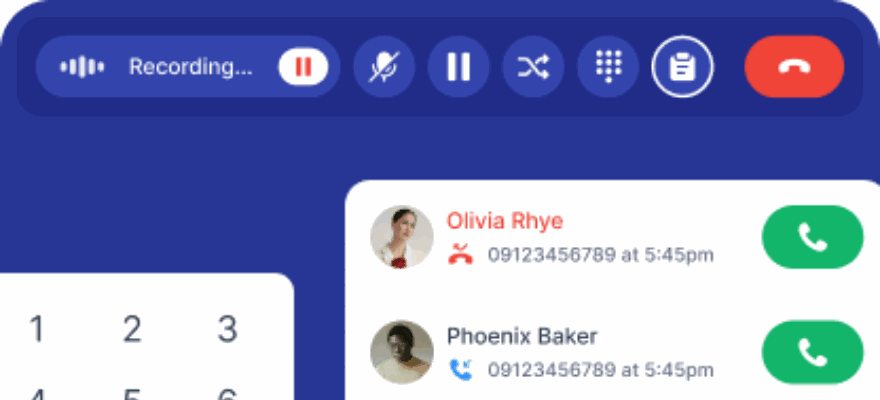
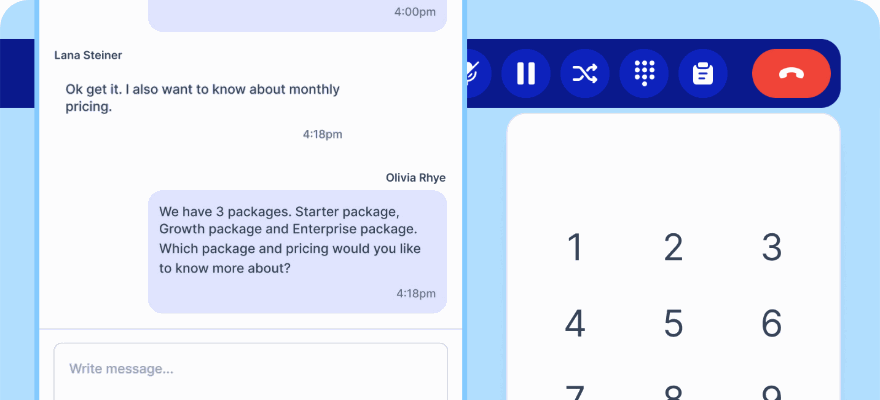
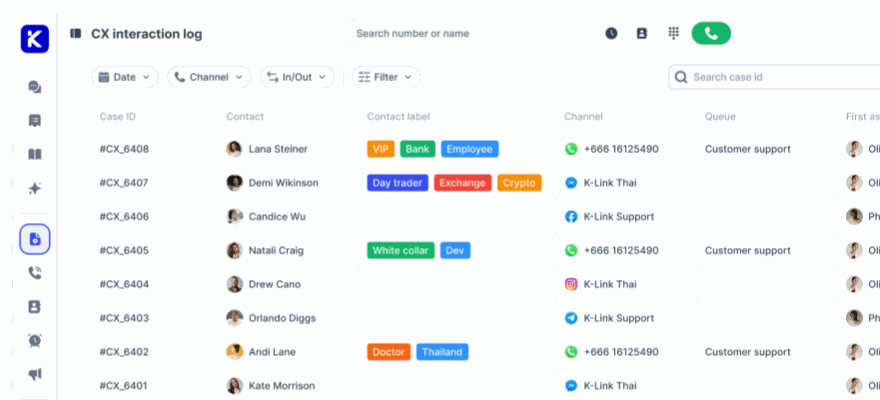
By integrating with tools like CRMs and contact center platforms, Voice AI systems automate tasks, route calls intelligently, and support agents in real time. Companies adopting Voice AI report improved customer experiences and operational efficiency.
| Metric | Impact |
|---|---|
| Response Time | 0.9–1.5 seconds |
| Cost Reduction | 20-30% |
| Call Handling Capacity | Up to 65% of routine inquiries |
Voice AI isn’t just about automation - it’s about delivering better service at lower costs. Ready to explore how it can work for you? Keep reading for setup tips and examples.
Technical Components of Voice AI
Core Technologies
Voice AI agents rely on three main technologies: ASR (Automatic Speech Recognition), large language models (LLMs), and TTS (Text-to-Speech). Together, they create smooth and natural conversations. Here's how it works: ASR converts spoken words into text, LLMs interpret the input and craft responses, and TTS transforms the generated text back into lifelike speech.
NVIDIA has been a key player in advancing these technologies. Their Riva platform supports multilingual speech processing, while NeMo provides tools to build and deploy custom generative AI models.
These advancements allow Voice AI systems to integrate seamlessly with enterprise environments, making them more effective in real-world applications.
System Connections
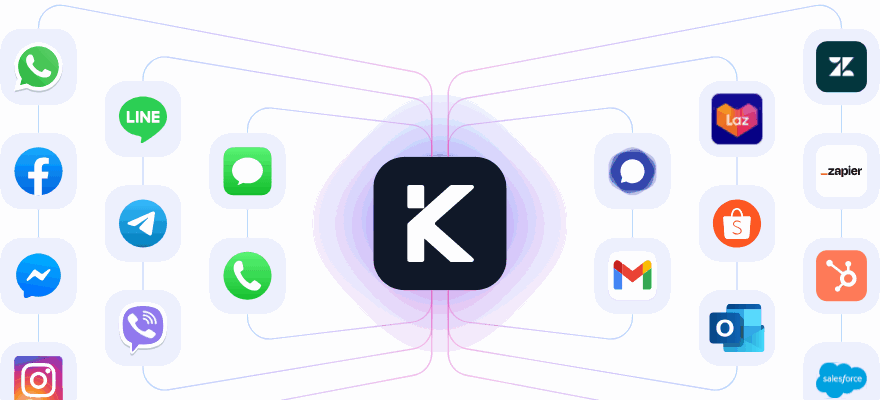
Voice AI systems are designed to connect effortlessly with existing business tools and infrastructure. Here's a quick look at how they integrate:
| System Type | Integration Capabilities | Impact Metrics |
|---|---|---|
| Contact Center Platforms | API-driven telephony control | 99.5% faster response times |
| CRM Systems | Real-time data updates and easy access | 68% reduction in handling time |
| Case Management Tools | Automated routing of information | +37% increase in NPS |
For example, Vodafone uses AudioCodes VoiceAI Connect to power its digital assistant, TOBi. This setup allows TOBi to interact with customers through voice channels, demonstrating the practical benefits of integration.
These connections not only improve customer satisfaction but also boost agent efficiency by enabling AI to handle repetitive tasks and provide tailored responses.
AI Language Models
At the heart of Voice AI are large language models (LLMs), which are responsible for analyzing conversations and generating context-aware replies. These models rely on four types of memory systems:
- Short-term memory: Keeps track of the immediate context of a conversation.
- Long-term memory: Stores patterns from previous interactions.
- Episodic memory: Maintains a history of customer-specific interactions.
- Semantic memory: Holds general knowledge and facts.
"With Cognigy.AI, we have a tool that is flexible enough for any use cases and a common framework for global scaling and governance."
Organizations are increasingly adopting Retrieval-Augmented Generation (RAG) to enhance LLMs. This approach allows the models to pull in precise, context-specific information, ensuring responses are accurate and relevant.
Voice AI Uses in Contact Centers
Basic Support Tasks
Voice AI agents shine when it comes to handling routine customer support tasks, making operations smoother and more efficient. These systems are available 24/7, providing instant responses to incoming queries. This ensures no customer inquiry is left unanswered, even during late hours or busy periods.
Here’s how Voice AI impacts basic support tasks:
| Task Type | Performance Metric | Impact |
|---|---|---|
| Outbound Connections | Connect Rate | 50-65% vs traditional 20-30% |
| Response Time | Speed to Lead | Under 10 seconds |
| Cost Efficiency | Agent Expenses | 80-90% reduction |
| Call Connection | Success Rate | 60-80% improvement |
Voice AI also plays a critical role in lead management and sales recovery. It can qualify leads automatically, send appointment reminders, and re-engage customers who abandoned their shopping carts - all without the need for human involvement. Additionally, its ability to streamline call routing through smart distribution further enhances operational efficiency.
Call Routing Systems
Voice AI isn’t just about handling basic tasks - it also transforms call routing in contact centers. With advanced routing capabilities, these systems analyze inputs in real time to connect customers to the right resource quickly and effectively.
For instance, IBM highlighted a major telecom company that implemented intelligent routing in 2023, achieving a 35% reduction in average call handling time and a 30% boost in customer satisfaction. During peak hours, Voice AI routing systems can handle up to 65% of routine inquiries without human intervention, leading to a 30% drop in call volume.
Agent Support Tools
Voice AI doesn’t just assist customers - it also supports agents, helping them work more effectively and deliver better service. Some of the key benefits include:
- Conversation Management: Allows agents to manage 28% more conversations at the same time.
- Customer Satisfaction: Improves satisfaction scores by 10%.
- Response Efficiency: Speeds up response times by 15%, reducing the likelihood of customers abandoning chats.
Voice AI Setup Guide
Setting up a Voice AI Agent requires careful integration and precise configuration, building on the technical components discussed earlier.
Technical Setup
The backbone of a Voice AI system is a reliable cloud telephony framework capable of managing high call volumes without sacrificing quality. Here’s a breakdown of the essential components:
| Component | Purpose | Key Requirements |
|---|---|---|
| Cloud Phone System | Call handling and routing | Virtual numbers and SIP trunk support |
| API Integration | System connectivity | REST API endpoints and webhook support |
| Voice Processing | Speech recognition reliability | High-quality, dependable audio processing |
| Data Storage | Call recordings and analytics | Secure cloud storage and backup systems |
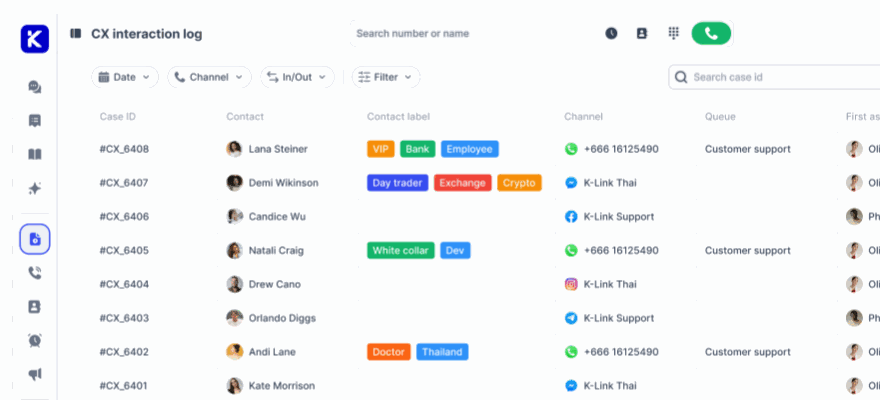
Modern unified CX platforms simplify these needs by merging multiple communication channels into a single interface. This eliminates the hassle of manual integrations and ensures consistent performance across customer interactions.
Conversation Planning
Creating effective dialogue flows is key to handling diverse customer scenarios. Here’s how to make it work:
- Intent Mapping: Identify the main customer intents and craft clear, targeted responses for each.
- Fallback Scenarios: Plan for unexpected inputs by defining alternative paths to guide the conversation.
- Handoff Protocols: Ensure seamless transitions between the Voice AI system and human agents when needed.
A well-designed conversation flow keeps the dialogue smooth, maintains context, and accommodates interruptions or varied accents, resulting in a more natural customer experience.
Quality Control
Maintaining top-notch performance requires constant monitoring and updates. Focus on these quality control practices:
- Track metrics like speech accuracy, response times, customer satisfaction, and resolution rates using real-time analytics to quickly identify areas for improvement.
- Automate testing and conduct regular system checks to ensure reliability.
- Continuously update conversation models based on real-world interactions to keep the system effective and relevant.
sbb-itb-204ca50
Performance Measurement
Success Metrics
Measuring the performance of Voice AI relies on real-time metrics that directly influence business outcomes and return on investment (ROI).
| Metric Category | Key Indicator | Target Benchmark |
|---|---|---|
| Speed & Efficiency | Response Time | 0.9–1.5 seconds |
| Operational Efficiency | Support Workload Reduction | 70-80% reduction |
A delay of just two seconds can increase bounce rates by a staggering 103%. Companies that maintain response times within the optimal range of 0.9–1.5 seconds experience significantly lower customer abandonment rates. These metrics translate into measurable financial and operational advantages.
Financial Impact
Adopting Voice AI solutions often leads to:
- Operational Cost Savings: Businesses typically see a 20-30% reduction in overall operational expenses.
- Revenue Growth: For instance, AmeriBrunch Cafe in Las Vegas reported a $3,000 monthly boost in phone sales, alongside a 50% increase in average ticket value (from $20 to $30).
"When we were busy, we had a one-hour wait at some points. It was just impossible to answer the phone. Nobody was even hearing the phone at that point."
- Nicolas Poptchev, Co-Owner of AmeriBrunch Cafe, Las Vegas
Success Examples
Real-world examples demonstrate the financial and operational benefits of Voice AI:
-
Large U.S. Wealth Management Firm:
This company successfully automated over 400 common inquiries, cutting operating costs by $6.7 million. They eliminated 166,000 calls that would have required human agents and boosted their customer experience index score by 5%. -
Five9 Implementation:
By integrating Voice AI, this organization reduced operating costs by 30%, improved first-call resolution rates, and enhanced capabilities like real-time transcription and sentiment analysis.
These examples underscore how Voice AI not only reduces costs but also enhances customer satisfaction. Companies using real-time AI solutions report a 65% improvement in service levels and revenue growth for 63% of adopters.
Additionally, tools like Hamming provide continuous performance insights by generating Hume scores, which assess call quality and customer sentiment in real time. This ongoing evaluation helps maintain consistent service delivery and pinpoints areas for improvement.
Next Steps
Now that we've explored the technical and performance aspects, let's outline the practical steps to fully implement Voice AI in your operations.
Key Takeaways
Achieving success with Voice AI depends on setting clear goals and having a solid plan in place. Here are the critical elements to focus on:
Core Requirements:
- Strong natural language understanding capabilities
- Seamless integration with your current contact center systems
- Tools for real-time analytics and monitoring
- Reliable security measures and compliance standards
Implementation Steps:
- Evaluate current workflows and identify pain points
- Choose use cases that will deliver the most impact
- Connect with CRM and telephony systems for smooth operations
- Provide agent training and manage the transition effectively
- Continuously monitor performance and optimize as needed
By following these guidelines, you can make the most of klink.cloud's powerful platform.
klink.cloud Solutions
klink.cloud's Growth plan, priced at $69 per user/month, offers a range of features designed to streamline your Voice AI experience:
- Unlimited CRM contacts for better customer management
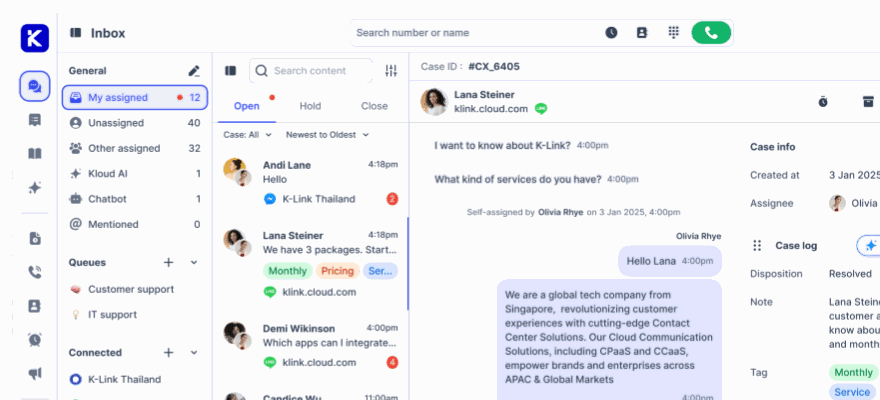
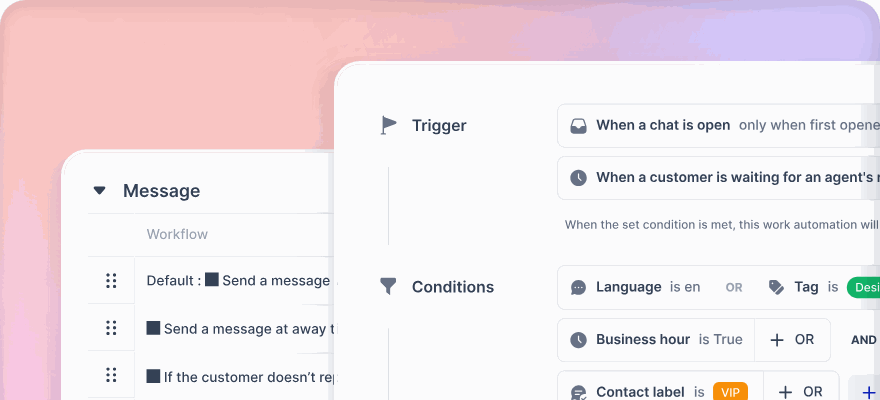
- Custom workflow automations to simplify processes
- IVR and rules-based routing for efficient call handling
- Real-time performance tracking to keep everything on point
Comprehensive Platform Support:
- Access to detailed technical documentation
- Tailored onboarding to meet your specific needs
- Assistance with system integrations
- Regular updates and ongoing maintenance
Advanced Analytics Tools:
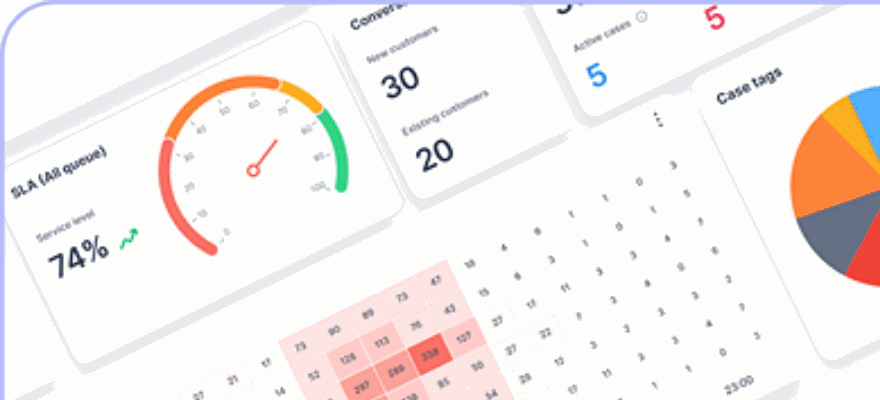
- A real-time dashboard for instant insights
- Custom wrap-up forms to capture key details
- Performance tracking reports to measure success
- Multi-level SLA management for accountability
For businesses with more complex requirements, klink.cloud also provides dedicated support teams and custom API integration options.
| Phase | Timeline | Deliverables |
|---|---|---|
| Initial Setup | Week 1-2 | System integration and workflow configuration |
| Staff Training | Week 2-3 | Agent training and best practices implementation |
| Live Operation | Week 4+ | Ongoing performance monitoring and optimization |
Getting started is as simple as scheduling a consultation with klink.cloud's implementation team. They’ll help craft a deployment strategy tailored to your unique needs, setting you up for success in your Voice AI journey.
FAQs
How do Voice AI agents work with CRM and contact center platforms to improve customer service?
Voice AI agents work hand-in-hand with CRM and contact center platforms to make customer service more efficient. They can handle tasks like creating new leads, updating customer records, and pulling up relevant details during calls, taking the load off human agents. With AI-powered routing, these systems analyze customer history and intent to match callers with the best-suited agent, cutting down wait times and leading to faster issue resolution.
On top of that, Voice AI simplifies post-call tasks by generating call summaries, updating CRM fields, and recommending follow-up actions. This not only saves valuable time but also ensures accurate records and a smoother workflow for agents and customers alike.
What challenges do businesses face when implementing a Voice AI system, and how can they overcome them?
Implementing a Voice AI system isn’t without its challenges. For starters, ensuring high-quality data for training the AI can be tricky. Businesses need to manage diverse datasets that are both relevant and comprehensive. Then there’s the complexity of human conversations - teaching AI to understand and respond naturally is no small feat. On top of that, integrating the system into existing tools and workflows or customizing it for specific industries can feel overwhelming.
To tackle these challenges, start by focusing on clean, well-organized data - this is the foundation of any successful AI system. Choose solutions designed to handle natural, human-like interactions. Don’t forget to ensure compliance with data privacy regulations; this is non-negotiable. Tailor the system to meet your business’s specific needs, and don’t hesitate to bring in experienced professionals to guide the process. Finally, thorough testing is key to ironing out issues and ensuring everything runs smoothly.
How do large language models (LLMs) enhance the way Voice AI agents interact with customers?
Large language models (LLMs) bring a new level of sophistication to Voice AI agents by helping them grasp the context of conversations, craft responses that sound natural and human, and respond to customer needs as they happen. This leads to interactions that feel more engaging, fluid, and tailored to the individual.
With LLMs, Voice AI agents can tackle more complicated questions, pick up on subtle language cues, and deliver consistent assistance. This not only boosts customer satisfaction but also makes communication in contact centers more efficient.